





 Portuguese
  English
  Spanish
  3 min of reading
  0 comments


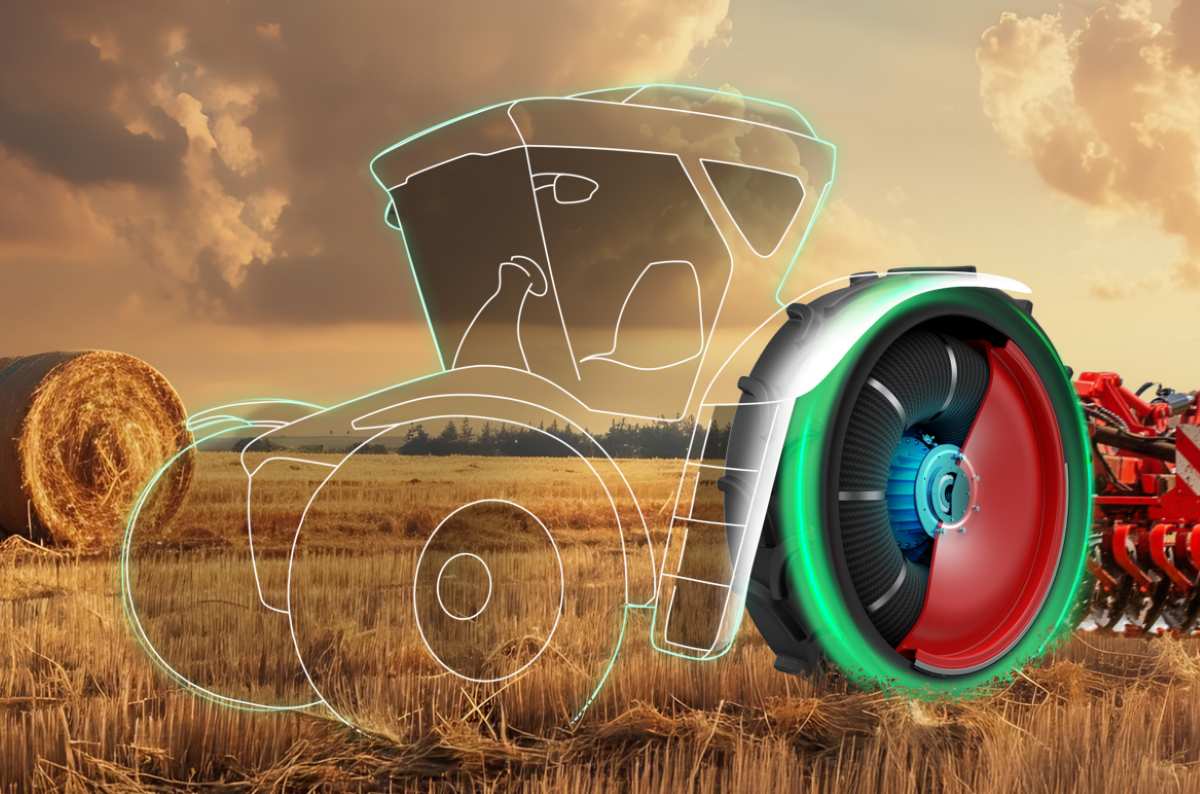
The brilliant idea of using the space of the wheels to store clean energy solves the problem of lack of space in modern tractors and promises to revolutionize production in the field with much more sustainability.
German engineers have developed a technological solution for one of the biggest challenges of sustainable agricultural mechanization: the autonomy of heavy vehicles powered by clean energy with hydrogen storage.
The project consists of tractor tires designed to store gaseous hydrogen under high pressure, functioning as supplementary fuel tanks.
This innovation allows machines to operate during a full work shift without the need for interruptions to refuel, overcoming the space limitations of conventional vehicles.
-
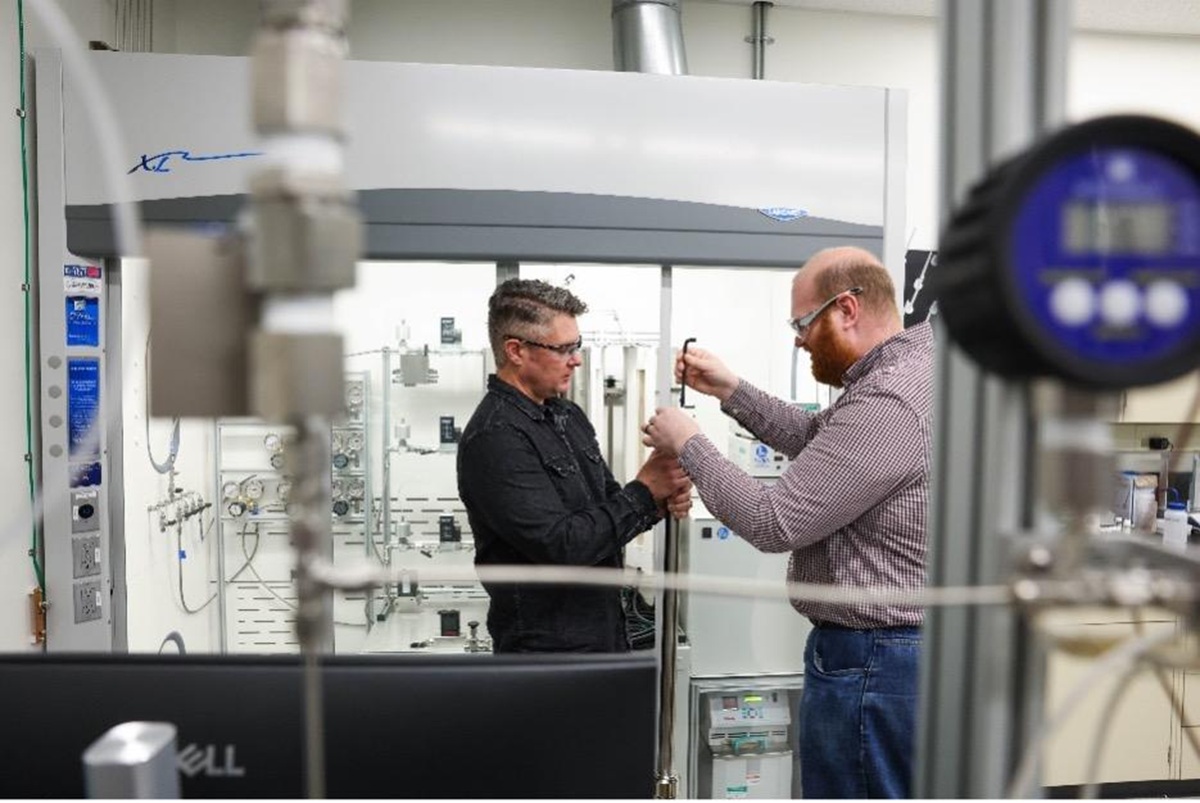
Aviation fuel could become much cheaper after advancements in the U.S.: a new catalyst reduces steps, converts ethanol in one go, and also paves the way to increase the supply of SAF in a market pressured by high costs.
-
According to scientists, colonists born on Mars may develop immunity different from that of Earth and have a higher risk of infections when coming into contact with humans from Earth.

-
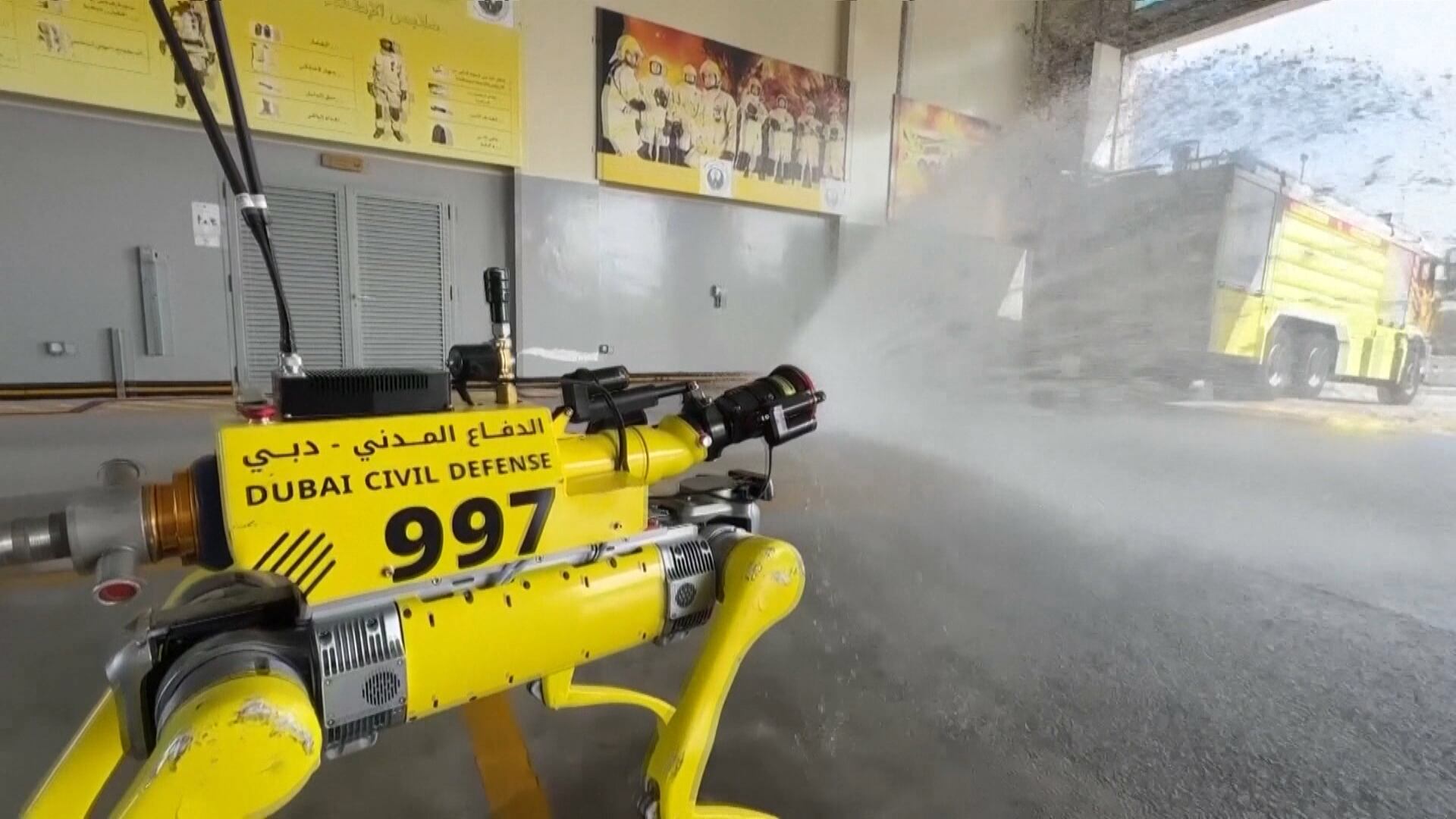
Dubai places robots on the front line of firefighting with jets of 2,400 liters per minute and a range of up to 60 meters; these machines take on extreme risk zones and mark the arrival of artificial intelligence in the most dangerous physical work in the world.
-
The rain has already exceeded the limit in Rio Grande do Sul, and now the worst is coming: an extratropical cyclone and gusts of 80 to 100 km/h, with a risk of flooding, power outages, and high waves on the coast of Rio Grande do Sul tomorrow.

Structural storage in large wheels
The use of wheels as reservoirs takes advantage of the idle volume in components that already have generous dimensions in agricultural machines. Unlike traditional cylindrical tanks, which occupy useful space in the chassis and alter the center of gravity, hydrogen storage in the wheels distributes weight more efficiently. The structure has been reinforced with high-strength composite materials to withstand the internal pressure of the gas and the mechanical stresses of the terrain.
This approach solves the problem of energy density that affects battery-powered electric tractors, which tend to be too heavy or have limited autonomy for the field. By integrating the fuel directly into the wheels, engineers have managed to increase storage capacity without compromising the operator’s visibility or maneuverability. The hydrogen storage system is connected to the engine through sealed rotary pipes, ensuring a constant flow of energy during movement.
Extended autonomy for the agricultural journey
Tests conducted with the prototype demonstrated that the extra fuel capacity is sufficient to keep the tractor operating for more than 12 consecutive hours on heavy tasks, such as plowing. In standard hydrogen models, the limited space for tanks used to require stops every four or five hours, which hindered productivity on the farm.
With the new hydrogen storage, the operational efficiency of the vehicle matches that of traditional diesel-powered models.
Safety was a priority in the design, with thermal relief valves and impact sensors integrated into each wheel. Even on rough soils or under extreme loads, the integrity of the internal reservoirs remained stable during field simulations. This reliability is crucial to convince the agricultural sector to migrate to zero-emission technologies while maintaining the work pace required by the harvests.
Sustainability in modern agribusiness
The implementation of this German technology can accelerate the decarbonization of the field, allowing large properties to produce their own fuel through electrolysis with solar or wind energy. The use of hydrogen in tires is a strategic step towards enabling agricultural fleets to be completely independent of fossil fuels. In addition to the environmental benefit, the reduction of noise and the absence of smoke improve working conditions for operators and animal welfare in nearby areas.
The next step for engineers involves the international certification of components for mass production and the adaptation of the system for other types of heavy machinery, such as harvesters and backhoes. The expectation is that the initial cost of the technology will be offset by long-term operational savings and government incentives for sustainable practices. With wheels serving as energy deposits, the future of agribusiness is heading towards unprecedented energy efficiency.
With information from: EcoInventos









Seja o primeiro a reagir!