





 Portuguese
  English
  Spanish
  5 min of reading
  0 comments


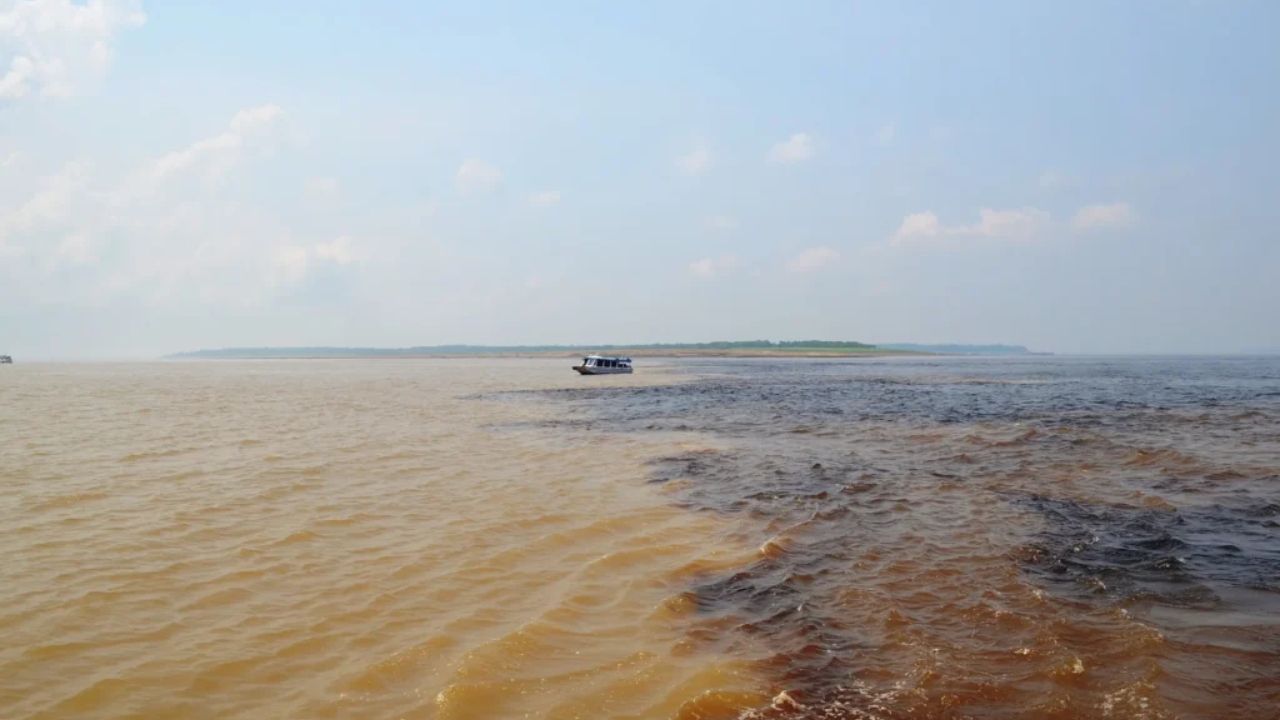
Understand Why the Two-Colored River in Brazil Creates a Liquid Border in the Amazon for Over 6 Km Without Mixing.
In the heart of the Amazon, a visual spectacle defies logic and fascinates visitors from around the world: the two-colored river in Brazil, officially known as the Meeting of the Waters. Near Manaus, the dark, acidic waters of the Rio Negro run alongside the muddy, dense waters of the Rio Solimões, forming a perfectly visible liquid border that refuses to mix for a long stretch. This phenomenon is not just a postcard, but a manifestation of complex forces of nature.
What seems like magic is, in fact, a confluence of physical and chemical factors. The notable division occurs due to deep differences in temperature, speed, and, most importantly, chemical composition between the two river giants. It is at this point that the largest river in the world by volume, the Amazons, officially begins, making this meeting a geographical landmark and a natural laboratory on a continental scale.
Where Is It Located and What Is the Size of the Phenomenon?
Located about 20 kilometers from Manaus, the Meeting of the Waters is one of the most accessible and emblematic tourist spots in the Amazon region. Most expeditions depart from the Ceasa Port, allowing visitors to witness the grandeur of the event up close. The scale of the phenomenon is what makes it truly impressive: the dividing line between the waters is not momentary, stretching over more than six kilometers downstream, as detailed by the Amazônia Portal.
-
The Argentine government celebrates the lowest poverty rate in 7 years, but experts warn that the methodology has changed, real wages have fallen, unemployment has risen, and the number of people on the streets of Buenos Aires has increased by 57% since Milei took office.

-
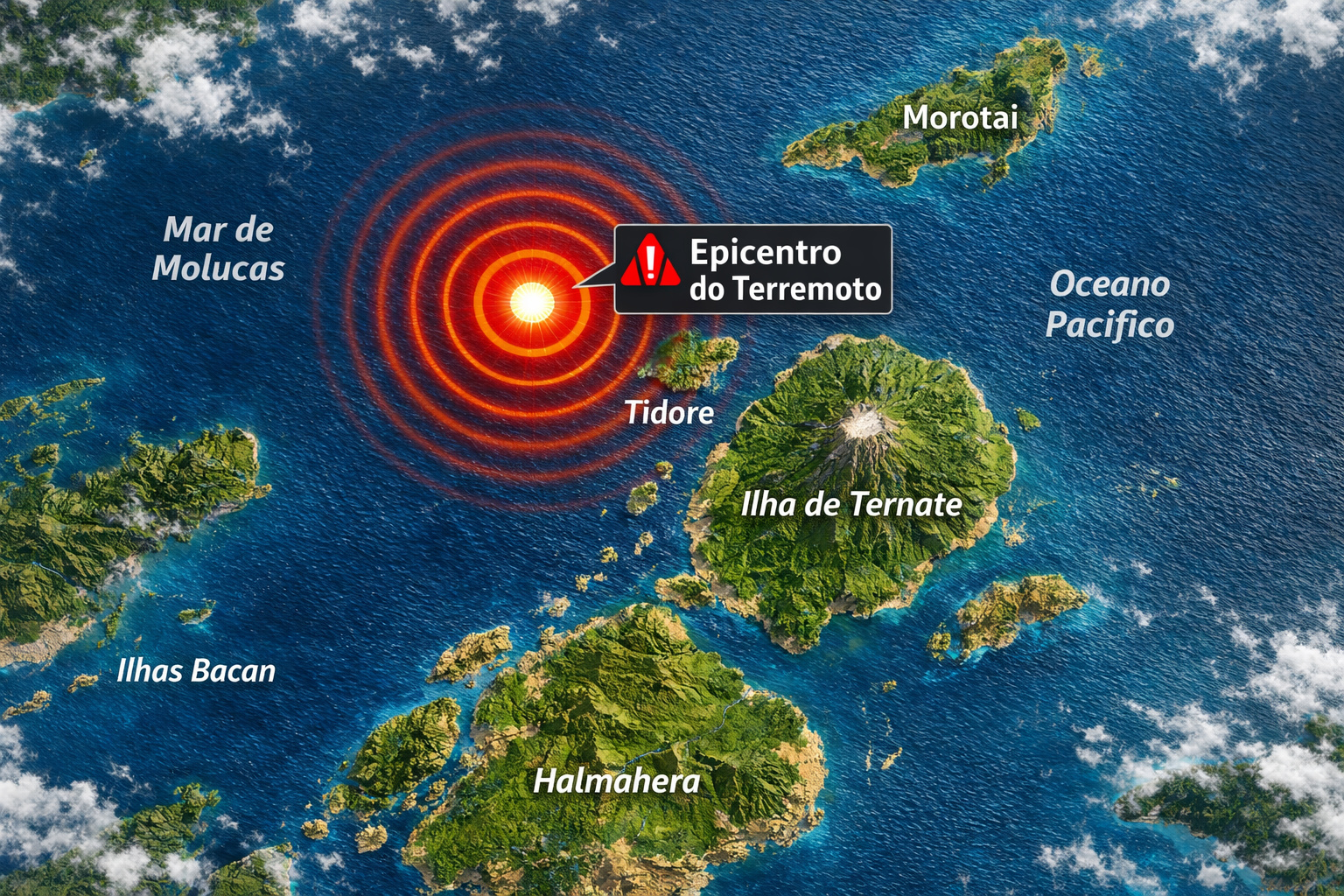
7.8 magnitude earthquake in Indonesia frightens the population, triggers tsunami alert, and hits an island with over 200,000 inhabitants this Thursday.
-
Google will finally let you change that embarrassing Gmail address you created in your teenage years without losing any accounts, logins, or old emails: the feature is already available in the United States.

-
Heading to Brazil in a Bonanza F33 single-engine aircraft: a couple departs from Florida on a visual flight, makes technical stops in the Caribbean to refuel and organize paperwork, and begins the staged crossing until they reach the country.

This liquid border is so vast and defined that it can even be observed from space. On one side, the Rio Negro, with its dark color reminiscent of strong tea, glides slowly. On the other, the Rio Solimões, with its murky appearance, rushes forward, laden with sediments from the Andes Mountains. The official merging of these two rivers gives rise to the majestic Amazon River, whose water volume surpasses the total of the next seven largest rivers on the planet.
Science Explains: Why Don’t the Waters Mix?
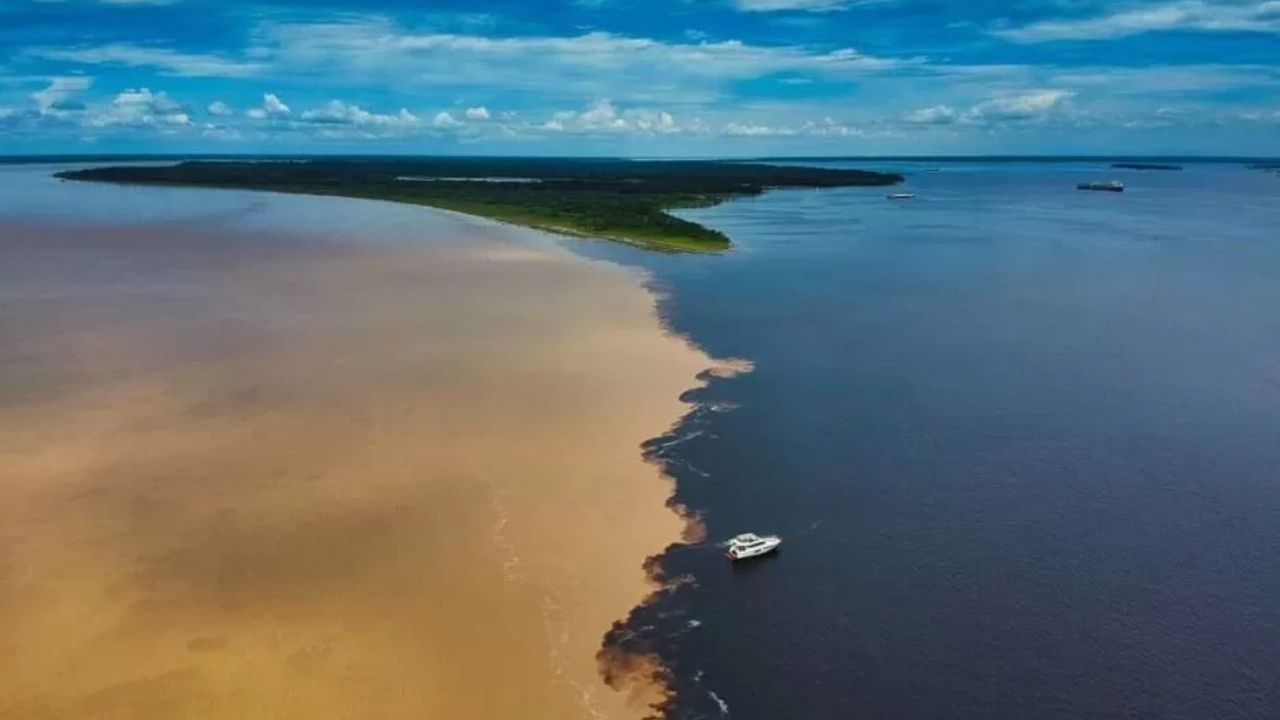
The refusal of the waters to merge immediately is the result of a combination of three main factors. The first is temperature. The Rio Negro, being darker and slower, absorbs more solar heat, reaching an average of 28°C. The Rio Solimões, fed by the melting of the Andes, is considerably cooler, at around 22°C. This difference creates a thermal barrier, as the warmer water (Negro) is less dense and tends to float over the cooler and denser water (Solimões).
The second factor is speed. The Rio Negro flows calmly and steadily, at a speed of 2 to 3 km/h. In contrast, the Rio Solimões is much faster and more turbulent, with a current that varies from 4 to 6 km/h. This disparity causes them to run parallel, like two lanes of a road, minimizing the turbulence that would cause mixing. Finally, the chemical composition is the decisive element. According to data from the Amazônia Portal, the Rio Negro is extremely acidic, with a pH between 3.8 and 4.9, due to the decomposition of organic matter from the forest. The Solimões, in turn, is rich in minerals and has a more neutral pH (between 4.5 and 7.8), creating a chemical barrier that prevents immediate homogenization.
A Sanctuary of Biodiversity in the Amazon
The area of the Meeting of the Waters is much more than a geographical curiosity; it functions as a river ecotone, a vital transition area between two distinct aquatic biomes. The site Sou Amazônia highlights that this environment is a crucial ecosystem for wildlife, supporting unique biodiversity. The adjacent areas, which include flooded forests (igapós) on the Rio Negro side and fertile plains (várzeas) on the Solimões side, create a mosaic of habitats that serves as a sanctuary for iconic species.
This is one of the best spots in the Amazon to see the boto cor de rosa and tucuxi, which patrol the meeting line in search of abundant fish. The region also hosts manatees, caimans, and a vast diversity of birds, all dependent on the health of this complex system. The high nutrient load of the Rio Solimões supports a much richer food chain compared to the nutrient-poor waters of the Rio Negro, making the interface a strategic feeding point for numerous species.
Economic and Cultural Impact: The Engine of Tourism in Manaus
The Meeting of the Waters is one of the pillars of the local economy, established as one of the main postcards of Manaus. According to the portal Vivalá, the phenomenon is a driver of sustainable tourism, boosting the economy and generating income for riverside communities. Tourism activities in the region are diverse, ranging from quick observation tours to full-day itineraries that include visits to local communities, interaction with dolphins, and lunch at floating restaurants.
Beyond its economic value, the phenomenon carries profound cultural significance. In 2010, the National Institute of Historical and Artistic Heritage (IPHAN) designated the Meeting of the Waters as a Cultural Heritage of Immaterial Nature in Brazil, recognizing its uniqueness and importance for Amazonian identity. This natural wonder is present in legends and narratives that reflect the deep connection of forest peoples with the rivers.
Threats to This Natural Heritage
Despite its magnitude, the two-colored river in Brazil faces serious threats. The climate crisis, with extreme events such as the historical drought of 2023, directly impacts the landscape, altering river levels and harming the visual spectacle. The drought also compromises navigability, isolating communities and drastically affecting the income generated by tourism, which relies on water access.
The proximity to Manaus, a growing metropolis, also places pressure on the ecosystem. Urban pollution, improper waste disposal, and deforestation along the banks are ongoing challenges that threaten water quality and the biological integrity of the site. Responsible tourism management is therefore crucial to mitigate negative impacts and ensure the preservation of this heritage for future generations.
A Border That Unites Worlds
The Meeting of the Waters is a living proof of the complexity and interconnection of the Amazon Basin. More than just a tourist attraction, it is a symbol of biodiversity, an economic engine, and a cultural pillar. The clear border that separates the waters of the Rio Negro and the Solimões reminds us of the fragility of ecosystems and the urgency to protect them in the face of global changes. Preserving this phenomenon is not just about caring for a beautiful landscape, but ensuring the balance of a vital system for the planet.
Have you had the chance to see this natural spectacle up close? What are your thoughts on the challenges of preserving the two-colored river in Brazil? Share your experience in the comments!









-

Uma pessoa reagiu a isso.