





 Portuguese
  English
  Spanish
  5 min of reading
  12 comments





Launched in 2015, the 2.8 turbodiesel engine from Toyota became a reference in robustness, efficiency, and durability, gaining space in pickups and SUVs in Brazil and abroad, with reports of impressive mileage.
Launched in 2015 to replace the KD family, the 1GD-FTV of 2.8 liters established itself in Toyota’s pickups and SUVs as a robust, efficient engine ready for heavy use.
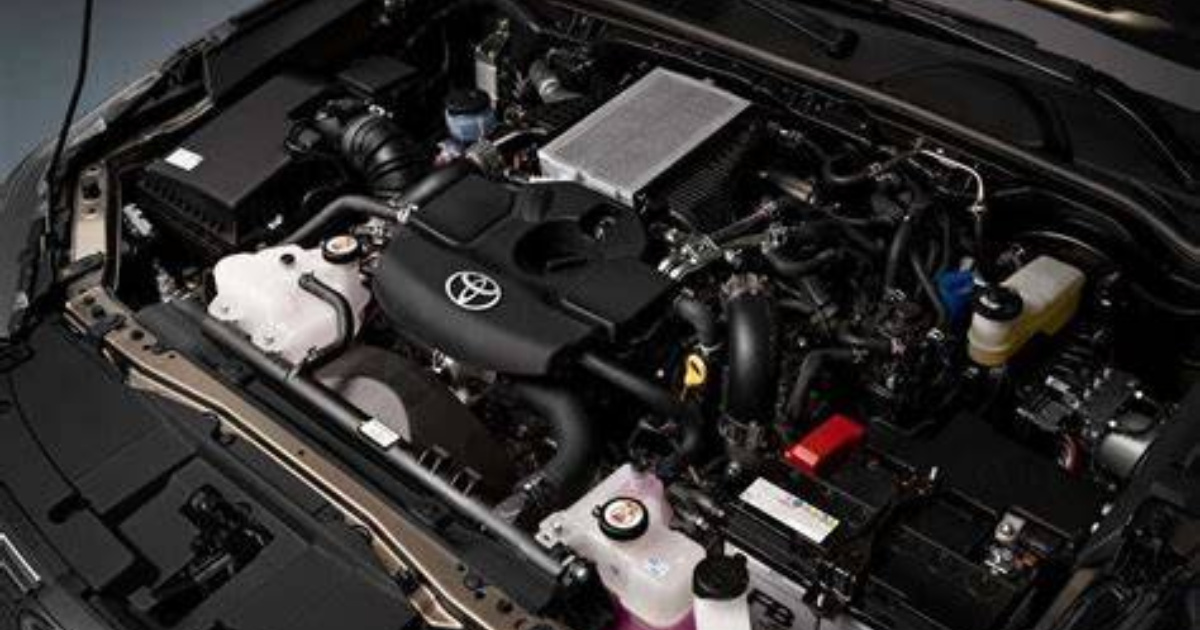
It combines a cast iron block, aluminum cylinder head, common-rail direct injection, and a variable geometry turbo, along with a post-treatment package featuring DPF, SCR, and EGR that meets recent emissions standards.
According to Toyota, the GD series introduced solutions that raised thermal efficiency to up to 44%, a cutting-edge level when it debuted.
-
A French brand placed a car on four huge red balloons to prove that its suspension made the vehicle “float,” and the surreal scene became one of the most iconic and unusual images in automotive history.

-
Jeep Avenger begins production in Brazil, debuting as the brand’s new entry-level SUV and inaugurating an unprecedented phase by becoming the first national Jeep manufactured outside of Goiana, as part of a R$ 3 billion plan.

-
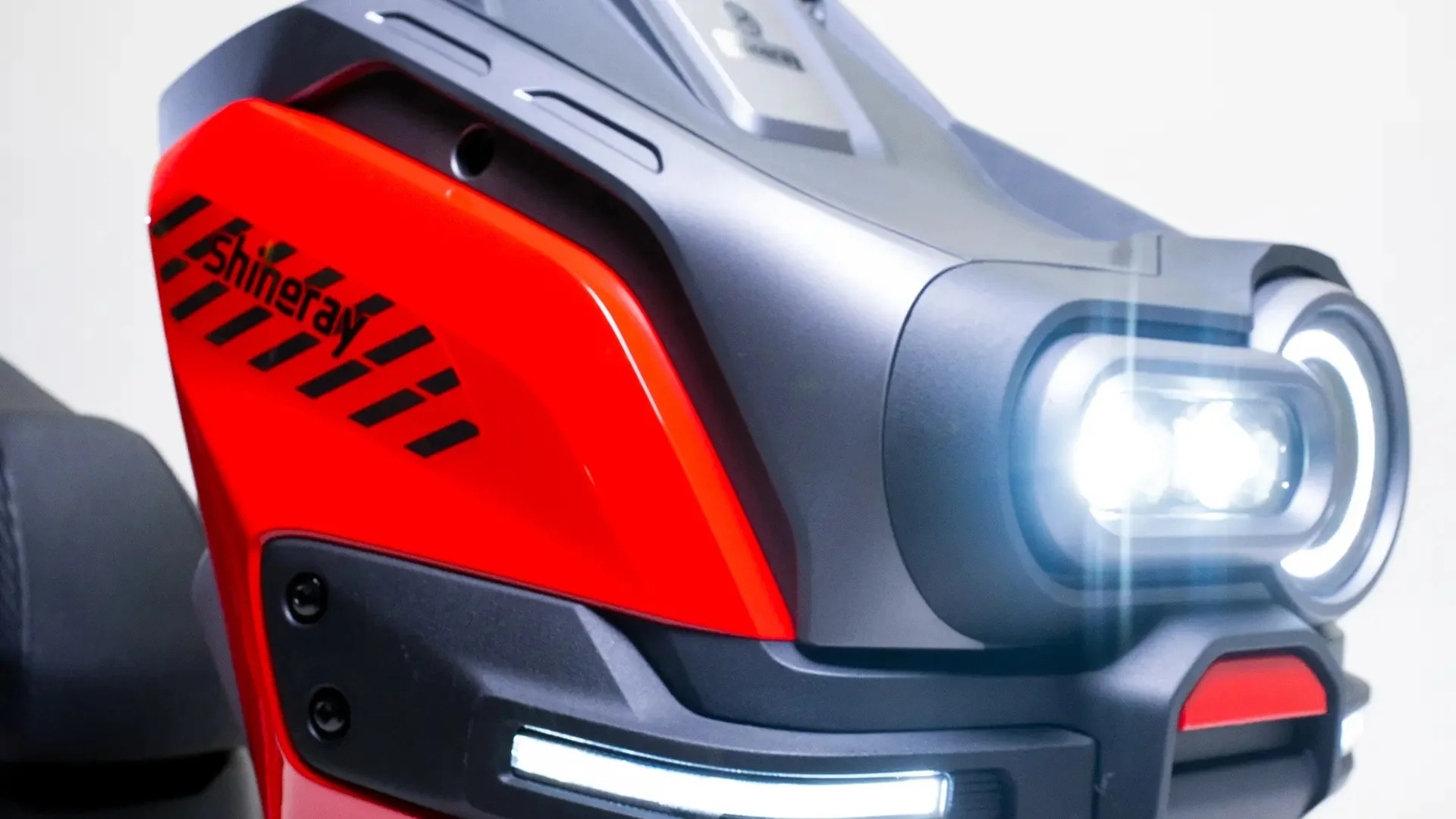
Costing R$ 12,490, the new Shineray Urban Lite 150 “cheap one” arrives in Brazil with a CVT transmission, digital dashboard, and LED lights, making it more affordable than the Biz and targeting those who want to abandon the bus.
-
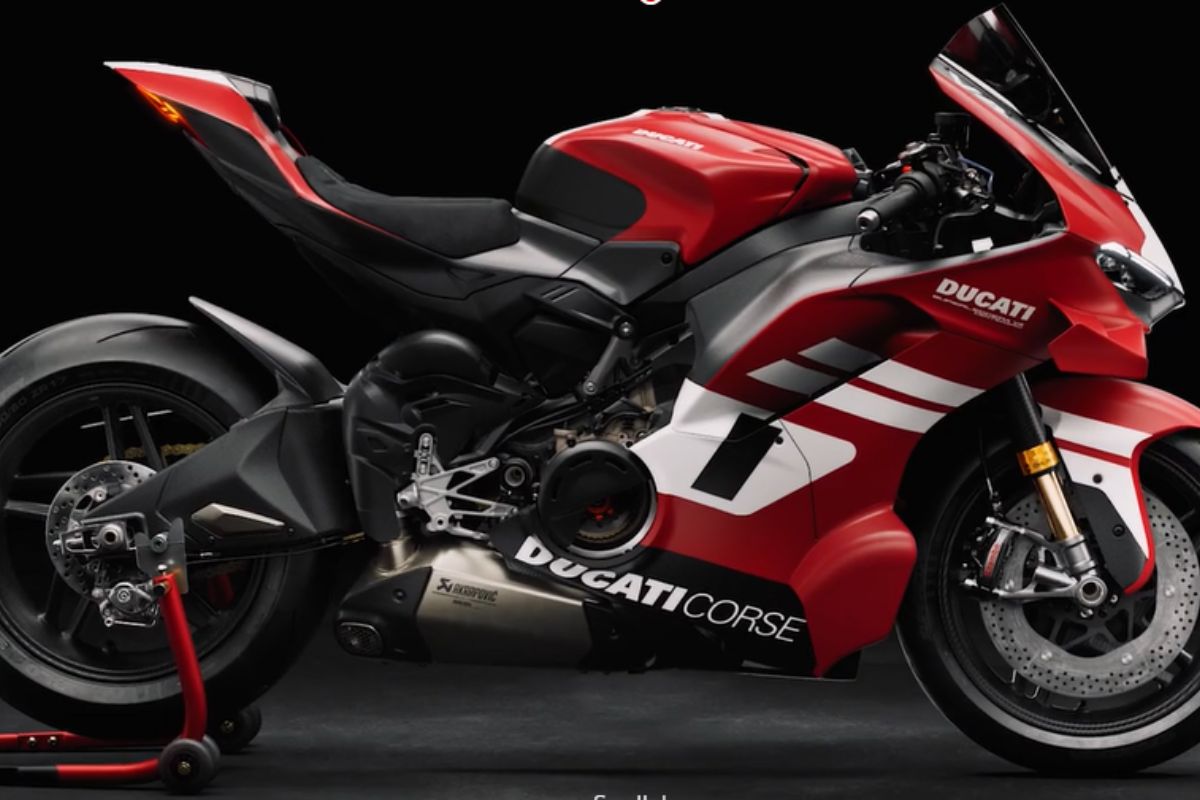
Ducati brings to Brazil the Superleggera V4 Centenario: 228 hp that become 247 with a track kit, carbon fiber and carbon-ceramic brakes, estimated price between R$ 1.5 and 2 million, deliveries only in 2027.
What Makes the 2.8 1GD-FTV So Reliable?
The mechanical base prioritizes durability.
The engine uses chain drive (instead of a belt) for the camshaft, a solution that reduces scheduled interventions and tends to maintain stable timing for long periods of severe use.
The 16-valve DOHC architecture works with VNT (variable geometry turbo) and an intercooler to deliver broad torque from low RPMs.
Another relevant technical point was the combustion package with thermal insulation of the chambers (TSWIN) and adjustments in the piston and intake duct design, which reduced heat losses and increased efficiency.
Toyota reports an increase of up to 25% torque, a 15% improvement in consumption, and a significant reduction in NOx with the use of urea (SCR).
Applications and Numbers in Brazil
In the Brazilian market, the 1GD-FTV powers the Hilux and SW4 (Fortuner) with updated calibrations.
In the Hilux line, the official technical sheet reports 204 hp at 3,400 RPM and 50.9 kgfm (approximately 500 Nm) in the automatic versions.
The same assembly is found in the SW4, with identical power and torque specifications.
Since 2020, markets such as Europe and Australia received the evolution of the 2.8 with 150 kW/204 hp and 500 Nm (in the automatic versions), a change that also reached sports configurations and other applications from the brand.
These adjustments improved acceleration response and increased towing capacity in various countries.
High Mileage Cases
Despite being relatively recent, there are consistent reports of units with over 200 thousand km and cases close to or exceeding 500 thousand km, generally linked to timely maintenance and use on highways.
In owner communities and forums, users mention 300–400 thousand km without major interventions, with occasional observations about emissions systems and sporadic noises in the chain.
These testimonies are anecdotal and vary according to usage conditions and fuel.
Mapped Points of Attention
Like all modern turbodiesels with post-treatment, the 1GD-FTV requires attention to DPF regenerations and the quality of diesel S10.
In Australia, Hilux, Fortuner, and Prado vehicles manufactured between October 2015 and April 2020 were the subject of a class action regarding the DPF system.
In November 2024, the High Court of Australia confirmed customers’ right to compensation for decreased value resulting from a defect in the DPF of these vehicles.
The action is still in the phase of determining damages and payment procedures.
It is worth noting that Toyota began adopting technical countermeasures from 2020.
This history does not invalidate the robustness of the assembly but reinforces the need to keep up with maintenance, maintain updated software, and avoid repeated short trips, which can hinder filter regeneration.
With proper use and correct maintenance, reports of anomalies significantly decrease in models produced after the corrections.

Maintenance: What Really Makes a Difference
The central recommendation is to adhere to the Toyota maintenance schedule.
In Brazil, periodic maintenance has an interval of 12 months or 10,000 km, whichever comes first.
Adhering to this schedule is a condition for preserving the “Toyota 10” extended warranty, as well as keeping the engine within emissions and performance parameters.
Oil and filter changes according to the manufacturer’s specifications, checking the condition of the fuel filter within the local maintenance plan, and diagnostic inspections on the intake/EGR/DPF system help prevent blockages and protect the fuel injectors.
In regions with irregular fuel quality, workshops report benefits in shortening filter intervals — a decision that should be made on a case-by-case basis, based on diagnosis and the manual applicable to your vehicle.
For the timing chain set, there is no predefined periodic replacement; the guidance is to monitor atypical noises and timing parameters during maintenance, as this is a system designed for long durability.
In practice, owner reports indicate inspections around higher mileages, especially under severe use, but without the need for preventive replacement when there are no symptoms.
Performance and Efficiency: Why Does the 2.8 “Endure”?
From a design perspective, the 1GD-FTV balances power density and thermal load.
The efficiency of up to 44% came from combustion solutions and reduced losses, while the VNT ensures broad torque for load and towing without operating outside the thermal comfort zone.
In current calibrations, the 204 hp and 500 Nm handle urban, highway, and off-road use with reserves, which helps explain why so many units accumulate high mileage while maintaining consumption and emissions within standards.
Meanwhile, the electronic advancements from 2020 onwards — which adjusted injection pressures, EGR strategies, and turbo management — brought quicker responses and better thermal control under load, with a direct impact on durability perceived in fleets and recreational use.
In Which Models Is It?
Globally, the 1GD-FTV appears in Hilux, Fortuner (SW4), and Land Cruiser Prado, among other applications.
In Brazil, the engine powers the Hilux and SW4, both with 204 hp.
Abroad, there are versions that reach 150 kW/204 hp and 500 Nm, and in specific GR Sport configurations, 224 hp and 550 Nm.
This variety demonstrates engineering margin and contributes to the “unbreakable” appeal in work and leisure routines.
Given such a significant technical history — chain in command, high efficiency, mature calibration, and clear maintenance — the question that remains for the reader is: how would you take care of your 2.8 to see it reach (or exceed) 500 thousand km?









Quase acreditei…😗🤪🤪🤪… Vou continuar com a minha Hilux 2015 3.0 D4D TDI mesmo…
Mentirada motor que não aguenta ****, tivemos várias camionete a diesel rodando severamente único que aguenta **** de verdade MWM, até o antigo perk barulhento da menos manutenção que o da hilux.
Eu já tive 8 desde 2005 andando 100 mil km com cada uma no asfalto,no cerrado e no pantanal e nunca quebrou nada comigo,já tive desde F1000 até S10 com MWM e são bons também,mas as outras pickups desmancham
Tenho uma hilux 3.0 2013, uso severo, 270 mil rodados, nada reclamar