





 Portuguese
  English
  Spanish
  3 min of reading
  0 comments


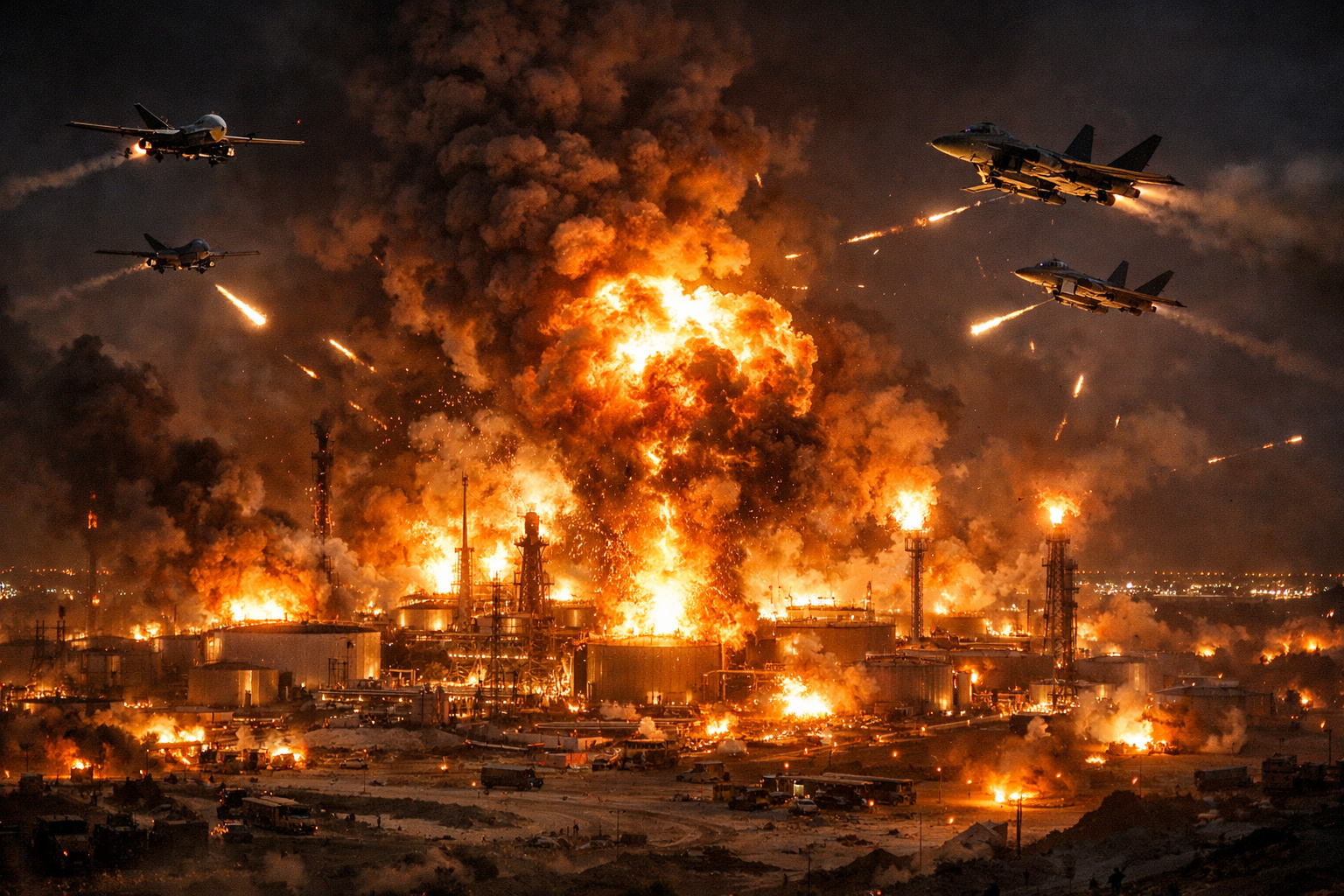
Conflict intensifies after strategic attack hits vital Iranian energy infrastructure, elevating risk of international crisis and impact on global oil
The escalation of tension in the global geopolitical landscape gained a new and concerning chapter this Tuesday, the 7th, when the United States conducted a large-scale airstrike against Kharg Island in Iran. The location, considered the main center for Iranian oil exports, was targeted in an offensive that destroyed around 50 strategic military targets, exacerbating the atmosphere of international instability.
The information was reported by “Oeste,” according to a report by Erich Mafra, detailing the military operation occurring amid one of the most delicate moments in relations between Washington and Tehran.
Furthermore, this bombing marks the second time that U.S. forces have struck the island since the onset of hostilities, highlighting a clear strategy of pressure on the Iranian regime. Consequently, experts are already indicating that the impact may extend beyond the military realm, directly affecting the global oil market and energy supply chains.
-
Eurasia Group, a group that has accurately identified the biggest geopolitical risks of the last 20 years, issues a new warning and states that the greatest danger of 2026 does not come from China or Russia, but from within the United States itself, and that the world’s greatest power is dismantling the global order it created on its own.
-
Analysts monitoring global risks since 2017 warn that water is becoming a geopolitical weapon, half of humanity already lives under water stress, India has suspended its treaty with Pakistan, Ethiopia is operating a dam on the Nile without an agreement, and Turkey has already reduced the flow of the Euphrates by up to 90%.
-
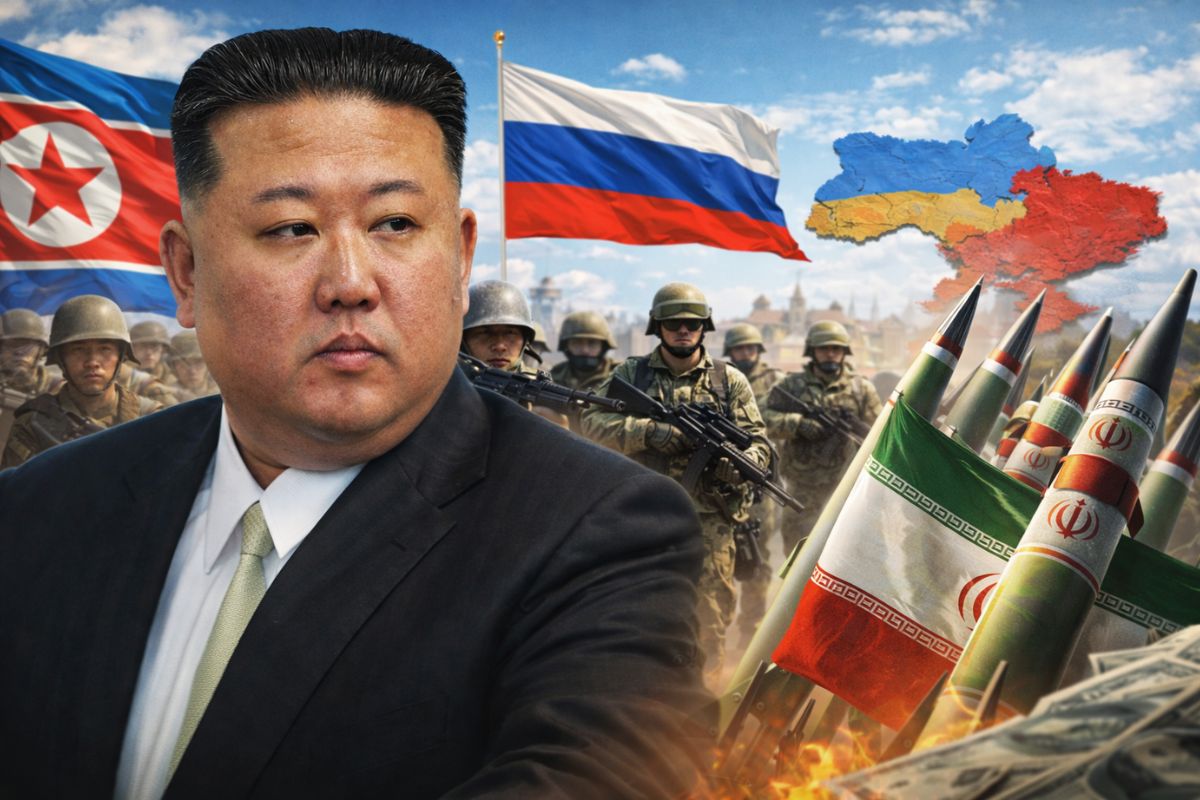
Kim Jong-un sends troops to fight alongside Russia in Ukraine but refuses to send weapons to Iran: North Korea’s risky strategy to please the United States without breaking ties with its old allies.
-
Trump says “An entire civilization will die tonight, never to return” while threatening Iran after more than 50 attacks on the country’s main oil terminal.
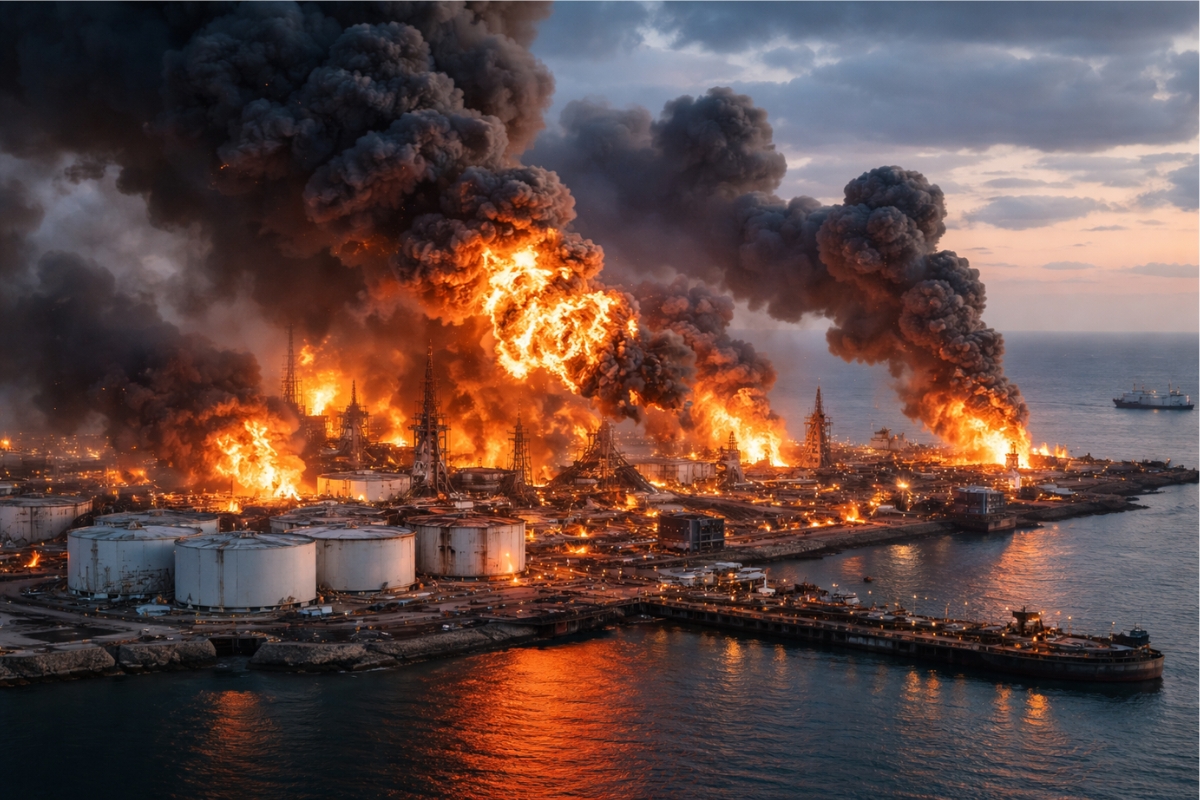
Trump’s ultimatum increases tension and generates immediate international reaction
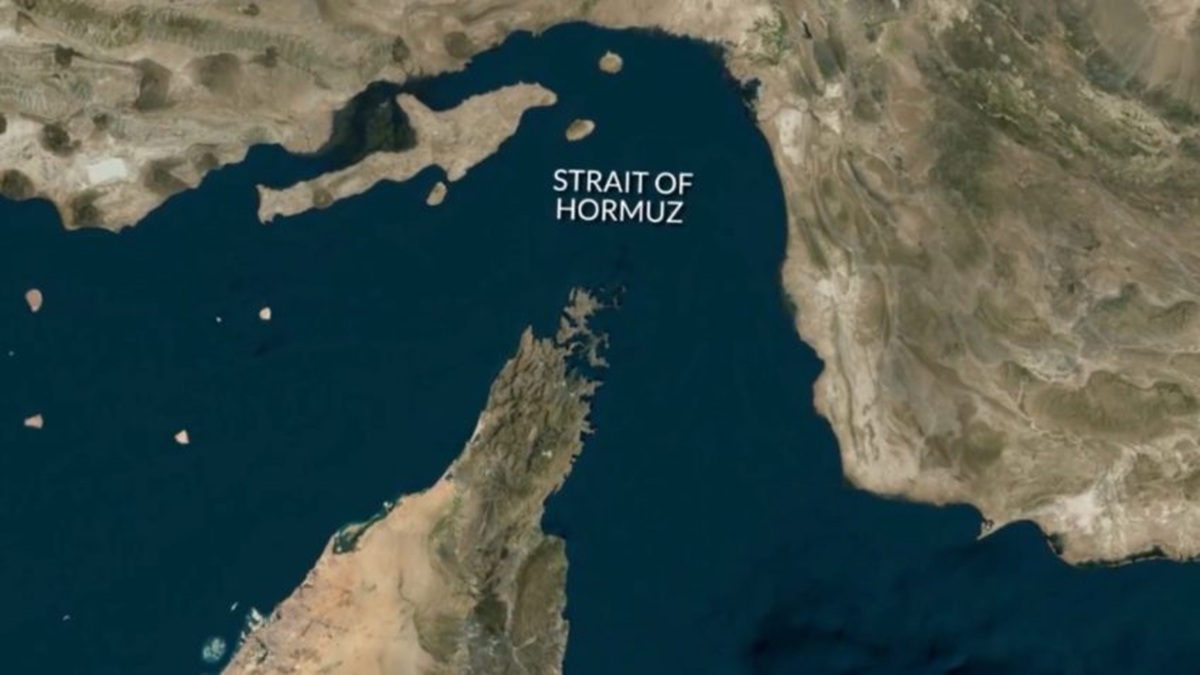
Meanwhile, the attack occurred just hours before the deadline set by former U.S. President Donald Trump. The American leader had demanded that Iran allow the passage of ships through the strategic Strait of Hormuz by 9 PM (Brasília time), one of the most important maritime routes for oil transportation in the world.
During a conversation with Hungarian Prime Minister Viktor Orbán, U.S. Vice President JD Vance confirmed the operation and emphasized that the offensive does not alter Washington’s strategic plans. In other words, the attack is part of a coordinated response within a larger plan of diplomatic and military pressure.
On the other hand, Donald Trump further escalated the rhetoric by threatening massive retaliation if Iran fails to comply with the ultimatum. Among the measures mentioned is the complete destruction of power plants and bridges on Iranian territory — a statement that generated strong international repercussions.
In light of this situation, the United Nations (UN) reacted strongly. The organization stated that direct attacks on civilian infrastructure could be considered war crimes, in addition to violating fundamental norms of international law. Therefore, there is growing fear that the situation could spiral out of control quickly.
Iran responds with civil mobilization and controversial strategy using human shields
In response to the offensive, the Iranian government adopted emergency and controversial measures. According to information from Fox News, the Supreme Youth Council called on students, athletes, and artists to form human chains around power plants in an attempt to prevent further attacks.
This strategy, however, raises serious concerns. This is because the use of civilians as human shields has been previously employed by Iran, especially in the protection of nuclear facilities. Nevertheless, international organizations warn that this practice exposes the population to extreme risks.
Additionally, the Revolutionary Guard intensified its actions. A general from the group even encouraged parents to send their children to reinforce checkpoints — locations that often become targets of American missiles. In this way, the crisis takes on an even more sensitive dimension, directly involving the civilian population.
Meanwhile, global leaders are calling for caution. New Zealand Prime Minister Christopher Luxon deemed any attack on essential structures for the population, such as water reservoirs, unacceptable. Thus, international pressure is mounting for a diplomatic solution before the conflict escalates to even more severe proportions.
In light of the recent surge in oil prices, which have already surpassed $100 per barrel driven by tensions in the Middle East and OPEC+ cuts, do you believe this conflict could push prices to even higher levels and trigger a deeper global economic crisis?





Seja o primeiro a reagir!