





 Portuguese
  English
  Spanish
  5 min of reading
  0 comments


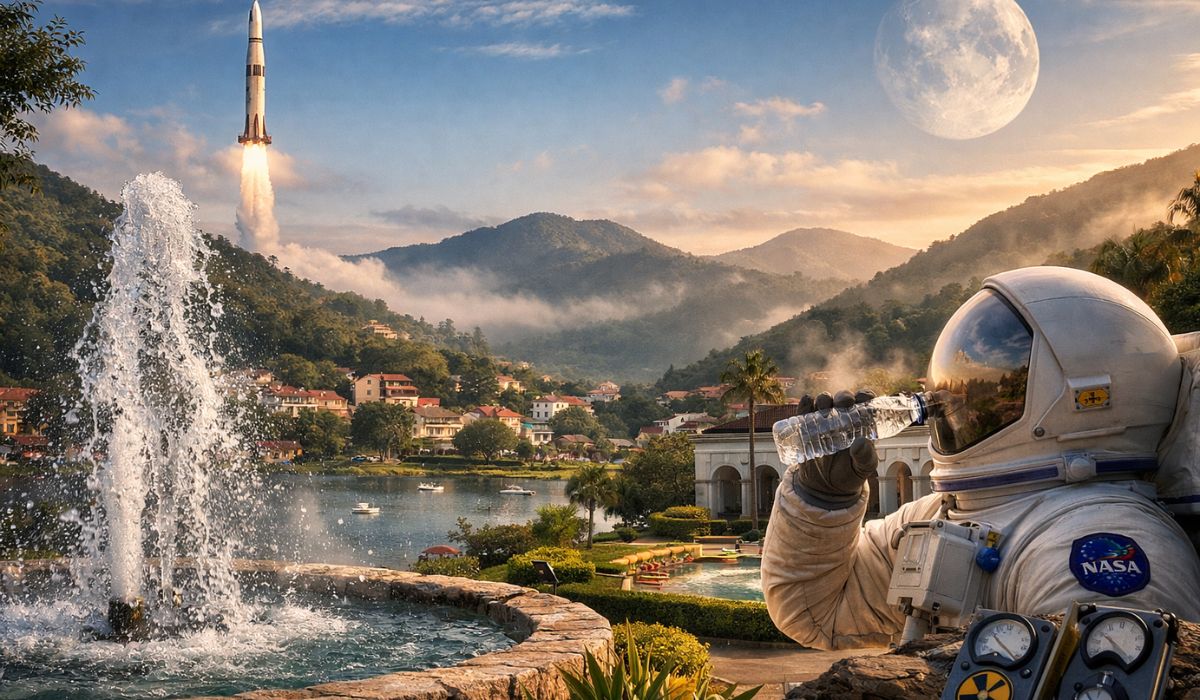
Between the history of the space race, the passage of Marie Curie, and social indicators, Águas de Lindóia brings together elements that keep the city at the center of a rare narrative in the interior of São Paulo.
Águas de Lindóia, in the interior of São Paulo, brings together an altitude of 945 meters in the Serra da Mantiqueira, hydro-mineral tradition, and social indicators that place it among the municipalities with good results in areas such as education and sanitation.
The city, which had 17,930 inhabitants in the 2022 Census, is also known for a document preserved in the Municipal Spa.
This is an invoice dated April 2, 1969 that records the shipment of 1,200 bottles of mineral water, equivalent to 600 liters, for a “U.S. M. Mission,” sent to then Cape Kennedy, in Florida.
-
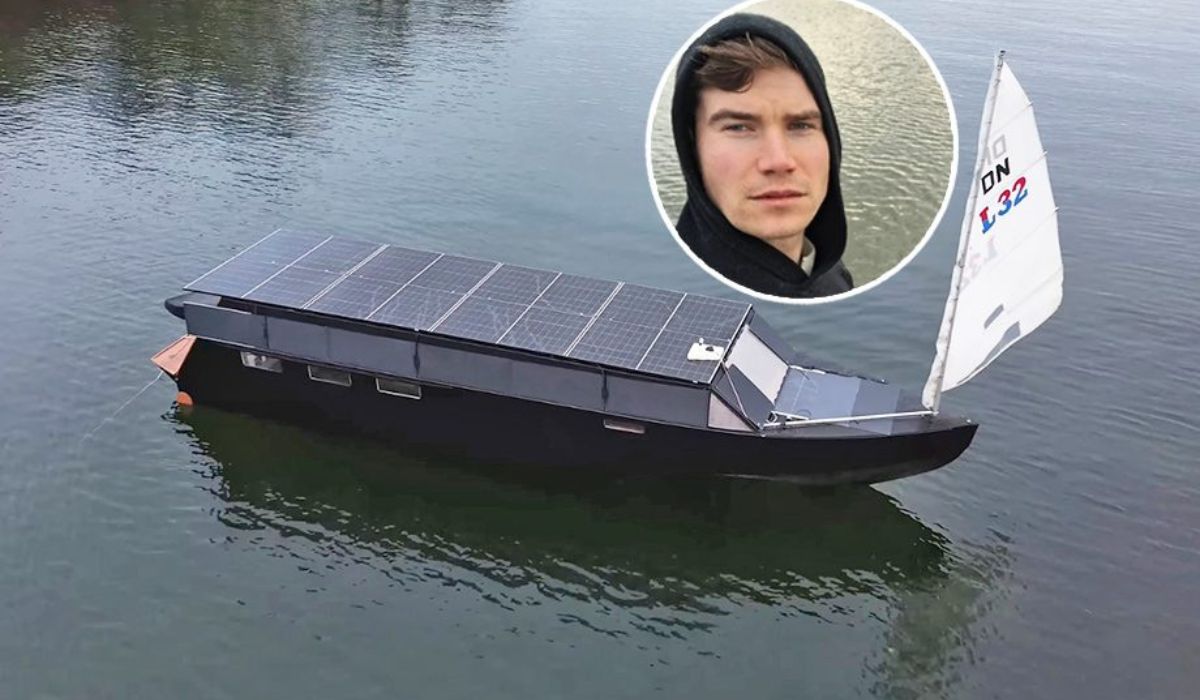
In 200 days, a Finnish man builds with his own hands an 11-meter boat powered by solar energy with “infinite autonomy,” capable of dispensing with refueling and already used as a floating house.
-
Neurologist Richard Restak issues a severe warning to all people over 65: there is a daily habit he recommends completely eliminating from your life because it is destroying your neurons and accelerating memory loss.

-
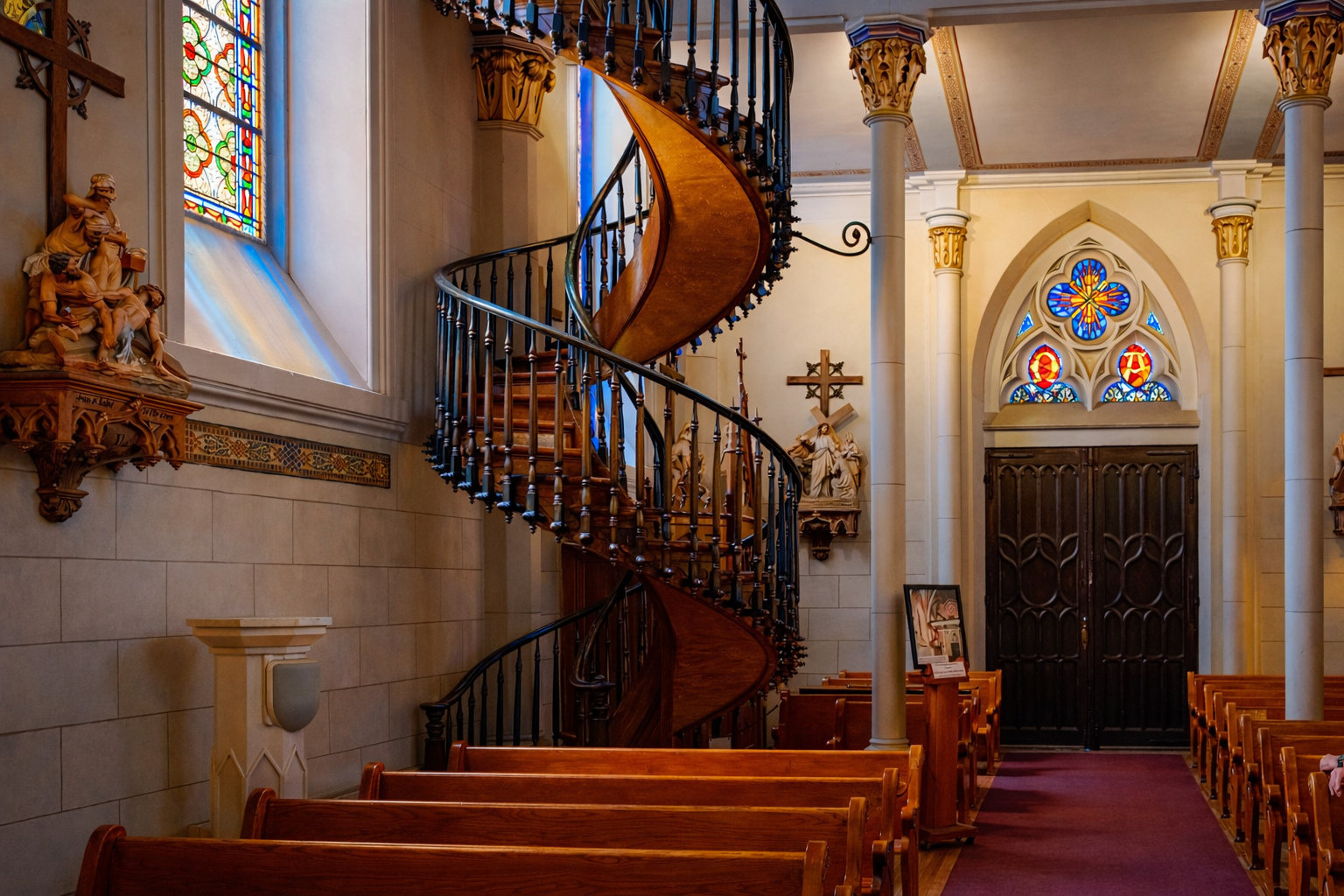
With 6.1 meters and 33 steps, the spiral staircase of the Loretto Chapel in the United States gained fame worldwide for making two complete 360-degree turns without a central support.
-
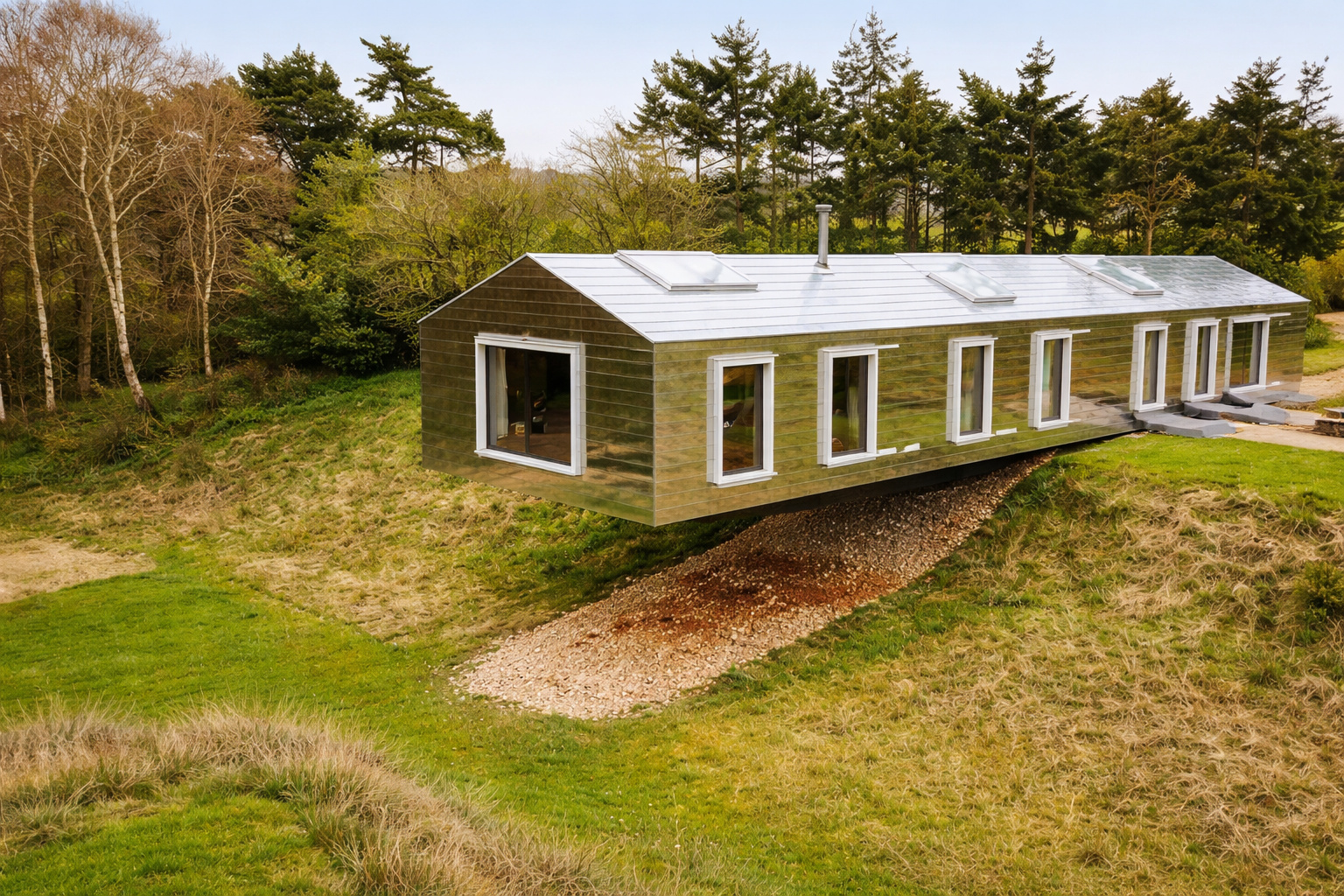
With 30 meters in length, a house in England appears to float in the air and surprises engineers and architects around the world due to its visual effect and construction method suspended over sloped terrain.

This record supports the association made in the city with the Apollo 11 mission.
However, there is no public confirmation that the water was consumed by the astronauts during the trip to the Moon, which keeps the information in the realm of possibility, rather than documented certainty.
In addition to the episode linked to the space race, the municipality presents official indicators that are often used to measure quality of life.
The IBGE panel reports an education rate of 99.56% among children and adolescents aged 6 to 14 years and an IDHM of 0.745, classified as high.
In the 2025 edition of the ABES Ranking of Universalization of Sanitation, prepared based on official data from the National System of Information on Basic Sanitation, Águas de Lindóia appears in the maximum performance range among the evaluated municipalities.
Mineral Water and Apollo 11
The relationship between the city’s mineral water and Apollo 11 has been mentioned for decades in institutional materials and local accounts.
The central element of this narrative is the invoice displayed in the spa, which proves the shipment of the product to the United States months before the mission that took man to the Moon.
According to the tradition maintained in the municipality, the choice would have occurred due to the physical-chemical characteristics of the water, including low acidity and rapid absorption by the body.
This point, however, appears in historical records and promotional materials of the city and the brand, without confirmation found in public NASA documentation.

Thus, what is securely documented is the sale and shipment of the mineral water.
However, the information that the product was actually consumed by the astronauts has not been confirmed in a publicly found source with certainty.
Marie Curie and the Springs of Águas de Lindóia
Long before the 1969 episode, Águas de Lindóia was already featured in records related to the therapeutic use of mineral waters.
In August 1926, Marie Curie visited the city at the invitation of physician Francisco Tozzi, a name linked to the formation of the hydro-mineral resort.
Records from the Regional Council of Chemistry of São Paulo indicate that the scientist visited the springs due to the scientific interest aroused by the radioactive waters.
The material also mentions the index of 3,179 maches as a measure of the natural radioactivity attributed to the local water.
This type of parameter was part of a scientific and therapeutic context of the early 20th century, when research on radioactivity and medical applications was attracting international interest.
Curie’s visit, for this reason, became a significant part of the historical memory of the city.
On the Circuito das Águas Paulista website, Águas de Lindóia is described as “one of the most important hydroclimatic centers in the world”, a definition used by the region’s tourism promotion entities to situate the municipality’s importance in the hydro-mineral segment.
The memory of Curie’s passage remains present in recent actions.
The Federal University of Paraná inaugurated on May 31, 2024, at the Municipal Spa, the exhibition “Marie Curie was here,” part of the preparatory initiatives for the centenary of the scientist’s visit to Brazil, scheduled for 2026.
According to the Brazilian Society of Physics, the programming linked to this historical milestone extends until the end of 2026.
Quality of Life and Social Indicators in the Interior of São Paulo
The available data also helps explain why Águas de Lindóia is often associated with well-being and quality of life.
The municipality is small and is part of the group of hydro-mineral resorts in São Paulo, an official category linked to tourism activity and the use of mineral waters.
According to IBGE, the city had 17,930 residents in the 2022 Census and an estimate of 18,257 inhabitants in 2025.

The altitude of 945 meters and the location in the Serra da Mantiqueira are also characteristics frequently mentioned by tourism agencies and the municipal administration when describing the local climate.
In the State of São Paulo, the status of hydro-mineral resort is one of the elements that structure the municipality’s identity.
This framework helps to understand the centrality of the spa, green areas, and leisure spaces in the urban and tourist dynamics of the city.
Municipal Spa, Square, and Lookouts of the Mantiqueira
Among the most well-known points is the Municipal Spa, which offers more than 30 services, such as immersion baths, showers, massages, inhalation, and pools with mineral water.
The space maintains the tradition of tourism focused on the therapeutic use of the waters.
The Adhemar de Barros Square concentrates an important part of the circulation of residents and visitors.
Designed by Roberto Burle Marx, the area features a lake, gardens, bridges, and pedal boats, in addition to hosting leisure activities and events at different times of the year.
In the surroundings of the center, the hills and lookouts enhance the tourist offering linked to the landscape of the Mantiqueira.
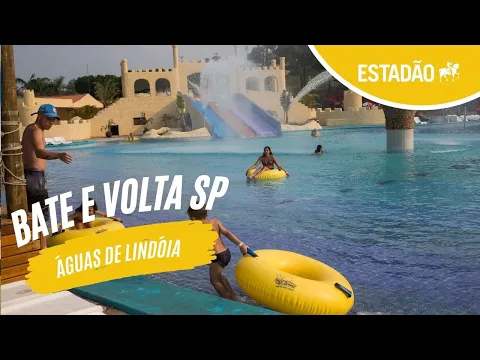

The Cruzeiro Hill is sought after for its panoramic view of the city, while the Pelado Hill, at 1,400 meters altitude, is among the points used for trails, contemplation, and adventure activities, according to the municipality’s tourist materials.
Thus, the city combines historical memory, tourist activity based on mineral waters, and social indicators that help sustain its regional projection.
The story of the shipment sent to the United States in 1969 remains one of the most well-known episodes of this trajectory, although without public confirmation of use in Apollo 11.
At the same time, the presence of records about Marie Curie’s visit, the structure of the spa, and the official data on education, population, and sanitation keep Águas de Lindóia prominent among the destinations of the Circuito das Águas Paulista.




Seja o primeiro a reagir!