





 Portuguese
  English
  Spanish
  3 min of reading
  1 comment


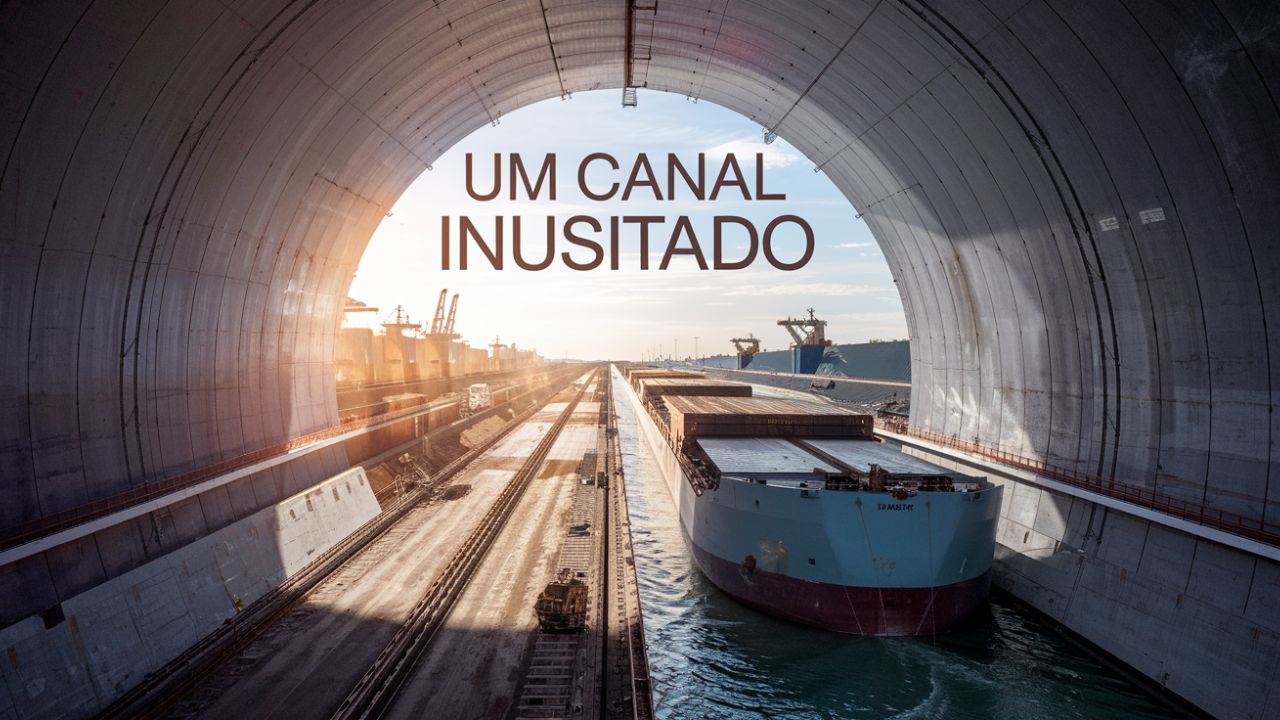


With 1.6 Km in Length, the World’s First Ship Tunnel Will Be Excavated in a Mountain in Norway, Diverting Deadly Waters and Promising to Revolutionize Maritime Trade by 2030.
The Stad Ship Tunnel, located on the Stad Peninsula in Norway, promises to be the solution to one of the most dangerous maritime routes in the world. After years of waiting and an impressive budget of €308 million, the ship tunnel is finally back on track. And that’s not all: it is set to start soon, marking a new chapter in the history of engineering and maritime trade.
Why Is the Ship Tunnel Necessary?
The Stad Peninsula in Norway, is known for its extreme weather conditions. Strong winds, treacherous currents, and giant waves make this region a true nightmare for sailors. Small boats often need to be pulled from the water and transported overland to avoid fatal accidents.
These adverse conditions are not just inconvenient; they have caused tragedies over the decades. Many sailors have lost their lives in these waters, and maritime trade suffers from constant delays. Imagine commercial ships waiting days in port for a safe “window” to navigate – this has a significant impact on the economy.
-
The lack of welders, electricians, and operators becomes a structural threat in 2025, with the construction industry and manufacturing already suffering from delays, cost pressures, and labor shortages in Brazil.

-
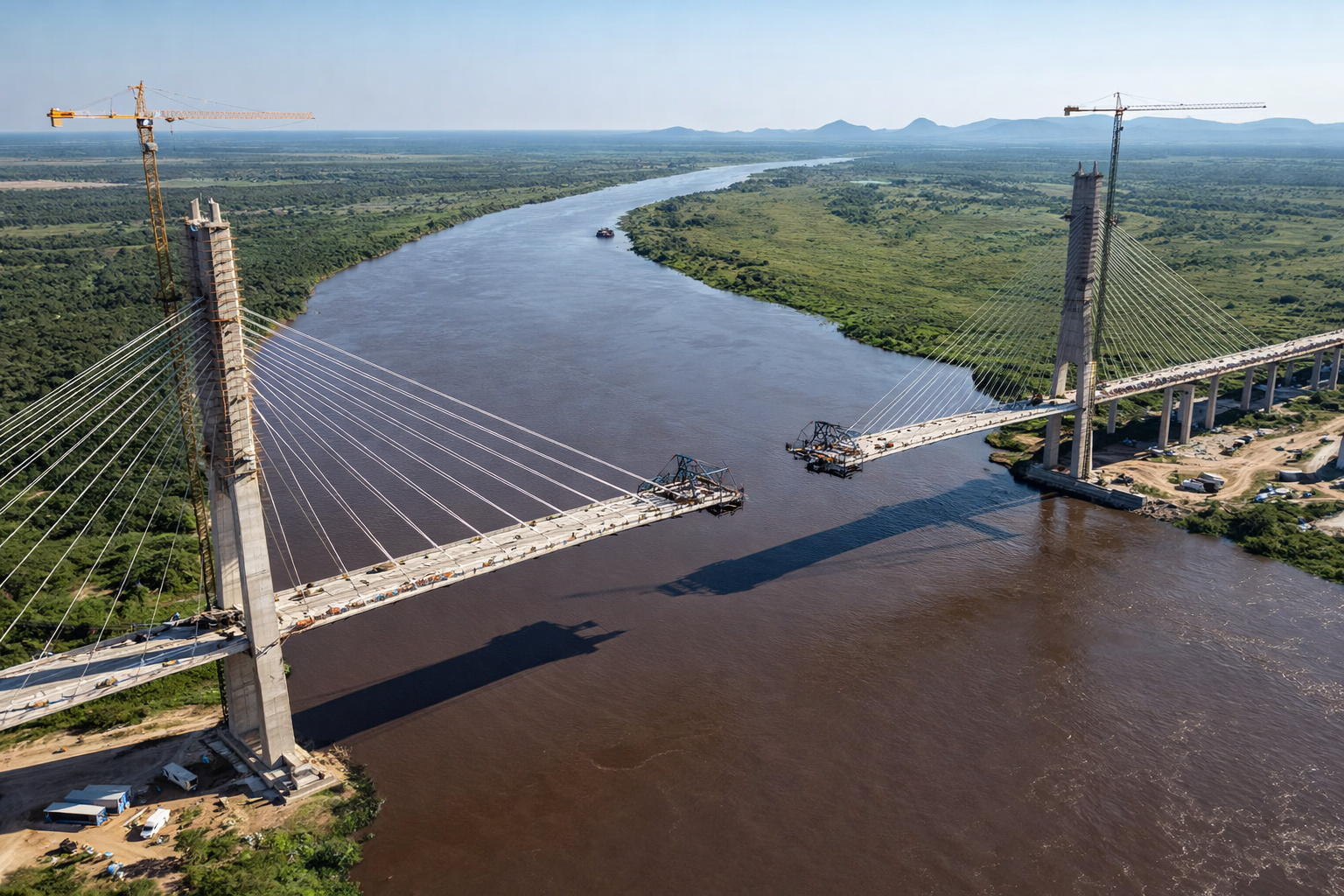
Brazil and Paraguay are just 46 meters away from a historic union on the bioceanic bridge that promises to revolutionize trade between the Atlantic and the Pacific.
-
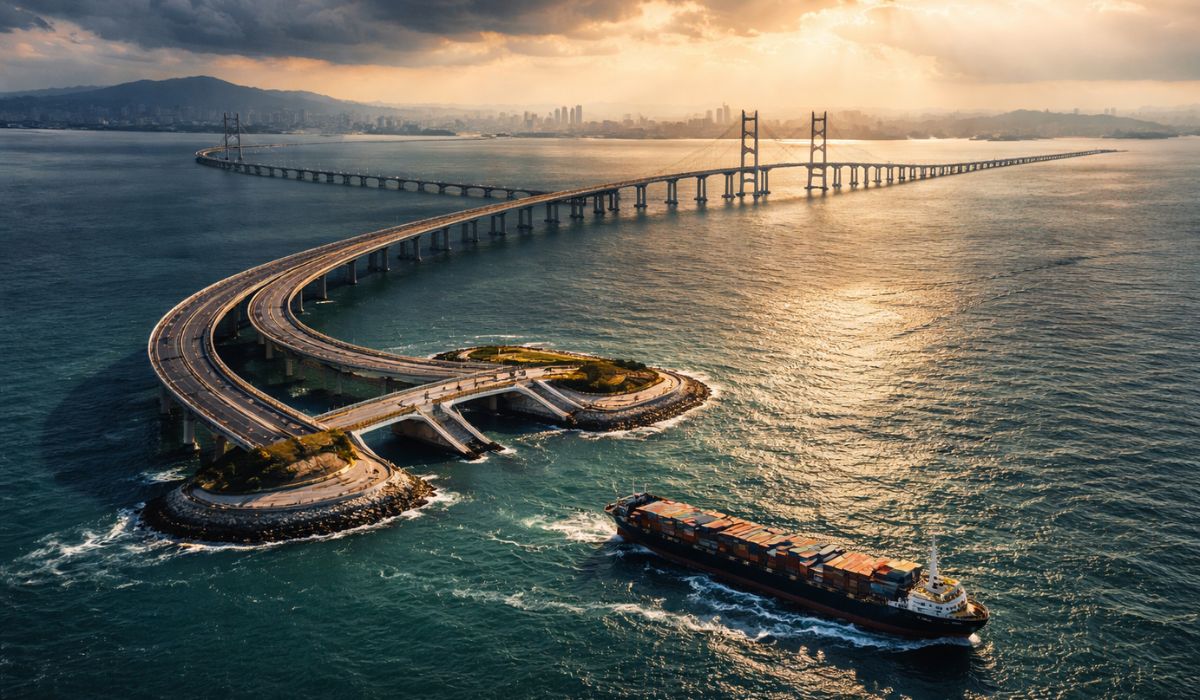
With 55 km over the sea, a cost of US$ 20 billion, and enough steel to build 60 Eiffel Towers, China’s largest project has connected Hong Kong, Zhuhai, and Macau in a colossal bridge that defies the logic of engineering.
-
A trick with joint compound transforms a Styrofoam ceiling into a plaster-like ceiling: leveled panels, wires and mesh at the joints, sand, paint, and change the environment while spending little today.


How Will the Stad Ship Tunnel Be Built?

The 1.6 km tunnel will be excavated directly through the peninsula. To make way, about three million cubic meters of rock will be removed, something comparable to sculpting an entire mountain!
The access to the tunnel will be controlled by traffic lights, and the ships will follow a speed limit of five knots. Just like at airports, there will be a Vessel Traffic Control system to organize the flow. This combination of technology and planning ensures safety and efficiency.
Expected Impacts of the Ship Tunnel
The main advantage of the tunnel is safety. It promises to eliminate the fear of sailors and drastically reduce the risk of accidents. Maritime trade will benefit from the elimination of delays, bolstering the local and global economy.
It’s not just functionality that makes the Stad Tunnel special. It also promises to be a world-renowned tourist attraction. Imagine tourists traveling from afar to experience the unique thrill of navigating through the world’s first full-size ship tunnel!
When Will the Ship Tunnel Be Completed?
Construction is set to begin in 2025 and is expected to take four to six years to complete. If all goes well, the tunnel will be operational in 2030. However, large projects like this always face challenges, whether from technical complexity or unpredictable weather conditions.
Comparison with Other Megaprojects Around the World
While Norway is working on the Stad tunnel, China is building the world’s largest road tunnel, the Tianshan Shengli. With a length of 21 km, it will cross the Tianshan Mountains, reducing travel time from hours to minutes. Both projects represent the innovation in infrastructure that is shaping our future.
Source: https://www.thesun.co.uk/news/32929998/worlds-first-ship-tunnel-norway/









SE VALE A PENA O GASTO SERÁ BOM.