





 Portuguese
  English
  Spanish
  4 min of reading
  0 comments



Discover The Trajectory, Impressive Scale of Operations, and Strategies of Walmart, The Company That Established Itself As The Largest Private Employer in The World, Generating Colossal Sales Volumes in Dozens of Countries.
Walmart Inc. represents a monumental force in retail and the global economy. Recognized as the largest private employer in the world, the American company has a profound impact on the communities where it operates, global supply chains, and consumption trends. Since its founding, it has transformed from a single discount store into a giant with multifaceted operations.
This article explores Walmart’s complex operation, detailing its history, the impressive scale of its activities, its distinctive business model, and its strategies for the future, always based on the information provided about this market leader.
The Monumental Force of Walmart and Its Global Impact
Walmart Inc. (NYSE: WMT) is an undisputed powerhouse in the global retail sector. Its influence extends beyond the shelves, directly impacting the world economy. The company holds the title of largest private employer in the world, a fact that underscores its vast operation and responsibility. An analysis of its trajectory and structure reveals a complex and constantly evolving organization.
-
The Argentine government celebrates the lowest poverty rate in 7 years, but experts warn that the methodology has changed, real wages have fallen, unemployment has risen, and the number of people on the streets of Buenos Aires has increased by 57% since Milei took office.

-
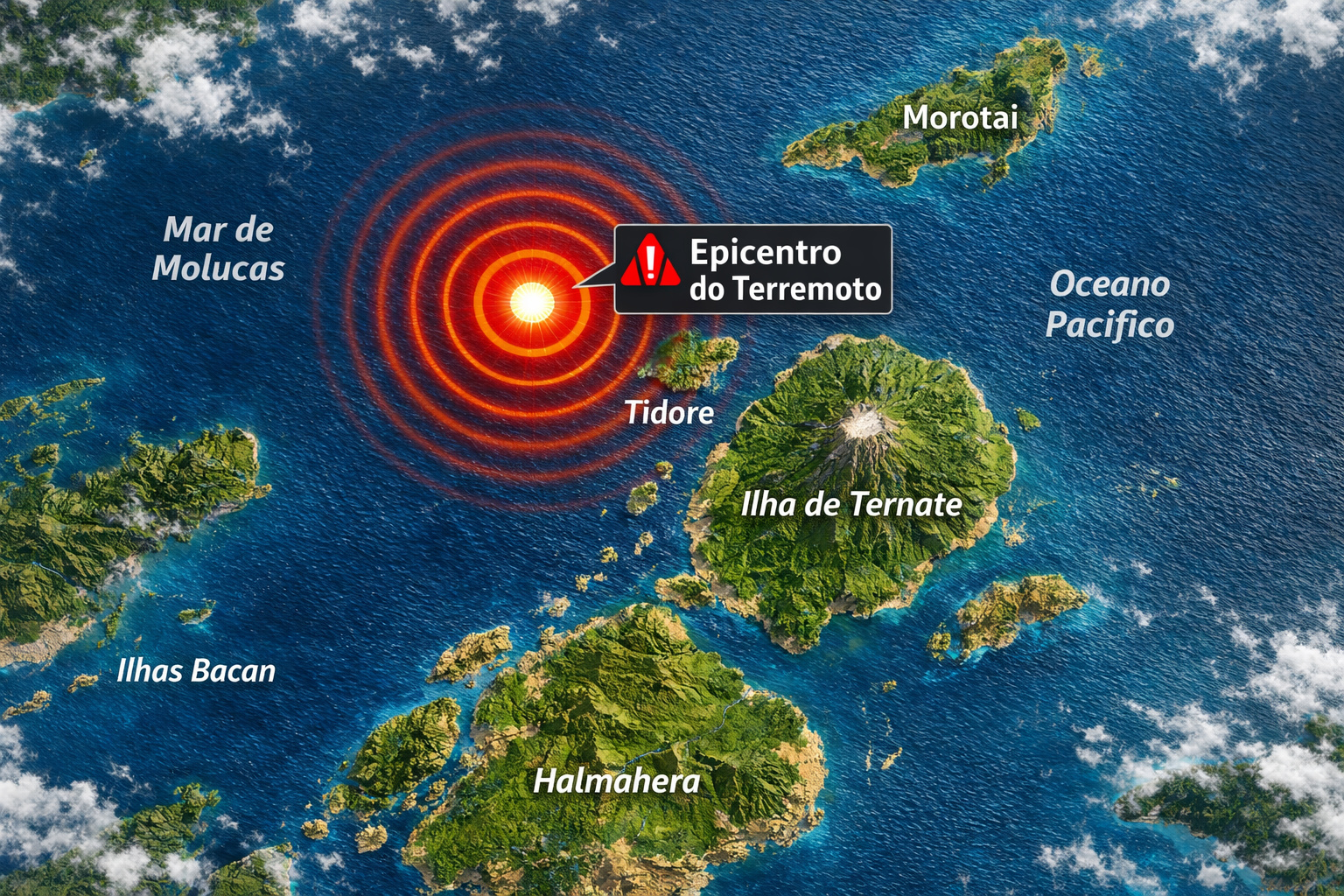
7.8 magnitude earthquake in Indonesia frightens the population, triggers tsunami alert, and hits an island with over 200,000 inhabitants this Thursday.
-
Google will finally let you change that embarrassing Gmail address you created in your teenage years without losing any accounts, logins, or old emails: the feature is already available in the United States.

-
Heading to Brazil in a Bonanza F33 single-engine aircraft: a couple departs from Florida on a visual flight, makes technical stops in the Caribbean to refuel and organize paperwork, and begins the staged crossing until they reach the country.

From Humble Beginnings to Global Leadership in Retail

The story of Walmart began in 1962, when Sam Walton opened the first Walmart Discount City store in Rogers, Arkansas. Walton’s fundamental philosophy was to offer everyday low prices, a strategy that became the backbone of the company’s success. Walton focused on efficiency, cost control, and passing savings onto customers.
During the 1970s and 1980s, Walmart rapidly expanded across the United States, going public in 1970. The international foray began in 1991 with a joint venture in Mexico. Canada (1994), China (1996), and Chile (2009) followed, among others. Key milestones include the introduction of Supercenters in the late 1980s, combining groceries and general merchandise, and the launch of Sam’s Club in 1983. Recently, Walmart has been aggressively investing in e-commerce, acquiring companies like Jet.com and expanding pickup and delivery services.
Scale of The Largest Private Employer in The World
The scale of Walmart is truly global. The company, known as the largest private employer in the world, has employed over 2.3 million associates. According to recent data, it employed approximately 2.1 million associates globally in fiscal year 2025. The majority of these workers, 76.2%, are based in the United States.
Walmart operates more than 10,500 stores globally. Specifically, in January 2025, the company operated 10,771 units in 19 countries. These numbers include various formats such as Supercenters, Sam’s Clubs, and discount stores. The sales volume is colossal: for fiscal year 2025, Walmart’s annual revenue was US$680.985 billion, an increase of 5.07% compared to 2024. The net profit for the same period was US$19.44 billion.
Business Model and Competitive Strategy
The enduring success of Walmart is supported by a robust business model. The cornerstone is the “Everyday Low Price” (EDLP) strategy, which consists of maintaining consistently low prices, building consumer trust, and simplifying inventory management. To maintain EDLP, Walmart negotiates directly with manufacturers, utilizes its private labels (like Great Value), and leverages its economies of scale.
The company is renowned for its highly efficient supply chain. It employs direct sourcing, techniques like cross-docking, and invests heavily in technology, including artificial intelligence for negotiation and inventory optimization. Walmart also embraces innovation in its retail operations, focusing on e-commerce, AI-driven personalization, and creating “Stores of The Future” with integrated technology.
Corporate Responsibility of The Giant


As the largest private employer in the world, Walmart wields significant socioeconomic influence. The “Walmart Effect” describes the impact of a store’s arrival in a community, which can include displacing small retailers but also containing local inflation and saving consumers’ money. The company has faced criticism regarding working conditions and wages, despite highlighting recent investments in pay and benefits, such as the Live Better U program, which covers university tuition.
In response to the responsibilities of its scale, Walmart has implemented robust sustainability initiatives. The Gigaton Project, for example, aims to reduce one billion metric tons of greenhouse gas emissions in its value chain by 2030. The company also seeks to achieve zero operational waste and use 100% renewable energy in its facilities by 2035.









Seja o primeiro a reagir!