





 Portuguese
  English
  Spanish
  5 min of reading
  0 comments



Human populations living at extreme altitudes, in the depths of the ocean, or in low-oxygen conditions have developed real biological adaptations over thousands of years, including larger spleens, expanded lungs, and genes inherited from extinct species like the Denisovans.
The human species is the most geographically diverse among all primates, permanently living on every continent except Antarctica. But this achievement did not come without cost: human populations that settled in the planet’s most extreme environments had to develop biological adaptations that modified their bodies in ways that science is only now beginning to document. Evolutionary anthropologist Herman Pontzer, a professor at Duke University, explores these adaptations in the book “Adaptable,” published by Penguin Random House in 2025, revealing how different human populations solved the same problems in completely distinct ways.
From the Andes and Himalayas to the deep waters of Southeast Asia, human populations have developed biological solutions ranging from larger lungs and rib cages to spleens twice the normal size and genes inherited from human species that went extinct tens of thousands of years ago. These adaptations are not genetic curiosities. They are concrete responses to constant environmental pressures that forced the human body to find ways to survive where most people simply could not.
The human populations of the Andes who developed larger lungs to breathe with less oxygen
At the extreme altitudes of the Andes, the highest mountain range in South America, native human populations coexist with significantly lower oxygen levels than at sea level.
-
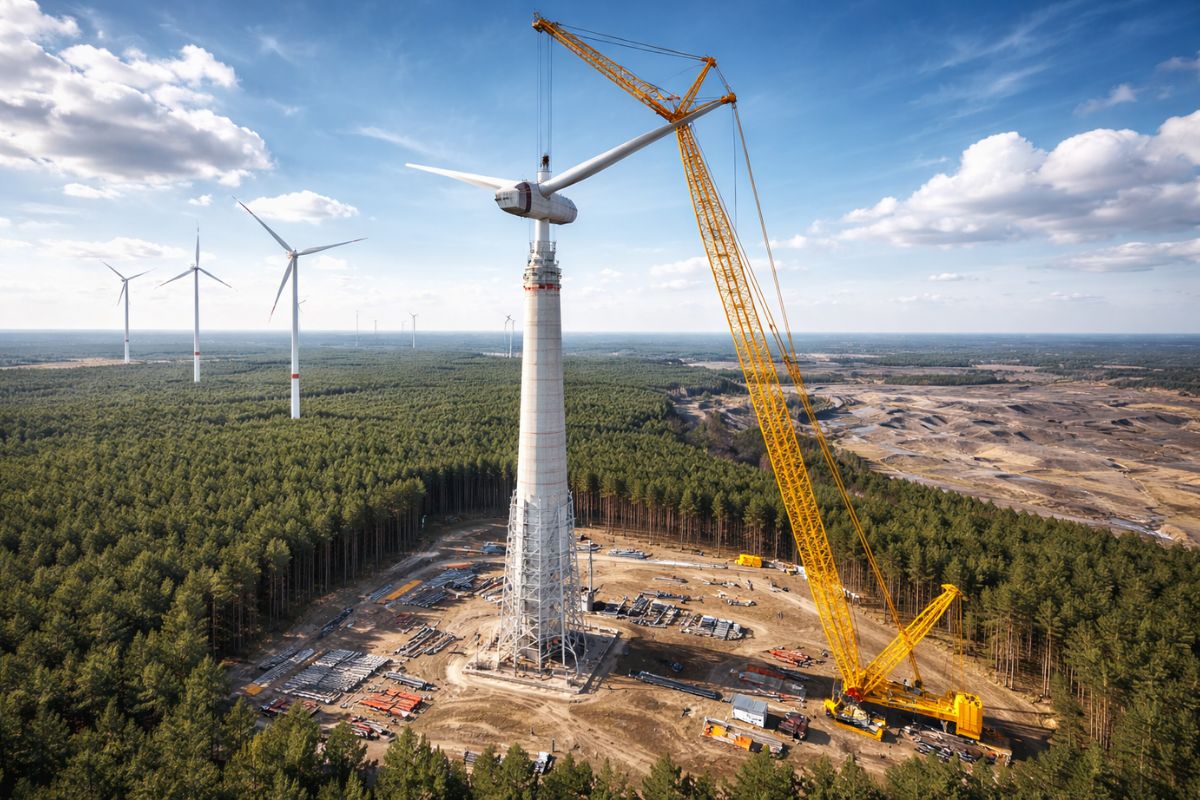
The tallest wind turbine in the world is rising where there was coal: 360 meters in Schipkau, Germany, it ascends with a telescopic system, captures winds above 300 m, and aims to connect to the grid by 2026.
-
Shenzhen showcases high technology in China: deliveries by drones and autonomous robots, driverless taxis with sensors, smart hotel with AI, humanoid and surgical robots, automated café, and mega station “Shenzhen Eye.”

-
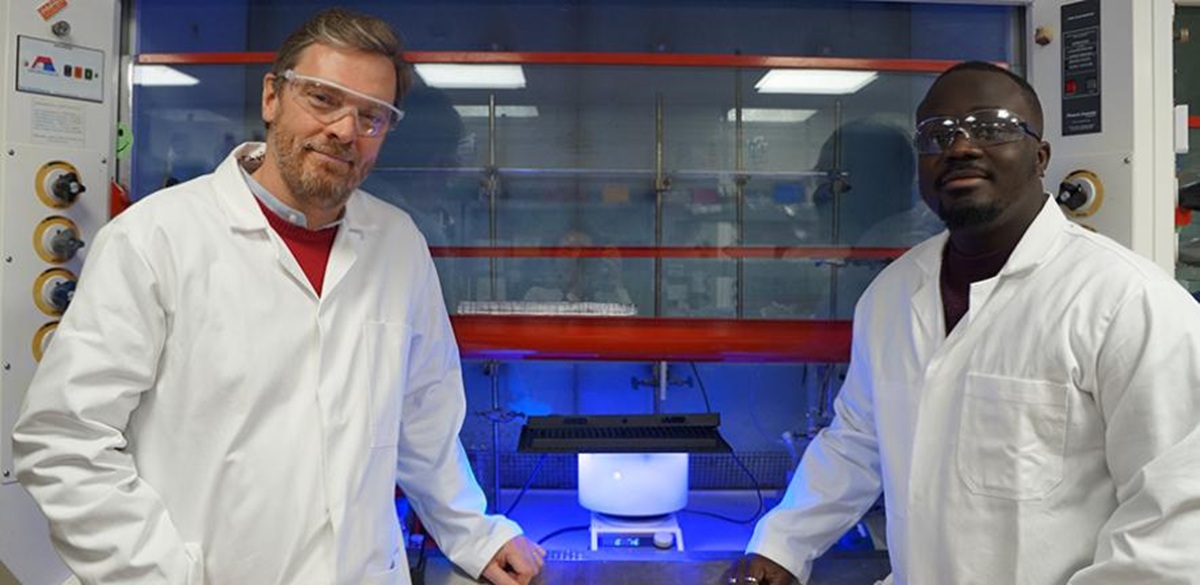
Cambridge University creates a solar reactor that transforms hard-to-recycle plastic and battery acid into clean hydrogen, operating for over 260 hours and paving the way to add industrial value to two waste materials that currently lead to disposal and environmental costs.
-
Samsung made a mistake and you need to take advantage before they fix it: the Galaxy S25 FE has dropped in price and now ‘humiliates’ the S26 in cost-benefit with plenty of screen, cameras, and performance.

The solution their bodies found over millennia was to increase red blood cell production through the hormone EPO (erythropoietin), as well as to develop larger lungs and rib cages to maximize gas exchange. These adaptations result from a combination of genetic changes and the environmental pressures of growing at high altitudes.
But this biological solution comes at a price that these human populations pay every day. The increase in red blood cells makes the blood more viscous, which can cause altitude sickness, with symptoms ranging from headaches and nausea to dangerous fluid buildup in the lungs and brain.
Approximately 15% of Andean adults suffer from chronic mountain sickness. Evolution solved the oxygen problem, but created another that affects a significant portion of the population to this day.
The Denisovan gene that protects human populations in the Himalayas
The story becomes even more surprising when looking at the human populations of the Himalayas in Asia. These communities descend from groups different from the Andeans, separated by thousands of kilometers and thousands of years, and their migrations to the mountains were completely independent.
Even facing the same challenge of living with low oxygen, the adaptations they developed followed different biological paths.
The human populations of the Himalayas possess a specific allele of a gene called EPAS1 that keeps red blood cell levels low, allowing them to live at high altitudes without suffering from mountain sickness. The most remarkable aspect is the origin of this gene: it entered the human genetic pool through interbreeding with the Denisovans, an extinct human species, about fifty thousand years ago.
For millennia, this allele was neutral, having no effect on survival. But when these human populations began migrating to the mountains about nine thousand years ago, those carrying the Denisovan variant thrived, and the gene became predominant.
The Sama: human populations who spent 5 hours a day underwater
Perhaps the most impressive case of adaptation involves the Sama, also known as Bajau. These human populations live in floating houses over the ocean around the Philippines, Indonesia, and Malaysia, spending almost their entire lives at sea.
Traditionally, they could spend four to five hours a day underwater, fishing with spears and gathering food at depths of over sixty meters, using weights to walk along the sea floor.
Science has discovered that these human populations developed significantly larger spleens than average. The spleen acts as a reservoir of red blood cells, and when someone dives into cold water, it contracts and ejects its load of cells to oxygenate the body.
Natural selection favored in the Sama an allele of the PDE10A gene that increases spleen size, with an average volume nearly twice as large in those who have two copies of the allele. Other genes related to diving response also seem to be under selection in this population.
How the human throat changed so that human populations could speak
The adaptations that define human populations are not only found in extreme environments. One of the most fundamental changes in the human body occurred in the position of the larynx, which in humans is located at the bottom of the throat, while in all other primates it is at the top, behind the nose.
This low position is what allows for the rich sound range of human language, the ability to transform sounds into vowels and consonants that form words.
But this adaptation comes at a cost that human populations pay to this day: vulnerability to choking. More than five thousand people lose their lives from choking each year in the United States alone. Other mammals do not have this problem because their larynxes are positioned out of the way of food.
Our ancestors were so social and cooperative that the evolutionary benefits of more sophisticated communication outweighed the increased risk of choking. Choking is, literally, the price that human populations pay for the ability to speak.
What these adaptations reveal about the limits of the human body
Each of these adaptations shows that evolution does not produce perfect solutions. It works like a junkyard mechanic, in Pontzer’s words, solving problems with the materials available. The human populations of the Andes gained more red blood cells, but also gained altitude sickness.
The populations of the Himalayas solved the same problem through a completely different genetic path, inherited from a species that no longer exists. The Sama developed enormous spleens, but at the cost of millennia of selective pressure in a lifestyle that is rapidly disappearing.
What unites all these human populations is the species’ ability to adapt to virtually any environment on Earth. There is no other primate that has achieved this. From the highest mountains to the deepest oceans, from tropical forests to icy deserts, the human body has found ways to survive that challenge what seemed biologically possible.
And science continues to discover adaptations that prove we still know very little about what the human body is capable of when pressed by generations.
Which of these adaptations impressed you the most: the giant lungs of the Andeans, the Denisovan gene in the Himalayas, or the double spleen of the Sama? Did you know that interbreeding with extinct species left genetic marks that protect us to this day? Leave your thoughts in the comments. Human biology holds stories that seem fictional, but are pure science.




Seja o primeiro a reagir!