





 Portuguese
  English
  Spanish
  4 min of reading
  0 comments


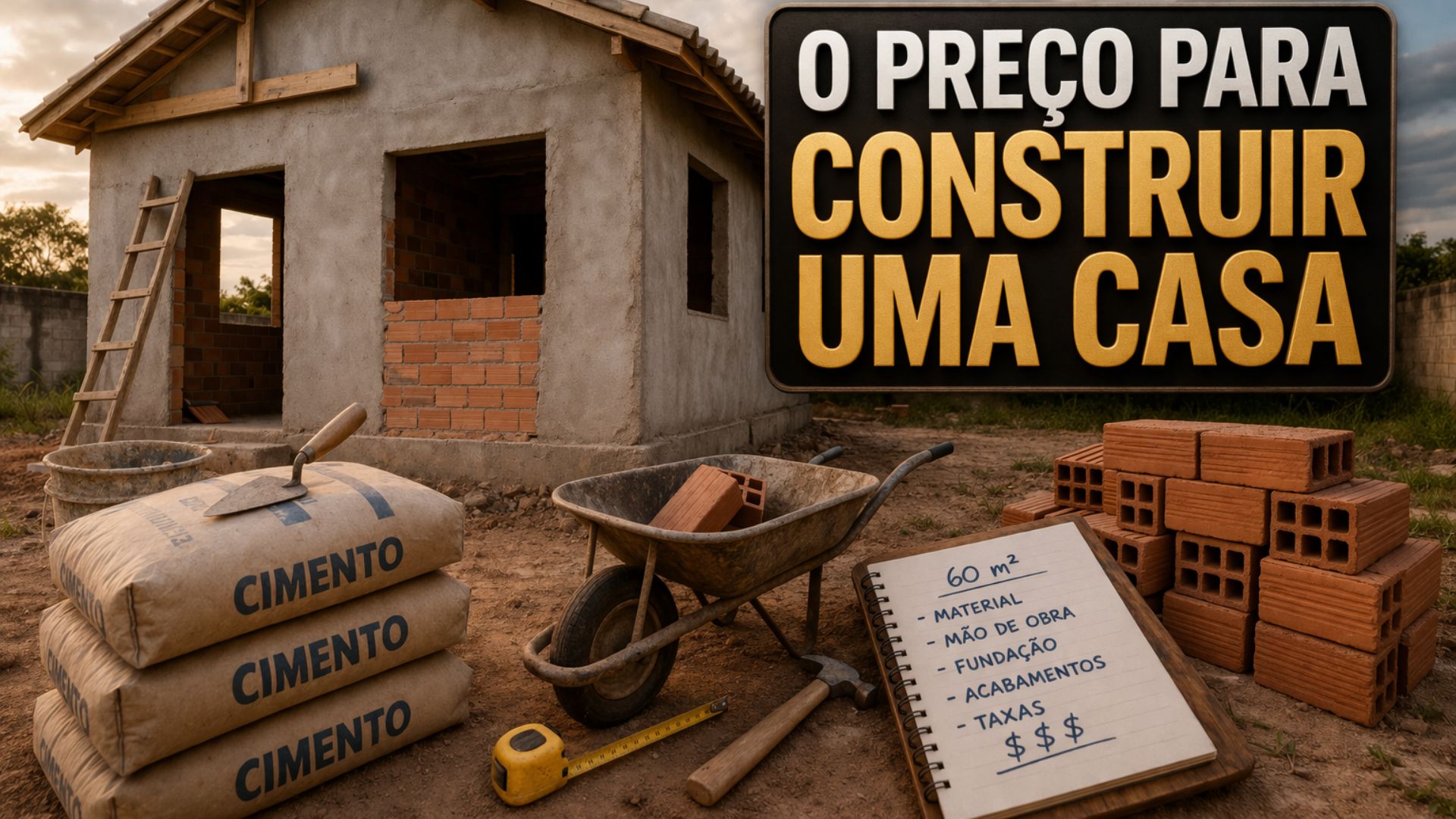
Real cost range to build a popular house in 2026 reveals the difference between technical base and final price faced by those starting a construction project, considering variations in execution, material choices, land conditions, and inevitable adjustments throughout the construction process.
Building a simple 60 m² house in 2026 requires, as an initial reference, a budget starting from R$ 115,504.80, a value obtained by multiplying the national cost of SINAPI from February 2026, which is R$ 1,925.08 per square meter, by the projected area.
This number, however, serves as a technical starting point and not as a final construction price, because the actual costs tend to rise when items such as foundation, transportation, local labor variations, and finishing choices come into play.
How much does it cost to build 60 m² in practice
In practice, a more realistic planning usually pushes the budget into a range between R$ 127,000 and R$ 150,000, depending on the standard adopted and the margin reserved for adjustments during execution.
-
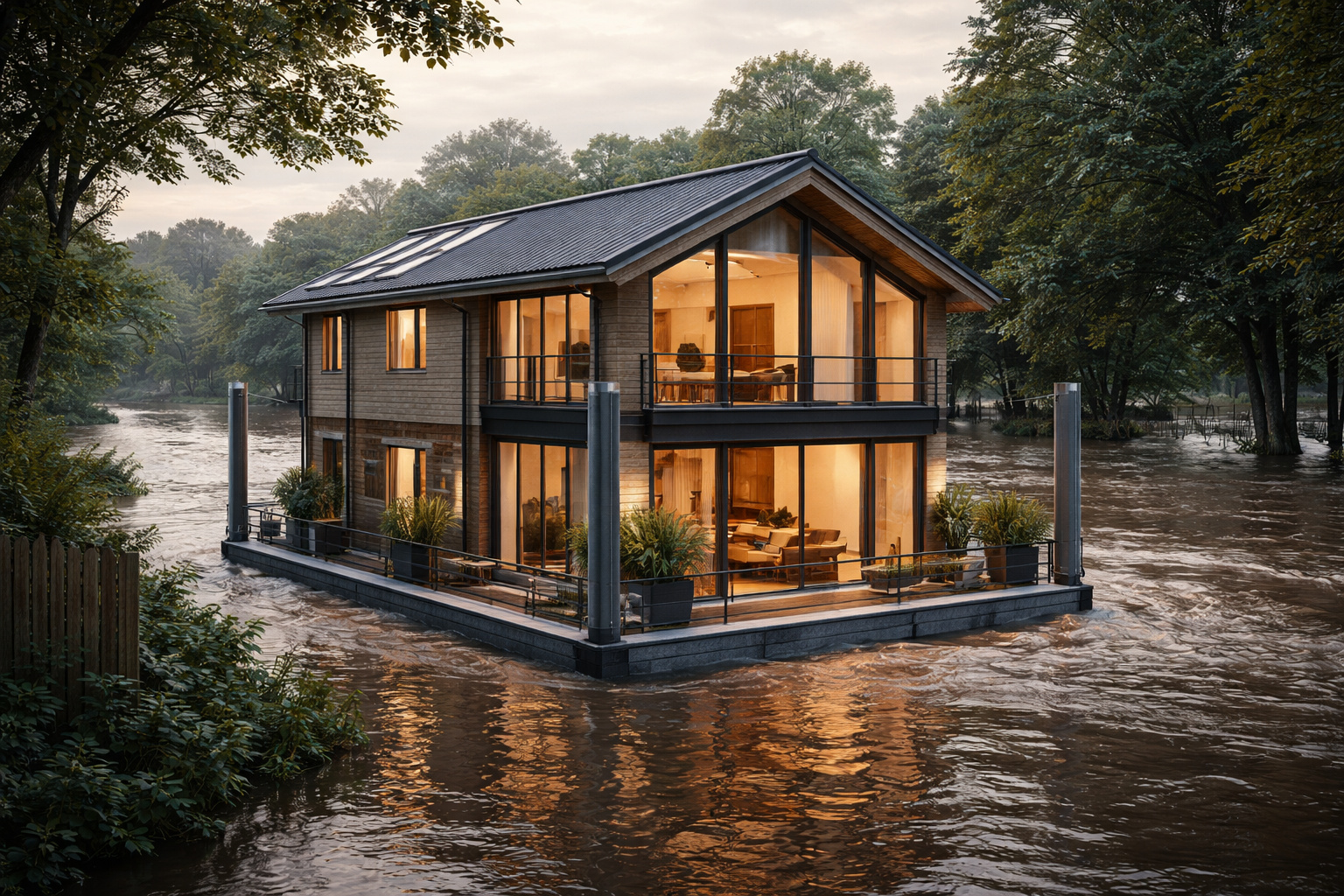
Amphibious houses with a floating dock system gain global attention by revealing technology that allows homes to rise with floods and avoid losses in high-risk areas.
-
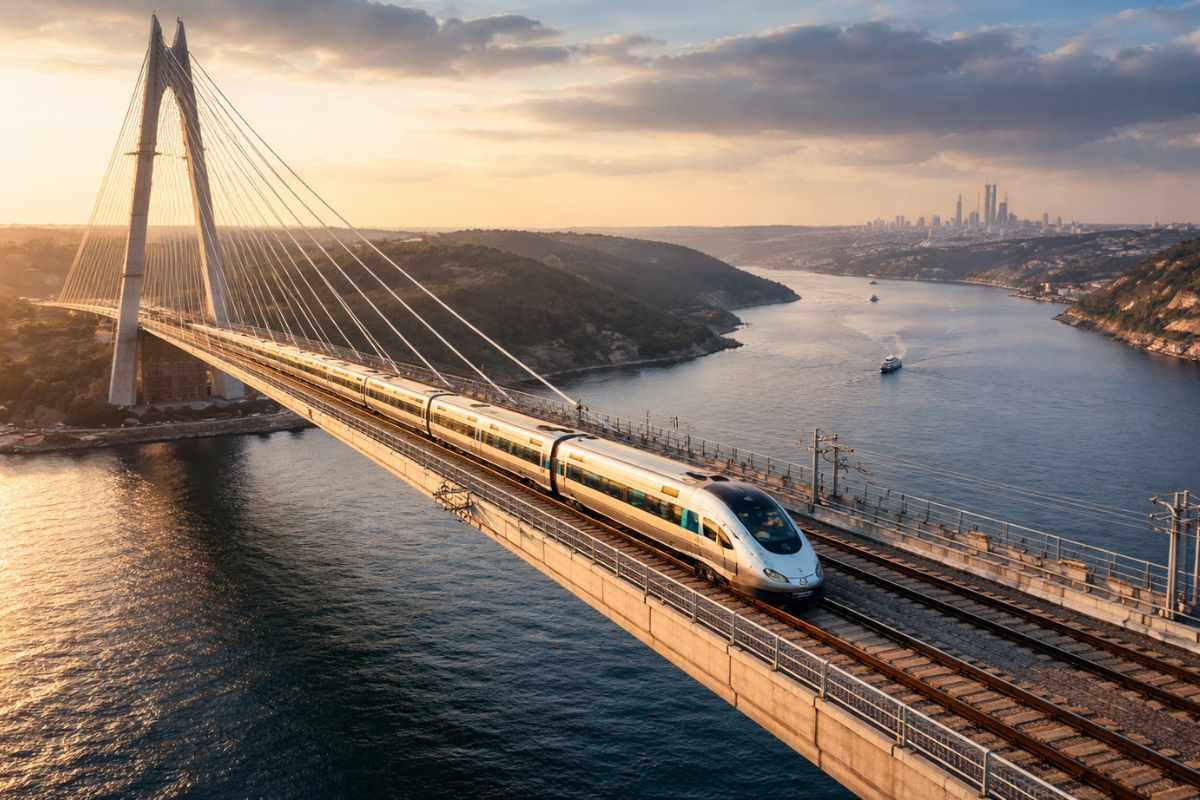
Between tunnels, bridges, and billions in investment, Istanbul is preparing to receive a 125-kilometer railway that crosses continents, enhances the circulation of goods and passengers, and changes the strategic outlook of Turkish transportation.
-
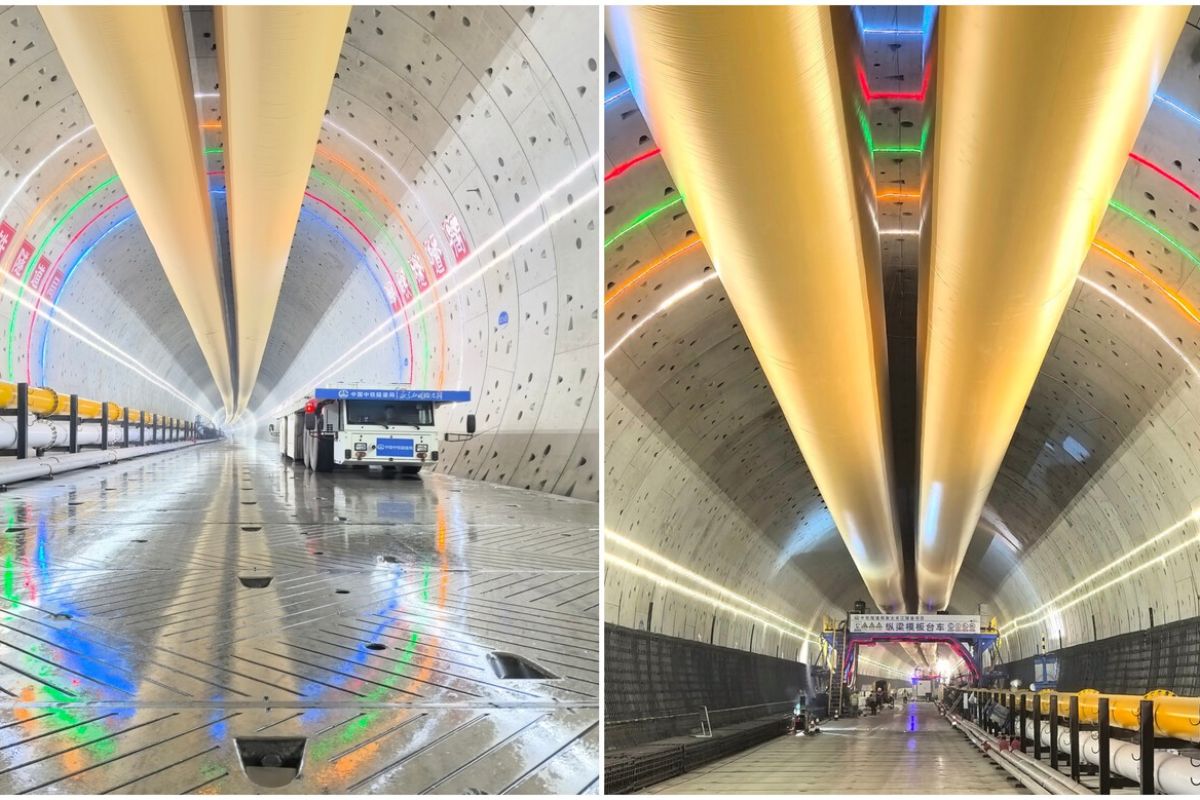
China completes the most critical section under the Yangtze River with the intelligent tunneling machine Linghang, excavating 11.32 continuous kilometers at depths of up to 89 meters and transforming the Chongming-Taicang tunnel into a landmark that redefines the scale of high-speed rail engineering in the 21st century.
-
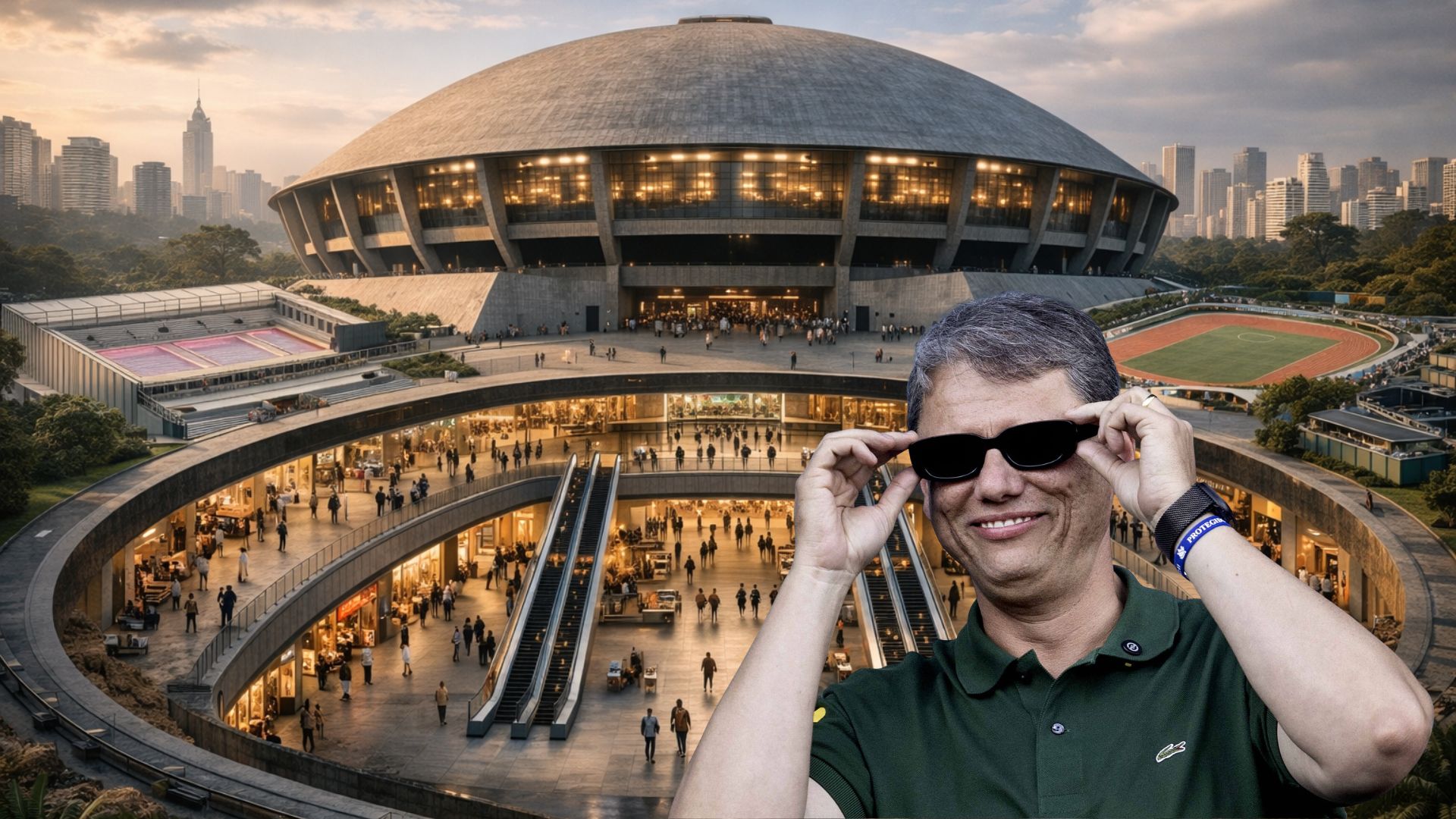
The government of São Paulo surprises South America with a plan to transform the famous Ibirapuera with underground shops, air conditioning, and a 25-year concession in a billion-dollar project that expands the audience, alters a protected area, and provokes an immediate reaction.

Applying increments of 10%, 20%, and 30% on the technical base of SINAPI, the totals reach R$ 127,055.28, R$ 138,605.76, and R$ 150,156.24, respectively.
This difference helps explain why very lean initial promises rarely withstand the progress of the construction site.
What SINAPI includes and what is excluded
SINAPI is an official reference produced by IBGE in partnership with Caixa and serves to guide construction budgets in different contexts.
Still, the system itself works with the value of the square meter on the construction site and does not encompass all expenses that arise between the project idea and the delivery of the finished house.
Therefore, using only the national base as a definitive answer for a private residential construction tends to produce an expectation below the actual cost.
It is precisely at this point that many budgets diverge from reality.
SINAPI does not include expenses related to projects in general, licenses, insurance, temporary installations, land purchase, administration, financing, and equipment acquisition, according to the methodological description released by IBGE itself.
In other words, a family that starts only from the value per square meter without incorporating these fronts runs the risk of discovering, throughout the construction, that the necessary investment far exceeds the initial estimate.
Factors that most increase the cost of a simple house
Even when the project is compact, some factors quickly change the calculations.
The type of foundation weighs more when the land requires leveling, containment, or structural reinforcement; the roofing can become more expensive depending on the roof design and the materials chosen; and bathrooms, kitchens, and service areas concentrate plumbing and electrical installations that raise the cost per square meter.
Additionally, regional differences in the availability of professionals, freight costs, and the price of inputs mean that two similar houses can have very different final values in different cities.
The standard of finishing adopted from the beginning also impacts the costs.
A simple construction can remain within a more controlled range when it maintains a rational layout, few cuts, standardized measurements, and specifications consistent with the property’s purpose.
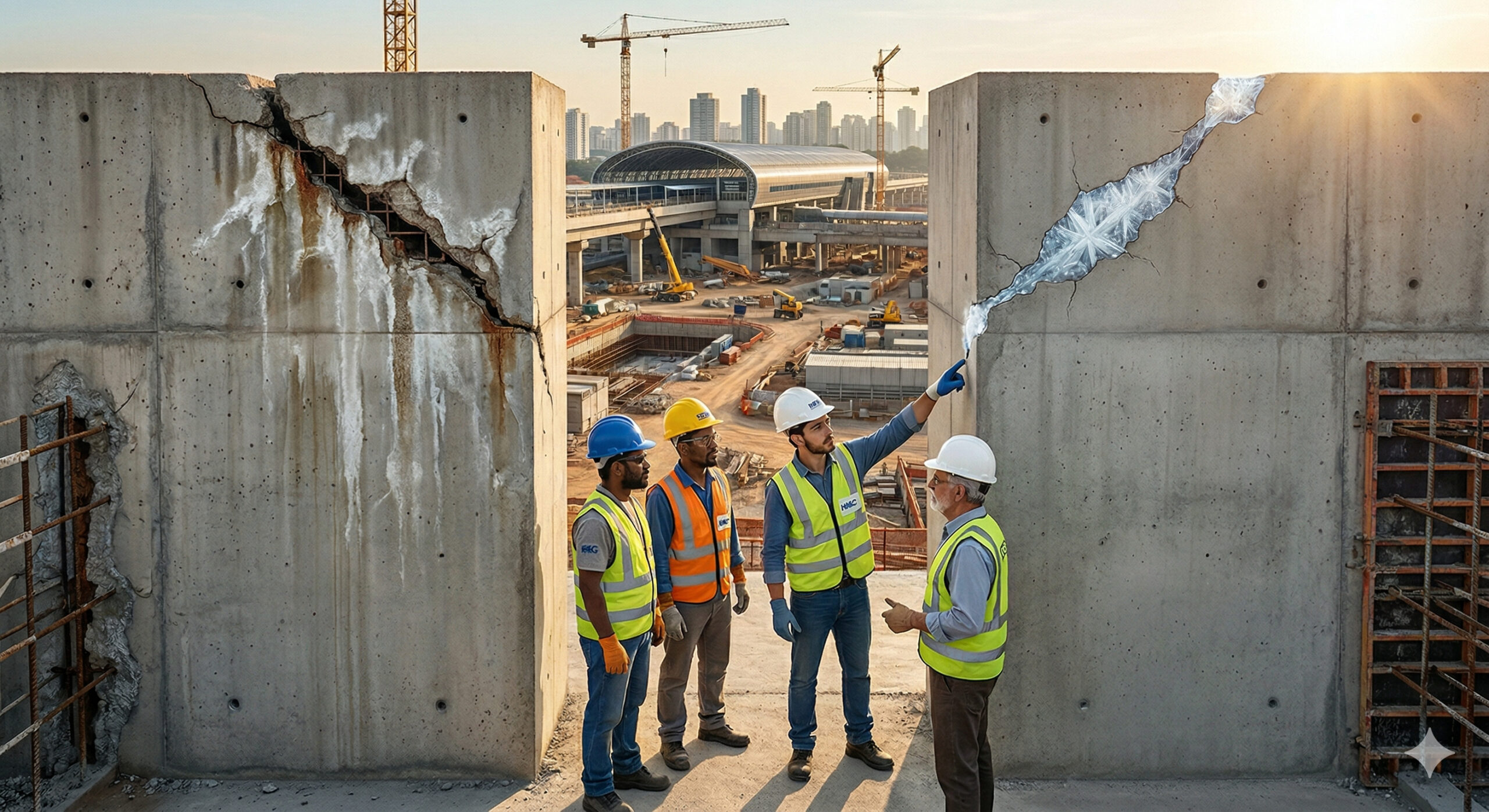
When the project changes midway, with changes in finishes, repositioning of plumbing points, alteration of frames, or redefinition of spaces, the budget begins to absorb rework, material loss, and extension of deadlines, three elements that pressure costs without necessarily increasing the constructed area.
Financial planning avoids surprises in construction
For this reason, the range between R$ 127,000 and R$ 150,000 makes more sense as a planning reference for a simple 60 m² house with materials and labor, provided the project does not hide additional land or finishing requirements.
The amount of around R$ 115,500, calculated from the latest available national SINAPI base, helps establish the technical floor; the reserve above this is what brings the estimate closer to the real construction environment, where losses, adjustments, and adaptations frequently occur.
Another relevant point is that the official indicator used here refers to February 2026, released by IBGE on March 12, 2026, and not to March.
As of the time of the consulted sources, the available consolidated national data was this, with an average cost of R$ 1,925.08 per square meter, after a 0.23% increase in the month.
Thus, any mention of “March 2026” as a closed official base for calculation needs to be treated with caution, because the number R$ 115,504.80 directly corresponds to the national data from February multiplied by the 60 m².
For those intending to build with financing or in stages, the more prudent reading remains that of a staggered and documented budget, with a margin for costs that do not appear in the first conversation with suppliers.
The official base helps organize the start, but the feasibility of the construction depends on adding indirect items, land particularities, and the quality of executive planning to the calculation.
It is this set, and not just the raw value of the square meter, that defines how much will actually be needed to build a simple 60 m² house without excessive surprises along the way.






Seja o primeiro a reagir!