





 Portuguese
  English
  Spanish
  3 min of reading
  0 comments


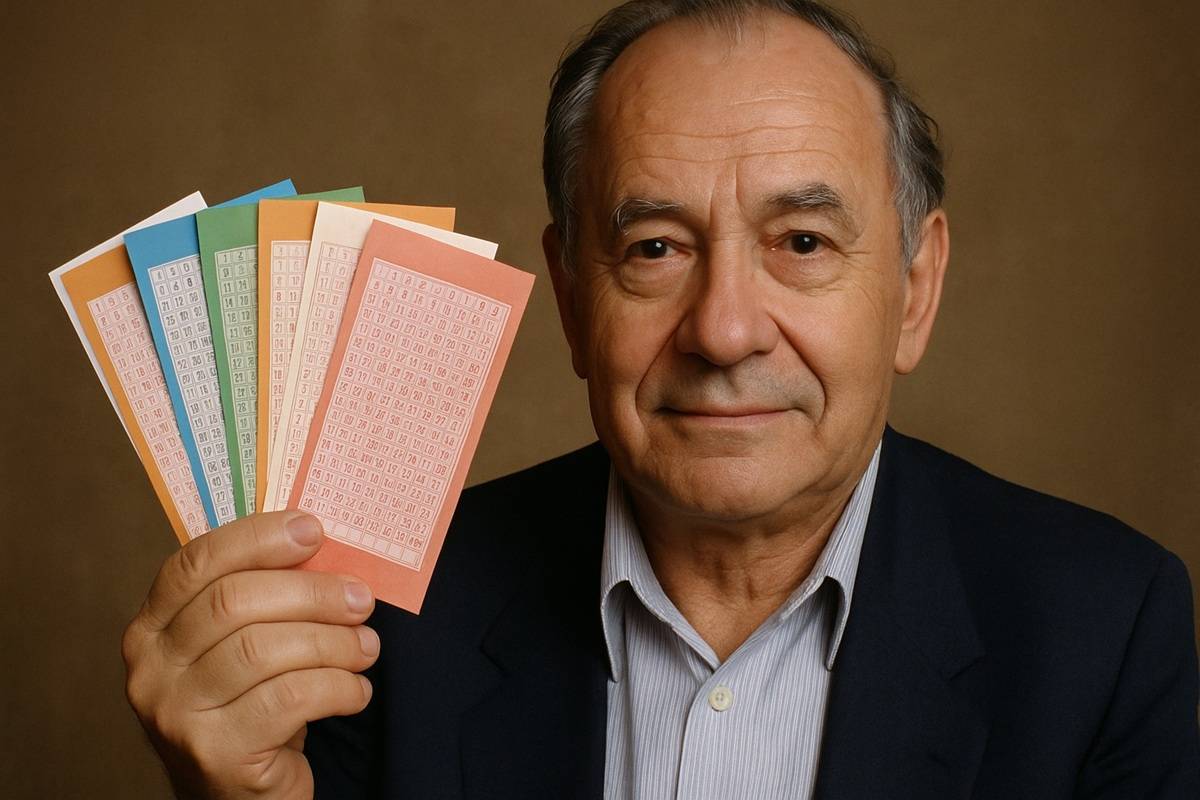
A Romanian-Australian Economist Managed To Win 14 Lotteries Over His Lifetime Using Only Basic Mathematics, Planning, And A Million-Dollar Operation.
In the 1990s, a man surprised the world by winning several lotteries using only mathematical logic and organization. The person responsible for this feat was Stefan Mandel, a Romanian-Australian economist who won no less than 14 times.
Not relying on luck, Mandel developed a method that combined basic statistics and large-scale execution. The plan worked first in Romania and later in lotteries in Australia and the United States.
Understanding The Odds
The chance of winning the lottery is extremely low. In the case of EuroMillions, for example, the probability of hitting all the numbers with one ticket is 1 in 139,838,160. Even with two tickets, the odds are still minimal: 2 in 139,838,160.
-
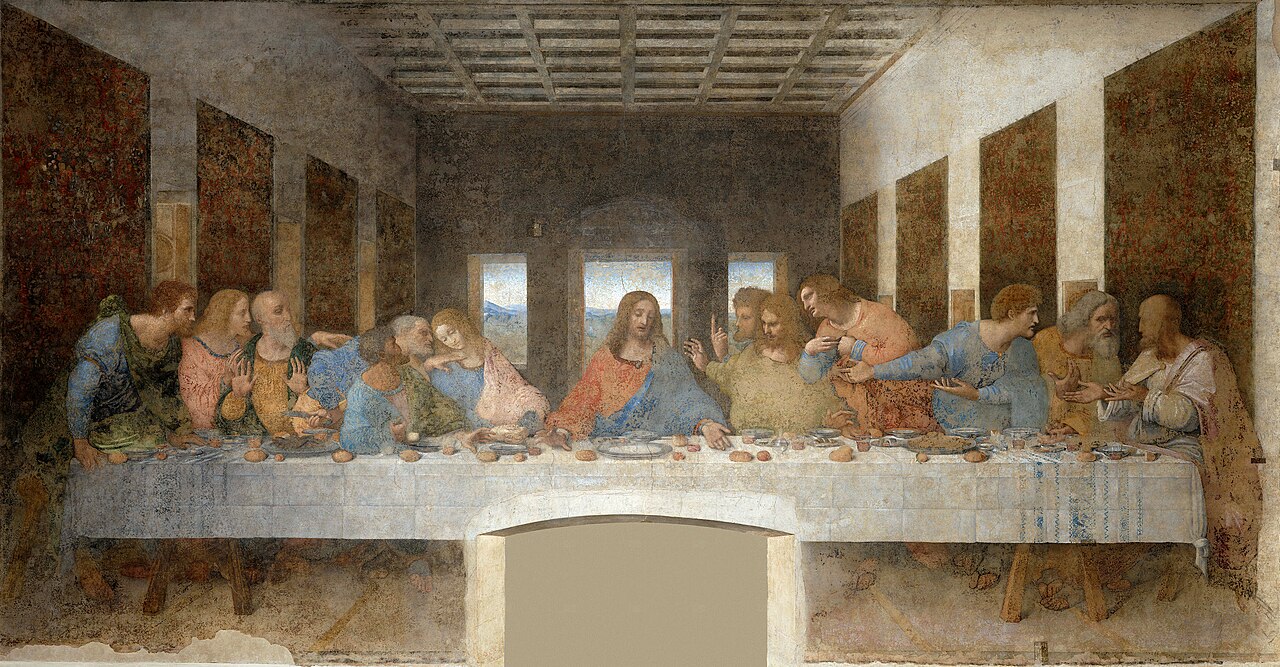
Hidden marks on the walls of the site associated with the Last Supper of Jesus for centuries have been deciphered in Jerusalem, revealing medieval inscriptions left by pilgrims, European nobles, and travelers from the Middle East.
-
One of the most important lakes in the United States for birds, the balance of nature, and the climate has dried to historic levels, leaving boats stranded, revealing salt flats, and showing how the lack of water can transform an entire landscape.

-
It’s not Cristiano Ronaldo or Messi: the richest football player in the world is only 27 years old, has a fortune of 100 billion reais, and is the nephew of a sultan from an Asian country that few people know about.

-
At 77, the king of one of the most famous and powerful crowns on the planet is said to be under pressure to leave the throne, while behind the scenes there are already talks of a new coronation that could cost R$ 260 million.

But Mandel realized something important. If someone bought all the possible combinations, they would have a guaranteed chance of winning — 139,838,160 out of 139,838,160. The challenge then shifted from being mathematical to logistical: how to print, buy, and store millions of tickets before the draw.
Mandel’s Brilliance
The economist noticed that in some lotteries, the value of the jackpot rose to more than three times the total cost of all possible combinations.
This created room for a bold move: to buy all possible tickets and ensure a profit — as long as no one else hit the same numbers.
That’s what he decided to do. First, he convinced investors to finance the idea. Then, he developed algorithms capable of generating and printing millions of tickets, which was allowed by some lotteries at the time. This allowed him to prepare the tickets in advance.
The final step was to wait for the right moment. When the jackpot reached high enough, his team sprang into action and bought the tickets in bulk.
The Virginia Case
The boldest example was in Virginia, USA. The local lottery used only the numbers from 1 to 44, which reduced the possible combinations to 7,059,052. This made it feasible to buy all the options.
When the jackpot reached US$ 15.5 million, Mandel activated the plan. He had already organized the sale of tickets at various stores in advance to avoid confusion. However, some retailers backed out of the agreement, leaving some combinations out.
Even so, after two days of intense work, his team managed to buy 6.4 million of the 7 million possible combinations. And yes, the winning ticket was among them.
Investigation And Final Result
The case attracted attention. Mandel was investigated by the FBI and the CIA, but no illegalities were found. He did not violate any official lottery rules, despite acting outside the “spirit of the game.”
The exact profit he made was never clearly revealed. After paying investors, covering legal expenses, and other costs, it is unknown how much he actually pocketed. But the success was enough to change his life.
In total, Stefan Mandel won 14 different lotteries. The prizes brought in millions of pounds in winnings for him and his partners.
After ending his activities, he retired to a beach house in the tropical islands of Vanuatu.
This story shows that sometimes winning does not depend only on luck — but on mathematics, strategy, and a lot of organization.







Seja o primeiro a reagir!