





 Portuguese
  English
  Spanish
  7 min of reading
  0 comments


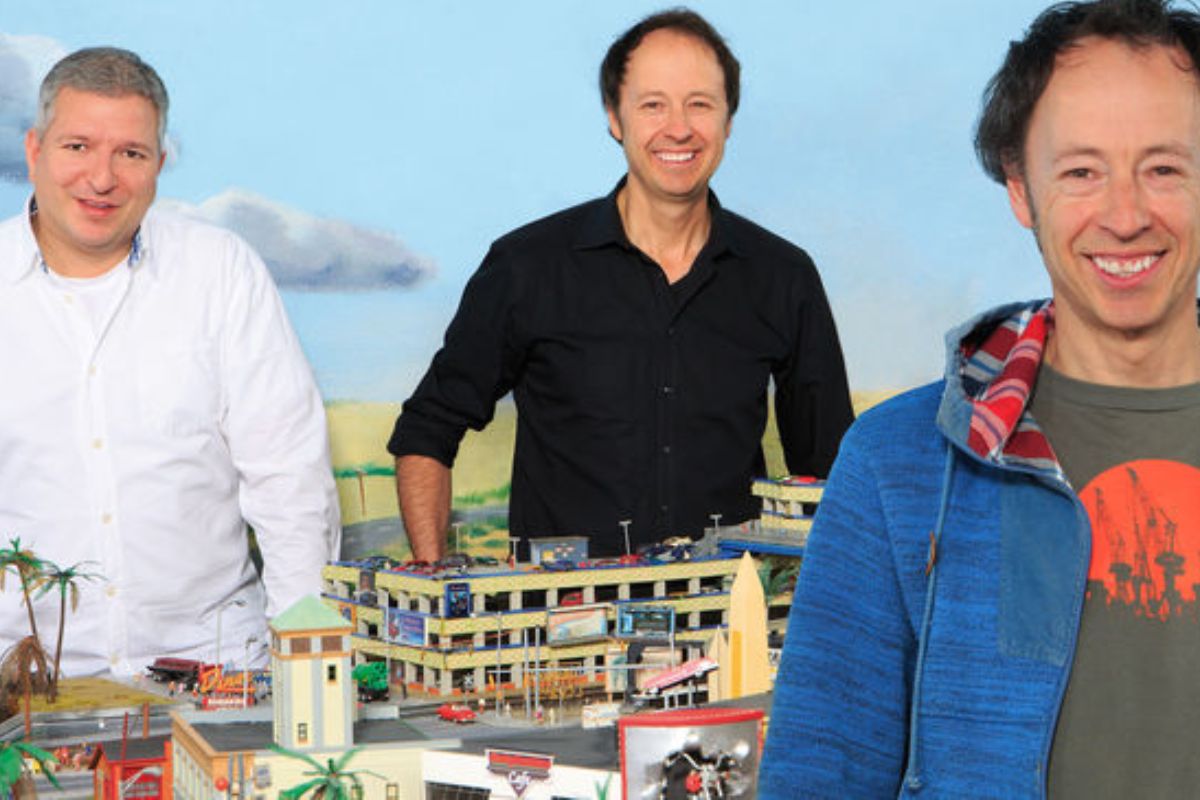
The model that was born from a childhood dream and a risky decision took three partners out of the nightclub and record label universe to place Hamburg at the center of one of the most ambitious modeling projects.
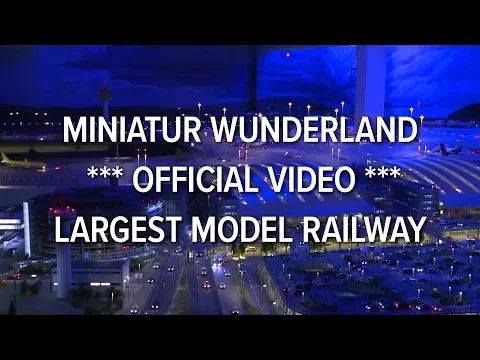
The model that started as an idea viewed with skepticism ended up transforming into a public success and a long-term work. What seemed improbable in July 2000 advanced quickly: five months later, the construction of the first section had already begun, and just eight months after that, Miniatur Wunderland was inaugurated with its three first themed worlds.
The origin of it all lies in a call made from Zurich to Hamburg. Frederik Braun saw a model railway shop, recalled his childhood, and decided to turn the memory into a real project. When speaking with his twin brother Gerrit Braun, he initially heard skepticism, but the insistence was so great that the proposal began to be analyzed from a technical and economic point of view.
At that moment, Frederik, Gerrit, and partner Stephan Hertz were managing a nightclub in Hamburg and wanted to step away from nightlife for a while. The trio decided to trade a well-established sector for a costly, complex, and technically risky bet, but gradually it stopped seeming like a delusion and turned into a business plan.
-
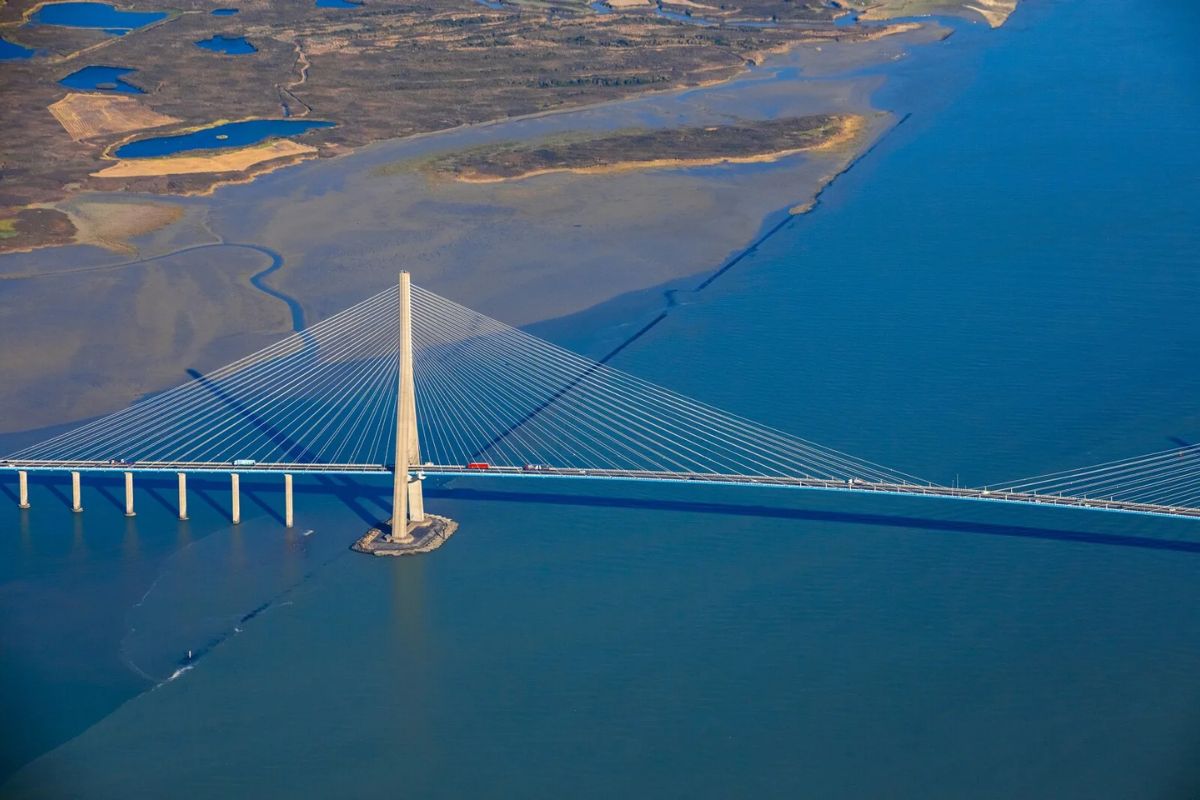
With a central span of 856 meters and pillars 214 meters high, the Pont de Normandie was the first cable-stayed bridge in the world to surpass the 800-meter mark and proved that direct steel cables could compete with suspension bridges over distances that no one thought possible.
-
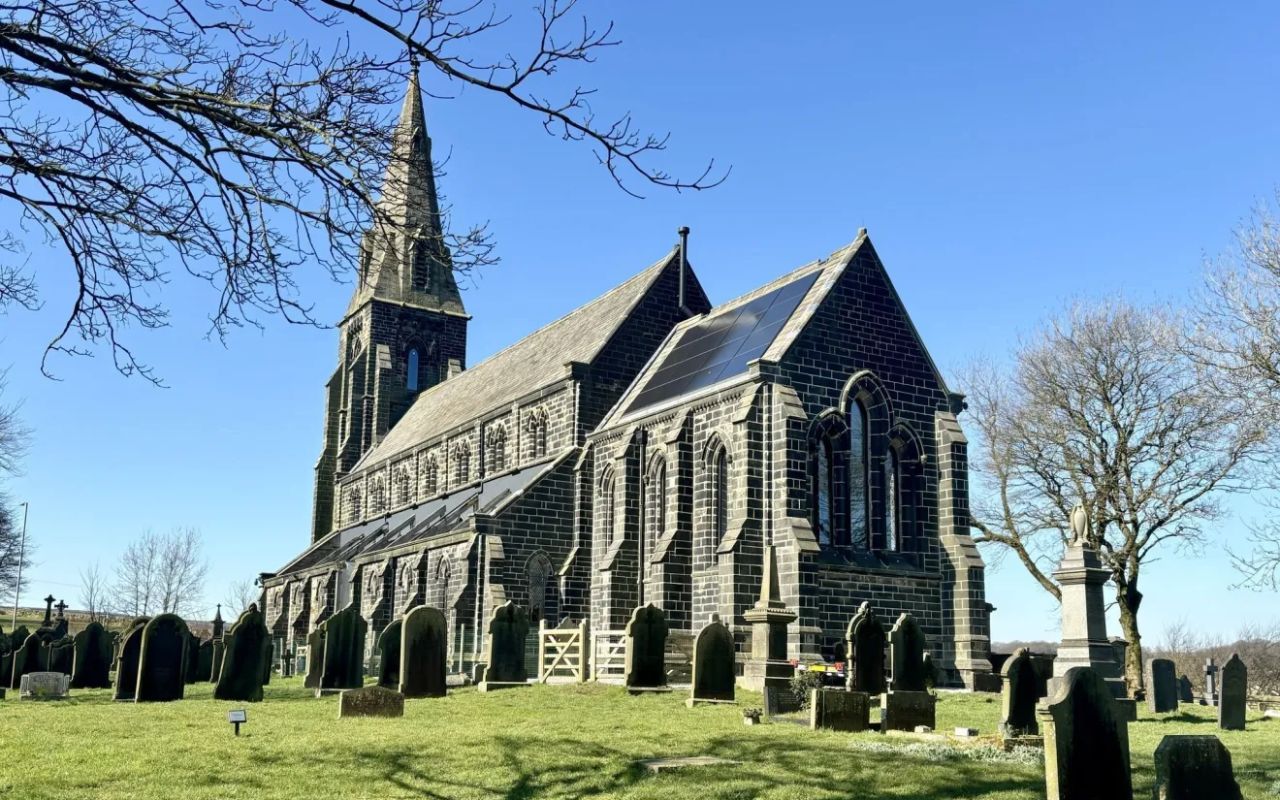
Couple invests around R$ 3.2 million to transform abandoned church from 1846 into a luxury mansion surrounded by over 300 tombs — property is now valued at R$ 11.6 million.
-
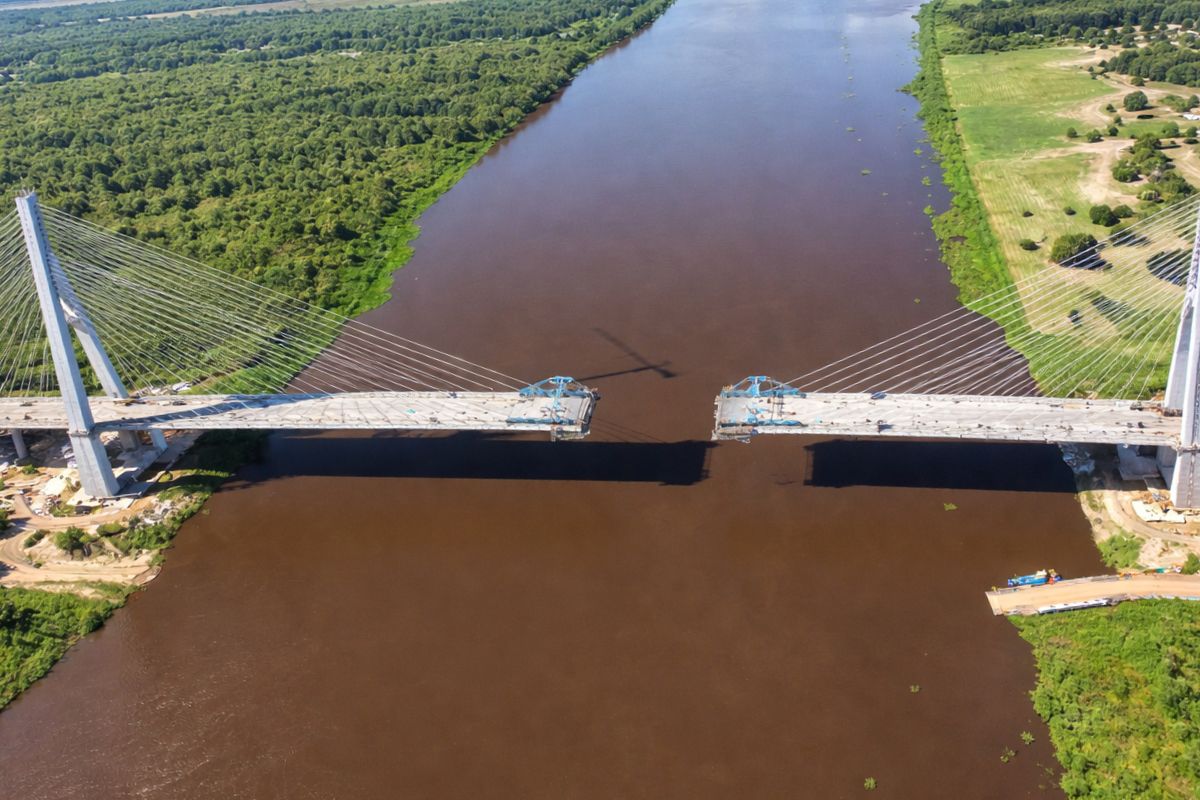
Only 37 meters remain for Brazil and Paraguay to “close” the bioceanic bridge on the Bioceanic Route: the project worth R$ 575 million is at 89% completion, uses 14,000 tons of steel, and aims to finish the connection by the end of April.
-
The new era of civil construction features “dry construction” and boosts a company that accelerates expansion with 48 stores and steel frame.
Model was born from an impulse and became a life decision

The story of Miniatur Wunderland begins in July 2000, when Frederik Braun was strolling through Zurich and found a model railway shop. The childhood memory immediately sparked an idea that, hours later, seemed too big to be ignored.
On the same day, he called Gerrit Braun several times with the same proposal: to build the largest miniature railway in the world. What seemed like an exaggeration began to take shape when the project was analyzed coldly and still seemed possible.
This was the point at which the dream stopped being just enthusiasm. Gerrit assessed that the proposal would be a technological challenge, that the economic aspect would be very risky, and that, from a business perspective, it seemed crazy. Even so, the conclusion was clear: it was worth a try.
Three partners left the nightclub to fund the idea

At the time, the Braun brothers and Stephan Hertz were tied to Hamburg’s nightlife, managing a nightclub and a record label. The decision to enter the Miniatur Wunderland project meant opening space for a profound change of direction.
They did not want to embark on an adventure that could destroy what they had built up to that point, so they needed to understand if there would be an audience, if the project would be financially viable, if the technical part would work, and if Hamburg would have a space compatible with the ambition of the proposal.
That’s when they decided to test the reception of the idea. More than 3,000 people from different profiles participated in an online survey about attractions they would like to visit in Hamburg. The result was contradictory, but not enough to derail the plan. The final decision was to keep the project alive.
Hamburg became an emotional and strategic choice

From the beginning, the three wanted the model to be in Hamburg. The connection to the city was strong, but the choice also needed to make practical sense. The location had to please tourists and locals, be accessible, offer ample space, and still allow for future expansion.
The search was not simple. The project needed at least 2,000 square meters per floor, suitable architecture for the proposal, and a viable price. Finding such a place in a valued city like Hamburg seemed almost as difficult as convincing people that the model would succeed.
The solution appeared in Speicherstadt, the historic warehouse district. HHLA was excited about the idea and offered the space in Kehrwieder under conditions considered fair. With that, the project found the physical base it needed to come to life.
Bank agreed to finance the model with two sheets of paper

After finding a way for the space, the main bottleneck remained: money. It became clear that a model of this size, full of details and with a complex technological structure, would be very expensive. The trio would need a loan.
Frederik Braun then scheduled a meeting with Hamburger Sparkasse, Haspa, and brought only two pages summarizing the idea and the request for a loan of 2 million German marks. The expectation was that the bank manager would laugh at the proposal, as it seemed improbable to ask for so much money based on such an ambitious dream.
What happened was the opposite. The bank quickly accepted the financing. Later, the initial estimate proved to be underestimated, as the total amount rose to 14 million euros. Still, the project moved forward and managed to show that the audience existed. According to the Miniatur Wunderland’s own base, more than 1.4 million visitors have passed through the site since then.
Construction started quickly and never stopped

The speed with which the project advanced is striking. From the initial idea in July 2000 to the start of construction of the first section, only five months passed. Eight months later, in August 2001, Miniatur Wunderland opened its doors with Central Germany, Knuffingen, and Austria.
This initial pace helps explain why the model stopped being just a pretty plan to become a continuous work. The project began early to gain scale, its own narrative, and an identity that went beyond trains, with complete themed worlds and many details designed to enchant different audiences.
The last section inaugurated was Monaco, on April 25, 2024. Today, the complex has 12 completed sections and is already planning new expansions until 2028, showing that construction has never been treated as something finished.
Team was assembled with testing and relied on artisans
To bring the model to life, the founders needed people capable of turning ambition into execution. That’s when the team sought Gerhard Dauscher, a model maker and designer from Mühlhausen, in southern Germany.
Gerhard embraced the idea immediately and canceled other projects to lead the modeling team of Miniatur Wunderland. From there, the assembly of the team began. More than 150 people applied to work on the project, and 40 were called for a two-day test.
From this selection came a group personally chosen by Gerhard. Only one of the members was a professional model maker, but all were described as excellent artisans. This helped define the spirit of the work: less a cold showcase and more a collective work of detailed, patient, and creative construction.
Model was conceived as a complete world, not just as a train
From early on, the creators wanted to avoid the project becoming just a technical exhibition behind glass. The proposal was to create miniature themed worlds, in which trains would be just one of many attractions.
This vision helped broaden the reach of Miniatur Wunderland. The model was not designed to please only those who already liked miniature railways, but to function as a broad experience of observation, surprise, and fantasy.
This is what gave strength to the concept. Instead of limiting the project to the railway universe, the team transformed the work into a space of continuous imagination, capable of attracting visitors with different profiles and keeping interest alive over the years.
Project grew far beyond the initial plan
The physical expansion of Miniatur Wunderland shows the size of the turnaround. What started with 1,500 square meters has transformed into a structure of 10,000 square meters of model layout, with more growth expected by 2028.
This increase reveals two things at once. First, that the initial estimate was modest compared to what the project would actually require. Second, that the model found an audience, viability, and strength enough to continue growing without relying on public subsidies, according to the presented basis.
What seemed impossible in 2000 has come to occupy a gigantic space and consolidate itself as one of Hamburg’s major attractions, with a construction that continues to progress more than two decades after the first impulse in Zurich.
Miniatur Wunderland became proof that an improbable idea can scale

The trajectory of Miniatur Wunderland impresses precisely because it combines impulse, risk, and execution. Three partners left a well-known sector, convinced a bank with a lean project on paper, and started a work that required technology, a team, space, and an audience.
The result was a model that stopped being a curiosity to become a reference. Not because it was born big, but because it was carried forward with speed, persistence, and a willingness to expand when almost everything indicated excess ambition.
Today, with 12 completed sections, the last expansion inaugurated in 2024, and new steps planned until 2028, Miniatur Wunderland shows how an idea treated as madness can transform into a lasting, profitable, and symbolic project for the city.
And for you, what impresses you the most about this model: the boldness of leaving the nightclub, the bank agreeing to finance the idea, or the project still continuing to grow after so long?





Seja o primeiro a reagir!