





 Portuguese
  English
  Spanish
  4 min of reading
  0 comments


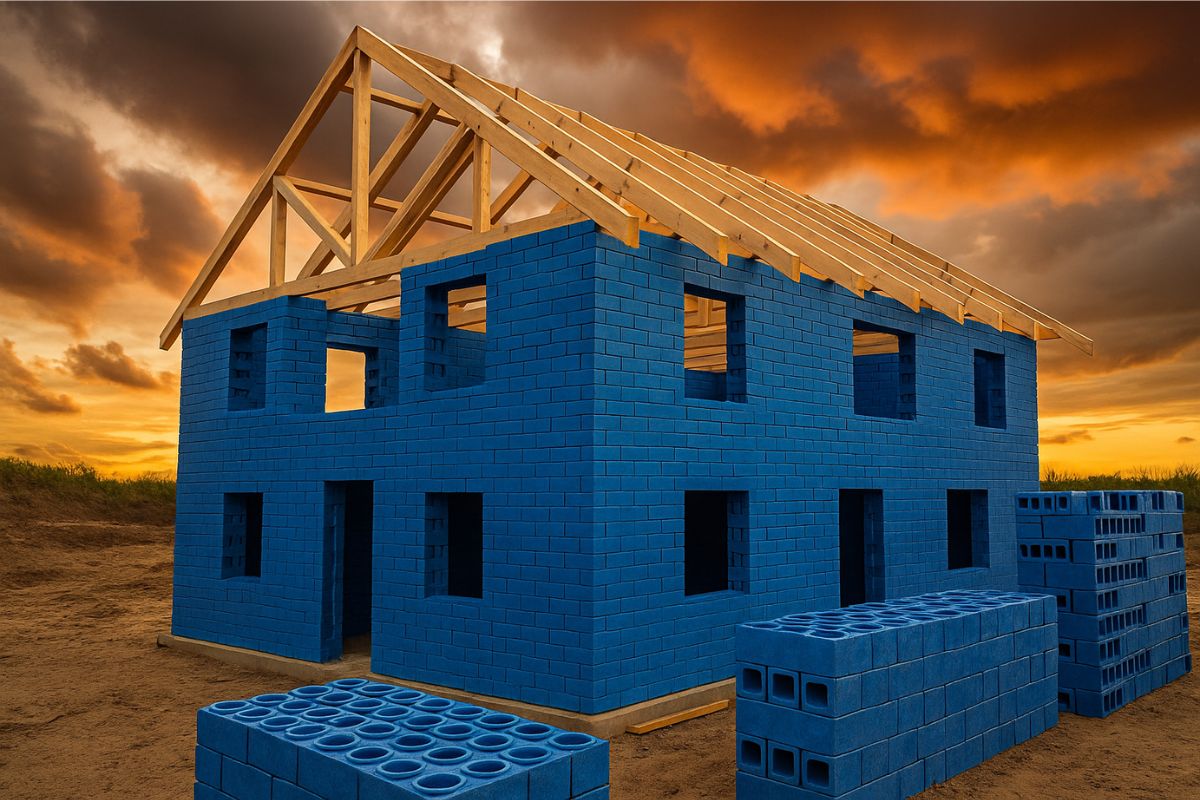
Plastic Bricks Offer Superior Thermal Comfort and Significantly Reduce Construction Waste
At the heart of an increasingly heated world faced with environmental challenges, an innovation is making its way into sustainable construction: the plastic brick. Reimagining a common material, this technology represents a practical and efficient response to both thermal comfort and tackling excess waste on the planet.
Developed by Fuplastic, the so-called “green brick” has attracted attention for its ability to transform recycled plastic into strong, modular, and eco-friendly structures. More than a technical curiosity, this solution is already being applied in popular housing and urban projects across Brazil.
A New Era for Construction
Fuplastic’s proposal combines innovation, speed, and environmental awareness. Through a fitting system that eliminates the need for mortar, plastic bricks enable quick, clean, and highly adaptable construction. Each 50 m² building using this system removes about 2.5 tons of recycled plastic from the environment.
-
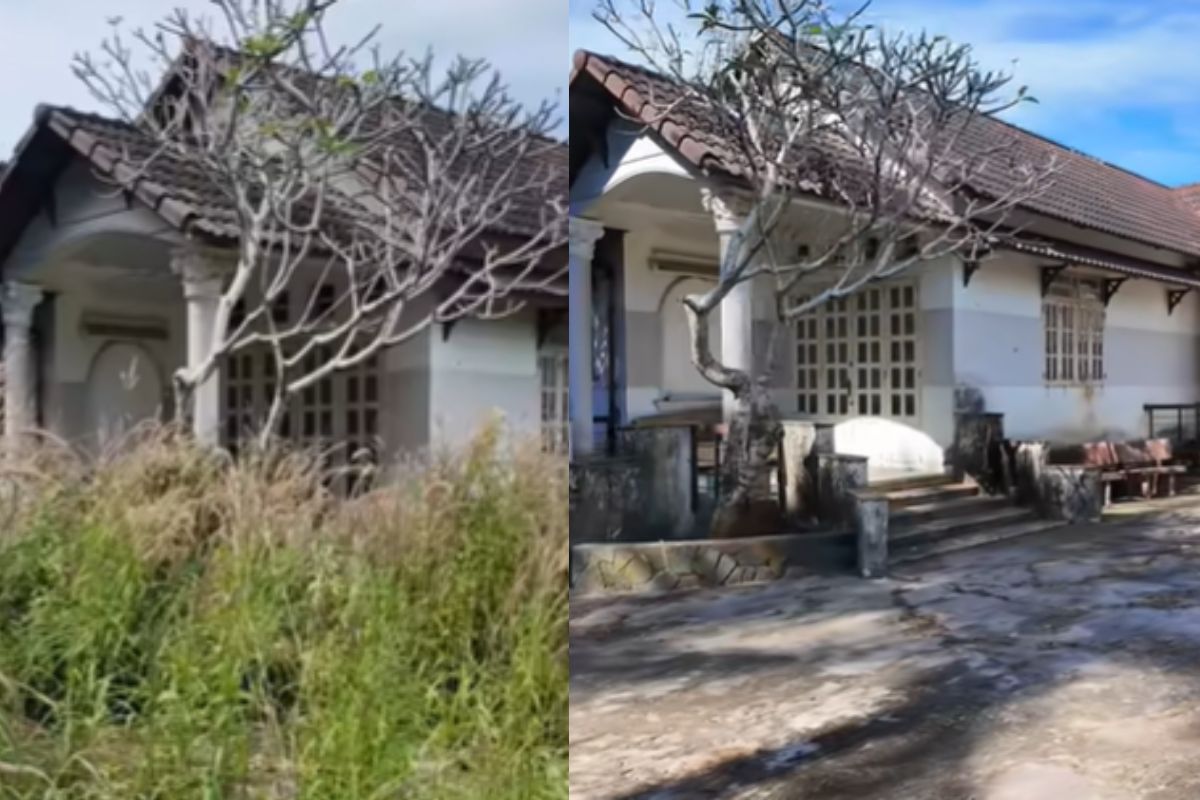
Abandoned house for 15 years disappears in the woods, shocks owner with unrecognizable scenery and is reborn in an intense transformation after almost 90 hours of work in just 10 days.
-
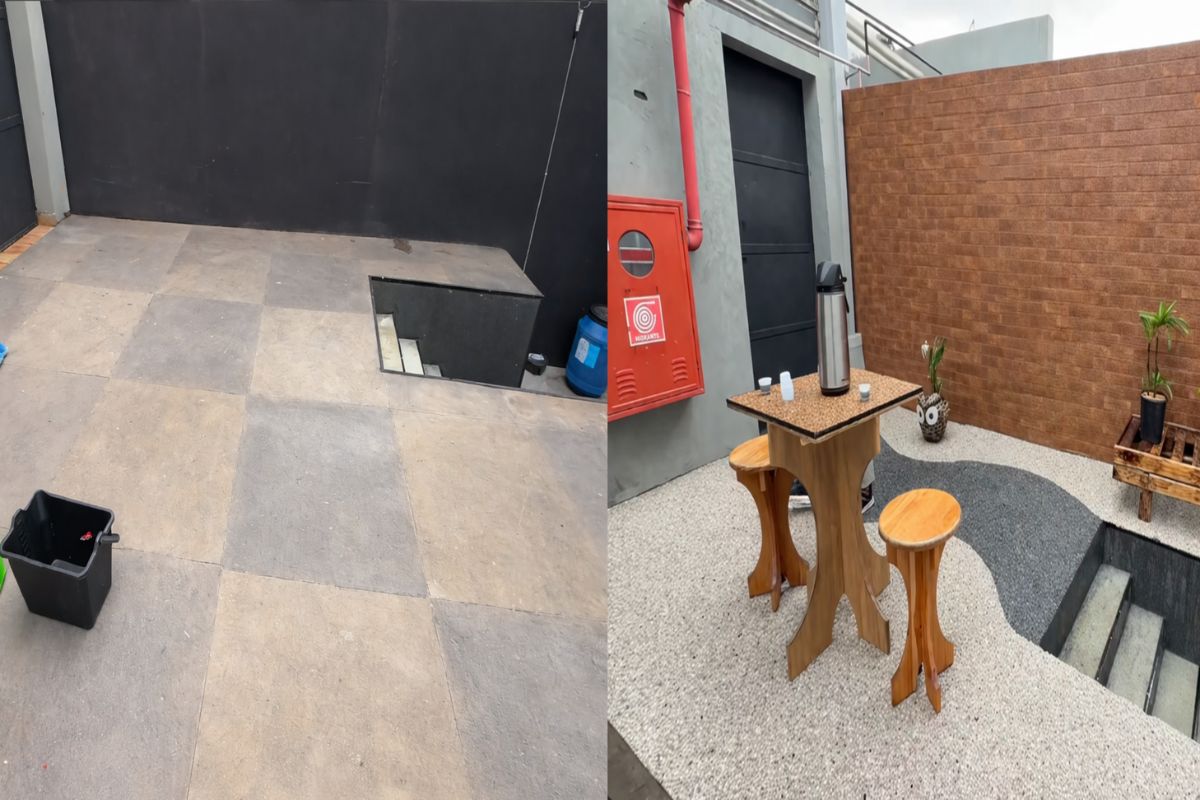
In just three hours, a natural stone floor transforms the entrance of the house with an organic effect, immediate drainage, and a sophisticated non-slip finish that doesn’t puddle water, dries quickly, and impresses with the final result.
-
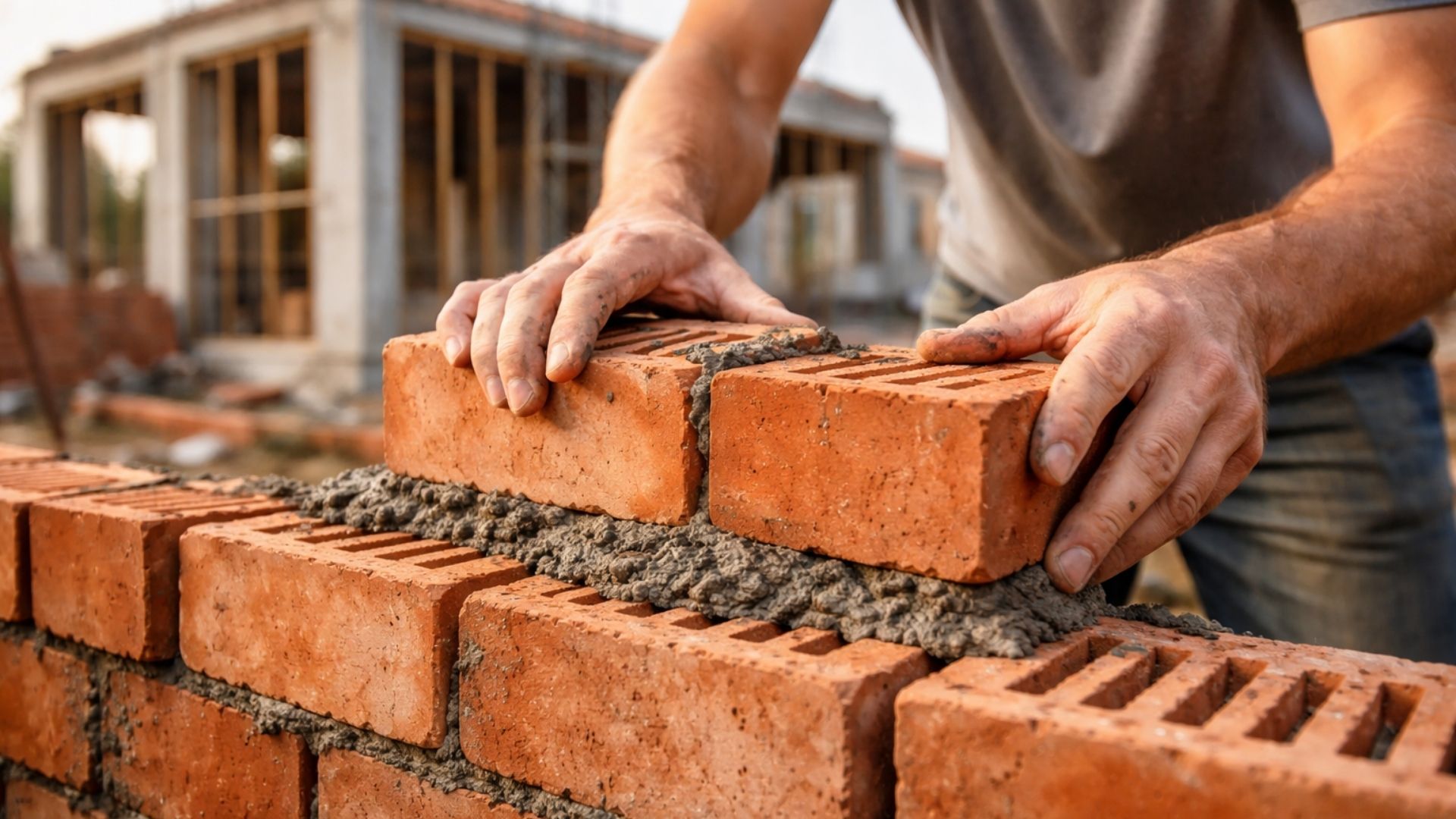
‘Interlocking brick’ made of earth arrives in the construction industry with cost reductions of up to 40% on the project.
-
Espírito Santo will receive the largest engineering project in its history with the duplication of BR 262, which will have 50 viaducts, 28 bridges, and 2-kilometer tunnels cutting through the most challenging mountainous region of the entire state.


The impact is considerable when considering scale. The use of this type of brick in social housing programs or urban developments could mean the proper disposal of thousands of tons of plastic that would otherwise take centuries to decompose in landfills or oceans.
Moreover, the production process for the bricks does not require firing in industrial ovens, as is the case with clay bricks. This means lower CO₂ emissions, less water consumption, and reduced degradation of natural areas. Production is carried out with low energy expenditure and within the parameters of the so-called circular economy: the bricks can be reused, disassembled, and even recycled at the end of their lifespan, without generating waste.
According to Bruno Frederico, CEO of Fuplastic, this approach “not only prevents plastic waste but also redefines the concept of clean construction, with reduced environmental impact and a sustainable production cycle.”
Thermal Comfort in Times of Extreme Heat
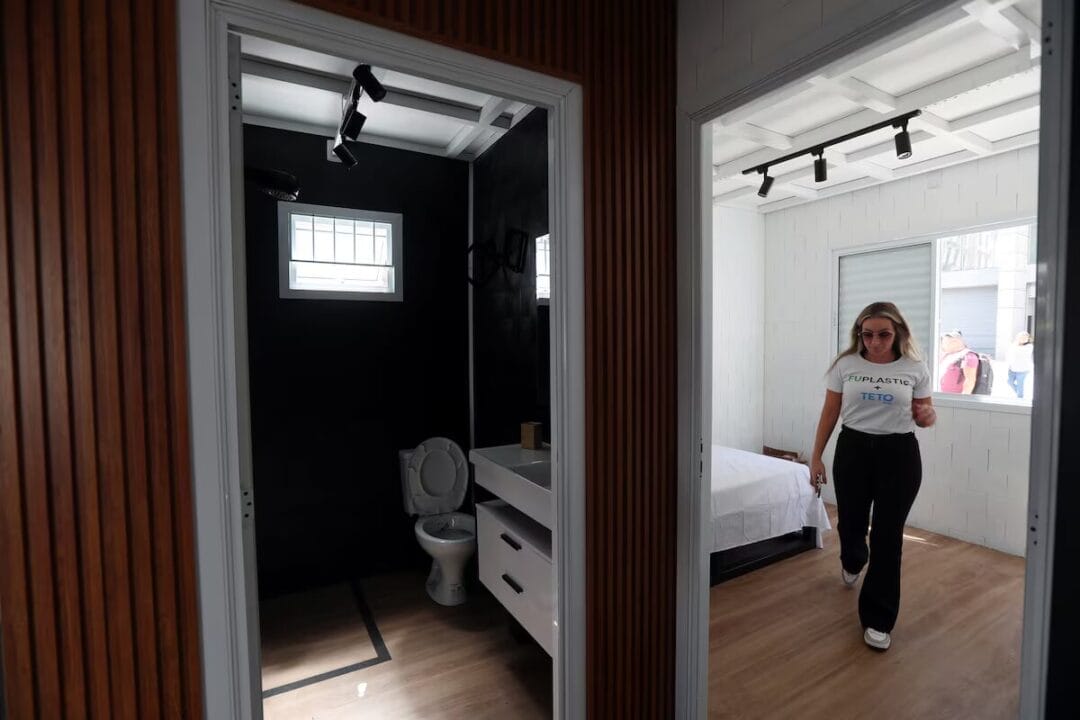
Another differentiator that has drawn the attention of specialists is thermal performance. Unlike traditional bricks, Fuplastic’s plastic blocks have internal cavities that allow air circulation. This natural ventilation helps maintain a more stable and pleasant internal temperature, even during heatwaves.
“The bricks have the ability to breathe. The warm air rises and escapes through the holes, creating a simple and functional passive cooling system,” explains Frederico. Field tests have already confirmed this efficiency, and reports from residents also indicate noticeable improvements in thermal comfort.
This feature is especially important given the worsening of climate change. In a scenario where cities face increasingly severe heat islands, constructive solutions like this can make a difference in the well-being and health of the population.
Challenges and Technical Considerations
Despite the benefits, the widespread adoption of plastic bricks requires attention to some points. As Professor Maurício Resende, a Civil Engineering specialist at Inaciana Educational Foundation (FEI), emphasizes, the thermal performance of a construction does not depend solely on the material used. “Architectural design, cross ventilation, the presence of eaves, and the choice of roofing are also crucial determinants,” he explains.
Another critical factor is fire safety. Since it is a plastic material, it is essential that the blocks undergo rigorous ignitability and fire resistance tests. According to Fuplastic, the bricks already have quality certifications that ensure their use in compliance with national safety standards.
With the proper care and adaptations, the technology can therefore be incorporated without compromising the structural integrity or safety of the buildings.
Social Inclusion and Accessible Architecture
Far beyond environmental sustainability, plastic bricks are paving the way for a new model of social housing in Brazil. Their lightness and simple assembly make them ideal for construction in hard-to-reach areas or in communities with poor infrastructure.
A notable example comes from the work of the NGO TETO Brasil, which has already used Fuplastic bricks in emergency projects. Regiane Alves da Silva, a resident of the Porto de Areia community in Carapicuíba (SP), was one of the beneficiaries. “The house is airy, comfortable, and very well planned. It exceeded my expectations,” she reports.
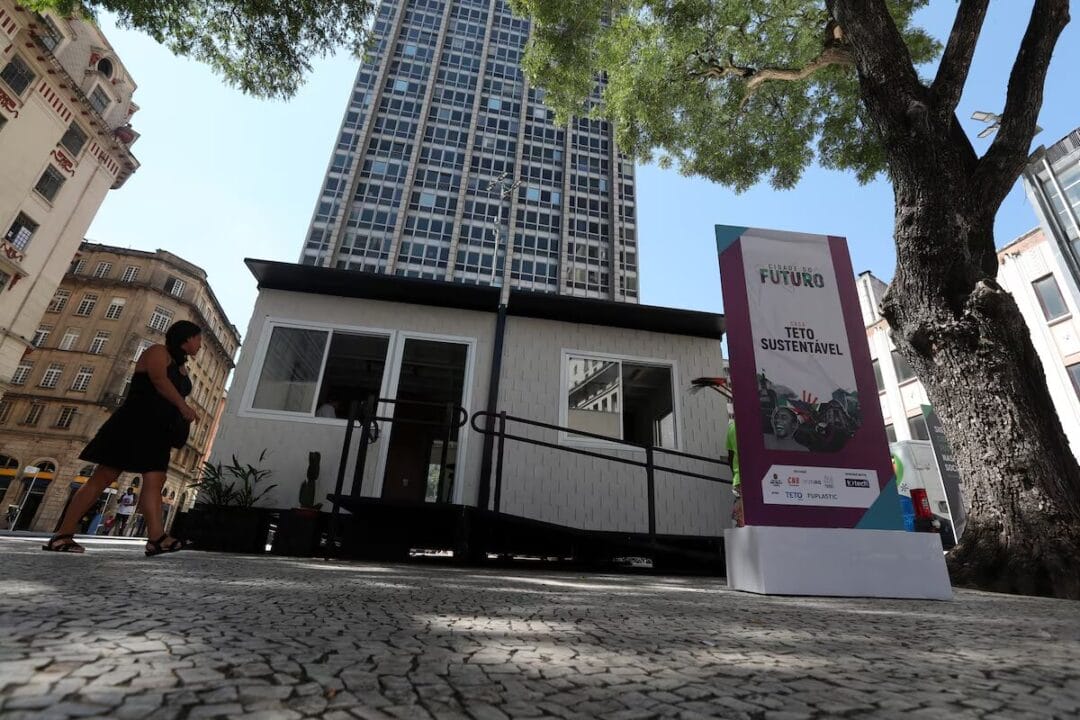
During the Cidade do Futuro 2024 festival, held at Praça do Patriarca, in downtown São Paulo, a model house made with plastic blocks was presented to the public. The structure caught attention not only for its modern aesthetic but for its proposal of real feasibility: a quickly assembled house, with thermal comfort, reusable and without waste generation.
According to the project creators, these homes offer living conditions equivalent to those of traditional brick constructions — with the advantage of being cleaner, more accessible, and sustainable.
Path to the Future
The plastic brick symbolizes a paradigm shift in the construction sector. It emerges as a concrete solution to two of the biggest contemporary dilemmas: global warming and the excess of solid waste. By combining technological innovation with social and environmental impact, it positions itself as one of the pillars of new sustainable architecture.
As governments, businesses, and NGOs seek alternatives for urbanization that are more humane and ecological, materials like this gain prominence. The challenge now is to expand its application, reduce production costs at scale, and transform this model into public policy.
If the key to a more just and balanced future lies in the way we build our homes, it may also be in how we recycle what was once discarded.
For more information on products, prices, and availability, visit Fuplastic’s official website: fuplastic.com.br










Seja o primeiro a reagir!