





 Português
  Inglês
  Espanhol
  3 min de leitura
  0 comentários


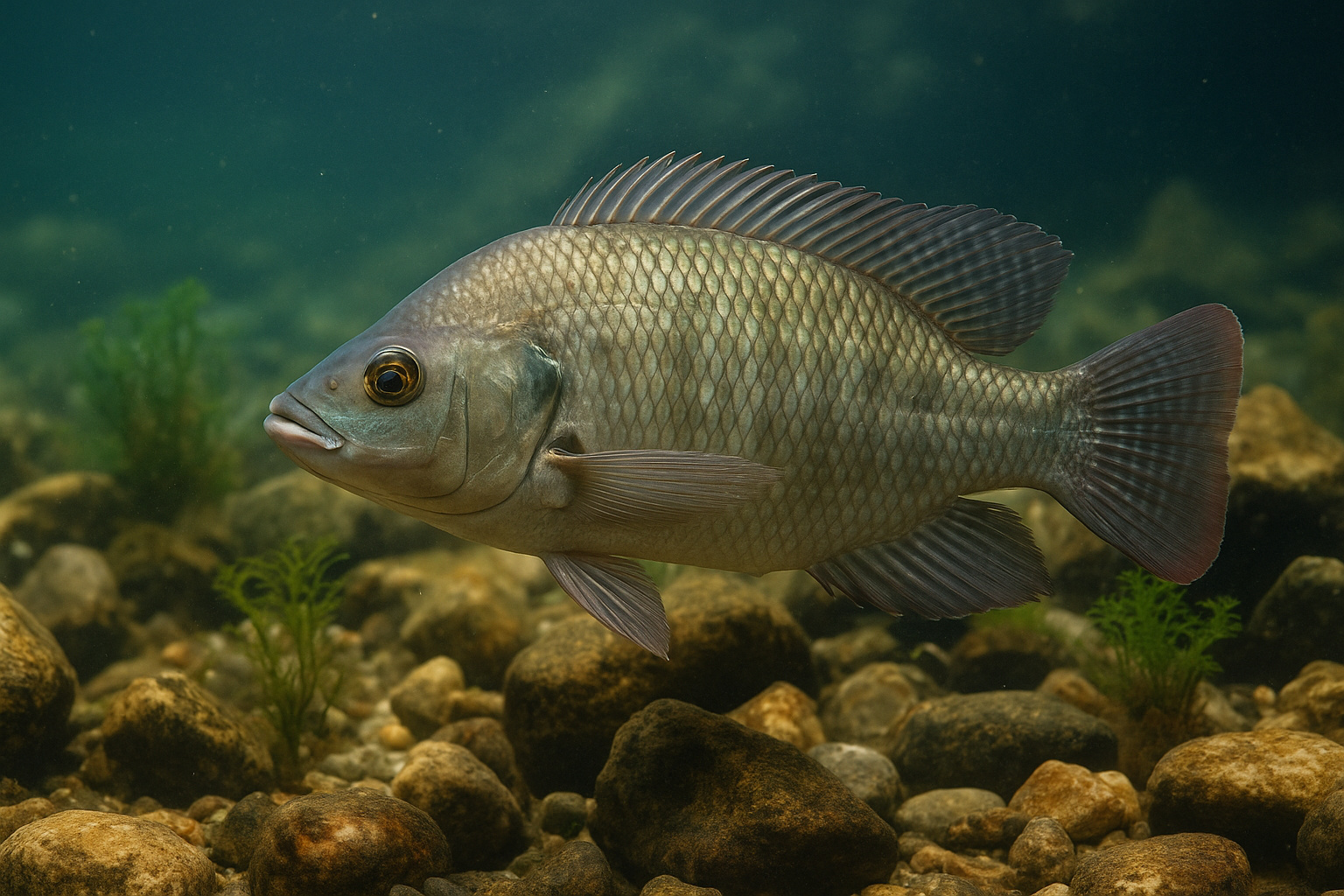
Expansion of the African Species Concerns Researchers and Poses a Risk to the Marine Biodiversity of the São Paulo Coast
The Nile Tilapia (Oreochromis niloticus), originating from Africa, is rapidly multiplying in the canals of Santos, especially in Canal 4, according to a study published in August 2025. Furthermore, the research analyzed 56 specimens and found that the exotic species is directly competing with native fish.
As a result, this imbalance puts the coastal ecosystem at risk and concerns scientists.
According to the São Paulo Research Foundation (FAPESP), tilapia has high genetic resistance and great adaptability to extreme environmental conditions.
Impressive Adaptation to Urban Environments
The survey revealed that the Nile Tilapia exhibits excellent body condition throughout the year, even in environments with low oxygenation and high turbidity.
These conditions, therefore, are typical of polluted urban areas, where many native species cannot survive.
In addition, the study identified mature females in practically every month, demonstrating continuous reproductive capacity and accelerated expansion of the species.
Consequently, this combination of factors reinforces the warning that the African fish may permanently alter the ecological balance of the canals in Santos.
Growing Threat to Coastal Biodiversity
According to researcher João Henrique Alliprandini da Costa, one of the authors of the study, the absence of natural predators favors the uncontrolled spread of tilapia.
As a result, the species finds open space to spread quickly. On the other hand, its territorial behavior and high reproduction rate allow the exotic fish to dominate ecological niches previously occupied by native species, such as robalo and tainha.
In this way, the process compromises the ecological balance and generates economic and social impacts for artisanal fishing.
Moreover, many fishermen rely on local species for their subsistence, and the invasion of tilapia threatens this livelihood.
-
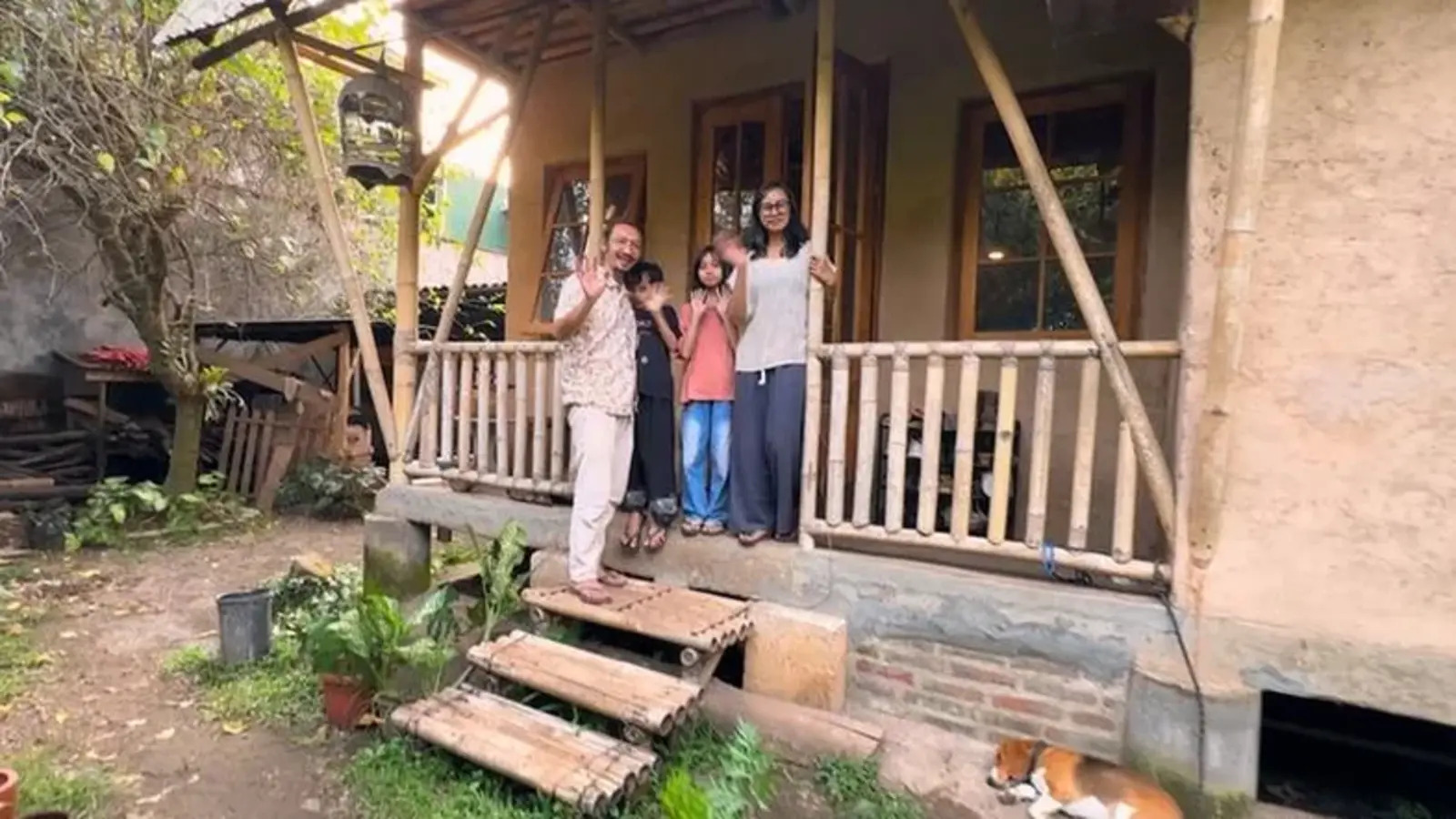
With earth, bamboo, straw, and lime mortar, a specialist builds a house for just over $460 and draws attention for its cost being much lower than traditional construction.
-
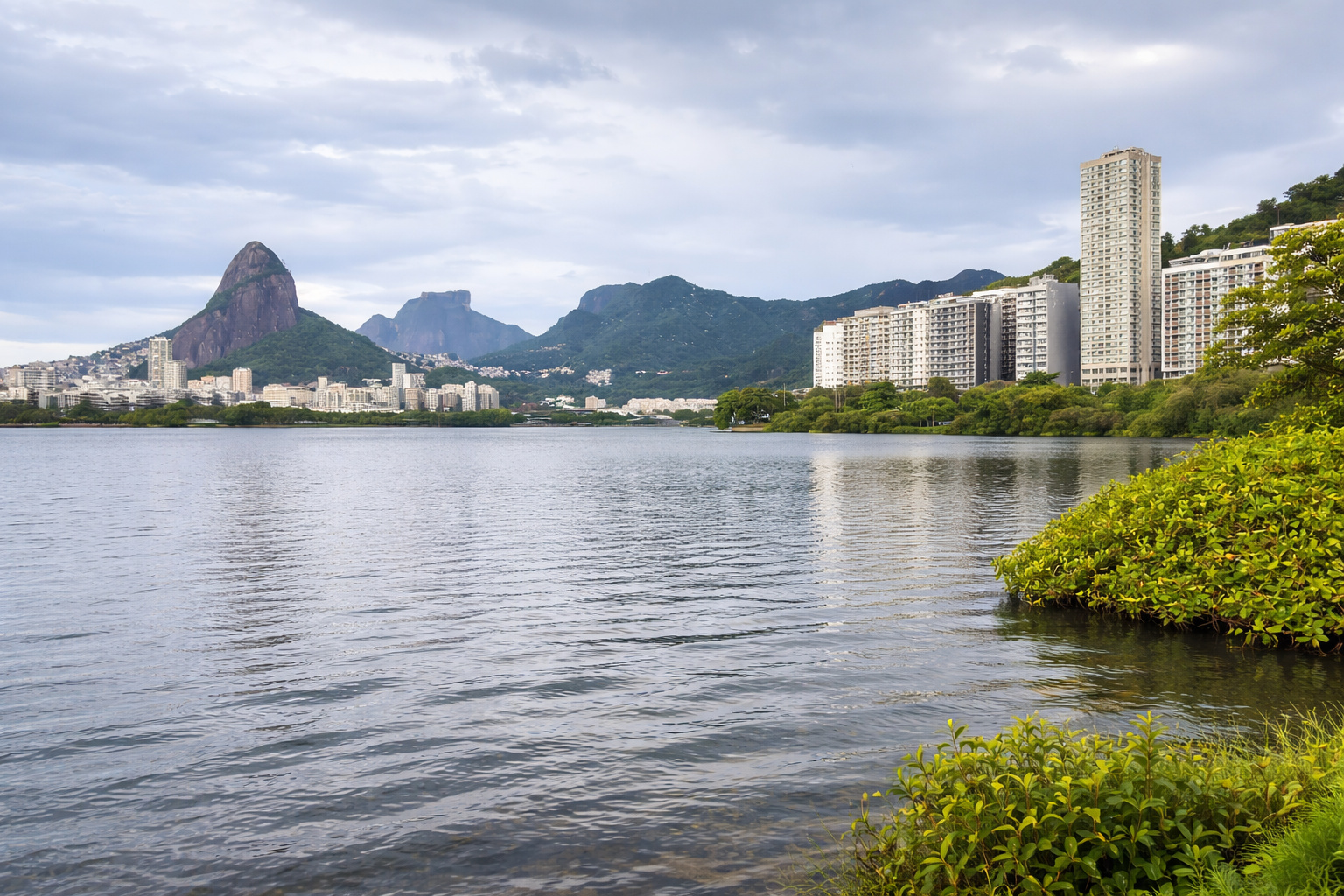
Rodrigo de Freitas Lagoon advances in environmental recovery with sanitation, elimination of irregular sewage, and the resumption of water sports in Rio de Janeiro.
-
Sustainable housing gains strength with a nationally awarded project in Campo Grande, highlighting innovative solutions that combine sustainability, urban integration, and efficiency in the use of natural resources.

-
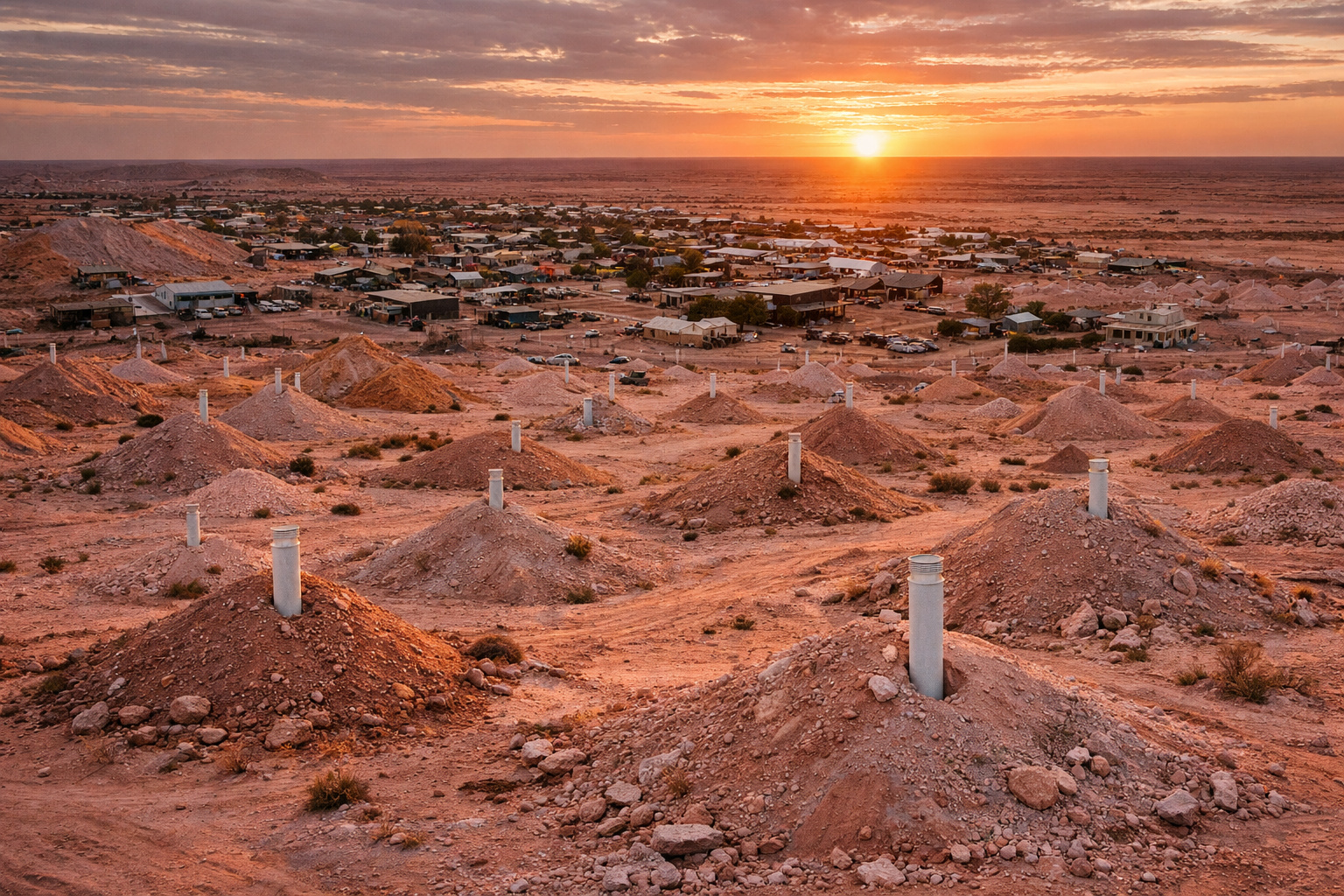
City Where Residents Live Underground to Escape 52°C May Be a Picture of the Future on an Increasingly Hot Planet

Diverse Diet and Impacts on Food Chains
The research highlighted that the Nile Tilapia feeds on organic debris, algae, insects, and larvae of marine fish, such as the earth eater (Menticirrhus littoralis).
As a consequence, this varied diet enhances its competitive advantage and threatens entire food chains, directly interfering with the survival of native species.
In addition, the species also impacts the regional fishing economy by reducing the availability of commercial fish.
Due to this, the growing presence of tilapia represents a problem of ecological and economic dimensions.
As a result, the species can thrive even in highly degraded locations, exacerbating the environmental problem.
Urgency in Controlling and Monitoring the Species
Experts emphasize the immediate need for management and control actions, with continuous monitoring of tilapia in the canals of Santos.
However, despite the warnings, there are still no records of concrete measures taken by municipal authorities to curb the advance of the invasive fish.
For this reason, the lack of intervention allows the species to spread to other areas of the São Paulo coast, expanding the environmental impact.
If no action is taken, the ecological damage could become irreversible, affecting the entire biodiversity of the region. Therefore, the challenge now is to contain the invasion before the impact becomes permanent.









-

Uma pessoa reagiu a isso.