





 Portuguese
  English
  Spanish
  3 min of reading
  16 comments


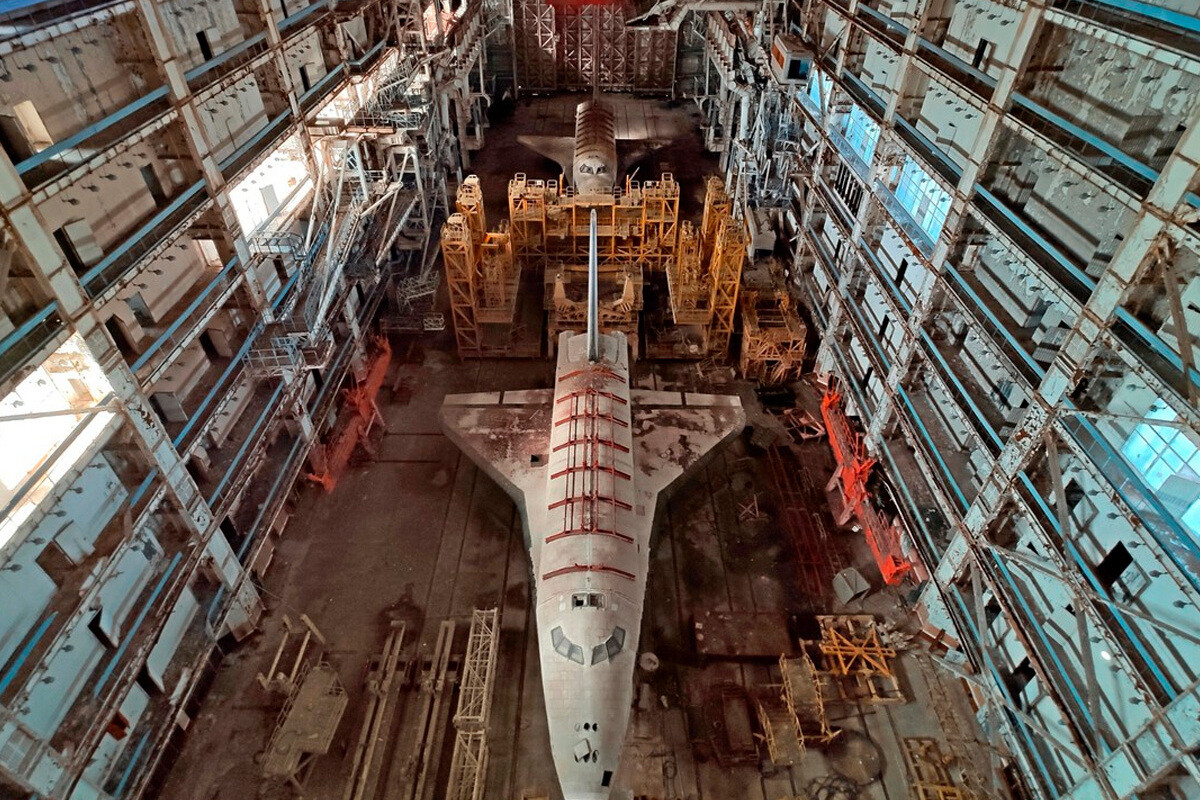


Abandoned in Kazakhstan, the Remaining Spacecraft from the Buran Program Attract Urban Explorers and Keep the Memory of the Soviet Ambition to Surpass NASA in the Space Race Alive
Hidden in abandoned hangars in the middle of the Kazakhstan steppe, two spacecraft that never took off keep alive the memory of one of the most ambitious chapters of the space race. They are the remnants of the Buran program, the Soviet Union’s answer to NASA’s Space Shuttle, now a sought-after destination for urban explorers visiting the Baikonur Cosmodrome.
The Buran Program: Promise and Abandonment
Despite visual similarities, the Buran incorporated significant advancements compared to the American model. Created in the 1980s, it could operate completely autonomously, without the need for a crew, offering more maneuverability and safety both during launch and re-entry into the atmosphere.
While NASA’s Space Shuttle depended on engines attached to an external tank, the Buran could take off independently.
-
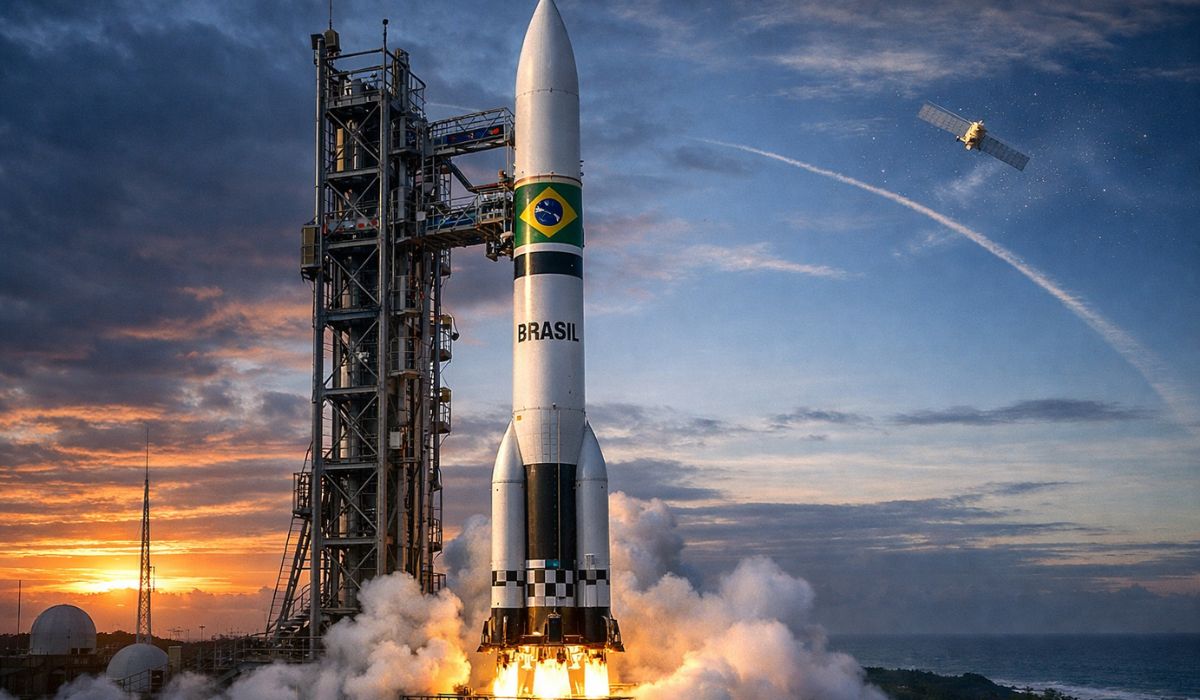
After decades of failed attempts, Brazil is once again looking to space with an orbital rocket measuring 12 meters, weighing 12 tons, costing R$ 189 million, and scheduled for launch in 2026, in a new race to finally achieve autonomous access to orbit.
-
The Earth will plunge into a few minutes of darkness in broad daylight in August 2026, when a total solar eclipse transforms the sky into one of the most impressive astronomical phenomena in recent years.

-
How the terraforming of Mars can transform the planet: artificial aerosols can increase the temperature by up to 35°C in 15 years, creating conditions for liquid water.

-
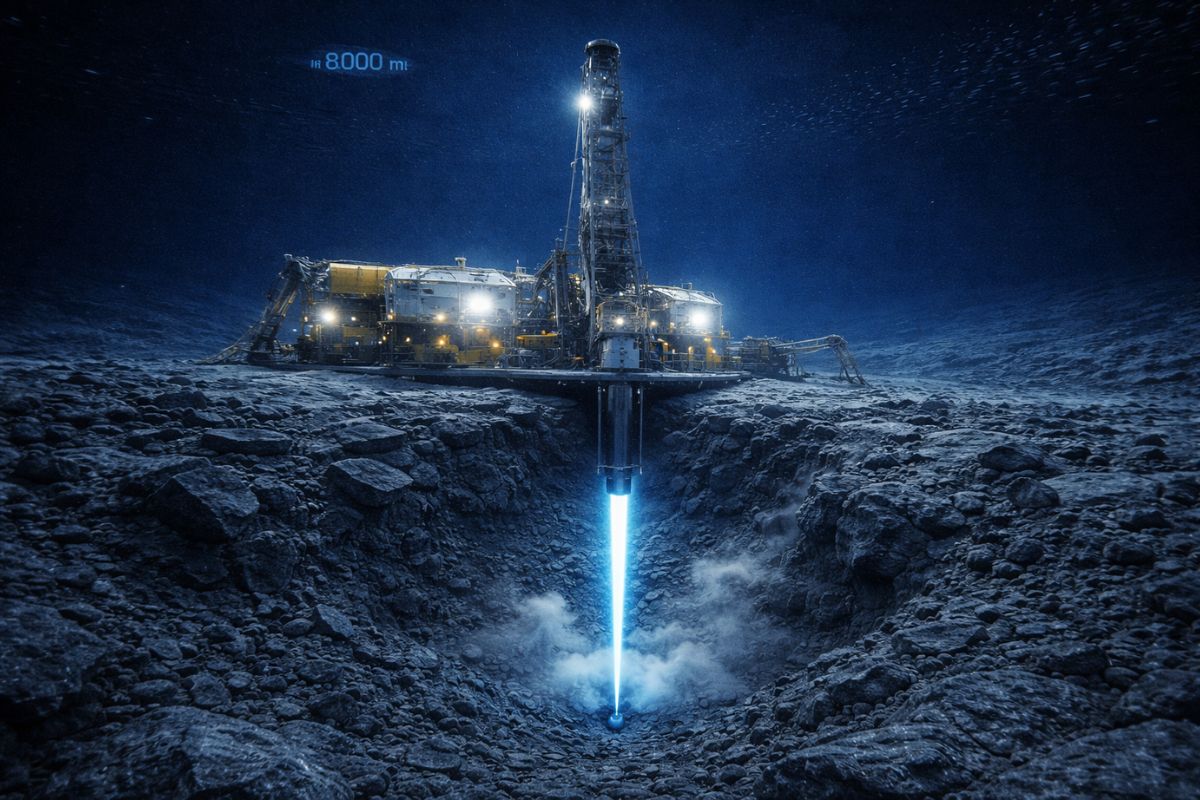
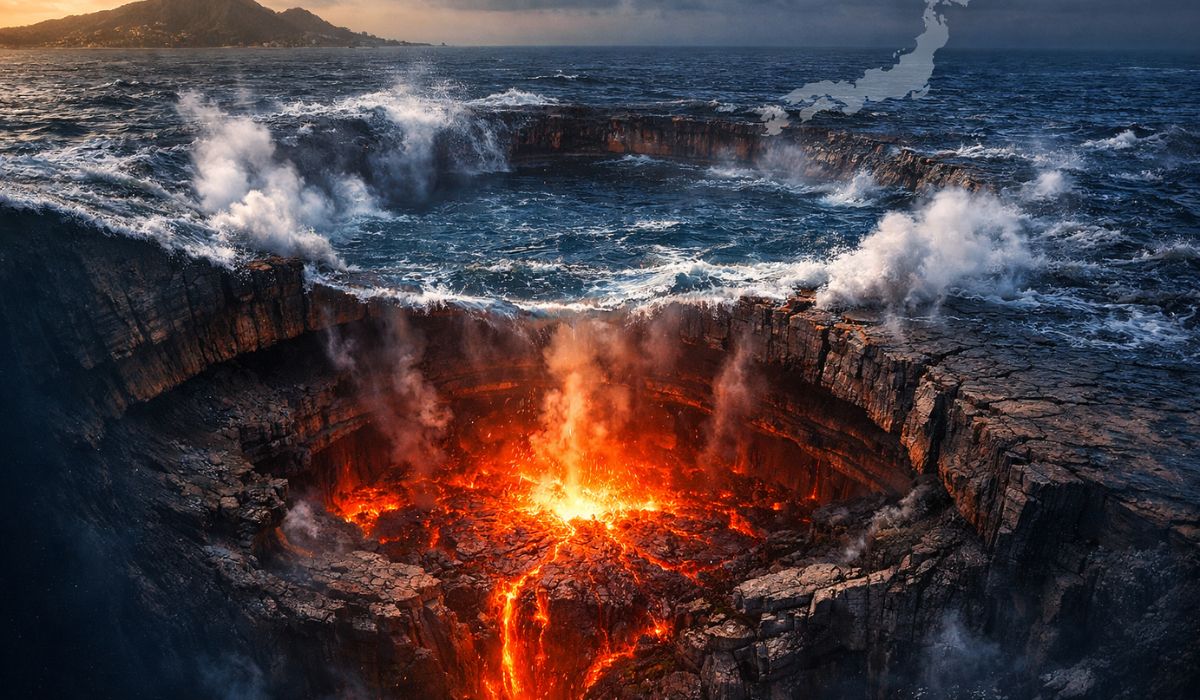
Scientists drilled nearly 8,000 meters into the ocean floor above the fault that caused the 2011 tsunami in Japan and discovered that a layer of clay 130 million years old was responsible for making the wave much worse than any model had predicted.

To reach space, it was coupled with the Energia rocket, the most powerful ever developed by the Soviet Union. The Energia also promised to reduce launch costs, being a complete rocket for the price of just one engine of the American Space Shuttle.
Even with innovations and great potential, a lack of financial resources ended the program. Only one uncrewed Buran spacecraft, named after the project, flew on November 15, 1988. With the dissolution of the Soviet Union, the project was officially canceled in 1993.
Traces of the Space Race

The Baikonur Cosmodrome, the epicenter of the Soviet space race and still used by Russia, houses both remaining space shuttles. One of them, known as Ptichka, was designed for missions but never got launched. The other is a test prototype.
Since the roof of a hangar collapsed in 2002, destroying the only model of the Buran that flew, these two vehicles have become solitary relics of the past. They remain inside a large hangar called MZK.
Destination for Urban Explorers
These space shuttles have become a legend among “urbex” practitioners, the practice of exploring abandoned places. Traveling long distances across the Kazakhstan steppe, facing extreme temperatures and local security surveillance, adventurers from around the world attempt to approach the ancient vehicles.
In 2017, YouTuber Ninurta published images of the empty interiors of the shuttles. At the same time, French photographer David de Rueda captured stunning photos of the site, describing the experience as an epic adventure.
Enhanced Security and Growing Fascination
Despite the risks, interest in the abandoned spacecraft remains strong. Earlier this year, a French tourist died of dehydration near the cosmodrome, although Russian media reported that he was searching for another underground facility. Still, security in the area has been reinforced.
As the space shuttles continue to deteriorate, the discussion about their future grows. Some advocate for preservation and display in museums. Others prefer that they remain as time capsules, silent witnesses to an era when the Soviet Union dreamed of conquering space.
With information from Xataka.







Não realidade eles cancelaram o projeto ainda no inicio por causa da relação custo X benefício e dos riscos que ninguém queria comentar Eles acompanhavam cada passo do programa do caríssimo e inseguro Ônibus Espacial Americano que gastou una fortuna e o que mais matou astronautas na história. A ideia de “foguetes lançadores” reutilizável
mostrou-se genial a vantajosa atraves de Elon Musk mas a ide ia de uma grande nave tripulada reutilizável não se mostrou nada barata pois elas tinham que ser praticamente reconstruções a cada voo e isso levava meses e muito dinheiro . Os esforços estruturais e térmicos na reentrada são extremamente elevados possivelmente provocando até deformações e torções muito mais intensos que os experimentos pelos mais rápidos jatos. Acho que os russos foram sábios ao interromper um projeto só mantido até então pelo clima de competição com os EUA.
Ultimamente não vejo a NASA como topo das tecnologias, empresas privadas e tecnologias militares estão a frente em investimento e inovação tecnológicos, se investir em uns brasileiros, indianos e chineses das gambiarras daria até pra colonizar os planetas ao redor de tantas pérolas que vemos na internet, põe uns viciados cracudos que vamos colonizar até o Sol kkkkkk.
Os terráqueo não conseguem nem cuidar da própria terra.
Kkkkkkkkk.
O Buran era o arma militar, por isto não era tripulado, foi lançado ao espaço com sucesso totalmente automático, levava 16 ogivas nucleares e retornou a terra com sucesso. O modelo de ônibus espacial era arriscado demais, para ser tripulado não foi atoa que morreram 14 astronautas americanos.
Nunca ouvi falar nessa teoria. Totalmente anti-prático usar um ônibus espacial caríssimo para transportar e lançar ogivas, sendo os foguetes balísticos muitíssimo mais eficientes nessa tarefa.