





 English
  Francês
  Alemão
  Italiano
  Japonês
  Norueguês
  Portuguese
  Spanish
  4 min of reading
  0 comments


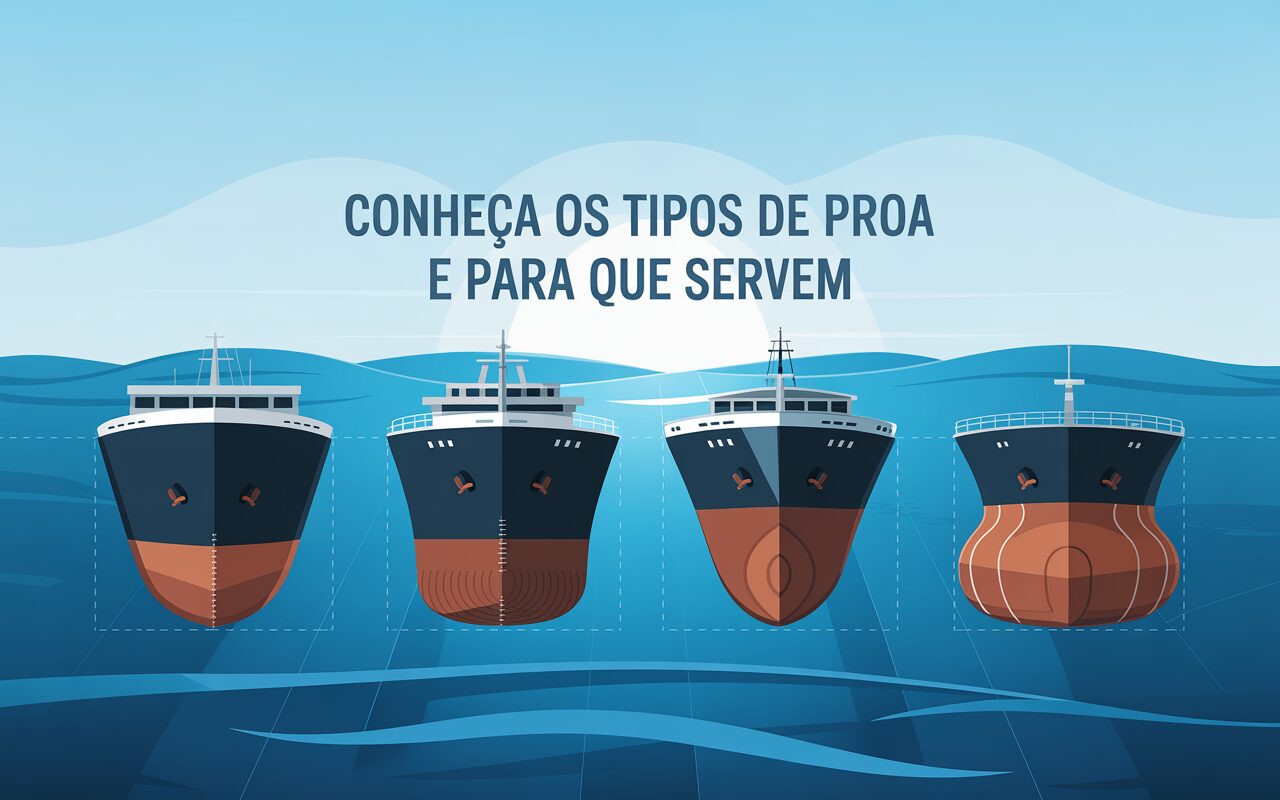
Shapes such as V-shaped, straight, inverted, and bulbous bows influence stability, comfort, speed, and the behavior of the vessel at sea.
Choosing the ideal bow type is a decision that should be made early in the project phase of any vessel. More than an aesthetic element, the bow directly influences the boat’s performance in the water, its stability, speed, fuel consumption, and even onboard comfort. Therefore, understanding the different types of bows and their practical applications is essential for those who navigate or plan to acquire a vessel.
Although design innovations bring models with bold looks and modern trends, experienced designers warn that functionality should always prevail over appearance. The correct shape depends exclusively on the intended use—whether it will be a boat for cruising in calm waters, deep-sea fishing, or more demanding ocean crossings.
Next, discover the main types of bows used in boat construction and the characteristics that each one offers.
-
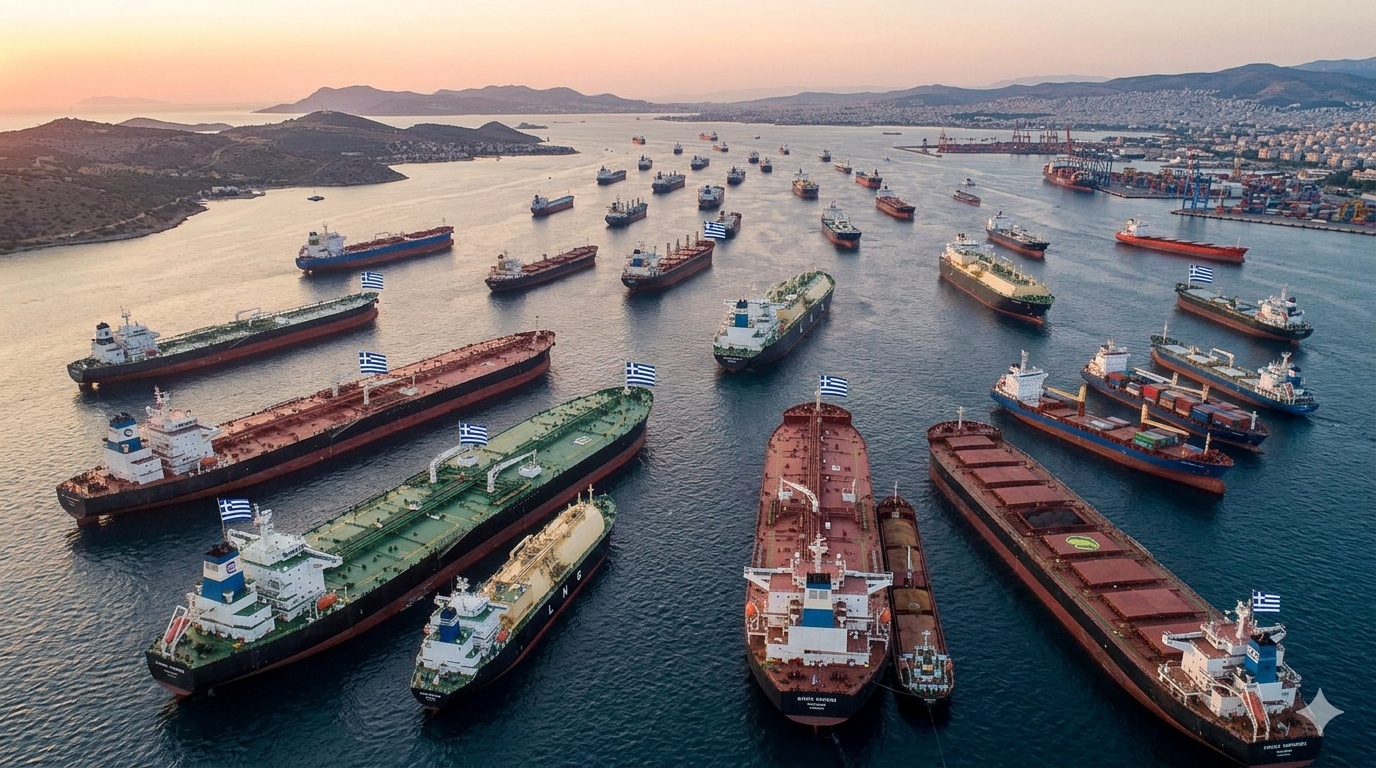
Neither the USA nor China: a small European nation has become one of the largest maritime powers on the planet, controlling one of the largest merchant fleets in the world with thousands of ships and dominating the global transportation of oil and strategic cargo.
-
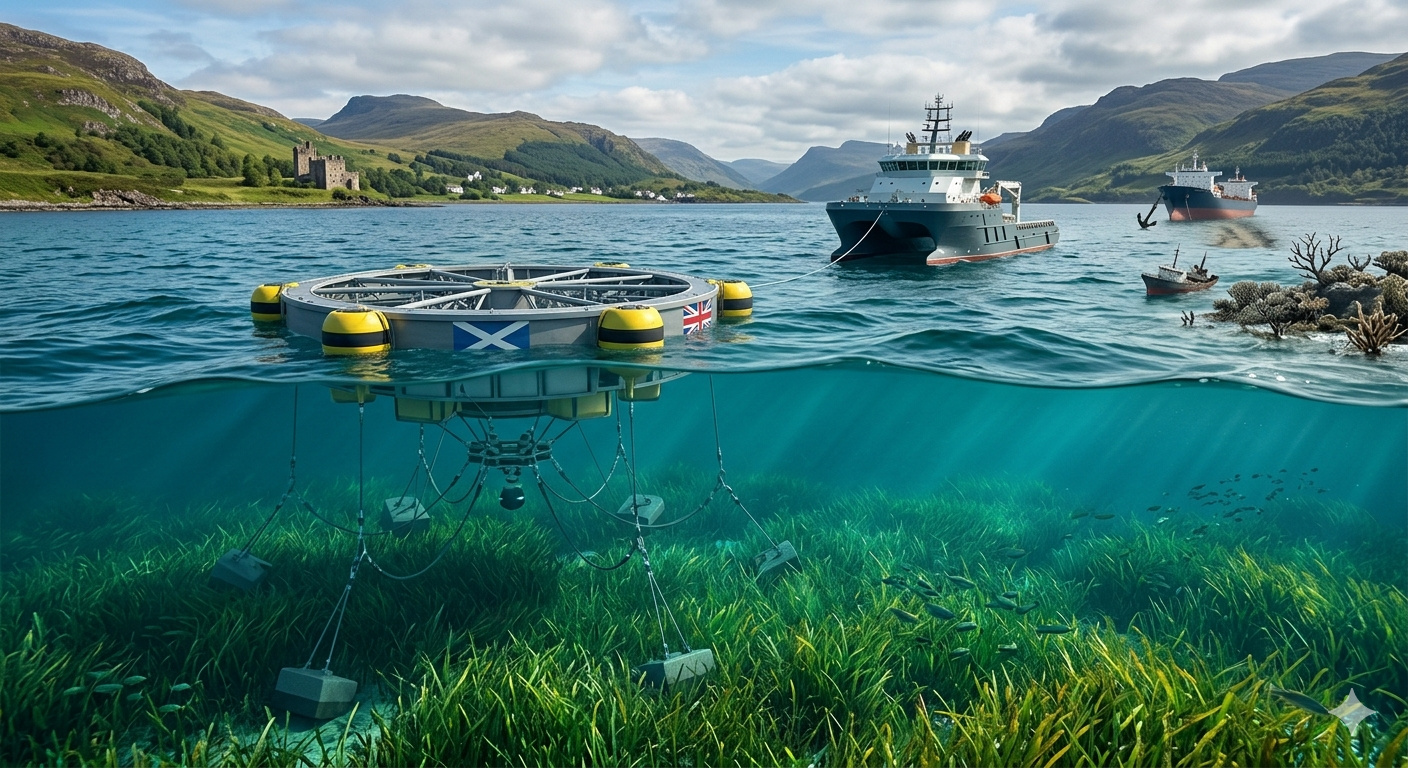
Scotland and the United Kingdom have created a new anchoring system that floats in the water without touching the seabed, after discovering that the current from a conventional anchor destroys up to 50 m² of seagrass meadow per event and that ship-damaged reefs showed no signs of recovery even ten years later.
-
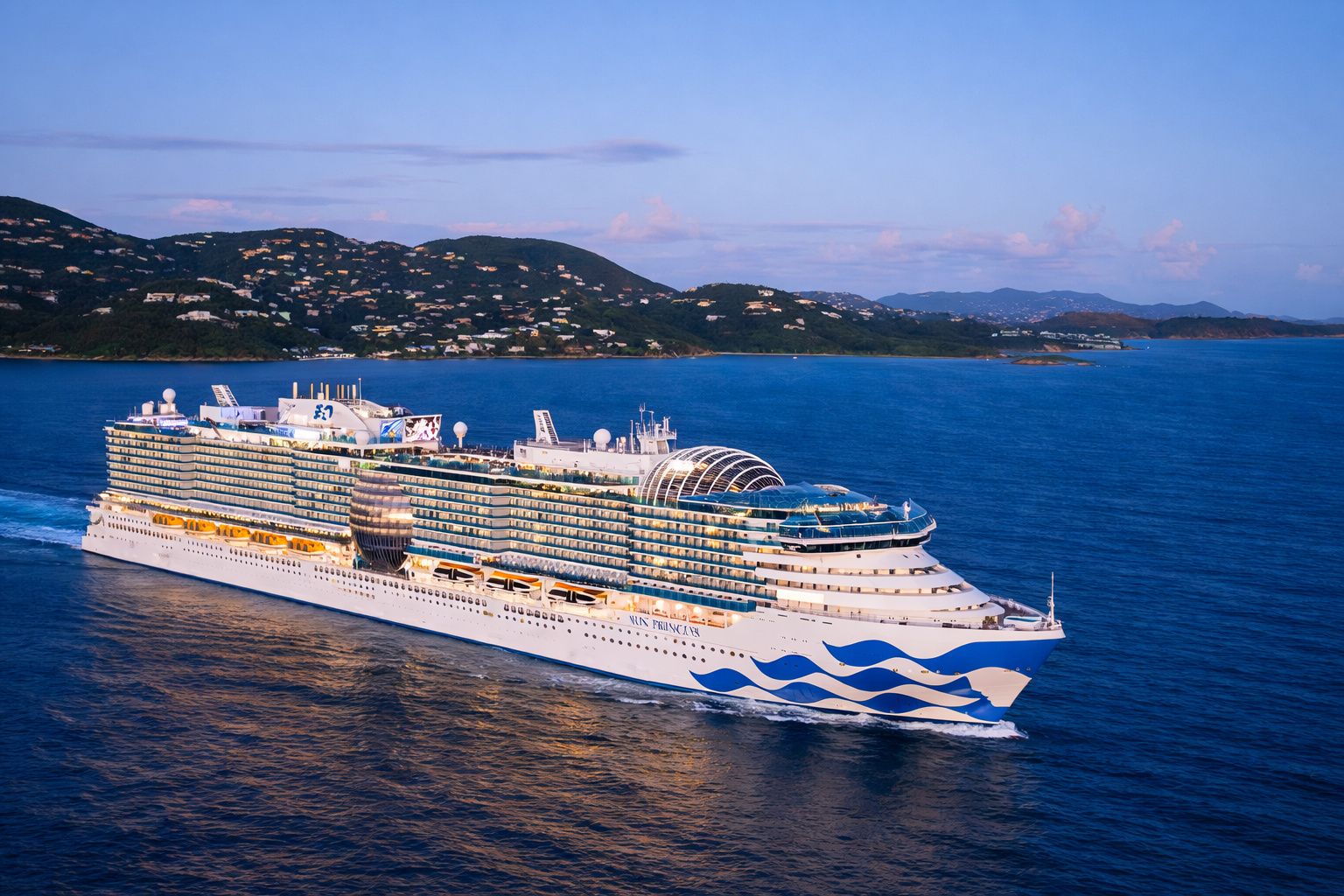
Weighing 175,500 Tons, Measuring 345 Meters Long, and With Capacity for Over 4,300 Passengers, the Sun Princess Becomes the Largest Ship Ever Built by Princess Cruises and Attracts Global Attention for Its Huge Glass Dome Inspired by Santorini’s Architecture Installed on Top of the Vessel
-
TX-10, The Colossus of The Sea: Largest Lifter Ship in The U.S., With Two Giant Barges, 73-Meter Tall Structure, and Strength to Raise 7,500 Tons of Sunken Oil Rigs
V-Shaped Bow: Balance Between Comfort and Performance
The V-shaped bow is one of the most common in recreational boats. Its shape helps to soften the impact of waves and provides a more comfortable navigation experience, especially when the boat enters planning mode. By penetrating the water well, it reduces resistance and prevents the hull from submerging in rough seas.
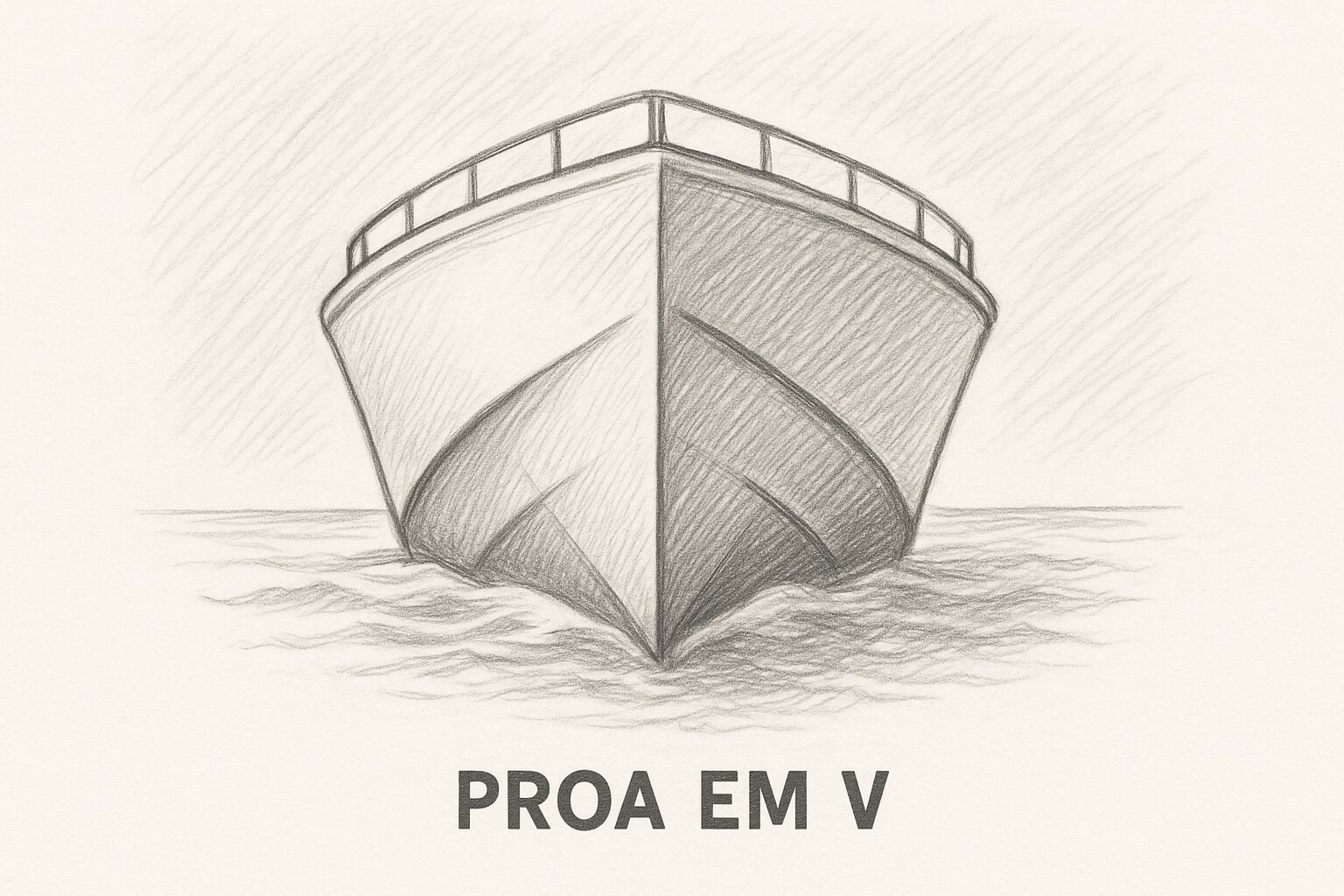
It is also widely used in vessels that operate at medium and high speeds, balancing performance and stability, making it ideal for coastal cruising.
V-Shaped Bow with Flare: Ideal for Deep-Sea Fishing
A variation of the previous design, the V-shaped bow with flare is especially adopted in ocean fishing boats. Below the waterline, it maintains a deep V shape, but above it features a flared curve outward, known as “flare.” This curve serves to deflect water away from the hull, reducing spray and keeping the deck drier, even in rough seas.
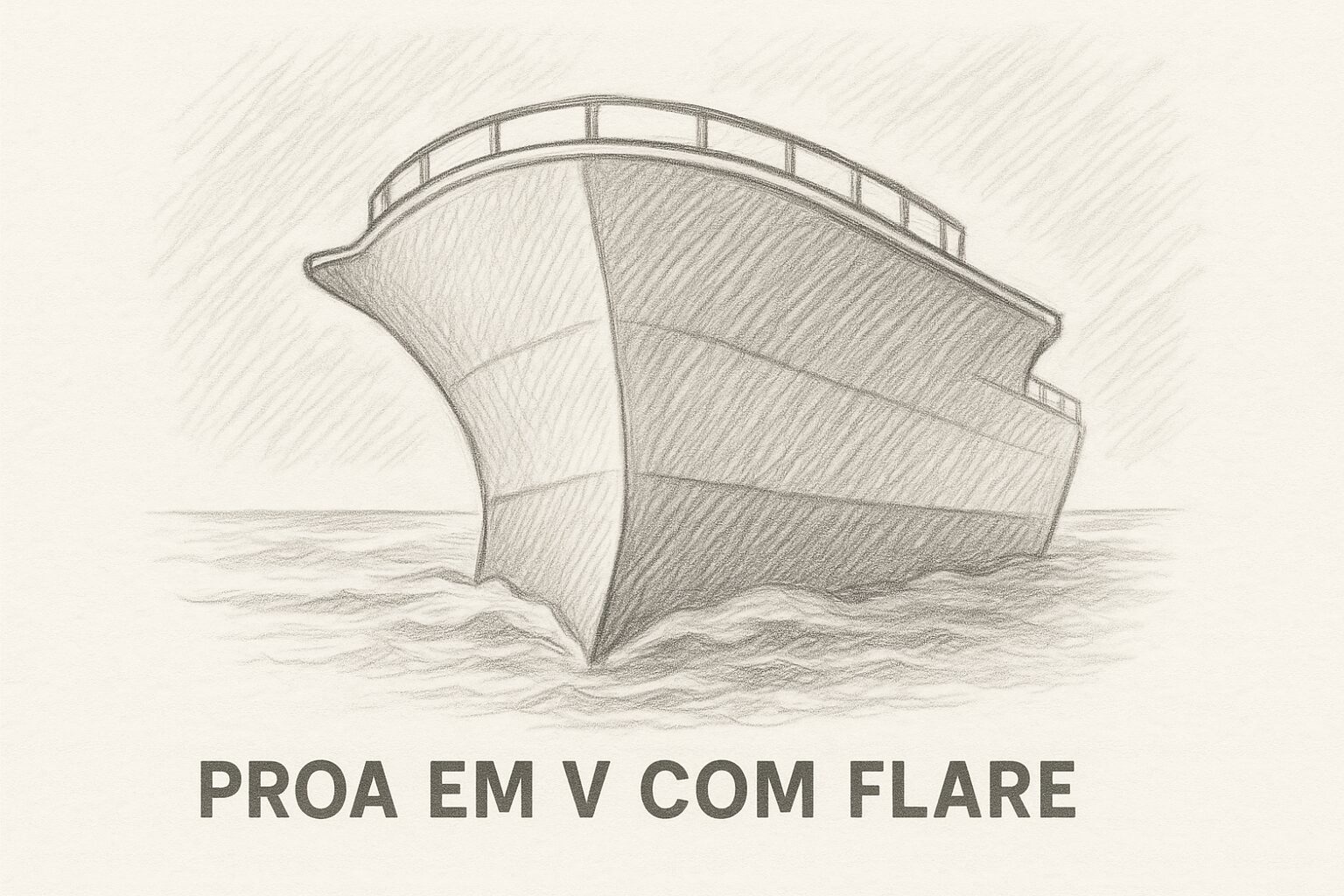
The large volume above the waterline also helps prevent the vessel from easily submerging in waves, making it ideal for long days of fishing in more unstable areas.
Straight Bow: Trend in Modern Sailboats and Sport Boats
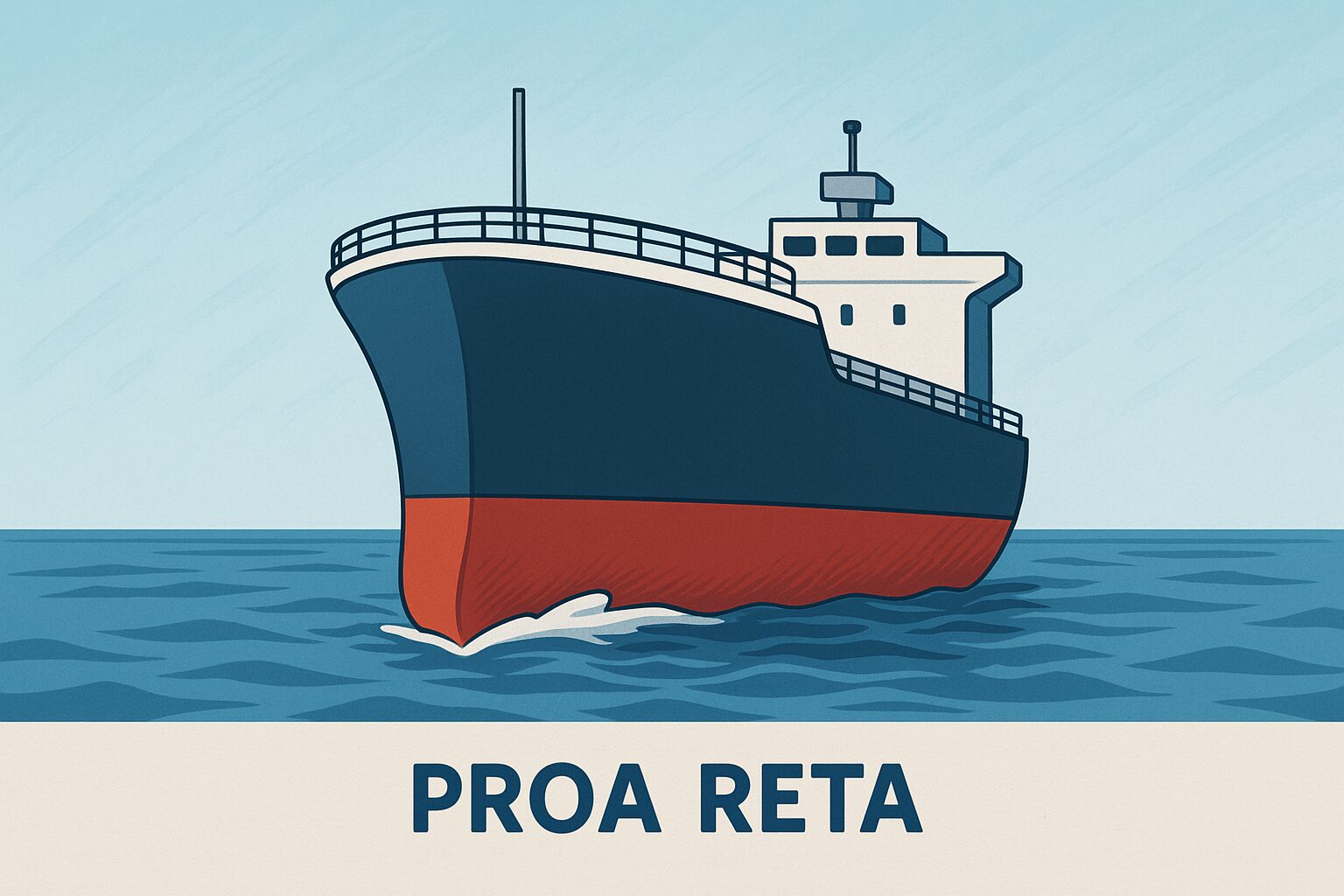
Common in modern vessels and even in high-performance boats like those from Axopar and Wally, the straight or slightly launched bow promotes increased speed by reducing the total length of the hull in contact with the water. Although it brings performance gains, especially in competitive sailboats, it can cause the boat to submerge at high speeds if not well designed.
It is more common in vessels with advanced designs, where other structural elements compensate for this feature.
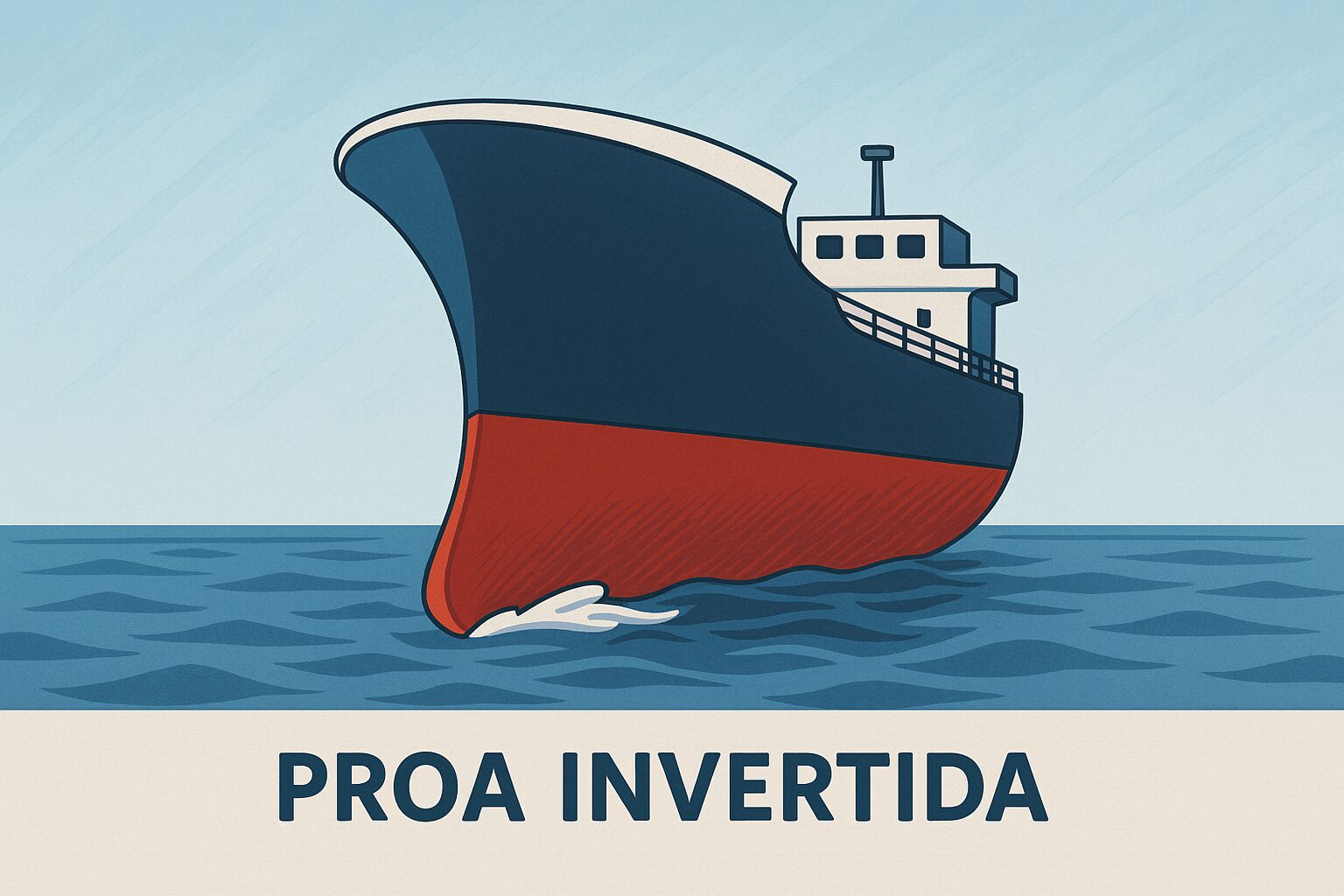
Inverted Bow: Smooth, But Wet Navigation
The inverted bow, also known as “axe bow,” has been primarily used in military boats and high-performance cruising designs. Its geometry allows the vessel to cut through waves rather than scaling them, reducing impact and providing smoother navigation.
On the other hand, this shape tends to take on more water on the deck and requires the cockpit to be designed further toward the stern, as the front area is constantly washed during navigation.
Bulbous Bow: Efficiency in Ships and Trawlers
Characteristic of large vessels, such as ships and trawlers, the bulbous bow features a protruding volume below the waterline. This shape reduces hydrodynamic resistance, improving speed and decreasing fuel consumption.
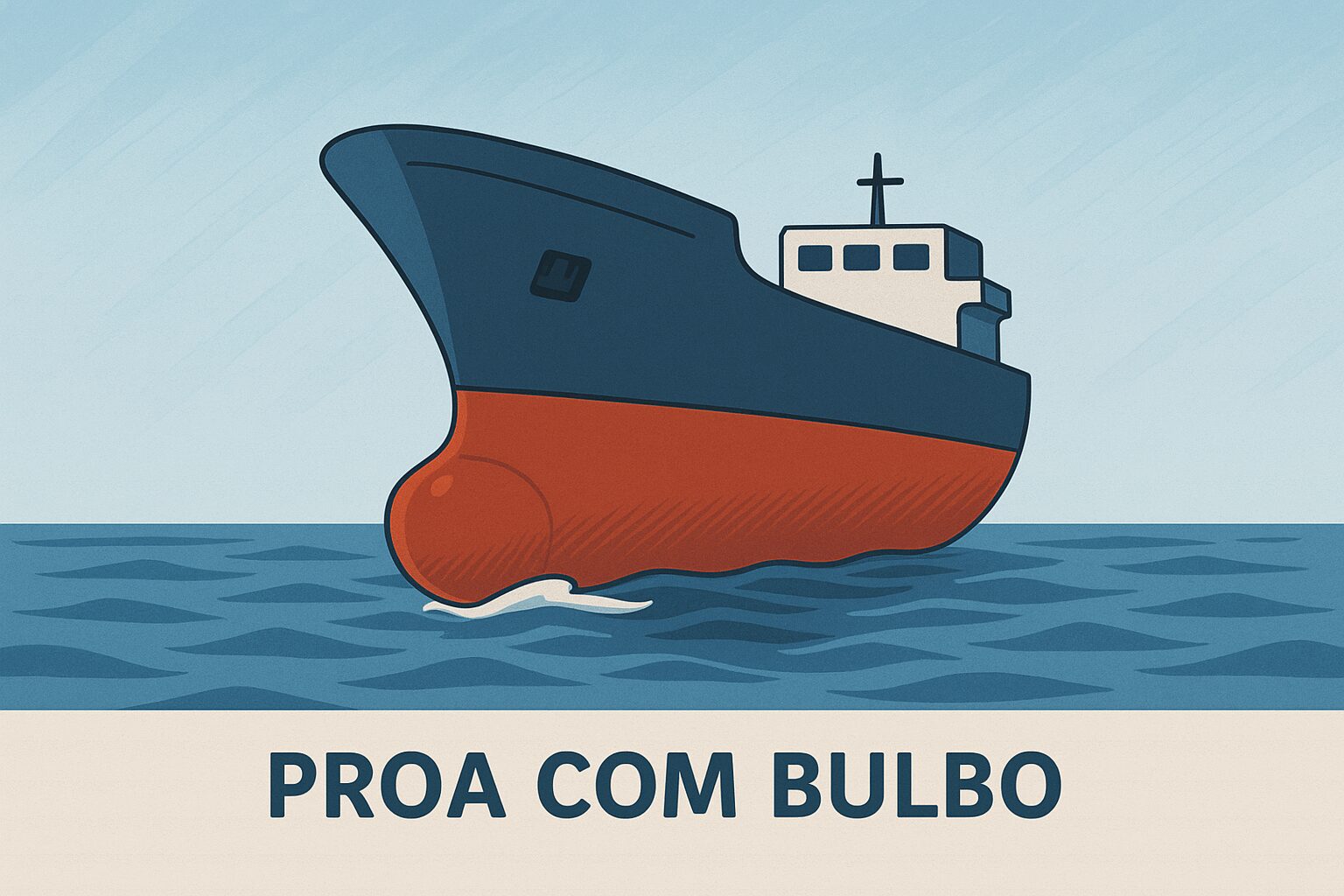
Although the bulb does not significantly contribute to stability in rough seas, it is an efficient solution for vessels that prioritize fuel efficiency on long-distance routes.
Wave-Piercing Bow: Clean Cut Through the Waves
The term “wave-piercing” refers to bows designed to pierce directly through water masses, rather than floating above them. This type of bow is common in trimarans and high-performance multihull vessels, where the side hulls are narrow and the central hull is more robust.
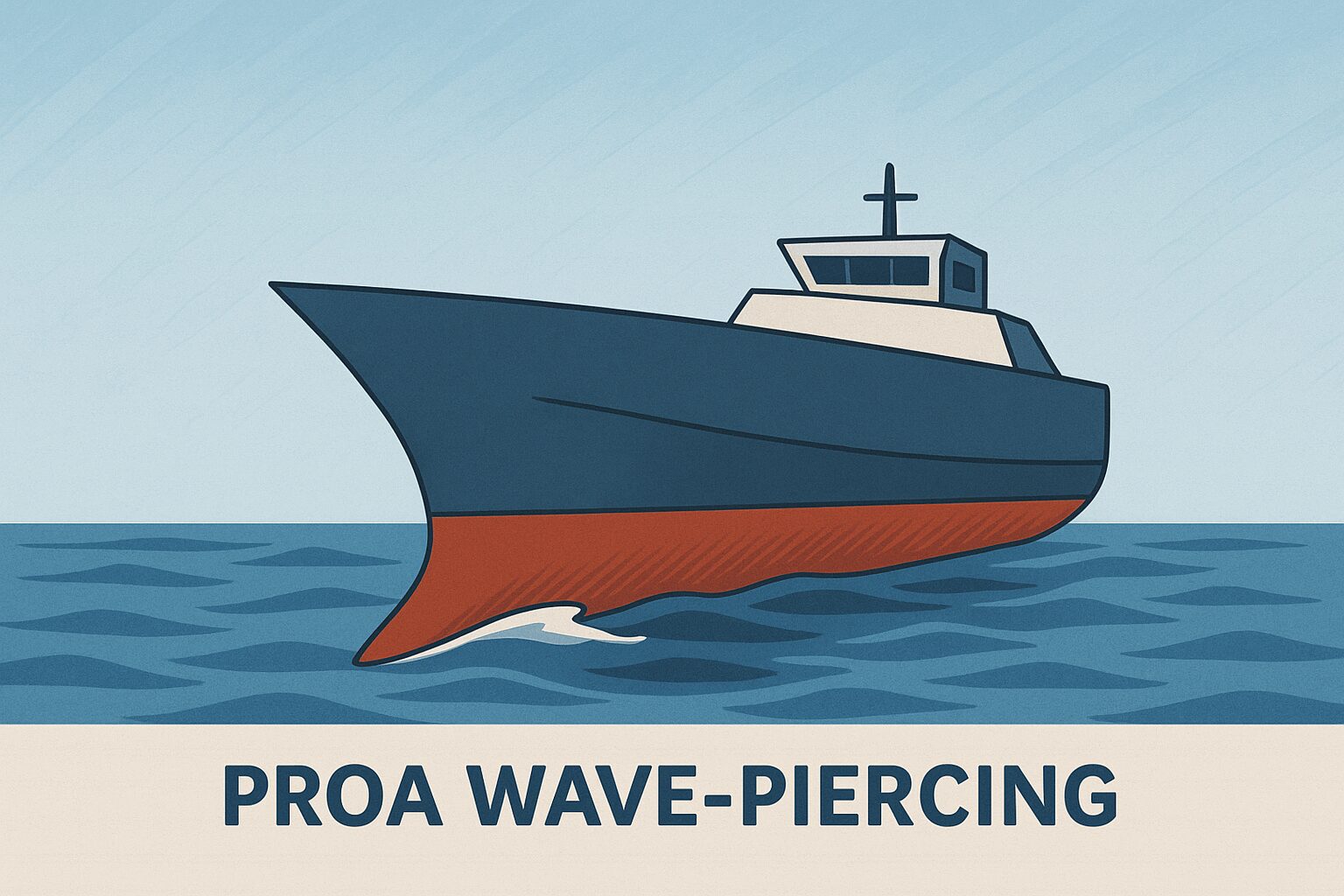
This solution improves performance at higher speeds and reduces lateral rolling, but requires the boat to have enough buoyancy volume in other areas, as these bows tend to keep the hull partially submerged.
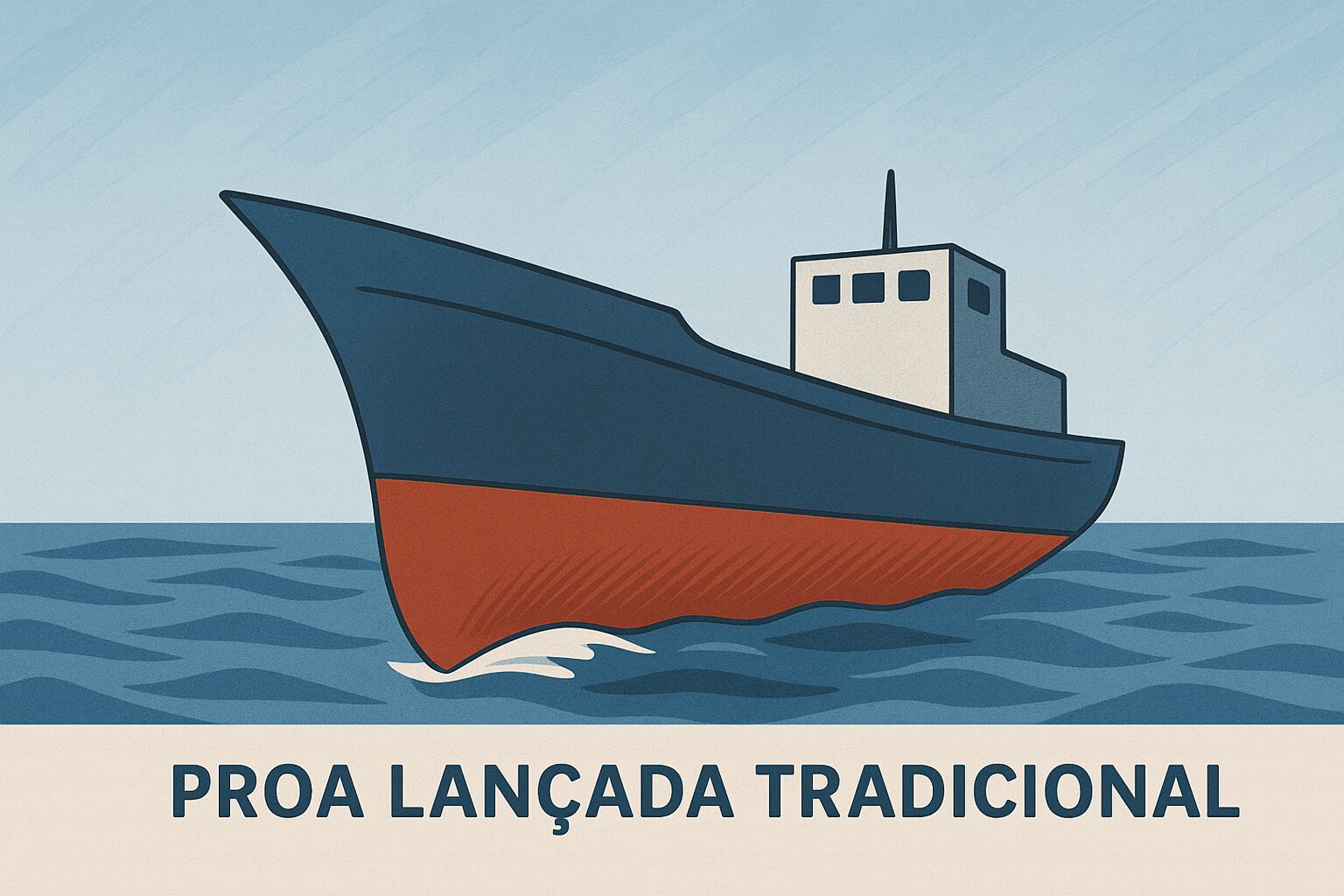
Traditional Launched Bow: Good in Open Sea, But Out of Use
More common in older sailboats, the heavily launched bow was widely used in vessels designed for open seas. Its geometry favors performance in rough waters but has the disadvantage of reducing internal space in the forward cabin and shortening the waterline, limiting speed.
This type of bow has lost ground in modern designs but can still be seen in classic models or vessels with a traditional focus.
How to Choose the Ideal Bow Type
The choice of bow type should always be associated with the primary use of the boat:
- For coastal cruising and navigation in calm waters, a rounded or V bow provides more comfort and space.
- In open sea environments, the ideal choice may be a V-shaped bow with flare or launched bow.
- For cruising or competition vessels that prioritize performance, straight or inverted bows may be advantageous.
- For ships and trawlers, the focus on energy efficiency makes the bulbous bow the best solution.
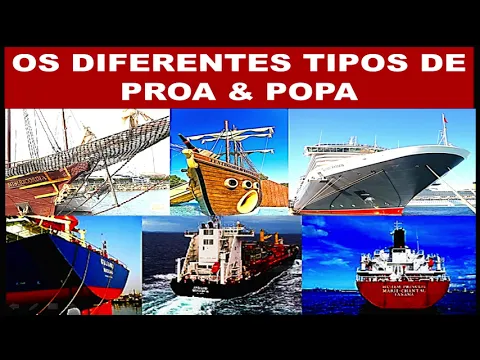
For those seeking to deepen their knowledge about the different types of bows and sterns, we recommend the video delivered by Commander Roberto Andrade. In the lesson, he clearly explains the main characteristics of these fundamental parts of a vessel. Watch the full content below:









-

-

-

-

-

-

115 pessoas reagiram a isso.