





 Portuguese
  English
  Spanish
  4 min of reading
  3 comments


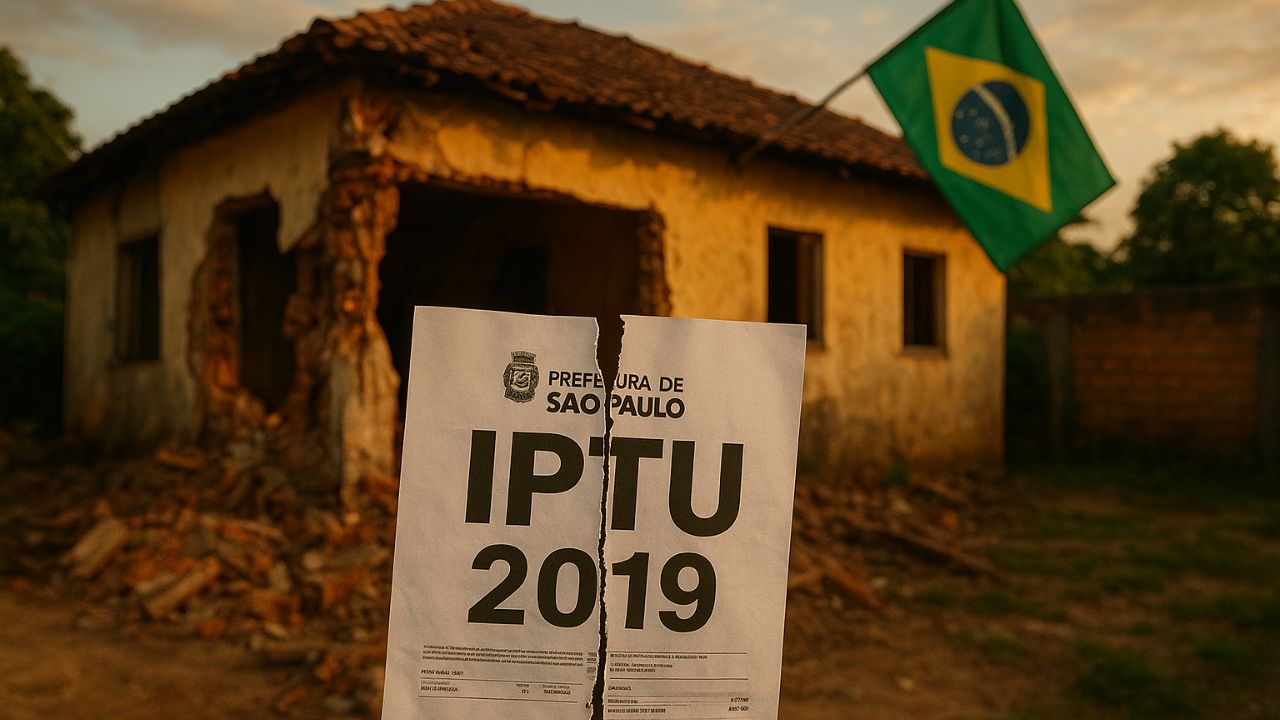


Historic Ruling of the São Paulo Court of Justice Exempts Original Owner from Paying Property Tax on Properties Occupied by Third Parties, Annulling Taxes and Requiring Refund of Amounts.
The São Paulo Court of Justice (TJ-SP) issued a ruling of great impact for tax and real estate law, establishing that the owner of a property invaded by third parties is not the legally responsible taxpayer for the Urban Property and Land Tax (IPTU). This fundamental understanding, reinforced by the 18th Chamber of Public Law of TJ-SP, recognizes that the loss of possession of the asset empties the “tax event” for the original owner, who is not enjoying their ownership rights.
The Legal Consultant reported the case of a property owner in São Paulo who inherited the property already occupied by low-income families and, nevertheless, continued to pay the IPTU installments between 2019 and 2023. The decision not only declared the non-exigibility of these taxes, annulling the assessments, but also ordered the city to refund the amounts paid unduly, with interest and monetary correction. This precedent answers the question, “Who owes the IPTU in the case of invasion?” and establishes a new standard for municipal collection.
The Issue of Possession and the Non-Exigibility of the Tax
The National Tax Code (CTN), in its article 32, defines that the tax event for the IPTU is the ownership, beneficial ownership, or possession of the real estate. The core of the owner’s winning argument, already in the first instance, was precisely the fact of being usurped of the possession, one of the essential rights linked to ownership.
-
The new Civil Code could revolutionize marriages in Brazil with “express divorce” and changes that could exclude spouses from inheritance.
-
Banco do Brasil sues famous influencer for million-dollar debt and intensifies debate on delinquency, risks of seizure, and direct impact on Gkay’s credibility.

-
The Senate approves a bill that criminalizes misogyny, hatred, or aversion towards women, and includes the crime in the Racism Law with a penalty of up to 5 years.

-
Chamber Approves Bill That Allows Pepper Spray for Women Over 16 and Imposes Strict Rules for Purchase, Possession, and Use as Self-Defense


The right of ownership without possession, use, enjoyment, and incapable of generating any type of income for its holder ceases to be, in essence, a right of ownership, as it is nothing more than an empty shell in search of its content and meaning, a legal formality denied by the reality of the facts.
Judge Wanderley José Federighi, the rapporteur of the case, rejected the city’s argument that mere ownership registration would be sufficient to maintain the author as the taxpayer. According to the Legal Consultant, the judge invoked the repeated understanding of the Superior Court of Justice (STJ), which prevents the tax from being charged to the owner who is usurped of possession. In other words, the owner cannot be compelled to pay a tax for the use and enjoyment by invading third parties.
The Municipality and the Prerogative to Charge Current Occupants
This decision also clarifies “Where” the tax responsibility should fall. If the owner does not owe the IPTU, the responsibility should be transferred. Judge Federighi indicated that the municipality had the prerogative and the duty to take measures for the regularization of the area or to establish the debt in the name of the current occupants.
The basis for this transfer is in the CTN itself, which lists the possessor in any capacity as the taxpayer of the IPTU. Once the occupants are in the property with the so-called animus domini (intention to be the owner), the city has the legal means to demand the tax from them. This answers the question “Why” the city should turn against the invaders: because they are the ones who hold possession, use, and enjoyment of the property.
The Impact and the Verdict: Annulment and Refund
The decision of the 18th Chamber of Public Law of TJ-SP, as reported by the Legal Consultant, ratifies the ruling of the 16th Public Treasury Court of the São Paulo District. The owner achieved the annulment of the IPTU debts assessed from 2019 to 2023.
The part of the decision that mandates the refund of the amounts paid, with correction and interest, is a crucial point that demonstrates the recognition of the error in the collection. This shows that, in cases like this, “It is worth” going to court to contest the debt, as the jurisprudence of the STJ and the current understanding of TJ-SP are favorable to the owner usurped of possession. This judicial victory establishes an important precedent for other owners in the same situation to seek the non-exigibility of the tax and the refund of what has been paid.
This judicial decision from São Paulo, cited by the Legal Consultant, changes the way the IPTU is collected in cases of invasion. Do you agree with this change? Do you think the tax responsibility should indeed fall on those who occupy the property with animus domini? Please share your honest opinion in the comments; we want to hear from those who live this in practice and what they think about the real impact on the real estate market and fiscal justice.









E cabe a prefeitura obrigar os invasores a entregar o imóvel em condições de uso.Ou a própria ser responsável por não tomar medidas a favor do proprietário.
Cabe o proprietário entrar com reintegração e posse. E é apenas uma decisão do TJ, é só a procuradoria recorrer tem muita instância e com certeza terá êxito.
Mas a decisão do TJSP é correta.
O Código Tributário diz que a posse também é fato gerador do IPTU.
E no caso enquanto qie o proprietário está impedido de usufruir a posse não há fato gerador do imposto.