





 Portuguese
  English
  Spanish
  3 min of reading
  0 comments


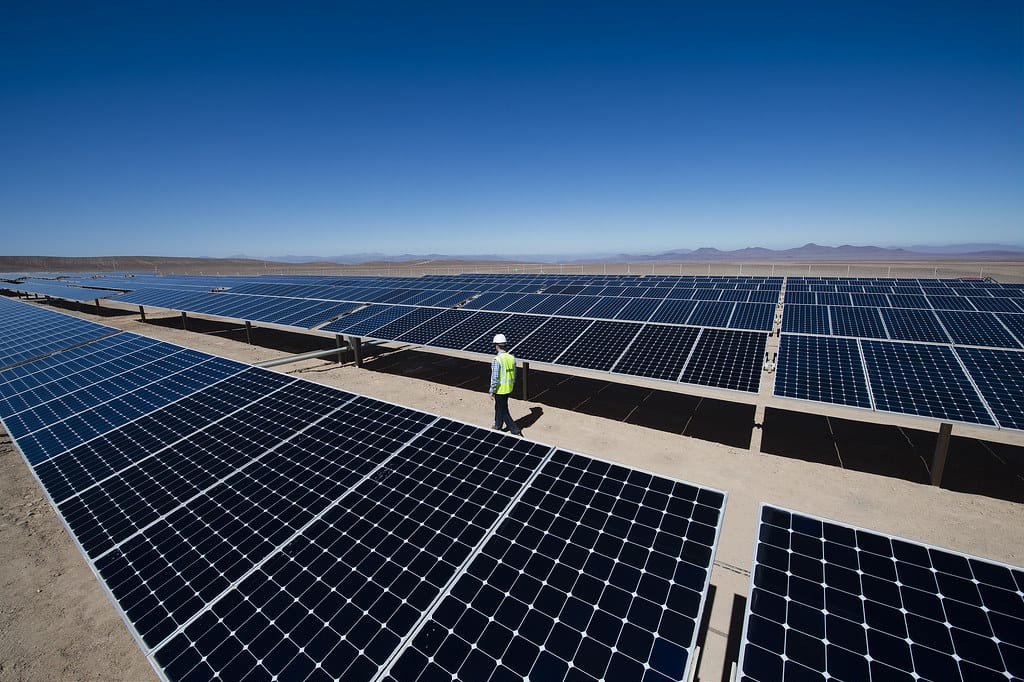
Photovoltaic Project In South Africa Includes 500 MWh Battery Storage System, Dispatchable Renewable Electricity, And Electricity Production Capacity.
TotalEnergies and its partners are starting the implementation of a vast renewable energy project in South Africa, which includes a 216 MW solar plant and a 500 MWh battery storage system to handle the intermittency of solar production. Located in the Northern Cape province, the facility will provide dispatchable renewable electricity to the South African national grid for twenty years, totaling over 400 GWh per year. Through a PPA signed in November, the project will provide 75 MW of dispatchable power to the national utility Eskom continuously, from 5:00 AM to 9:30 PM, thus exceeding the available sunlight period. This project is being developed by a consortium formed by TotalEnergies (35%), Hydra Storage Holding (35%), and Reatile Renewables (30%). In addition, it reached financial closure on December 14 and is expected to be operational in 2025, as part of the Independent Power Producer Procurement Program for Risk Mitigation.
This program was launched by the Department of Mineral Resources and Energy to develop electricity production capacity and relieve the country’s power supply constraints. Vincent Stoquart, senior vice president of renewable energy at TotalEnergies, stated: ‘Together with our partners, we are pleased to launch this major solar generation and storage project in South Africa. Thanks to its innovative hybrid design, it will allow us to provide continuous green electricity over a longer period and beyond sunlight hours. This project will not only contribute to the country’s energy transition but also strengthen the resilience of its energy system.’ He further emphasizes that solar energy is a key part of TotalEnergies’ renewable energy strategy.
Solar Energy: The Solution For A Sustainable Future
-
Renewable energy advances over protected areas in Brazil, and a survey by the Energy Transition Observatory reveals silent impacts that challenge environmental conservation and pressure sensitive traditional territories.

-
Rio Grande do Sul accelerates energy transition: State invests in renewable technologies and consolidates decarbonization strategies and pathways to attract billions in new industrial investments.

-
With 160,000 m² of collectors, an area larger than 20 football fields, Silkeborg, in Denmark, hosts a solar thermal plant that heats 19,500 homes and could become the largest solar heating plant in the world.

-
A study reveals the expansion of renewable energy procurement in Brazil and shows how companies are taking advantage of opportunities to reduce expenses, ensure energy efficiency, and strengthen strategic environmental commitments.


Benefits of Solar Energy
Solar energy is one of the most promising forms of renewable energy, abundantly available and capable of powering energy systems sustainably. With the growing demand for dispatchable renewable electricity, photovoltaic energy has become a popular choice for renewable energy projects worldwide. Furthermore, the electricity production capacity from solar energy continues to increase, making it a competitive option compared to traditional energy sources.
Integration of Solar Energy into The Energy System
With the evolution of battery storage technologies, it has become possible to store energy generated by the sun, making it available even at night or on cloudy days. This has been critical for the growing adoption of solar energy, allowing it to be effectively integrated into the existing energy system. Moreover, Independent Power Producer Procurement Programs (PPAs) have facilitated the entry of grid-connected solar energy projects, in cooperation with national utilities.
Economic Impact of Solar Energy
Solar energy not only offers environmental benefits but also significant economic impacts. With the increasing capacity of electricity production from solar energy, the costs of implementing photovoltaic projects have decreased, making solar energy a viable option for businesses and residential consumers. Additionally, investments in solar energy projects have contributed to economic growth and job creation in the renewable energy industry.
Solar energy is becoming a dominant force in the energy sector, facilitating a transition to a more sustainable and economically viable future. With continuous advancements in technology and supportive policies, solar energy will continue to play a crucial role in reducing dependence on non-renewable energy sources and mitigating climate change.
Source: © Re News.Biz










Seja o primeiro a reagir!