





 Portuguese
  English
  Spanish
  3 min of reading
  0 comments


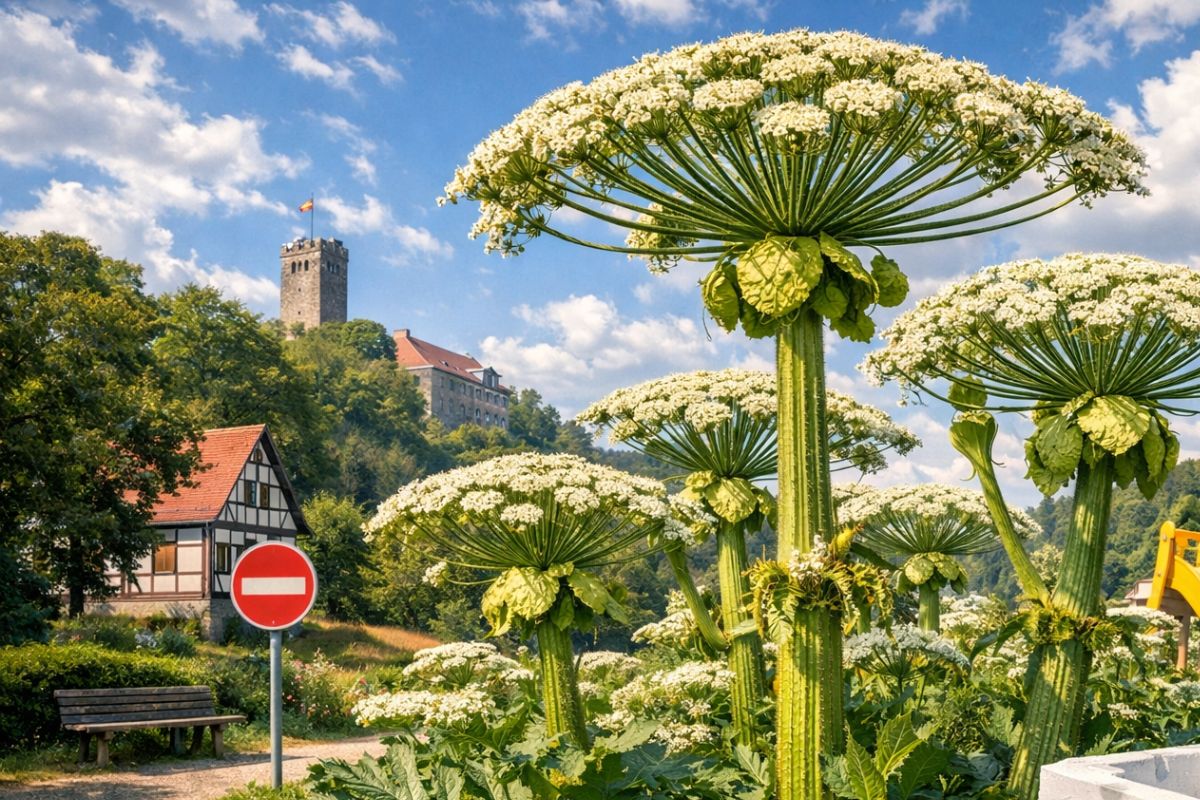
Toxic plant known as giant herb already occupies gardens and parks in central Germany; volunteers warn that cutting does not solve and seeds can last for years
The toxic plant that has been spreading through Thuringia, in central Germany, has become a cause for concern in gardens and parks: it is invasive, resilient, and can grow up to four meters tall. Residents and volunteers claim that control attempts are failing because pulling it out is not enough, roots sprout again and the seeds remain viable for years.
In addition to the environmental impact, the toxic plant also raises direct risks to people. It is described as phototoxic and can cause hives, discoloration, and blisters similar to burns on the skin, which reinforces calls to allow the use of glyphosate for eradication.
What is the giant herb and why has it become a problem
The giant herb, identified as Heracleum mantegazzianum and also called Hercules’ plant, is native to the Caucasus and regions of Central Asia. It spreads easily, adapts to different terrains and climates and is treated as an invasive species in several countries.
-
Get the coat ready: after an extratropical cyclone brought storms to Brazil, an intense cold air mass is arriving in the country with lows of 0°C in the South and isolated frosts that could reach as far as the Southeast over the weekend.

-
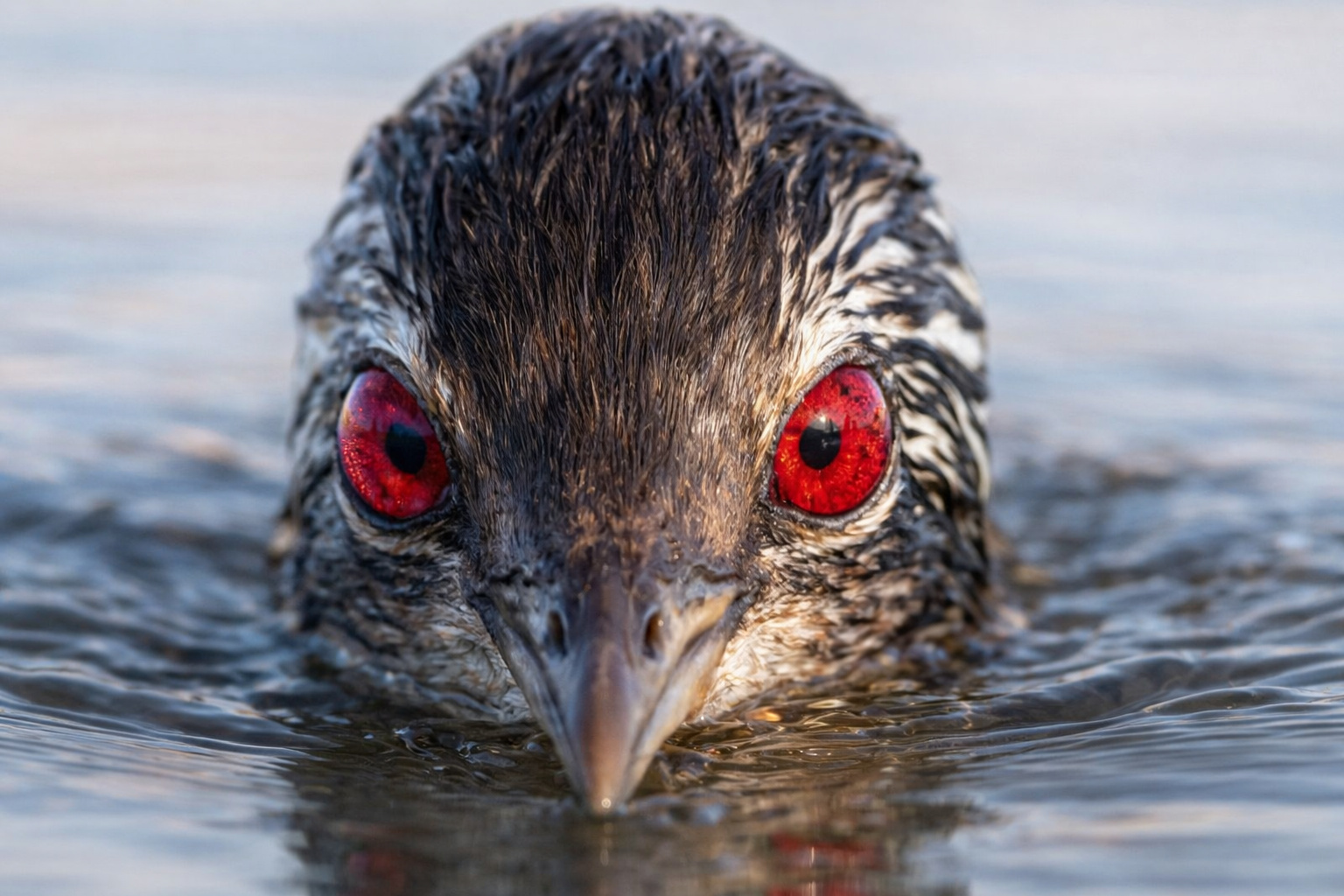
The South American bird that seems to carry a natural “Sharingan” has intense red eyes that shine like glass in the water and makes the small diver one of the most unusual sights in the lakes of South America.
-
The real scientific weapon of NASA: satellites that monitor the climate, connect missions, and hunt for life, from Explorer 1 to James Webb, showing how they are designed, tested, launched, activated, and retired in Earth’s orbit.

-
Credit card on the inside: acetone reveals antenna, Soviets create energy-free listening devices, and fraud evolves from easily cloneable magnetic strips to encrypted chips and still vulnerable contactless payments today.

In Spain, possession, transport, trafficking, and trade of this species have been prohibited since 2013, due to the threat to local flora and ecosystems.
How the toxic plant spread in Thuringia
In the Saale-Orla-Kreis district, in Thuringia, the most cited explanation is that the species arrived when a resident brought a specimen from Lobenstein Park to decorate their garden over 20 years ago. Later, a flood in the river is said to have accelerated its spread, displacing native vegetation.
A local resident, Reiner Hartmann, describes the situation as a disaster and decided to take action, gathering volunteers and structuring an association to coordinate efforts and concentrate resources.
Why pulling and cutting do not solve
Volunteers say that manual work is heavy and only works on younger and isolated plants. Cutting is also not enough, because roots that remain hidden in the soil can sprout again later.
Another obstacle is the persistence of the seeds: they can maintain the ability to germinate for a long period, even for years, creating a cycle of reappearance even when part of the problem seems controlled.
Risk to people and threat to ecosystems
In addition to invading green areas and displacing local species, the toxic plant is also considered dangerous to humans. The combination of phototoxicity and contact can cause skin reactions, including hives, spots, and blisters.
In the view of residents involved in the fight, the discussion is not just aesthetic or about urban maintenance. It is a struggle to protect native flora and reduce risks in public places, such as parks and trail margins.
Why residents are calling for the return of glyphosate
The central argument of the volunteers is that, to eliminate large populations, the use of glyphosate would be necessary. They claim that there is no other way to control the giant herb on a large scale, since manual control is insufficient and the species reappears.
Hartmann argues that it is necessary to evaluate what is more important: if the giant herb threatens native flora and invades everything, then the use of glyphosate should be allowed to prevent a catastrophe.
In your opinion, allowing glyphosate to eradicate this toxic plant is the best solution, or should the solution be something else?








Seja o primeiro a reagir!