





 Portuguese
  English
  Spanish
  4 min of reading
  0 comments


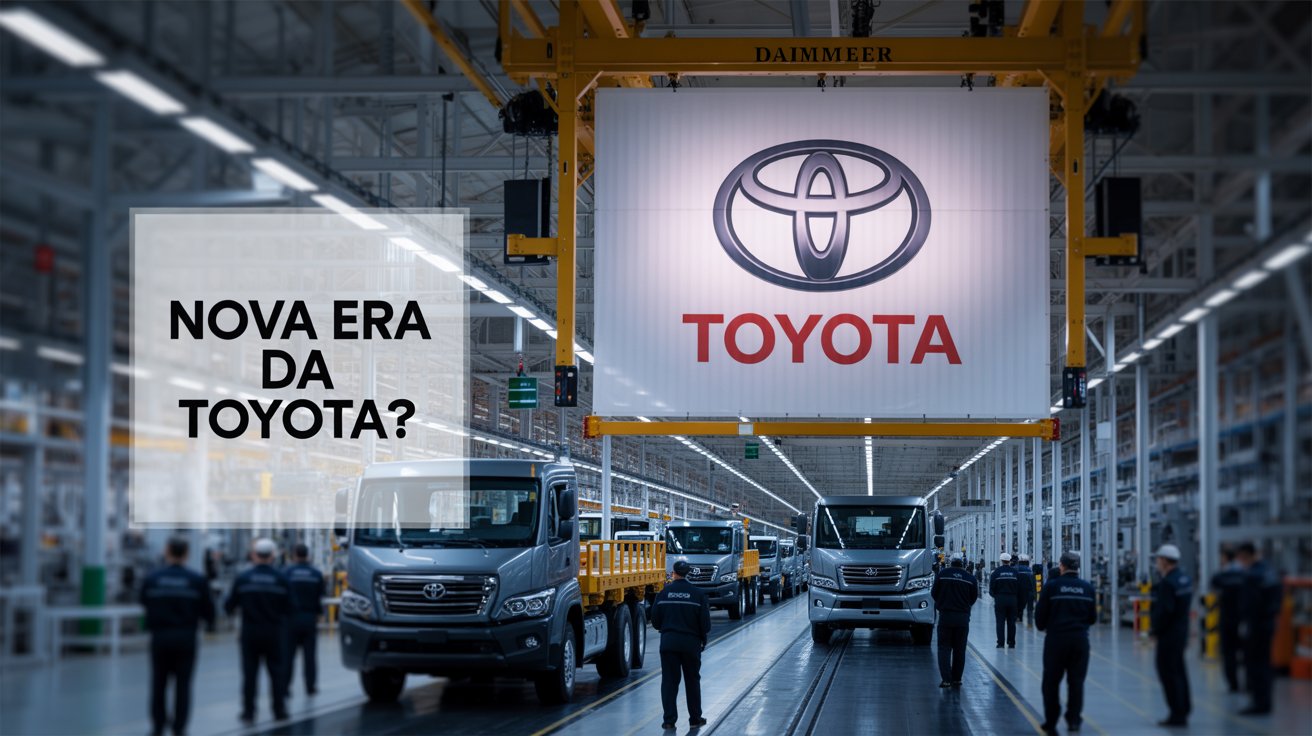
Toyota And Daimler Join Forces To Create A New Truck Holding Company That Promises To Accelerate Green Technologies, Reduce Costs, And Compete For Leadership In The Global Heavy-Duty Transport Market.
The automakers Toyota Motor and Daimler Truck have confirmed the merger of their subsidiaries in the heavy commercial vehicle segment, Hino Motors and Mitsubishi Fuso Truck & Bus, under a new holding company expected to launch by April 2026.
The expectation is that the new company will be able to sell over 200,000 vehicles per year, establishing itself as one of the largest truck manufacturers in the world.
Strategic Merger Between Toyota And Daimler Aims For A Sustainable Future
According to an official statement released this Tuesday (11), each group will hold 25% direct ownership in the new company, while the remaining 50% will be divided between Hino and Fuso.
-
Spain surprises the world by erecting 62 artificial dunes, mixing sand with natural remains of posidonia, and causing the structure to lose only 1.4% of its volume in 1 year.

-
With 16 Bulava missiles, improvements in acoustic stealth, and a design focused on silent patrols, Russia’s nuclear submarine was born to ensure Moscow’s invisible retaliation and has become one of the pillars of its maritime strength.

-
‘Populous’ city in Rio among the worst in Brazil in national ranking and exposes silent development crisis.

-
Couple buys house in the South Zone of São Paulo, opens a hidden door in the garage, and finds a secret wine cellar with dozens of old wines forgotten since the 1970s.
The merger aims to increase margins, reduce costs, and accelerate the development of technologies in the face of profound changes in the commercial transport sector.
“Today’s final agreement is not the goal, but the starting line”, said Koji Sato, CEO of Toyota.
“Our four companies will continue to create the future of commercial vehicles together.”
The new company will focus on electrification, autonomous driving, connectivity, and emission reduction, positioning itself as a reference in innovation in the truck sector.
The name of the holding company and its operational structure will be announced in the coming months.
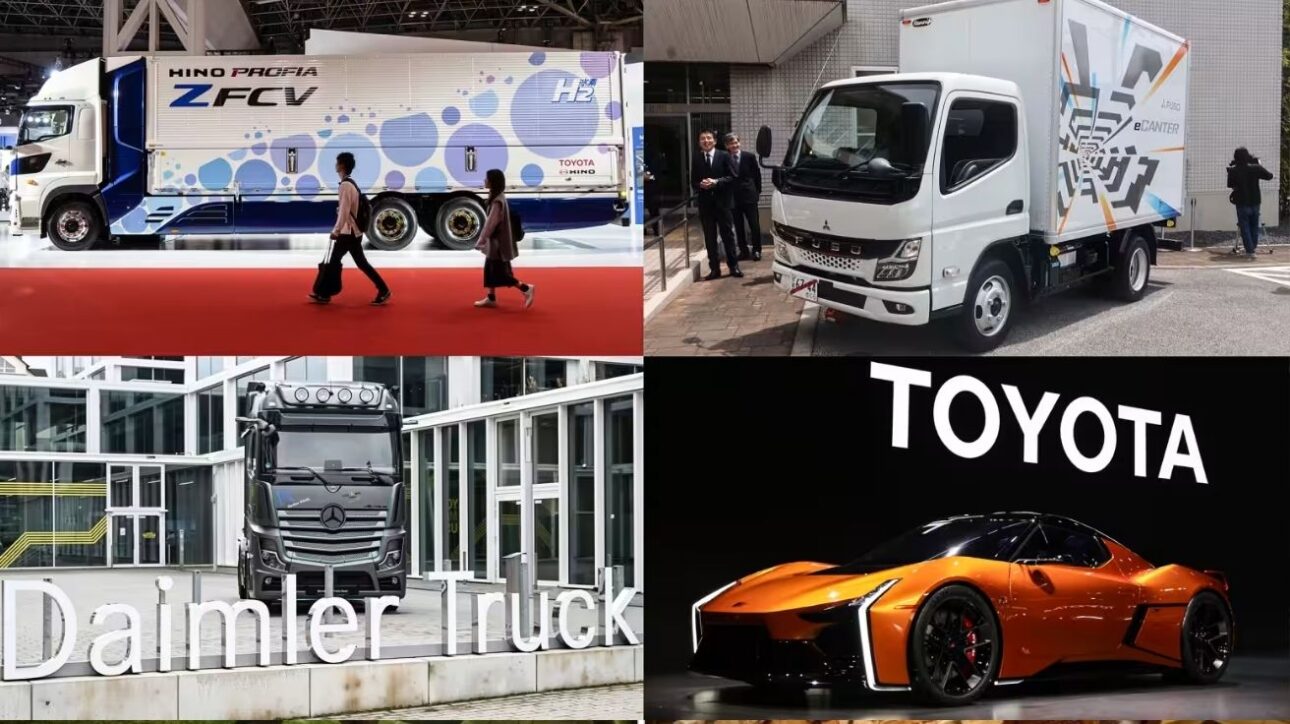
Restructuring Includes Sale Of Hino Factory And Reinforces Toyota’s Control
As part of the restructuring, Hino Motors will transfer its Hamura factory to Toyota for 150 billion yen, equivalent to approximately US$ 1 billion.
The unit, located in Japan, is responsible for the production of light commercial vehicles and reinforces the physical and strategic integration of the automaker in the new holding company project.
The operation takes place at a time of challenges for Hino, which is still facing the aftermath of a 2022 scandal involving engine emissions testing fraud, which compromised its global image.
Toyota, which holds over 50% of Hino, saw the merger as an opportunity to reorganize assets and reposition the brand in the market.
New Company Wants To Lead Innovation In The Commercial Vehicle Sector
The merger between Hino and Mitsubishi Fuso combines over 200,000 units sold annually, a potential that will be enhanced by operational and technological synergies.
Daimler Truck, which controls Fuso, seeks to accelerate margin improvement goals with the agreement, as the performance of the Asian subsidiary has been an obstacle to the group’s results.
“This agreement can unlock synergies that were not possible separately”, stated an automotive industry executive. “The merger allows for economies of scale and joint investments in technologies that would individually require significant time and capital.”
Among the challenges driving the agreement are labor shortages, stricter environmental standards, and increased development costs, which require joint and scalable solutions.
Merger Does Not Affect Alliances With Isuzu, Volvo, And Other Manufacturers
The decision to merge Hino with Fuso raised questions about the absence of Isuzu Motors, another Japanese brand with a strong presence in the segment and of which Toyota is also a shareholder.
Isuzu currently maintains an alliance with Volvo, while Volvo operates a global joint venture with Daimler Truck, adding complexity to the relationships between the groups.
According to Toyota, the new company will not affect its strategic alliance with Isuzu, nor will it impact Volvo’s agreements with other partners. The merger will be limited to the operations of Hino and Fuso and will not compromise existing commercial agreements.
New Holding Could Lead The Truck Market With Zero Emissions
With a strong presence in Asia, Latin America, and the Middle East, both brands hope to expand their operations focusing on zero-emission commercial vehicles, such as electric and hydrogen-powered trucks.
The expectation is that the holding will play a central role in decarbonizing road transport by 2050, in alignment with the goals of the Paris Agreement.
The combination of strengths will also allow for sharing of battery technologies, vehicle intelligence, and fleet control software, areas that are increasingly strategic for commercial vehicle manufacturers.
However, the consolidation still depends on regulatory approval, labor negotiations, and operational harmonization among suppliers in the coming months. The conclusion of the operation is expected at the beginning of the 2026 fiscal year.
Will this new truck giant be able to lead the green transformation in global heavy-duty transport?






Seja o primeiro a reagir!