





 Portuguese
  English
  Spanish
  3 min of reading
  0 comments


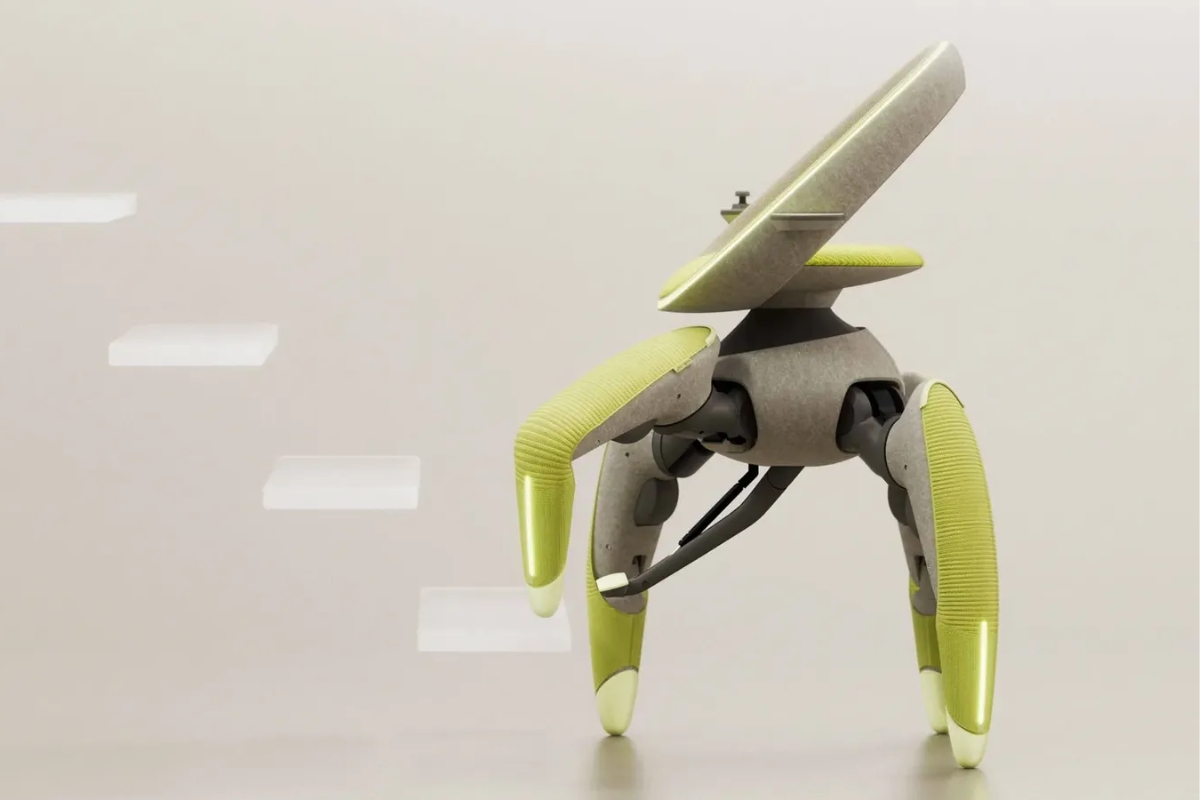
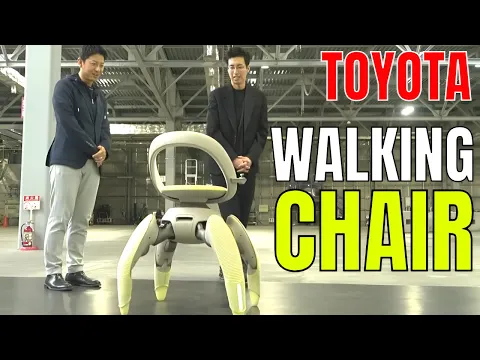
Unveiled at the Japan Mobility Show 2025, the Walk Me robotic chair from Toyota moves like a crab, climbs stairs, and ensures total autonomy for people with reduced mobility in any terrain
One of the highlights of the Japan Mobility Show 2025 was the Walk Me project, a robotic chair created by Toyota that moves like a kangaroo or a crab. The prototype is capable of walking on four articulated legs, climbing stairs, and even lifting the user to help them enter a car, something unthinkable in conventional wheelchairs.
Mobility Beyond Wheels
The Walk Me was designed to provide total autonomy to people with reduced mobility, enabling them to face rugged terrains, steps, and urban unevenness. With a system of four folding legs and an intelligent structure, the robot can maintain balance and adjust its posture as the terrain changes.
According to engineers at Toyota, the goal is to combine cutting-edge technology and human comfort, creating a device that adapts to the user’s body and responds to their commands naturally. The robot’s legs are covered with a soft and colorful material, which protects sensors and motors and also gives it a friendly look, designed to reduce the stigma of traditional mechanical aids.
-
Scientists launched a bait camera to the bottom of the Pacific Ocean and saw something that no one expected.

-
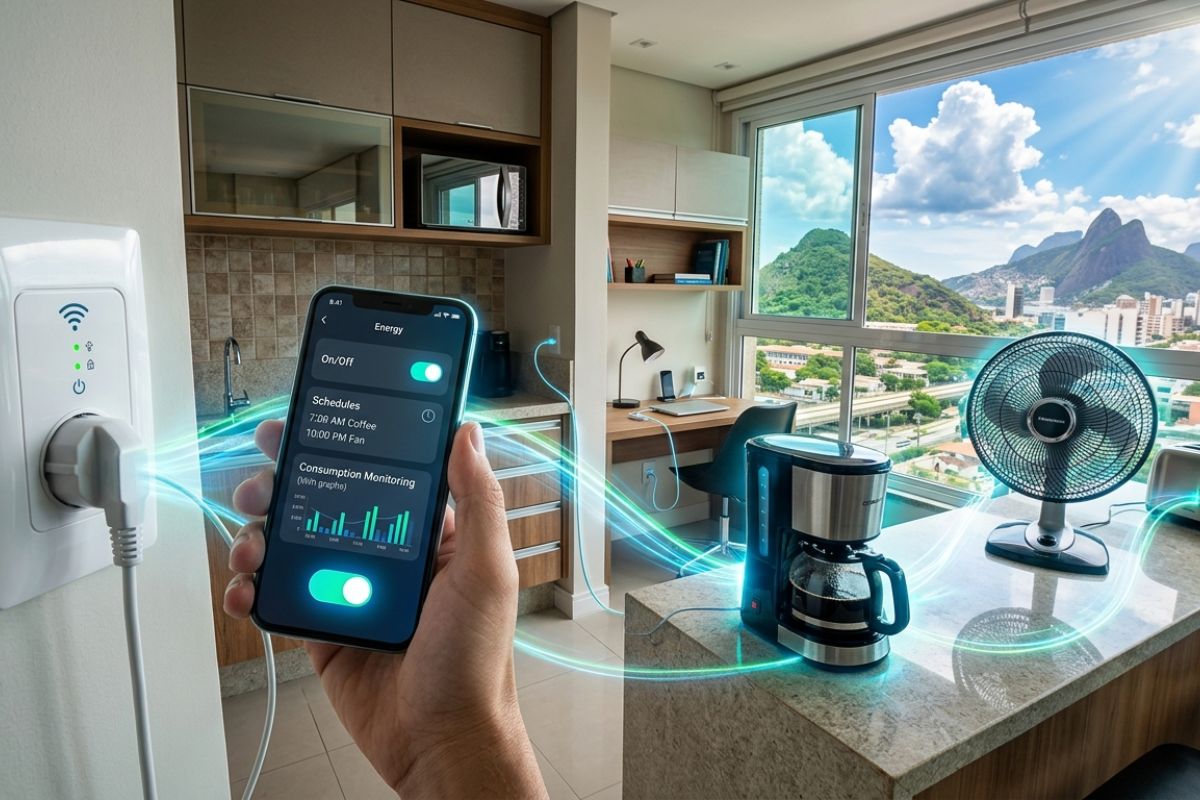
Is a smart plug worth it in a regular home? What does it offer: turns on and off via smartphone, creates routines by schedule, prevents forgotten devices, sometimes monitors consumption, and improves habits without renovation or miracles.
-
Airbus and Mercedes take the G-Class to the skies: the ACH145 helicopter priced at R$ 78 million debuts in São Paulo, unit goes to Brazilian, AMG cabin, 5-blade rotor, and a 2-year wait.

-
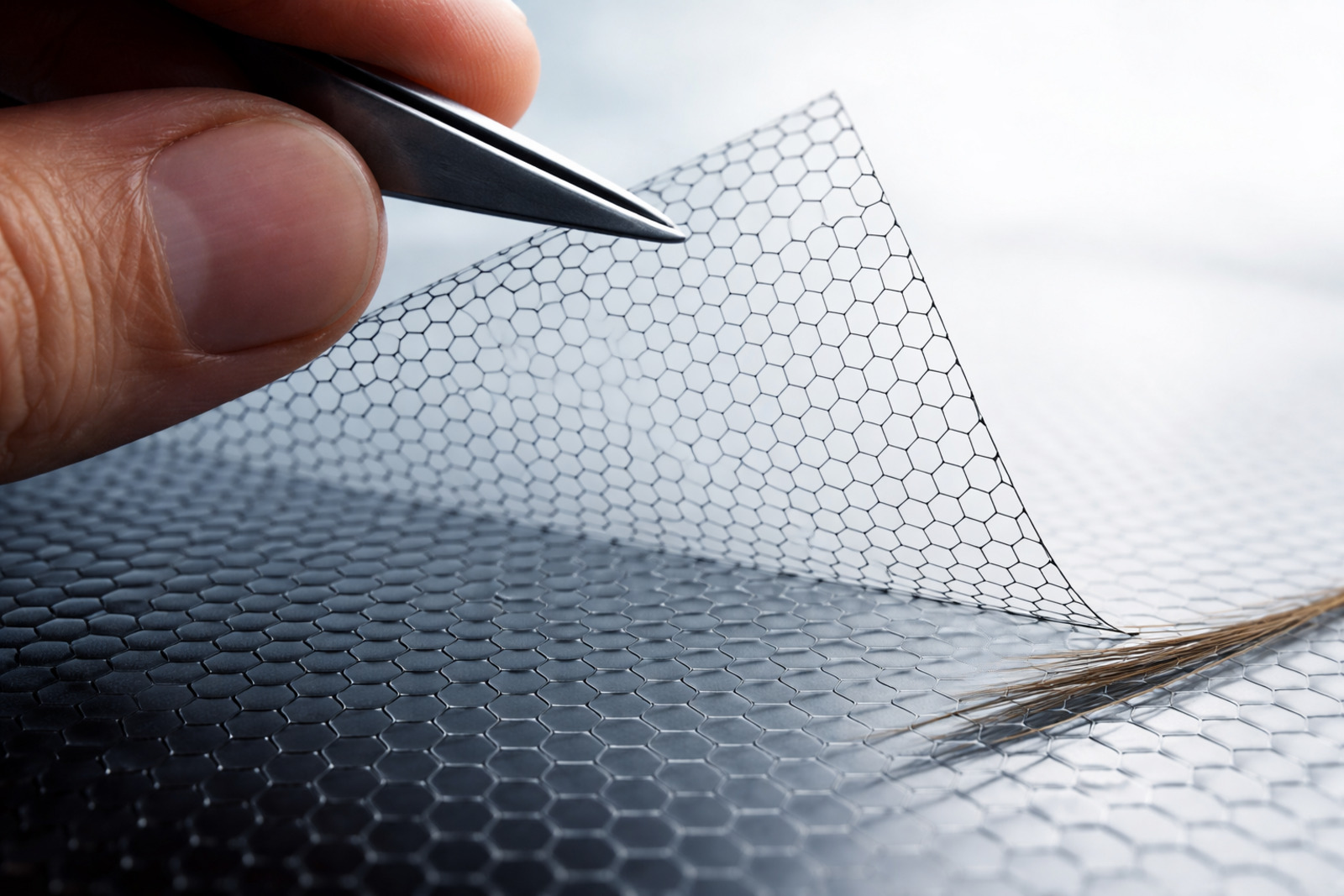
New material could change everything: it is the thickness of an atom, 200 times stronger than steel, and 100,000 times thinner than a human hair.


Robotic Intelligence Inspired by Nature
The movement system of the Walk Me was inspired by quadruped animals, such as crabs and spiders, capable of balancing on uneven surfaces. To achieve this, the chair uses LiDAR sensors — the same ones used in autonomous vehicles — that project beams of light to measure distances and generate three-dimensional models of the environment. This allows the robot to avoid obstacles and choose the best path without human intervention.
When facing a staircase, for example, the device first measures the height of the steps with its front legs, adjusts the angle, and propels itself with the rear legs, ensuring stability. Additionally, it features collision radars that prevent contact with people or objects, and weight sensors that ensure the user remains securely seated during movement.
Intuitive Controls and Power for the Whole Day
The robotic chair can be controlled in various ways. The seat has directional handles for manual control, but there is also a digital interface with buttons that adjust direction and speed. Another option is voice command, with simple instructions like “faster,” “slower,” or “go to the living room.”
The Walk Me is powered by a rechargeable battery, discreetly installed behind the seat, which allows for a full day of use. When it runs out, simply plug it into a standard outlet overnight. The legs fold automatically, making it easy to transport in a car trunk or even inside a suitcase.
An Accessible and Human Future
According to Toyota, the Walk Me project is part of a series of innovations aimed at inclusive mobility, showcased at the Tokyo Mobility Show. Among them were also an autonomous car for children and a reinforced off-road vehicle. The inspiration for the project reportedly came from the company’s president, Akio Toyoda, who at 69 expressed a desire to continue “drifting, performing maneuvers, and competing off-road” during retirement.
The Walk Me represents more than a technological advance: it is a symbol of how robotics can restore freedom, dignity, and independence to people. If commercially launched, it could usher in a new era for personal mobility — where climbing stairs or crossing uneven terrain ceases to be a barrier and becomes a natural gesture.






Seja o primeiro a reagir!