





 Portuguese
  English
  Spanish
  5 min of reading
  0 comments


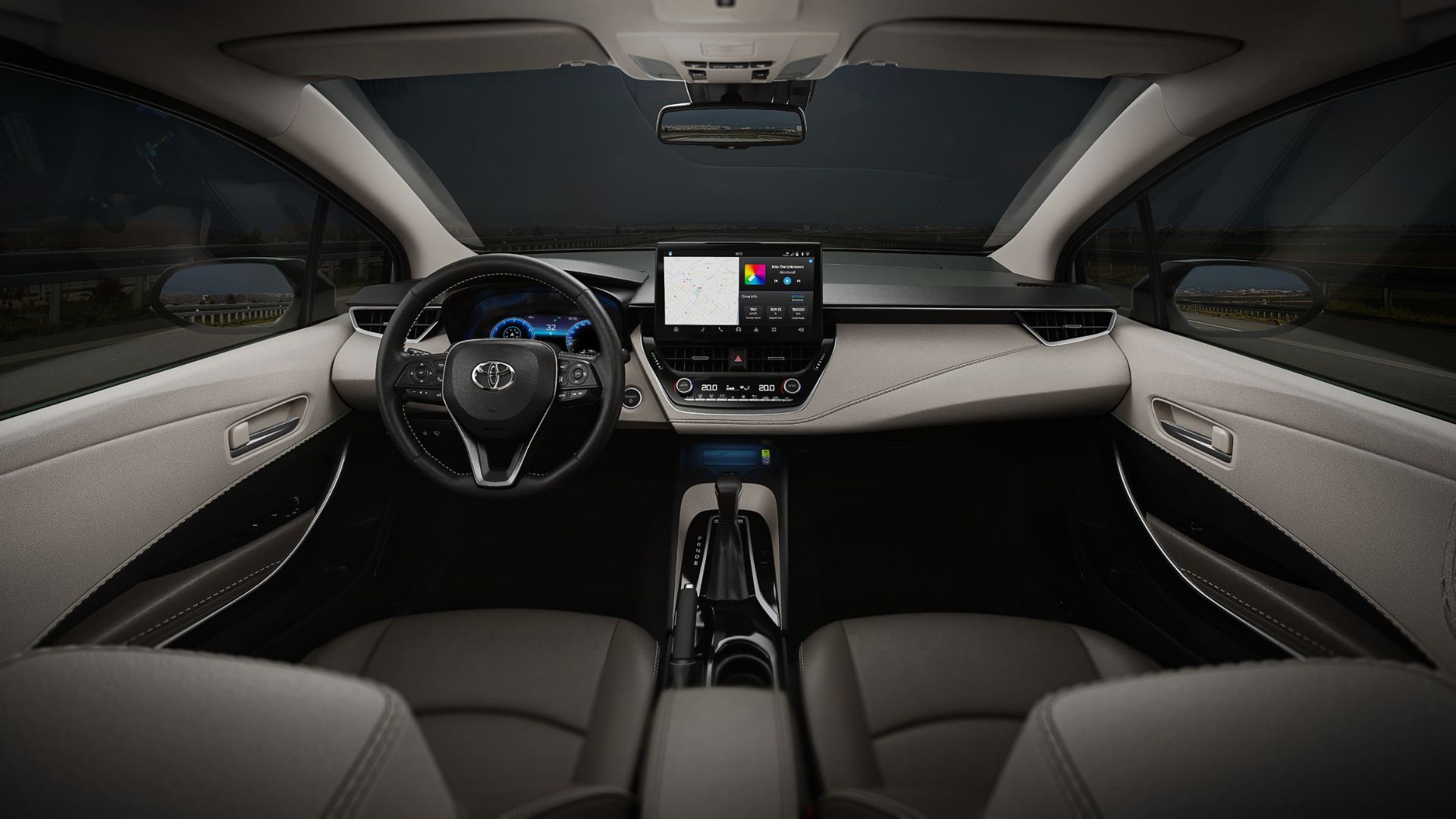
Medium sedan from Toyota crosses a decade with low depreciation, combines reliable mechanics, a wide maintenance network, and strong liquidity in the used market, keeping high prices even after years of use and consolidating a reputation for durability in Brazil.
The 11th generation Toyota Corolla, produced in Brazil between 2014 and 2019 and most sought after in the used market between 2015 and 2019, remains among the most valued medium sedans in the country in 2026, sustaining a reputation built over the years.
With prices starting from R$ 76,000 for the 2015 1.8 GLi versions and reaching R$ 105,991 in the Fipe table for the 2019 Altis 2.0, the model maintains high liquidity and constant presence in negotiations.
In practice, advertisements and direct negotiations often position this ceiling close to R$ 108,000, a scenario that highlights continuous demand even after a decade of use, especially for the more complete and well-maintained versions.
-
Is financing a car really worth it? Discover the impact of 25% annual interest and how you could end up paying up to R$ 39,000 more for your vehicle.

-
Farmer forgets barbed wire in the pickup truck and destroys Ford Fusion at car wash.
-
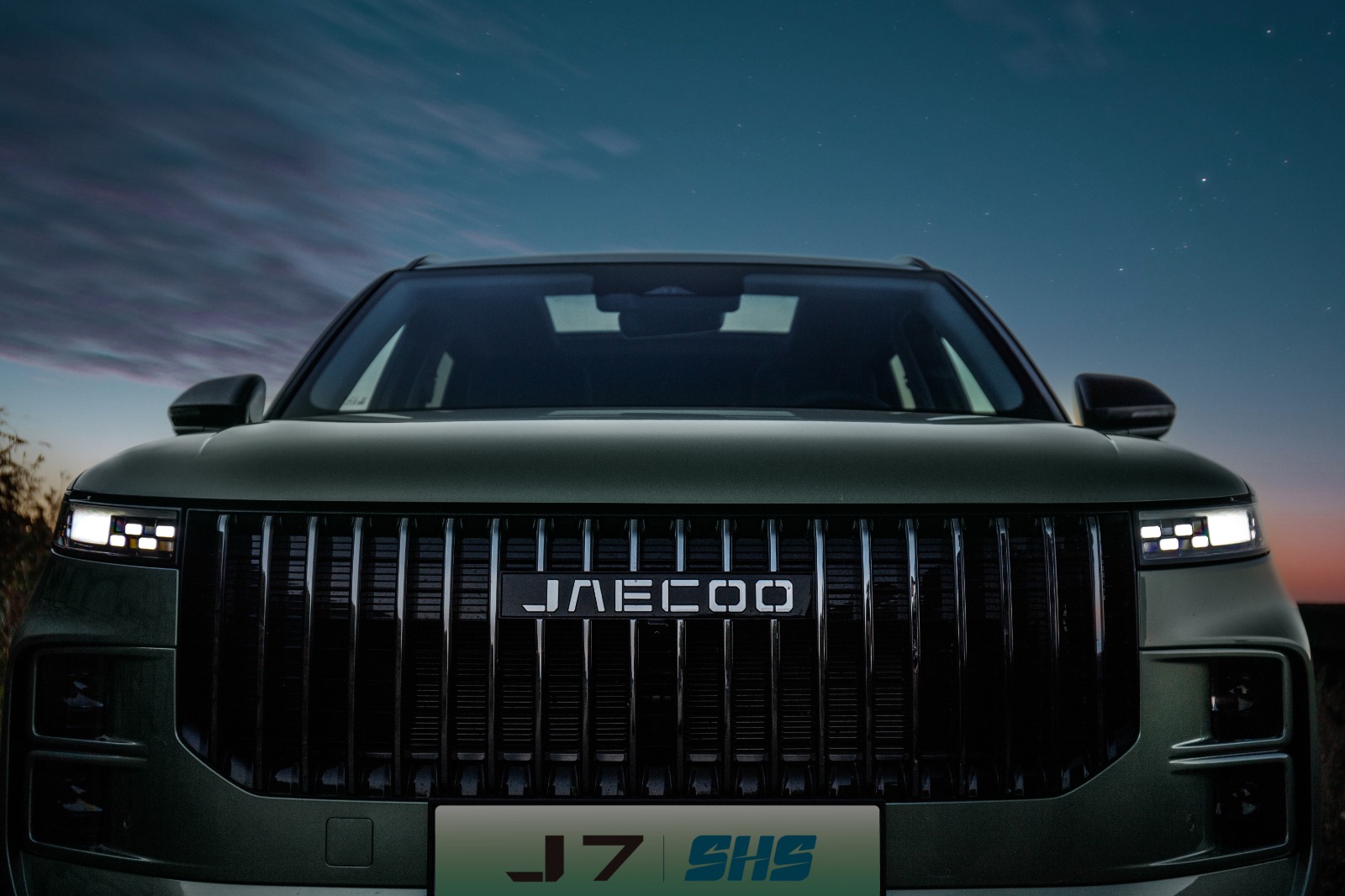
While the industry rushes towards automation, Omoda & Jaecoo bets on technology with a human touch and reveals its global mobility plan for 2026.
-
In just 1 year, JAECOO surpasses 7,000 units of the J5 EV delivered in Indonesia and consolidates trust in the Asian market.

More than the strength of the brand, what sustains this appreciation is a technical set that has aged without significant ruptures, combined with predictable maintenance and a wide supply of parts in the Brazilian market.
Engine 2.0 and CVT transmission explain the durability reputation
At the center of this reputation is the 2.0 flex aspirated engine with up to 154 hp with ethanol, paired with the CVT Multi-Drive S transmission, a combination that has established itself as a reference for smoothness and efficiency in everyday use.
Over the years, this mechanical set has become the main argument for the XEi and Altis versions, reinforcing the perception of reliability and contributing to prolonged use without frequent incidents.

Technical data for the 2015 model confirms this maximum power in the 2.0 versions sold in the country, maintaining consistency with the expected performance within the medium sedan segment.
Instead of adopting more complex turbo engines, Toyota opted for a conservative approach, prioritizing durability, lower mechanical stress, and linear operation under different usage conditions.
As a result, the powertrain delivers progressive acceleration, low noise levels, and predictable driving both in urban traffic and on highways, characteristics valued by those seeking longevity.
Although the term “unbreakable” is widely spread among consumers, the commercial trajectory of the model helps sustain this perception in the Brazilian market.
In 2025, for example, the Corolla reappeared among the vehicles with the lowest depreciation in the country, recording a rate of 2.6%, reinforcing its consistency in the used car market.
Price of used Corolla in 2026 varies by year and version
Looking at the data from March 2026, there is a price range consistent with the established position of the model in the Brazilian used market.
A 2015 automatic GLi 1.8 Corolla appears with an average value of R$ 76,234, while more equipped versions from the same year, such as the XEi 2.0 and Altis 2.0, are already positioned above R$ 80,000.
In the following years, the price progression follows both the model update and the growing demand, leading the 2016 Altis 2.0 to around R$ 85,690 and the 2017 XEi 2.0 to exceed R$ 87,000.

With the arrival of the facelift, prices undergo a more evident jump, raising the 2018 XEi 2.0 to around R$ 99,000 and consolidating the appreciation of the more recent versions.
At the top of the line, the 2019 XEi 2.0 reaches R$ 102,305, while the 2019 Altis 2.0 reaches R$ 105,991, remaining the most valued configuration within this generation.
This price behavior highlights not only resistance to depreciation but also the market’s preference for newer and more complete versions, which offer a better balance between age, equipment, and perceived value.
While units from 2015 and 2016 attract buyers for cheaper access to the model, examples post-2017 concentrate greater interest for gathering important updates and less accumulated usage time.
2017 facelift raised safety and appreciation
The update launched in March 2017, which marked the 2018 line, represented a significant turning point for the Corolla in Brazil, especially regarding safety.
From that moment on, the model began to offer seven airbags, stability and traction controls, and hill-start assist in all versions, significantly expanding the protection package.
This technical evolution directly impacted market interest, making post-facelift units more desirable among consumers who prioritize safety and modernity.
Shortly thereafter, the restyled model achieved five stars for adults and children in Latin NCAP tests, reinforcing the project’s consistency under international criteria.
As a result, the Corolla began to gather not only mechanical reliability but also a level of safety compatible with more recent standards, enhancing its appeal in the used segment.
Although earlier versions remain relevant for their robustness, models from 2017 onward concentrate greater appreciation and liquidity in negotiations.
Production in Indaiatuba strengthens after-sales and confidence
Another determining factor for this trajectory lies in the national production consolidated over decades, with emphasis on the factory in Indaiatuba, in the interior of São Paulo.
Responsible for manufacturing the Corolla in the country since 1998, the unit has surpassed the mark of 1 million vehicles produced, consolidating Toyota’s industrial presence in Brazil.
This structure has contributed to expanding the dealership network, facilitating access to parts, and strengthening maintenance outside authorized environments.
As a consequence, the model benefits from a broad technical base, which reduces operational costs and increases the confidence of those buying a used vehicle.
Census data from 2022 indicates that Indaiatuba has 255,748 inhabitants, a number that updates the dimension of the industrial hub responsible for sustaining part of this operation.
Corolla 2.0 or 1.8: which version is more valued
When it comes to purchasing, the choice between the 1.8 and 2.0 versions usually reflects different priorities among consumers.
While the GLi 1.8 caters to those seeking lower initial cost and predictable maintenance, the versions equipped with the larger engine concentrate greater interest in the market.
In this context, the 2.0 configurations, especially XEi and Altis, carry the highest perception of value and liquidity, reinforcing their position in dealerships.
In addition to superior performance, these versions also add more equipment and refinement, factors that directly influence the purchasing decision.
In the real market, however, the maintenance history remains decisive, even surpassing the choice of engine in many cases.
Detailed assessments of suspension, brakes, tires, and transmission operation help differentiate well-maintained examples from neglected units.
Thus, even with a consolidated reputation, the state of preservation remains a determining factor in keeping the Corolla as a reference in durability and resale.




Seja o primeiro a reagir!