





 Portuguese
  English
  Spanish
  5 min of reading
  0 comments


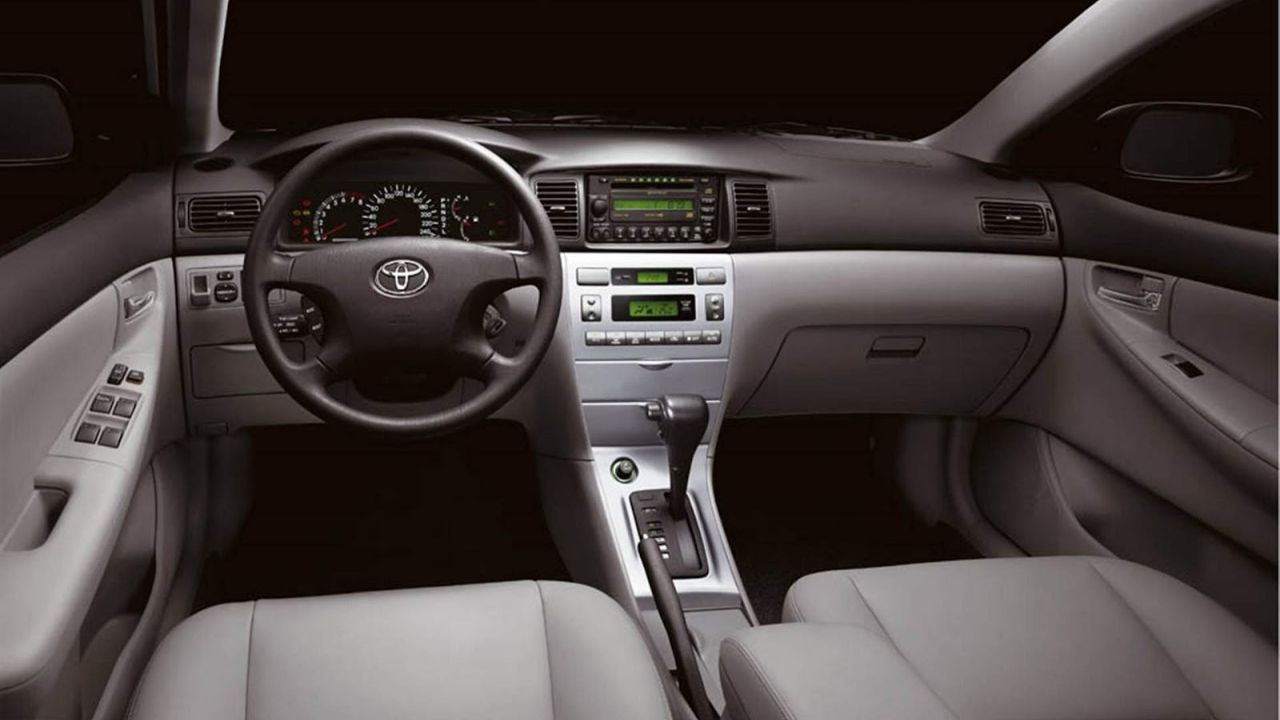
The Toyota Fielder Marked an Era as One of the Most Beloved Station Wagons of Brazilian Families. Learn Details of Its History, Versions, and Why It Is Still Valued.
Before SUVs dominated the market, the Toyota Fielder was one of the preferred cars for families in Brazil. Launched in the country in 2004, the station wagon derived from the Corolla sedan was sold until 2008. It was sold in three versions and, even with a short time in dealerships, gained popularity for offering ample interior space, reliable engineering, and a good level of equipment.
The model was marketed throughout the national territory, particularly accepted by consumers who prioritized practicality and robustness.
Today, it is fondly remembered and still has a good presence in the used car market.
-
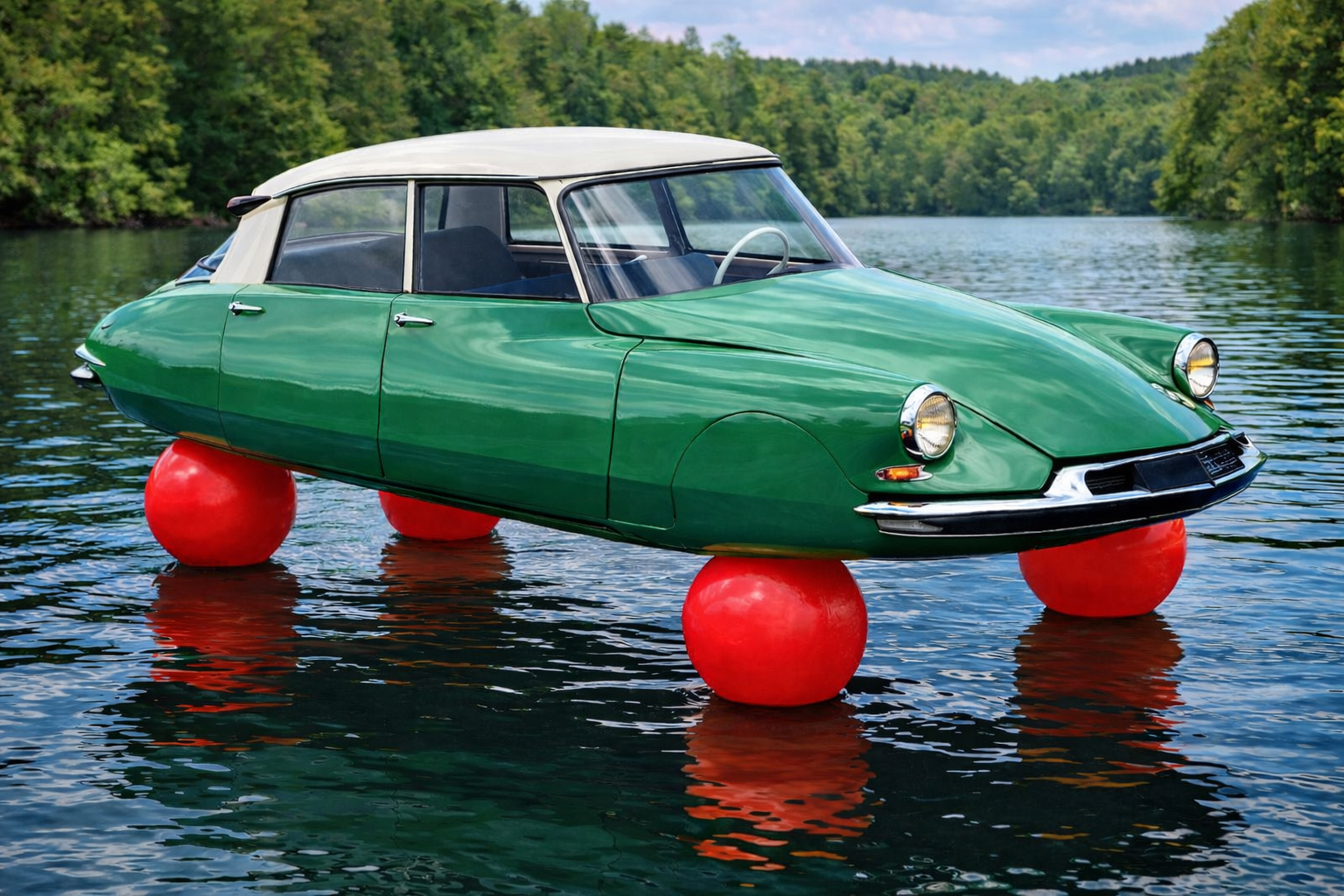
A French brand placed a car on four huge red balloons to prove that its suspension made the vehicle “float,” and the surreal scene became one of the most iconic and unusual images in automotive history.
-
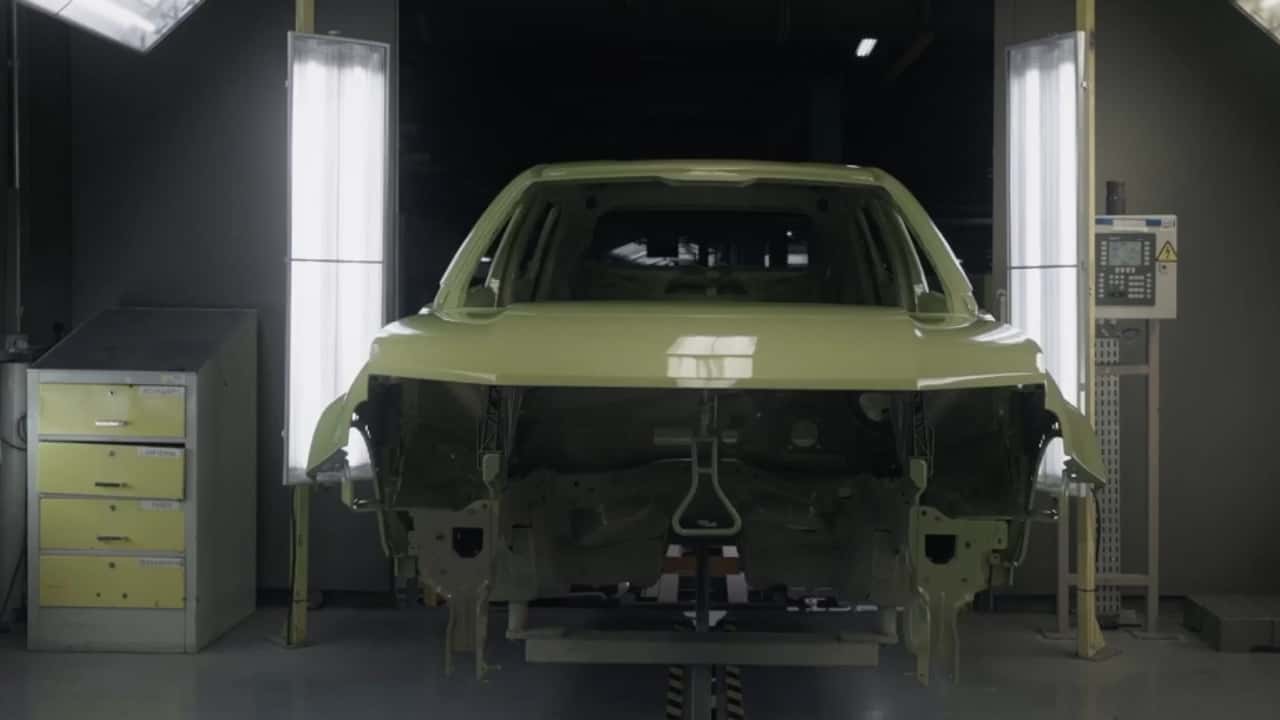
Jeep Avenger begins production in Brazil, debuting as the brand’s new entry-level SUV and inaugurating an unprecedented phase by becoming the first national Jeep manufactured outside of Goiana, as part of a R$ 3 billion plan.
-
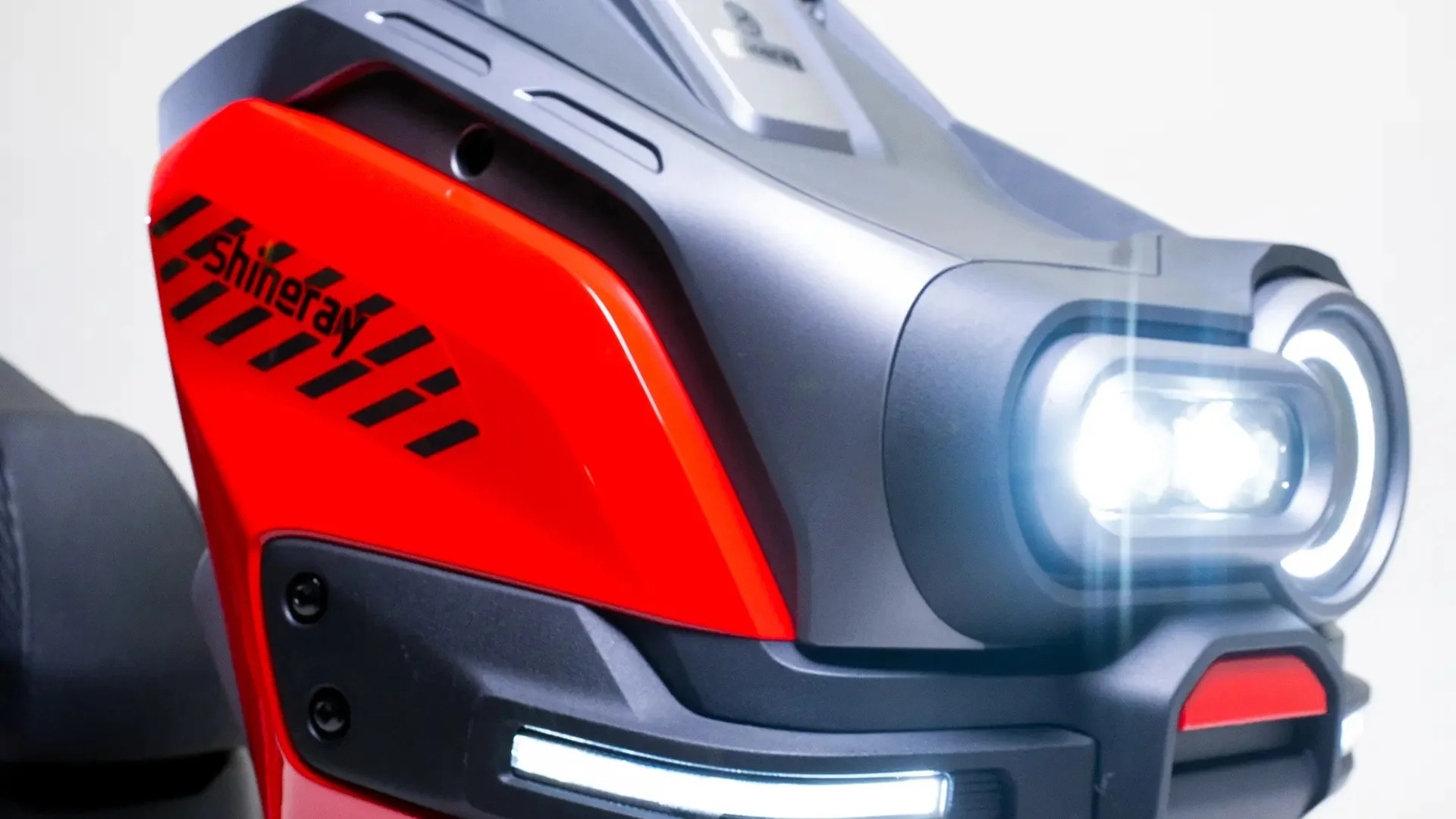
Costing R$ 12,490, the new Shineray Urban Lite 150 “cheap one” arrives in Brazil with a CVT transmission, digital dashboard, and LED lights, making it more affordable than the Biz and targeting those who want to abandon the bus.
-
Ducati brings to Brazil the Superleggera V4 Centenario: 228 hp that become 247 with a track kit, carbon fiber and carbon-ceramic brakes, estimated price between R$ 1.5 and 2 million, deliveries only in 2027.

The Scenario Before SUVs: The Reign of Station Wagons
At the time it was launched, the Toyota Fielder entered a market dominated by station wagons, a body style that was the favorite among families.
They were spacious cars, with generous trunks and good drivability, offering a more comfortable alternative to utilities and pickups.
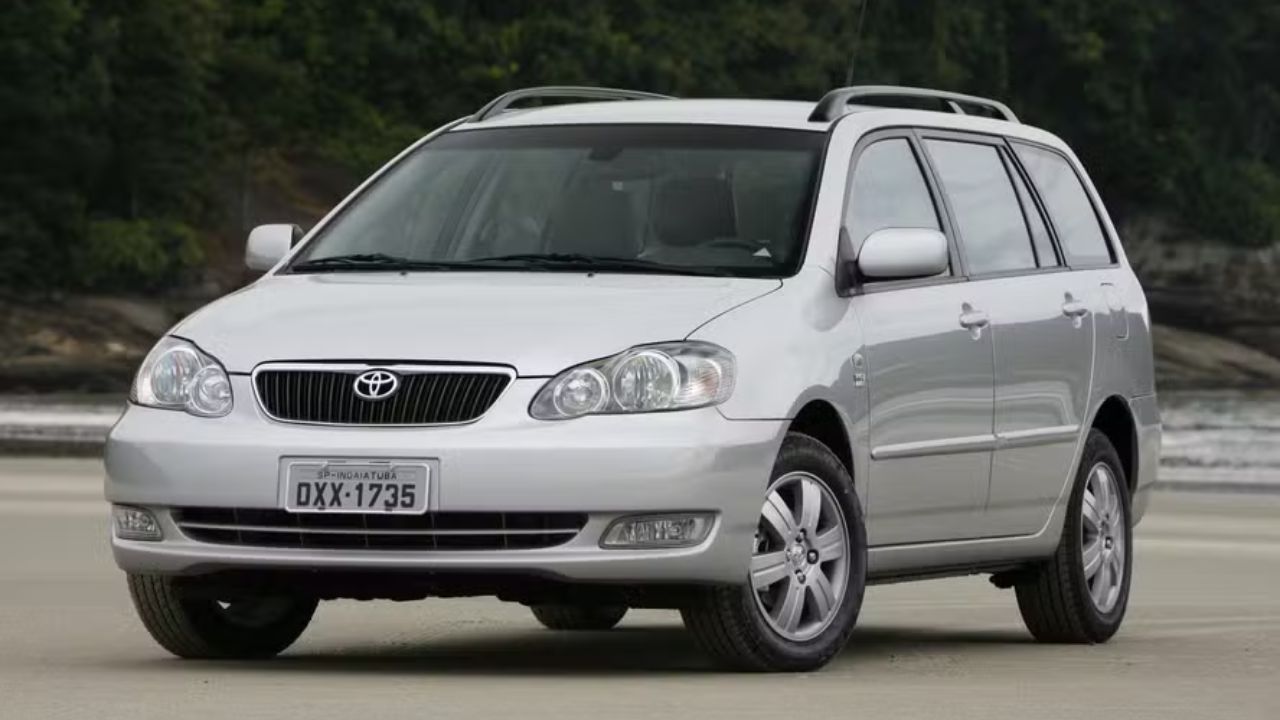
The Toyota model arrived to compete with more sophisticated versions of station wagons such as the Peugeot 307 SW and Renault Mégane Grand Tour, distancing itself from popular models like the Parati and Palio Weekend.
Design and Dimensions that Prioritized Comfort
One of the most praised qualities of the Toyota Fielder was the balance between proportions and interior space.
With a length of 4.47 meters, width of 1.73 m, and wheelbase of 2.60 m, the model comfortably accommodated five occupants.
The rear seats allowed enough space for three adults, even though the center seat did not have a headrest.
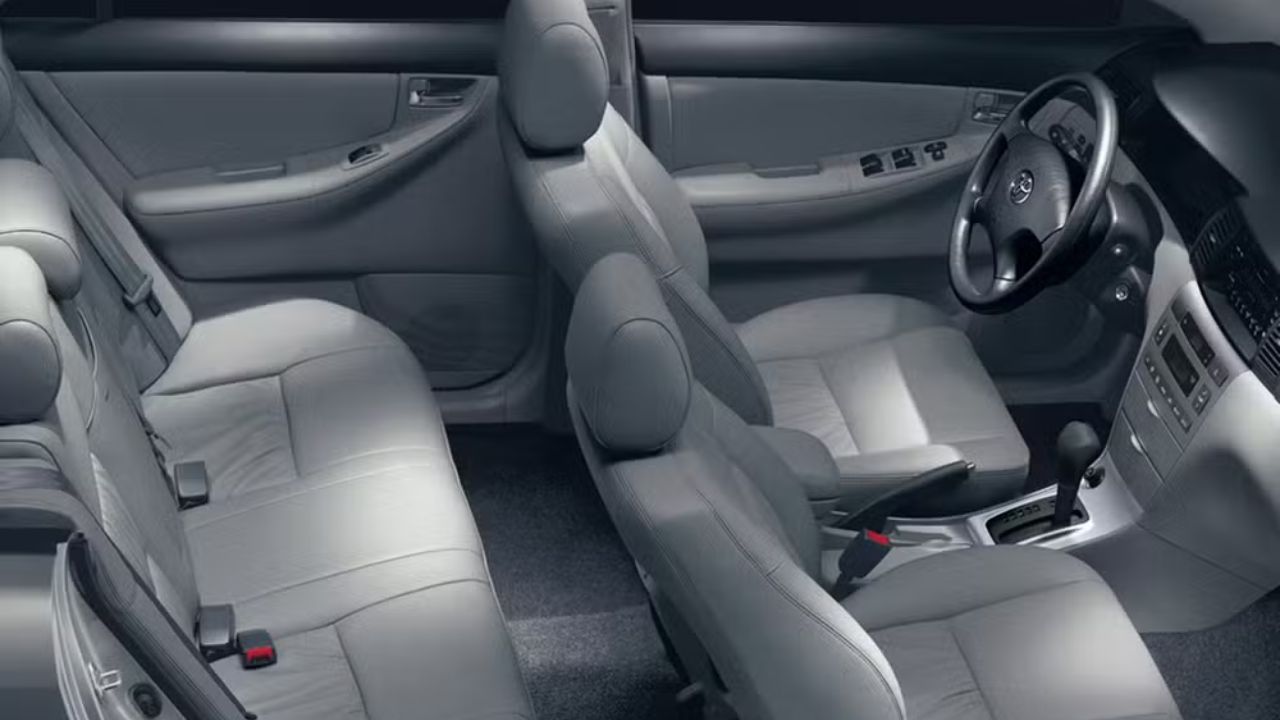
The trunk, with a capacity of 411 liters, was one of its highlights, with the possibility of expansion by folding down the rear seats.
This versatility made the Fielder an excellent choice for families and for those who traveled frequently.
Toyota Fielder and Its Reliable Mechanics
The engine chosen for the Toyota Fielder was the same used in the Corolla of that time: a 1.8 16-valve engine, which stood out more for its durability than for sports performance. Initially running solely on gasoline, the engine became flex from 2007 onward.
- Power with Gasoline: 132 hp
- Power with Ethanol: 136 hp
- Torque: 17.3 kgfm (gasoline) / 17.5 kgfm (ethanol)
Two transmission options were available: a 5-speed manual and a 4-speed automatic.
The automatic version provided more comfort in urban traffic, with smooth shifts. Meanwhile, the manual transmission allowed for a more direct driving experience, ideal for those who enjoyed feeling in control of the car.
Performance and Consumption: Focus on Efficiency
The Toyota Fielder never had a sports proposition, and its performance figures reflect this choice:
- 0 to 100 km/h (automatic): about 12.7 seconds
- 0 to 100 km/h (manual): approximately 12.4 seconds
In terms of consumption, the station wagon demonstrated reasonable efficiency for its size and the time:
Consumption with Gasoline
- City: 10.5 km/l
- Highway: 13.1 km/l
Consumption with Ethanol
- City: 7.5 km/l
- Highway: 9.8 km/l
These values ensured good autonomy for family trips and contributed to low daily operating costs.
Three Versions of the Toyota Fielder that Met Different Profiles
During its four years of production, the Toyota Fielder was offered in three versions: XEi, S, and SE-G, each with specific features for different audiences.
Fielder XEi: The Best-Selling Version
The Fielder XEi was the most accessible configuration and still came with a generous list of standard items. Among the features, the following stood out:
- Air Conditioning
- Power Steering
- Power Windows and Door Locks
- Front Airbags
- Alloy Wheels
- Power Mirrors
- Height-Adjustable Steering Wheel
As of 2007, it gained fog lights as standard. The leather seats were optional, allowing for more refined personalization.
Fielder S: Sports Style in Limited Series
With a bolder look, the S version sought to attract an audience that valued aesthetics. It maintained the mechanical setup of the XEi but added:
- Side Skirts and Sport Bumpers
- Silver Details on the Mirrors and Trunk
- Exclusive Trim
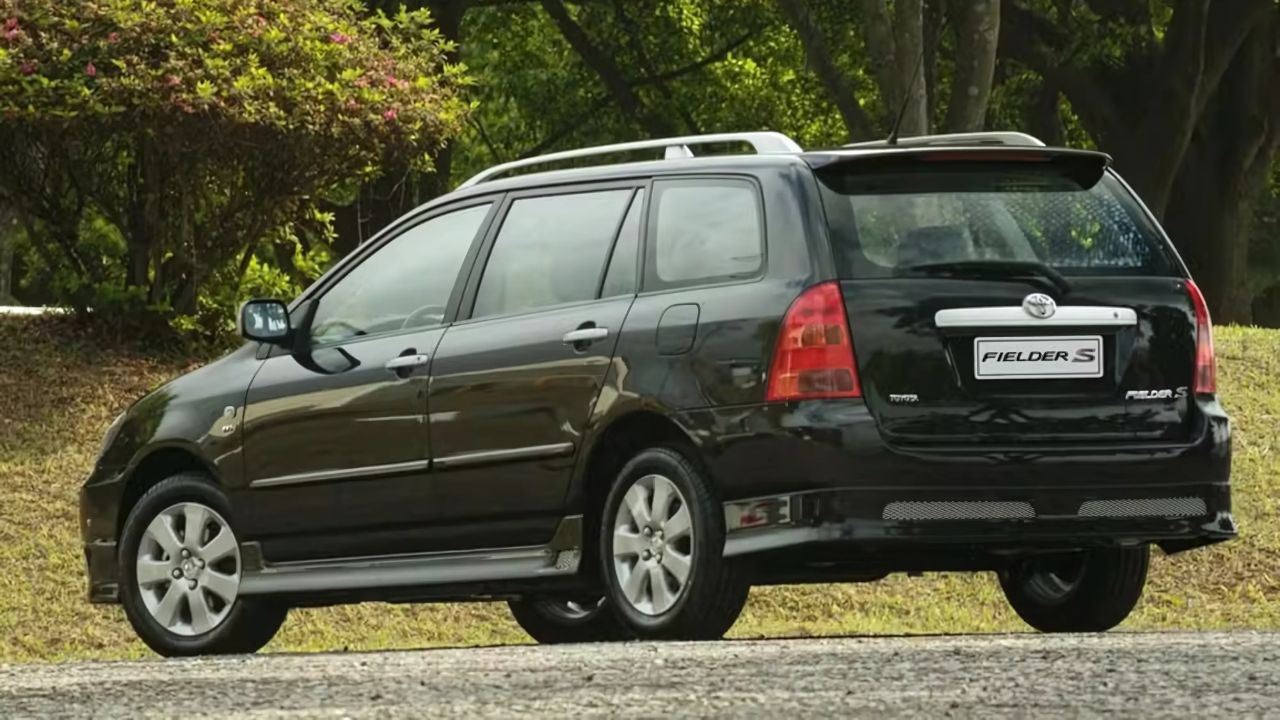
It was produced in limited edition of 450 units, making it one of the rarer Fielder models available in the used market.
Fielder SE-G: Top of the Line with More Technology
The SE-G version was the most complete and aimed at those seeking superior comfort. It came equipped with:
- Automatic Air Conditioning
- Leather Seats as Standard
- On-Board Computer
- Cruise Control
- Automatic Windshield Wiper Activation
- Exclusive Front Grille and Differentiated Wheels
Its finish was more refined, and the onboard experience was more sophisticated. Even today, it is one of the most valued versions in the used market.
Toyota Fielder in the Used Market: Is It Still Worth It?
Even more than 15 years after production ended, the Toyota Fielder is still highly sought after by those looking for a reliable car with good interior space and simple maintenance.
According to the Fipe Table (consulted on 07/31), prices vary based on the year and version:
Price Table – Toyota Fielder (FIPE)
2005 Line
- XEi Manual: R$ 35,512
- XEi Automatic: R$ 37,205
2006 Line
- XEi Manual: R$ 36,726
- XEi Automatic: R$ 38,198
2007 Line
- XEi Manual: R$ 37,704
- XEi Automatic: R$ 39,178
- S Manual: R$ 38,020
- S Automatic: R$ 39,985
2008 Line
- XEi Manual: R$ 41,977
- XEi Automatic: R$ 42,154
- SE-G Automatic: R$ 47,231
Even as a used car, the Toyota Fielder stands out among the most valued vehicles in its category, thanks to its mechanical durability and the affection that many drivers still have for the model.
The Legacy of the Toyota Fielder
The Toyota Fielder was one of the last significant station wagons to stand out in Brazil.
With its family-friendly proposal, reliable engine, good interior space, and well-equipped versions, the model became a reference and continues to be an excellent option in the used market.
While SUVs continue to gain ground, the memory of the Fielder persists — not only out of nostalgia but for everything it offered: reliability, comfort, and versatility, characteristics that remain relevant even after so many years.
If you are looking for a used car that still delivers a lot for the price, the Toyota Fielder is undoubtedly a smart choice.
Source: AutoEsporte.









-

-

-

-

-

-

65 pessoas reagiram a isso.