





 English
  Francês
  Alemão
  Italiano
  Japonês
  Norueguês
  Portuguese
  Spanish
  5 min of reading
  1 comment


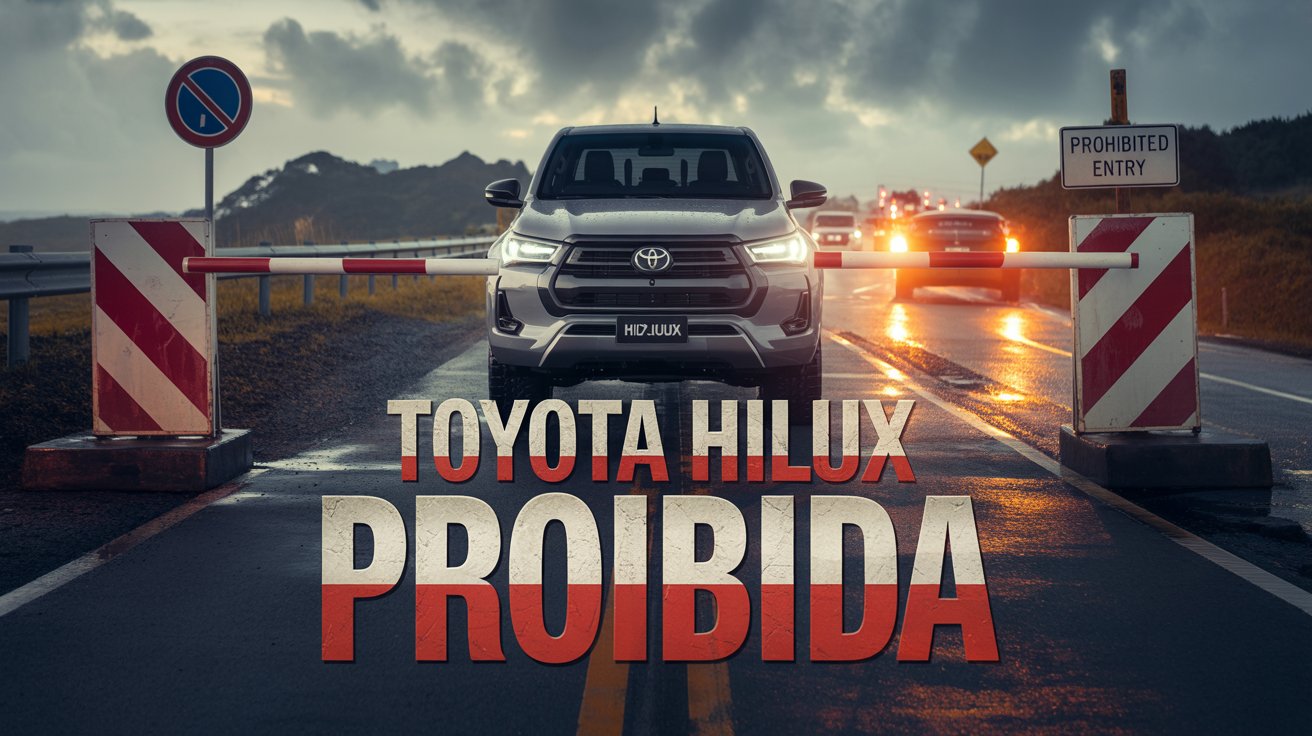

Toyota Hilux is a globally recognized legend for its extreme durability, but it faces unusual barriers to enter the U.S. market, revealing a story of taxes and strategies that few know and that directly impact its success.
The Toyota Hilux, one of the most famous and resilient pickups in the world, is not available at dealerships in the United States, the largest global market for this type of vehicle.
This unexpected absence is not due to technical problems or a lack of consumer interest, but rather an unusual tax that dates back to the 1960s.
Known as the “Chicken Tax,” this 25% import tax on pickups has made it practically unfeasible for the Hilux to enter the American market.
-
Spain surprises the world by erecting 62 artificial dunes, mixing sand with natural remains of posidonia, and causing the structure to lose only 1.4% of its volume in 1 year.

-
With 16 Bulava missiles, improvements in acoustic stealth, and a design focused on silent patrols, Russia’s nuclear submarine was born to ensure Moscow’s invisible retaliation and has become one of the pillars of its maritime strength.

-
‘Populous’ city in Rio among the worst in Brazil in national ranking and exposes silent development crisis.

-
Couple buys house in the South Zone of São Paulo, opens a hidden door in the garage, and finds a secret wine cellar with dozens of old wines forgotten since the 1970s.

According to experts, this tariff was created in response to a trade war involving the export of American chickens to Europe and ended up directly affecting the importation of light utility vehicles.
The story of the Hilux reveals a curious contrast between its global fame and its absence in a country passionate about pickups.
While the Hilux is revered in various regions of the planet for its extreme durability, its success has not crossed the borders of the United States.
This paradox is tied to economic, regulatory, and market factors that have helped shape the North American automotive landscape.
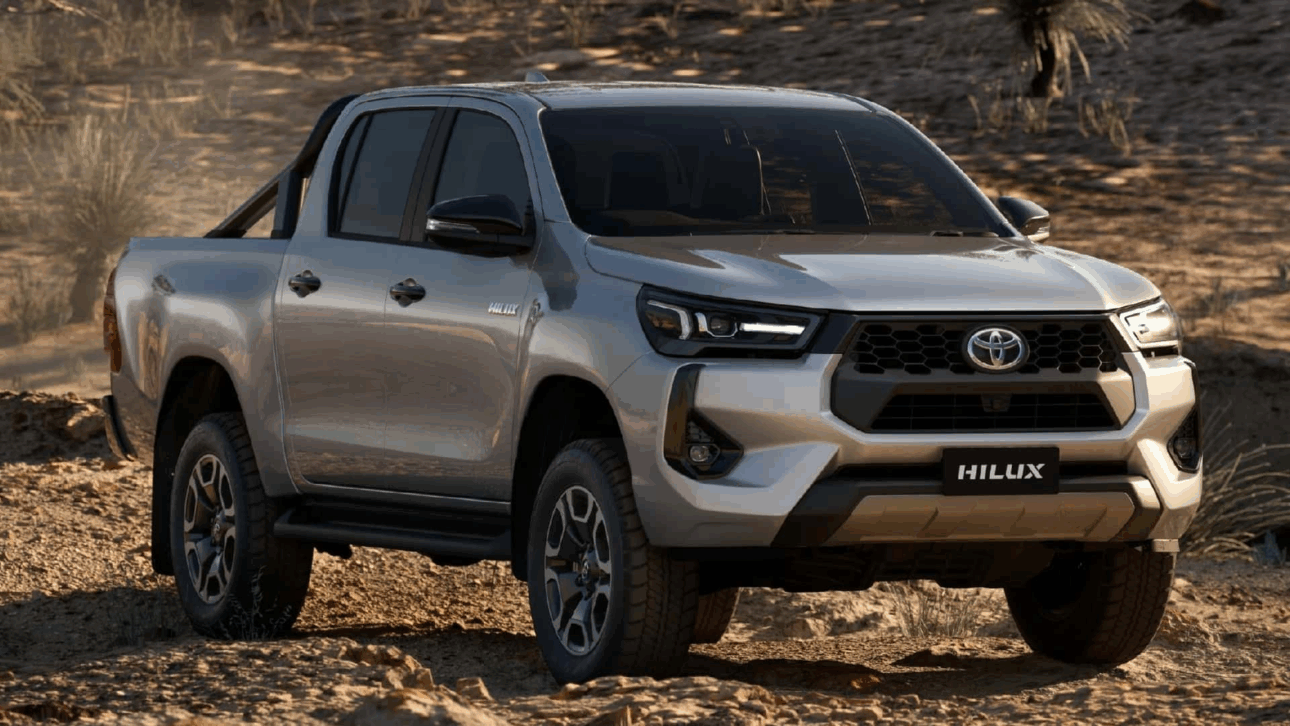
The Legend of Toyota Hilux’s Durability
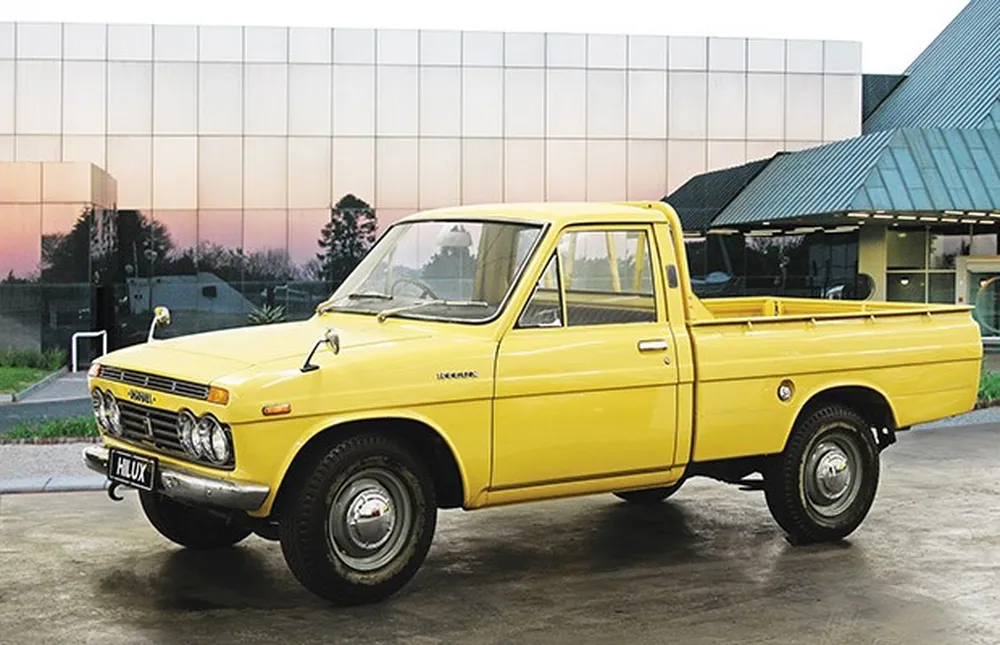
Since its launch in the late 1960s, the Toyota Hilux has gained an almost mythical reputation.
The name “Hilux” comes from the combination of the words “High” and “Luxury,” although its first model was much more functional than sophisticated.
The focus of Toyota has always been to create a pickup that could withstand the harshest terrains and conditions, with simple maintenance and exceptional durability.
Dramatic tests showed the Hilux enduring extreme situations, such as being submerged in water, destroyed in disasters, and continuing to function without failures.
Therefore, it became the favorite of farmers, explorers, humanitarian agencies, and even military groups operating in conflict zones.
In fact, during the so-called “Toyota War” in Africa, the use of the Hilux armed with machine guns and rocket launchers reinforced its image as an practically indestructible vehicle.
Why Didn’t the Hilux Conquer the U.S.?
The disappearance of the Hilux from American dealerships, despite the country’s immense passion for pickups, is a direct result of the “Chicken Tax.”
This tax was instituted in 1964 by President Lyndon B. Johnson’s government in response to a European tariff that harmed U.S. chicken exports.
The U.S. government imposed a 25% tax on the importation of light pickups, trucks, and other products, aiming to protect the domestic industry.
This tax has become an almost insurmountable barrier for foreign manufacturers wishing to sell imported pickups in the U.S.
Although the “Chicken Tax” was initially created to target Volkswagen and its pickups derived from the Kombi, it has remained in effect to this day, severely restricting the Toyota Hilux’s entry into the market.
The result? The Hilux has become too expensive to compete with locally produced American models, even though it is highly reliable and durable.
Furthermore, American consumers prefer larger, more powerful, and comfortable pickups, while the Hilux was designed for robustness and simplicity.
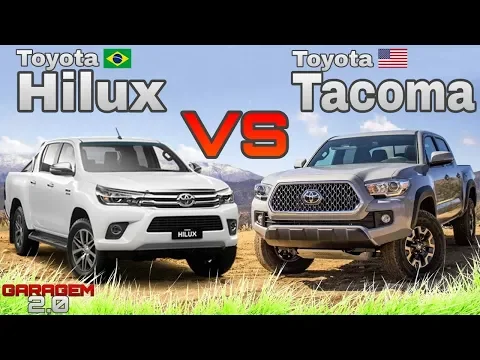

Toyota’s Solution: The Tacoma
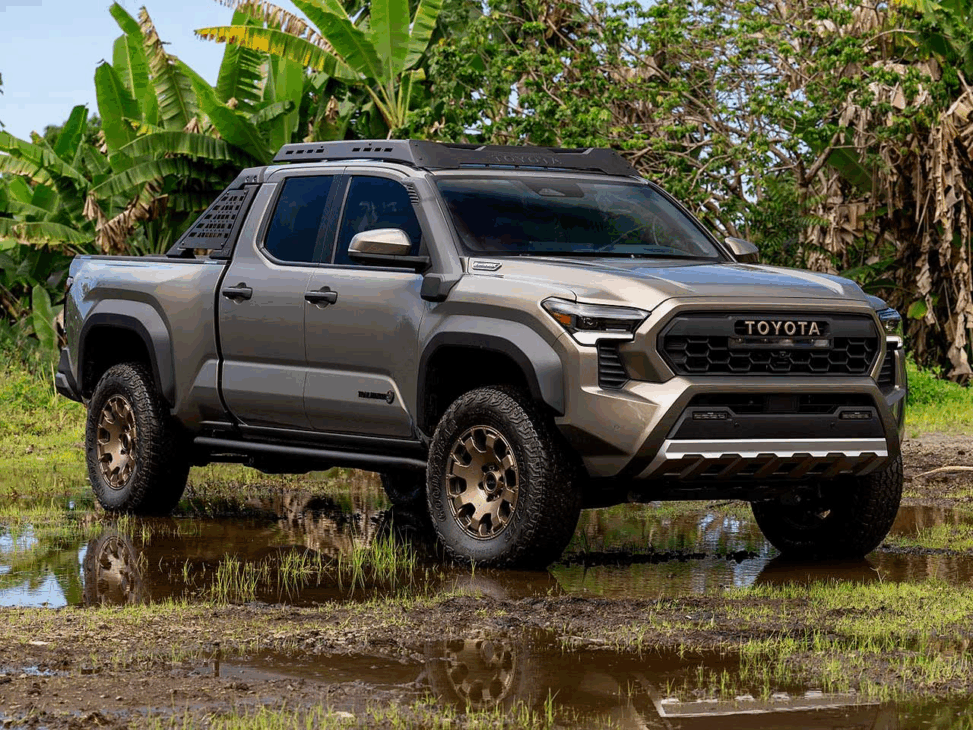
To circumvent this restriction, Toyota chose to manufacture an exclusive model for the U.S., produced locally to avoid the 25% tax.
This was how the Toyota Tacoma was born, launched in the mid-1990s.
Although it shares the same DNA as the Hilux, the Tacoma was developed to appeal to the American market, with suspension tuned for comfort, engines adjusted for road performance, and design aligned with local preferences.
The model fits the mid-size pickup segment, competing with the Ford Ranger, Chevrolet Colorado, and Nissan Frontier.
Meanwhile, the Hilux continued its global journey, dominating markets where resilience and simplicity are more valued.
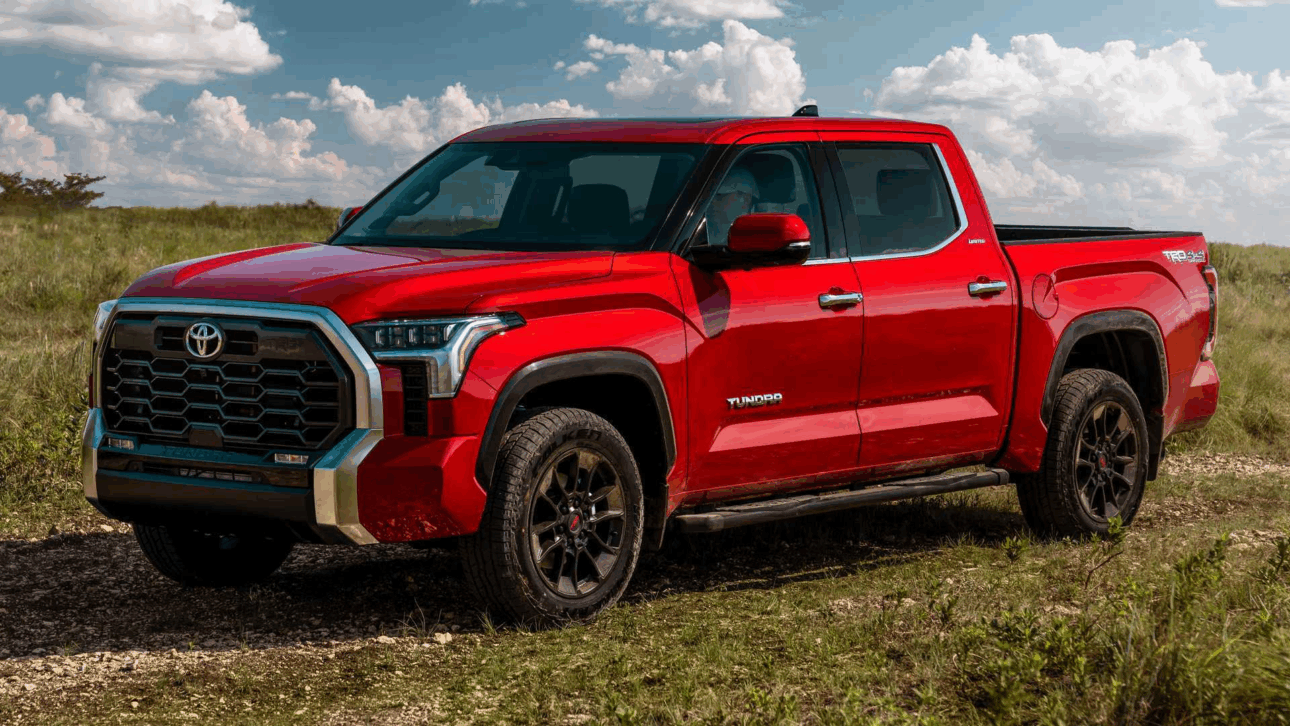
In the U.S., Toyota also offers the Tundra, a full-size pickup designed to compete with giants like the Ford F-150 and Chevrolet Silverado, reinforcing its market strategy.
Environmental Regulations and the Market
Another reason that influenced the removal of the Hilux from the North American market was the increasingly stringent environmental rules, especially from the 1980s and 1990s.
Emissions laws for diesel engines made its adaptation more complex and costly, causing the necessary investment to keep the Hilux compliant in the U.S. to be very high.
In addition, consumer preference for larger, more comfortable, and powerful vehicles reinforced Toyota’s decision to focus on the Tacoma for this audience.
Hilux, A Myth That Lives Worldwide
Today, the Toyota Hilux remains a true global icon.
Its reputation for durability and resilience remains intact, being one of the most admired pickups in countries across Asia, Africa, Latin America, and even Australia.
It is synonymous with reliability for those facing the toughest challenges of real life, from inhospitable terrains to extreme working conditions.
However, in the largest pickup market in the world, it remains a curious absence, the result of a trade war that started nearly six decades ago and Toyota’s strategic choices.
Meanwhile, the Tacoma establishes itself as the ideal alternative for American consumers, demonstrating that often the most resilient is not the most suitable for a specific market.
And you, reader, do you think the Hilux would succeed in the United States if the “Chicken Tax” did not exist? Or do you believe that the American market really prefers the models that Toyota specifically developed for it? Leave your opinion in the comments!






Não foi bem isso que eu ouvi lá nos EUA não,o que eu ouvi tem haver com segurança…a Hilux não passou em determinados requisitos de segurança. Portanto, a Toyota projetou a Tundra de acordo com a exigência da lei dos EUA. E vende igual a água lá. Em países que a Hilux é adorada,normalmente as leis são facilmente burladas,inclusive o Brasil. Não que a camionete seja ruim,pelo contrário…mas,em se tratando de cumprimento de leis,o Brasil não é lá essas coisas. Um abraço aos proprietários de Hilux.