





 Portuguese
  English
  Spanish
  3 min of reading
  1 comment


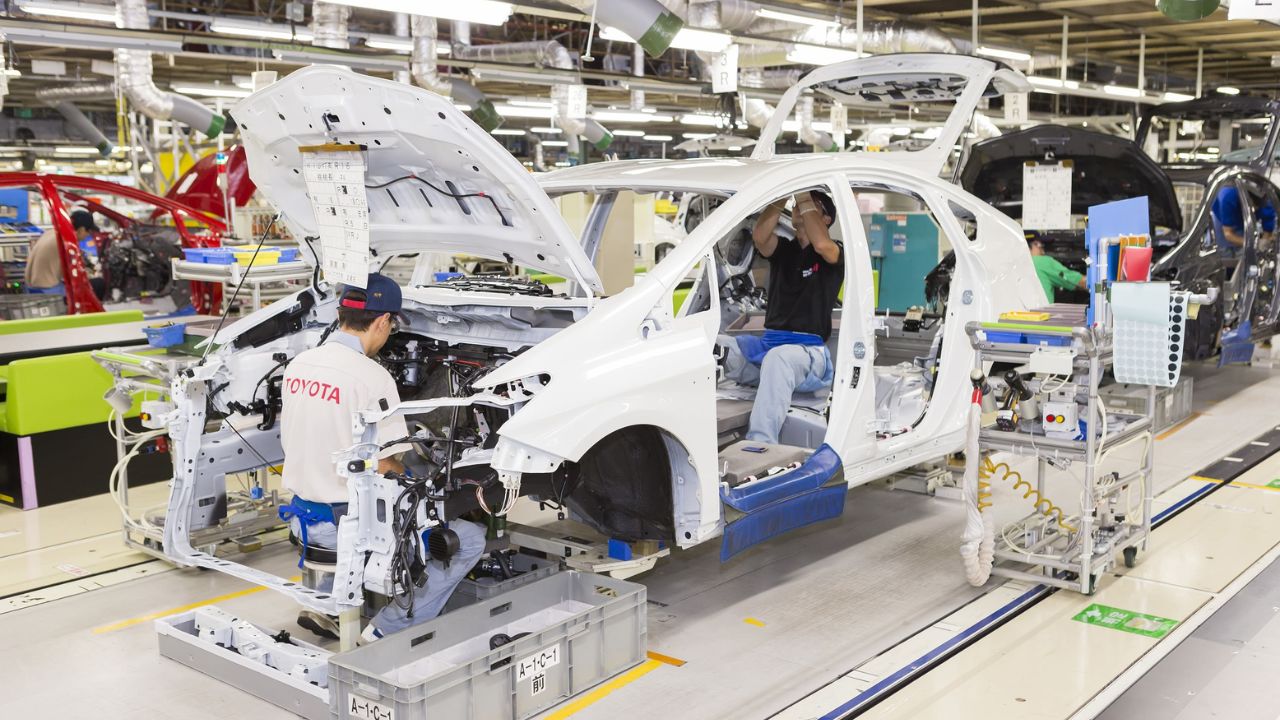


Even With a 3.7% Drop in Sales, Toyota Surpassed Volkswagen and Dominated the Market for the Fifth Consecutive Year. The Secret? A Diversified Portfolio that Bets on Hybrids, Electric Vehicles, and Even Hydrogen. And There’s More: Over 10.8 Million Vehicles Were Sold in 2024!
Who said electric cars are the only way to the future? While most automakers bet everything on EVs, Toyota took a different route: it kept its foot on the brake and continued to offer a variety of options, from hybrids to combustion models. And it worked!
In 2024, the Japanese automaker beat Volkswagen again and secured the global top spot in sales for the fifth consecutive year. There were 10.8 million vehicles sold, proving that a diversified strategy is still the smartest play. But how did Toyota achieve this in such an unpredictable market? Let’s understand this story!
The Diversification Strategy

If there’s one thing Toyota teaches, it’s: don’t put all your eggs in one basket. While several brands dove headfirst into electric vehicles, the Japanese automaker took a safer route, without rushing to abandon combustion engines.
-
A brand new car starts at around R$ 75,000 in Brazil, but what stands out the most is seeing streets filled with SUVs and expensive sedans in a country where millions remain in debt.

-
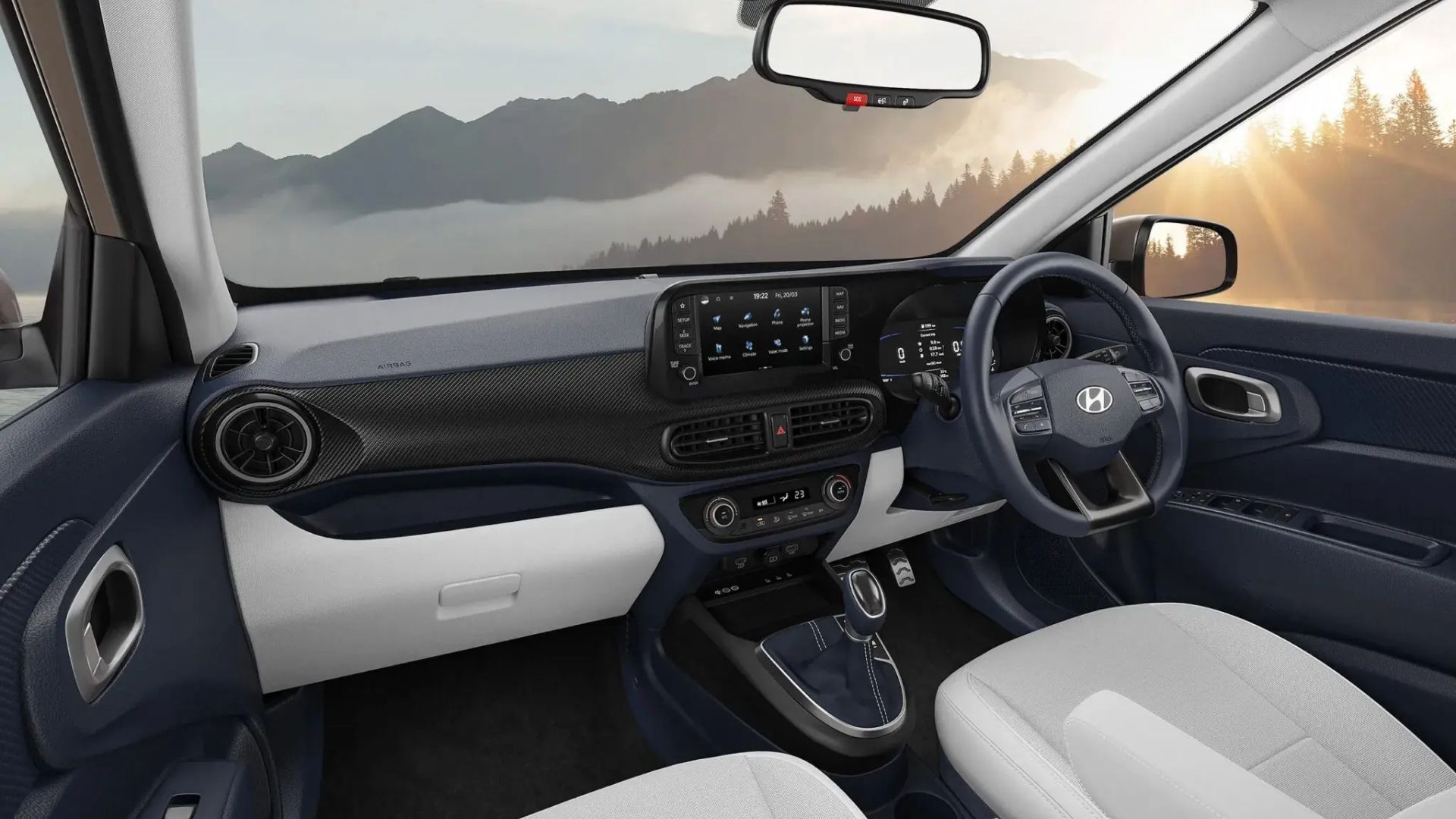
For R$ 32,000, a brand new Hyundai car is a rival to the Kwid with a 1.2 engine producing 82 hp, 6 airbags as standard, multimedia with wireless Android Auto, up to 391 liters in the trunk, and a refreshed look for 2026 in India.
-
He bought a new car in 1983, locked it in the barn in 1988, and no one opened the door for 38 years until the family discovered what was stored inside and realized it looked like something out of a movie.

-
A 250cc motorcycle that can reach 560 km with a 14-liter tank, features disc brakes on both wheels and is among the most well-known in Brazil.


The key was simple: offer all possible options to the consumer, instead of forcing a single technology. In Toyota’s catalog, you can find:
Traditional combustion cars
Conventional hybrids (like the Corolla Hybrid, which is a success)
Plug-in hybrids, for those who want to run a bit in electric mode
100% electric models (yes, they have EVs too!)
Even hydrogen-powered cars, like the Toyota Mirai
While competitors like Volkswagen put everything on electric vehicles, Toyota played intelligently and offered a little bit of everything. The result? Global leadership.
Toyota’s Dominance in the Global Automotive Market
On January 30, the confirmation came: Toyota sold 10.8 million vehicles in 2024 and maintained the top spot in the ranking for the fifth consecutive year. Since 2020, the Japanese company has not relinquished first place, leaving Volkswagen in the dust.
The curious thing is that both brands experienced a drop in sales, but even so, Toyota performed better. The Germans saw their numbers fall by 2.3%, while Toyota had a slightly larger drop of 3.7%. Still, it was enough to keep the crown.
Toyota’s Strength in Europe and Challenges in Japan
While Toyota did well in Europe (with 1,217,132 vehicles sold and a growth of 4%), things were very different in Japan. There, the brand faced a nearly 20% drop. The reasons?
Partial suspension of Prius production due to natural disasters
Certification issues in subsidiaries like Daihatsu
Despite this, Toyota’s strategy of heavily betting on hybrids has yielded results in markets like the United States and Europe, where electrified models are already the majority in sales.
Eggs in Separate Baskets: The Secret of Toyota’s Portfolio
If there’s something that sets Toyota apart from other automakers, it’s the variety of options. While some brands went straight for EVs, Toyota decided to let the consumer choose.
An example? The Toyota C-HR 2024. It can be a conventional hybrid or a plug-in hybrid, catering to different driver profiles. The brand also offers diesel, gasoline, electric, and even hydrogen cars.
The problem is that some of these bets are not performing well. Hydrogen, for instance, remains a huge challenge due to the lack of infrastructure. But overall, the strategy of providing options has kept Toyota strong at the top.
The Challenge from China and Competition from New Brands
If Toyota has a weak spot, it’s called China. While the brand remains strong in the U.S. and Europe, in the Asian giant, things are not easy at all. In 2024, sales there dropped 6.9%, and the reason has a name: local competition.
Brands like BYD and MG are growing rapidly, heavily investing in affordable and super-advanced electric cars. And with China being one of the largest automotive markets in the world, Toyota needs to reinvent itself to avoid further declines there.









Está levando uma taca dos chineses, que a te perdeu o caminho de casa , só não quebrou porque, em muita jante que e outra passado ou conservado, vai perder este jogo