





 Portuguese
  English
  Spanish
  5 min of reading
  0 comments


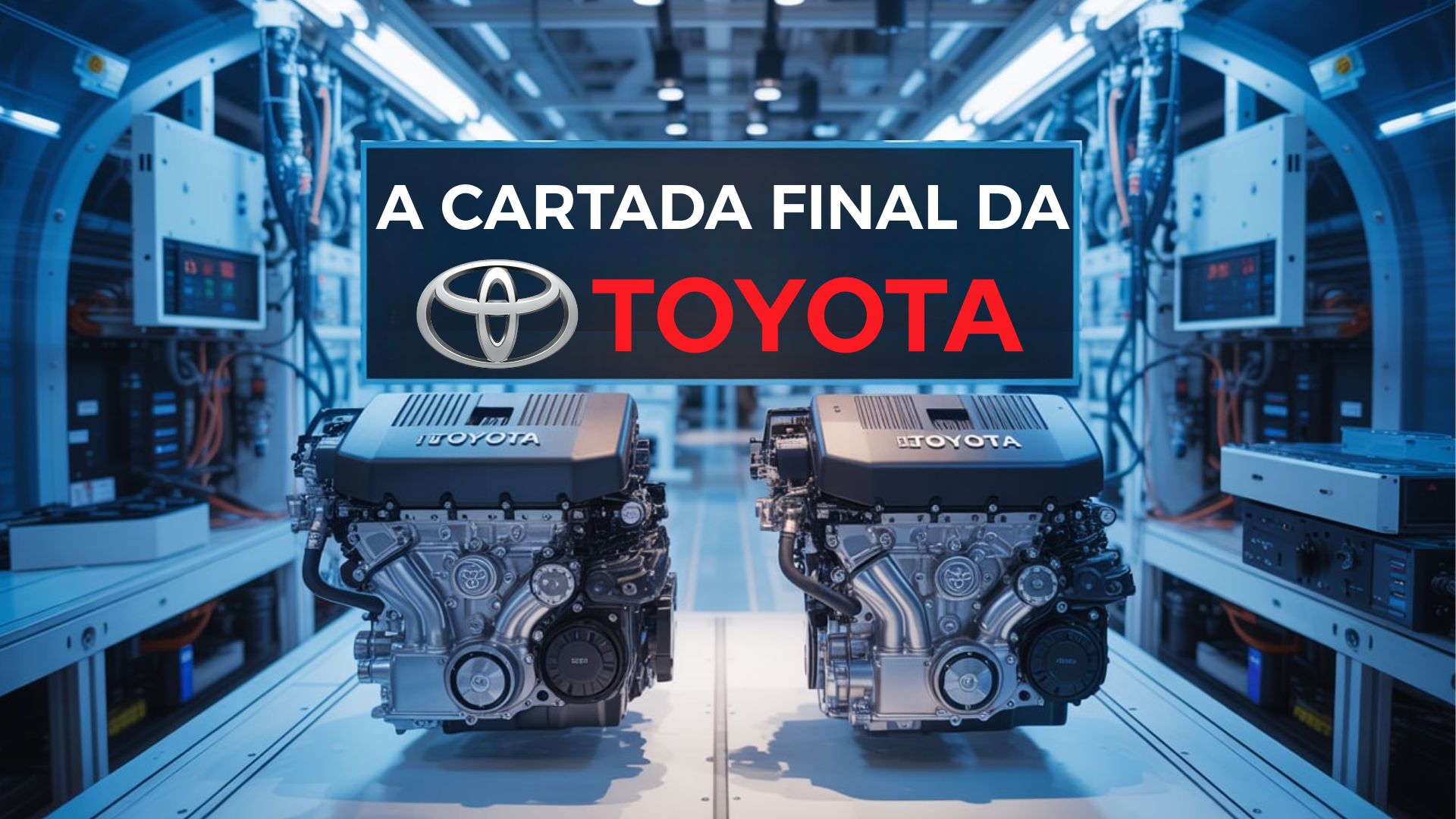
Toyota Invests In Adaptable Internal Combustion Engines For Electric, Hybrid, And Hydrogen, Seeking Flexibility For Different Markets And Energy Needs Without Giving Up Advancements In Batteries And Electrification Technologies.
Toyota, a global reference in electrification thanks to the Prius and its extensive hybrid lineup, reaffirms that the future of mobility does not exclude the internal combustion engine.
The company is working on a new generation of more powerful and efficient 1.5 and 2.0 engines, designed to operate in different propulsion arrangements, from conventional hybrids to hydrogen-powered, as well as plug-in and extended range configurations.
The central proposal is to integrate these engines into platforms originally designed for battery electric vehicles, preserving structural efficiency and design flexibility.
-
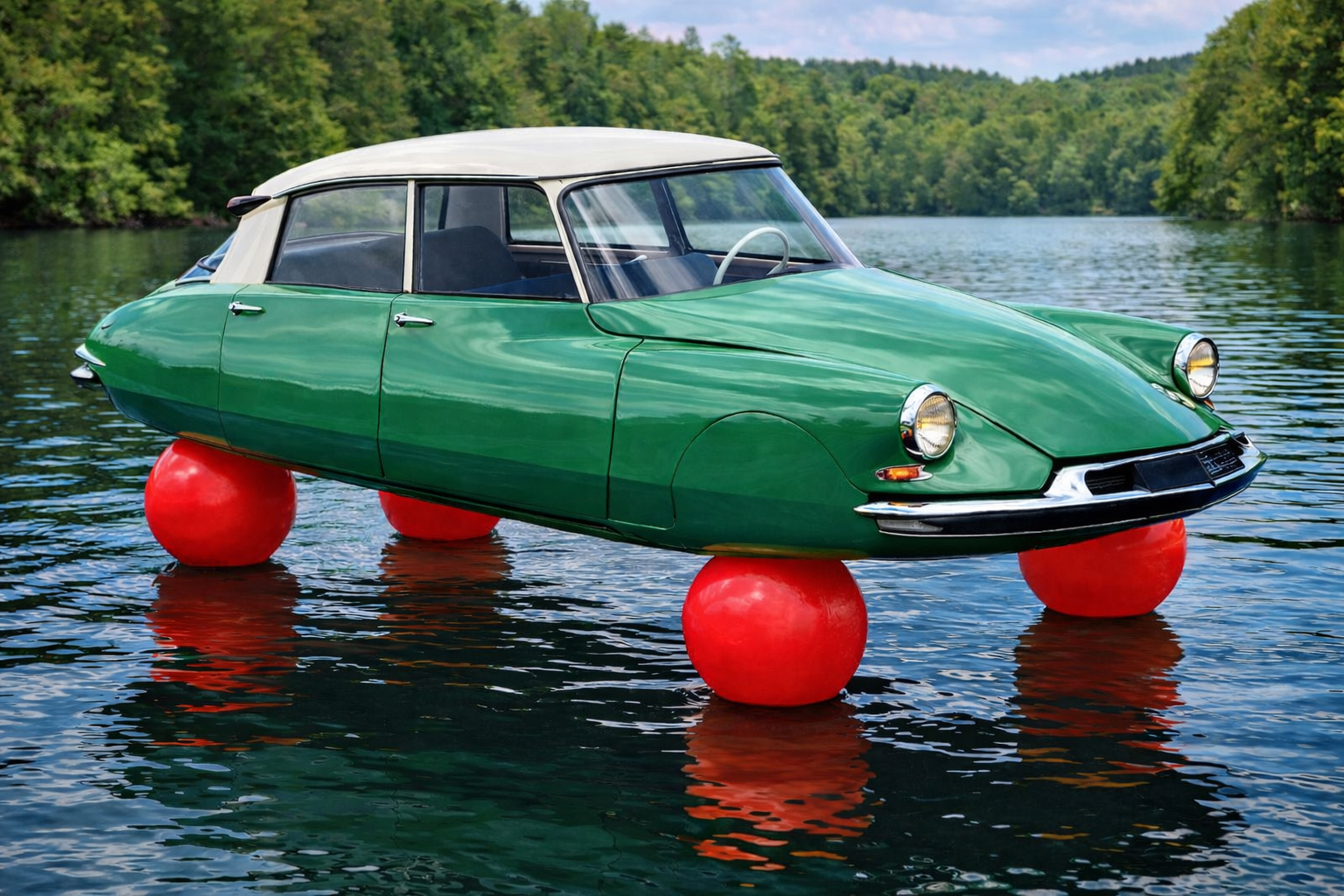
A French brand placed a car on four huge red balloons to prove that its suspension made the vehicle “float,” and the surreal scene became one of the most iconic and unusual images in automotive history.
-
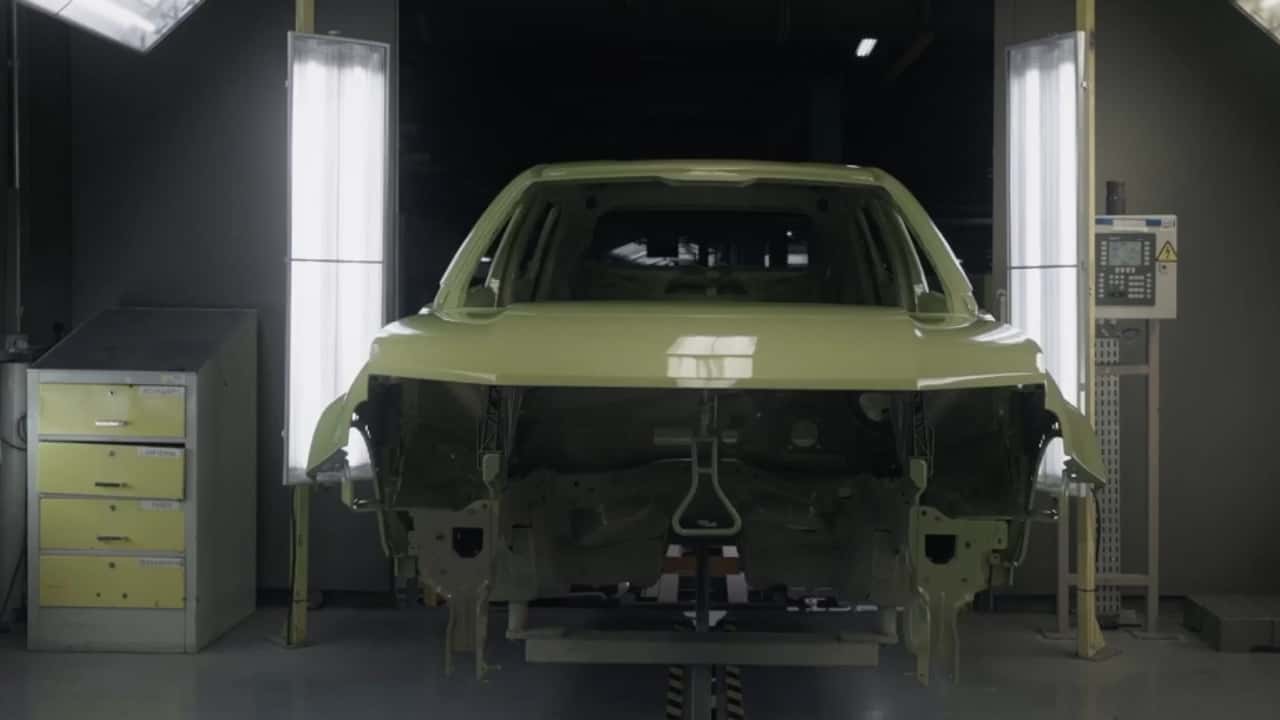
Jeep Avenger begins production in Brazil, debuting as the brand’s new entry-level SUV and inaugurating an unprecedented phase by becoming the first national Jeep manufactured outside of Goiana, as part of a R$ 3 billion plan.
-
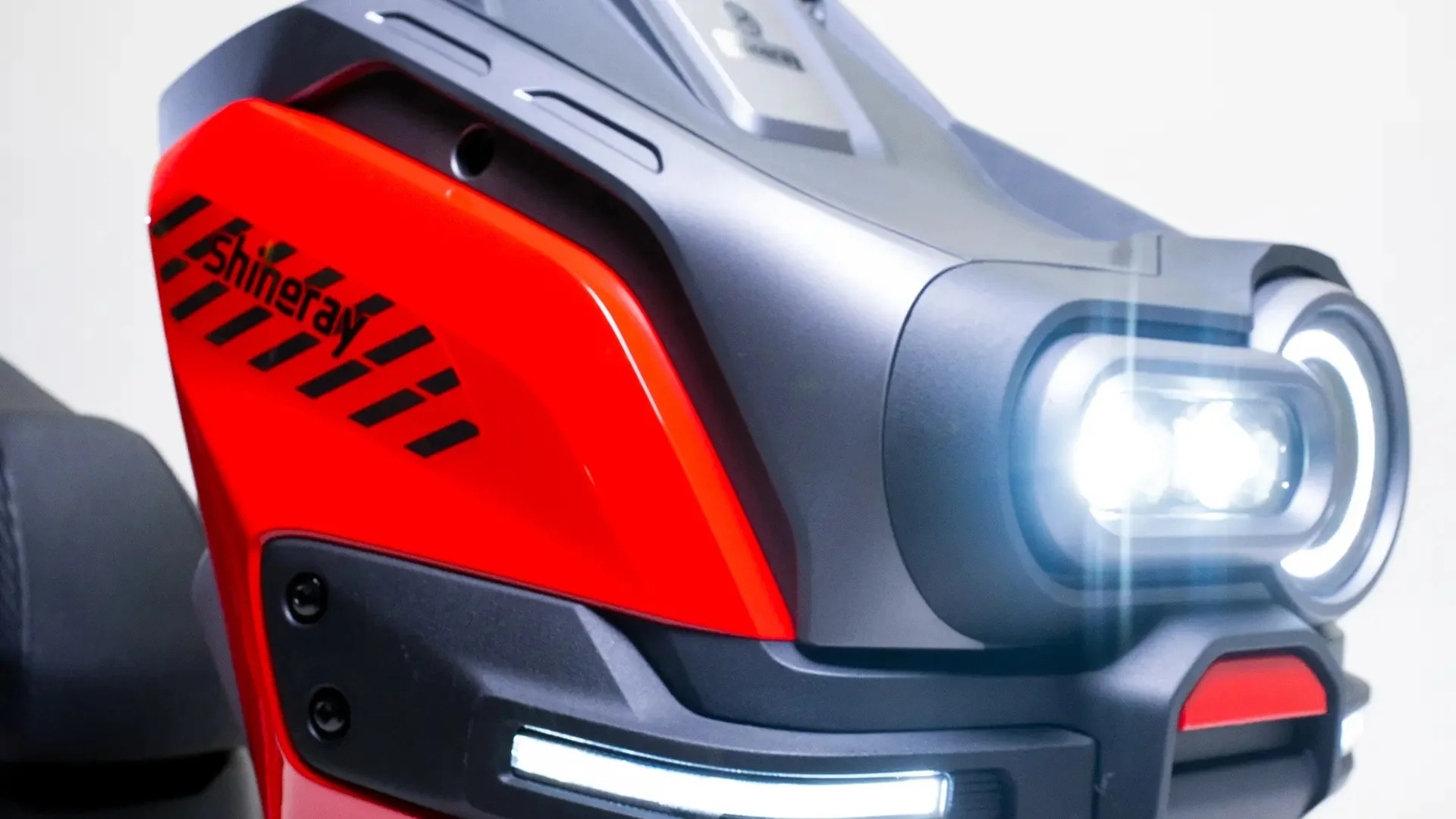
Costing R$ 12,490, the new Shineray Urban Lite 150 “cheap one” arrives in Brazil with a CVT transmission, digital dashboard, and LED lights, making it more affordable than the Biz and targeting those who want to abandon the bus.
-
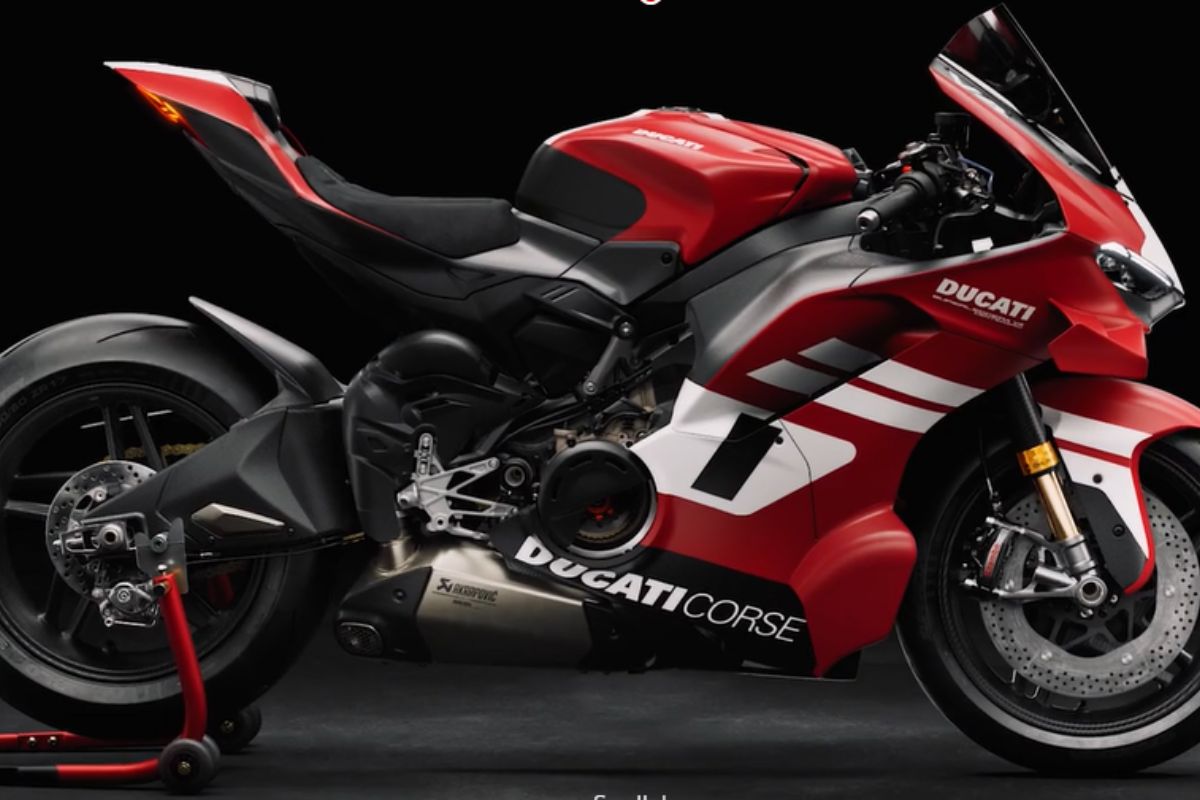
Ducati brings to Brazil the Superleggera V4 Centenario: 228 hp that become 247 with a track kit, carbon fiber and carbon-ceramic brakes, estimated price between R$ 1.5 and 2 million, deliveries only in 2027.

Engines Designed For Electric Platforms
According to Automotive News, Andrea Carlucci, Vice President of Strategy and Product Marketing at Toyota in Europe, explained that engineering has been working to make new engines fit into architectures designed for BEVs.
In other words, the vehicle base designed to accommodate batteries and electric motors would allow, with minimal adaptations, the installation of a compact and optimized internal combustion engine to operate together with electrified systems.
The internal reading is that cross-compatibility reduces costs, accelerates launches, and broadens the range of products for each market.
Although the platform was conceived for pure electric vehicles, Toyota aims for a practical transition.
The ability to modularize the powertrain without completely redesigning the vehicle tends to shorten development cycles and maintain aerodynamic and space efficiency, gains typical of bases designed for BEVs.
Flexibility For Markets At Different Paces
The strategy, highlighted by Automotive News, aims to respond to global variations in demand for electrification.
While some countries are accelerating the adoption of electric vehicles, others are progressing gradually.
In the United States, for example, the speed of the transition remains uncertain.
With 1.5 and 2.0 engines compatible with multiple solutions, Toyota can quickly alternate between hybrids, battery electric, and hydrogen applications, adjusting the contribution of each technology according to energy prices, available infrastructure, and consumer preferences.
This design reduces exposure to regulatory changes and economic fluctuations.
At the same time, it allows factories and supply chains to operate with greater predictability, as mix variations occur over the same set of components and platforms.
Hybrids, Plug-In And Extended Range In The Same Ecosystem
In practice, engineering is working to ensure that the same vehicle can accommodate different propulsion arrangements.
The battery pack and the electric system would form the common base.
The internal combustion engine would enter as a generator or as part of a hybrid system, depending on the product positioning. In plug-in configurations, the engine can emphasize efficiency on highways.
In extended range electric vehicle (EREV) versions, the main function is to power the batteries when necessary, without constant direct traction on the wheels.
Compatibility with hydrogen adds another layer.
Toyota, which is already exploring fuel cell hydrogen and evaluating internal combustion engines adapted to burn H₂, understands that this path may gain traction in specific niches, particularly in applications requiring rapid refueling and high availability.
Applications In Pickups And Utility Vehicles
In addition to passenger cars, the manufacturer targets segments where 100% electric vehicles still face significant obstacles, such as medium and large pickups.
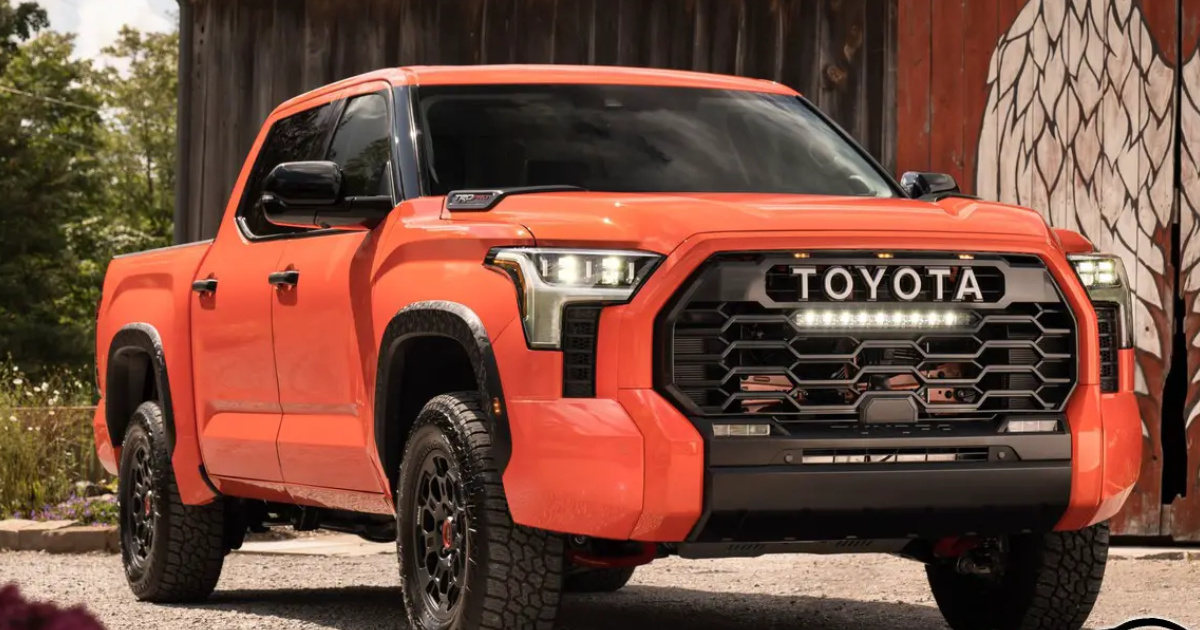
Among the scenarios discussed internally is an electrified Tacoma with an internal combustion engine acting as a range extender.
The logic is to offer great range for daily urban use with the electric system, and when necessary, activate the gasoline engine as a generator for long trips, towing, or heavier work.
In parallel, similar solutions are being evaluated for the Tundra.
If advanced, they would result in trucks capable of combining silent electric driving and low operational costs in daily use with the reliability of a tank for long journeys or demanding tasks.
In this architecture, the internal combustion engine does not replace the electric motor. It extends the usage envelope, circumvents charging infrastructure constraints, and maintains the vehicle’s utility in high energy demand scenarios.
Batteries Continue As A Technological Pillar
While developing new engines, Toyota continues to invest in battery technologies.
The goal is to support the next generation of electric vehicles with improvements in energy density, cost, and charging time.
This area coexists with the development of more efficient gasoline engines, instead of directly competing with them.
The equation proposed by the brand combines enhancements in thermal engines, advancements in electrification, and research in hydrogen, always focusing on effective reduction of emissions in real use.
The company maintains that different paths can accelerate decarbonization in the short and medium term. In markets with a consolidated charging network, pure electric vehicles are likely to gain prominence.
Where infrastructure is still limited, hybrids, plug-in, and EREV can deliver immediate gains in efficiency and lower emissions without requiring profound changes in the user’s daily life.
Portfolio Rationale And Response To Demand
By designing adaptable 1.5 and 2.0 engines for electric platforms, Toyota structures a portfolio that breathes alongside the market.
If the demand for BEVs grows rapidly, the company prioritizes versions without internal combustion engines.
If the pace slows or regional barriers arise, hybrid and extended range versions fill in without requiring a new architecture.
The expected side effect is a reduction in industrial complexity, as the number of exclusive bases per type of propulsion tends to decrease.
Another point is the intrinsic efficiency of the new engines.
The automaker is working to extract more power with lower consumption and emissions, taking advantage of thermal cycles and calibrations designed to operate in ideal ranges, especially when used as generators.
Together with more refined energy management software, the goal is to deliver competitive range and reduced cost per kilometer.
Combustion In The Game, Electrification Expanding
The vision that emerges, as highlighted by Automotive News, is pragmatic: keeping the internal combustion engine in the game, now reconfigured to interact with electric systems and hydrogen, can accelerate the transition without imposing disruptions where they are not yet viable.
At the same time, investments in batteries and platforms for BEVs remain.
The intended result is a broad menu, capable of serving from the user who has already migrated to pure electric to those who need a vehicle with flexible range and high availability.
While the debate over the speed of electrification remains open in various regions, Toyota’s approach seeks to reduce risks and provide technical responses for distinct usage profiles.
The success of this strategy will depend on industrial execution, advancements in batteries, and public acceptance of next-generation hybrid solutions.
In this scenario, which powertrain configuration would make the most sense for your daily use and for longer trips?









-

-

-

-

-

-

306 pessoas reagiram a isso.