





 Portuguese
  English
  Spanish
  3 min of reading


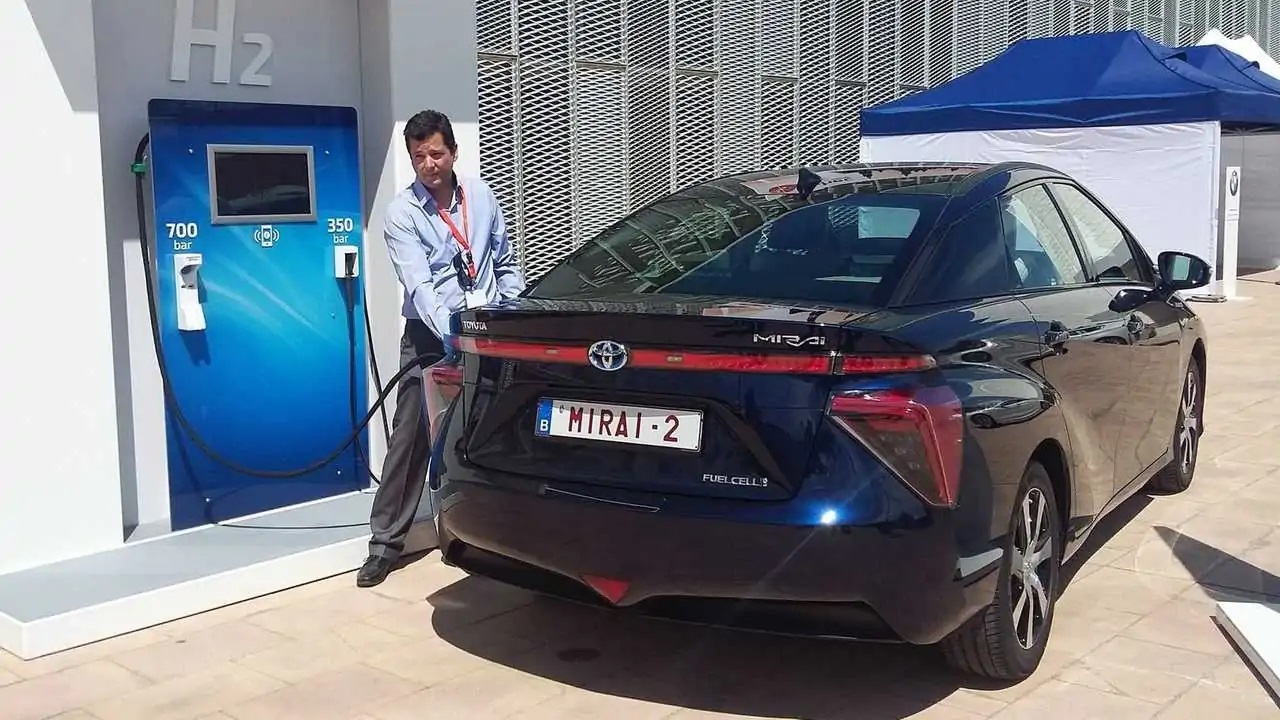
Searching for Greater Efficiency and Sustainability in Its Vehicles, Toyota Tests Its Corolla Sport with Hydrogen-Powered Engine. The Vehicle Was Driven by the Brand’s CEO
Toyota tested its Corolla with a hydrogen-powered engine for 24 hours. The racing model was equipped with a 3-cylinder gasoline engine borrowed from the Yaris GR and adapted to burn hydrogen like that of a conventional internal combustion engine. Although surprising, this technology is not so new, as BMW began testing of this kind between 2006 and 2008. But 15 years ago, the transition to more sustainable energy sources was not yet a priority.
Read Also
How Does Hydrogen Work in the Corolla Engine?


When hydrogen is used to power a fuel cell system, there is a 100% zero-emission electric powertrain. In this case, there are no unburned hydrocarbons or CO2; however, some nitrogen oxides are released into the atmosphere anyway.
-
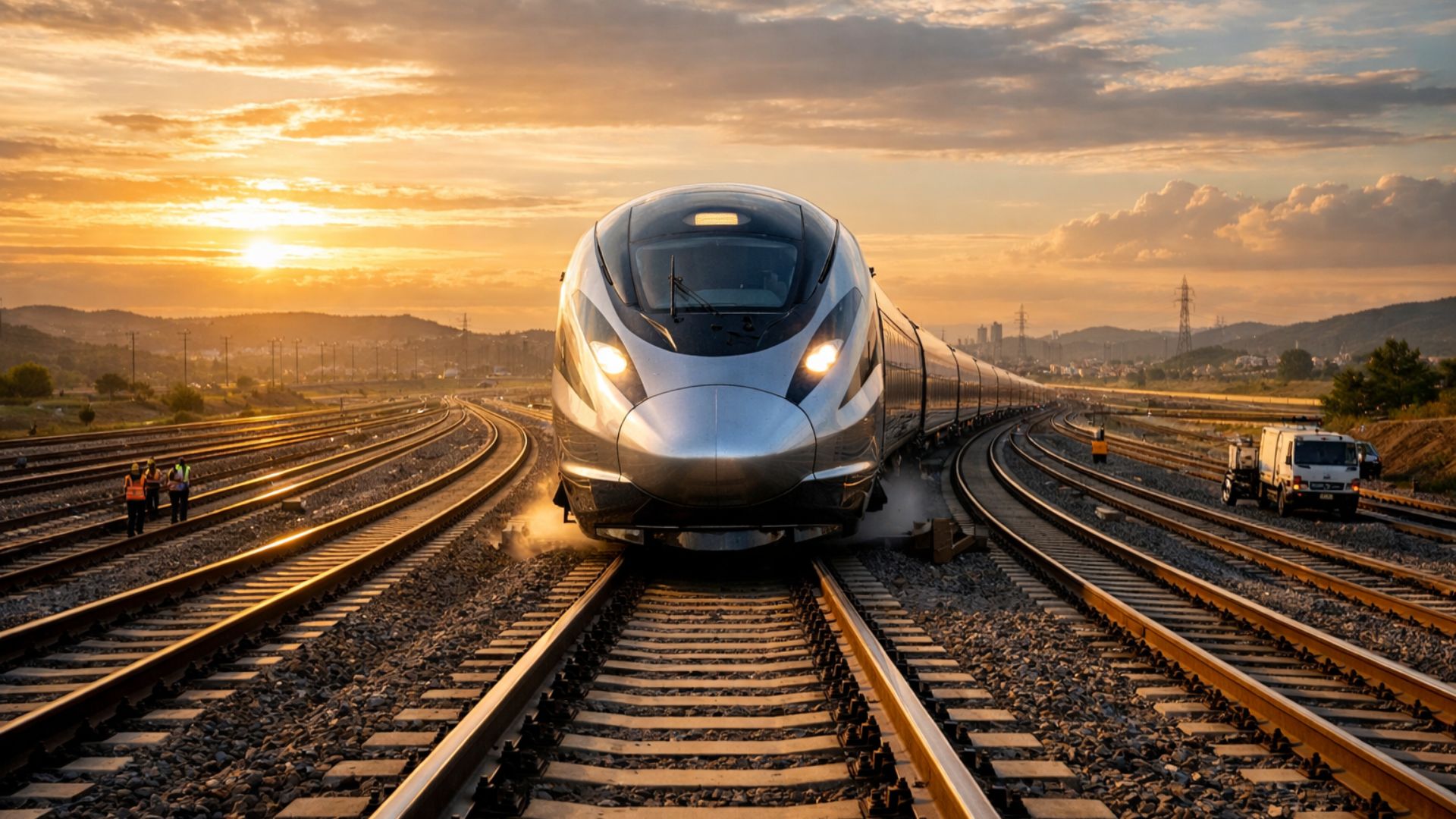
São Paulo surprises the world with a colossal railway network project that promises over 1,000 km of tracks, R$ 194 billion in investments, and 40 projects connecting the capital to the interior with fast and sustainable trains.
-
The world’s largest escalator, measuring 905 meters in China, reduces urban travel time from 1 hour to about 20 minutes and transforms mobility in mountainous regions with an engineering solution adapted to the terrain.

-
A R$ 300 million logistics giant is taking shape in Serra with over 100,000 m² and raises a question: how can this transform e-commerce and distribution in the state?

-
Could Uber Rides Lose Minimum Fare? Understand What’s Happening!

Nitrogen makes up 78% of the atmosphere and, in combustion, oxidizes producing its own NOx. In any case, the amounts are much smaller compared to those emitted by diesel and gasoline. Mainly because an engine that burns hydrogen has a “fuel-air” mixture that is much drier than that of a gasoline or diesel engine.

A World Record
In June, the Toyota Mirai set a world record for the distance traveled by a hydrogen car. It covered about 1,000 kilometers on the streets of France, with no pollutant emissions and with only one refueling.
The car’s record could have been even greater, considering that at the end of the route, the Toyota vehicle had 9 kilometers of remaining range. The average hydrogen consumption was approximately 0.55 kg per 100 km. Toyota emphasized that the results were certified by another authority.
CEO of the Manufacturer Drives the Hydrogen-Powered Corolla
In May, Akio Toyoda was one of the drivers for the ORC Rookie Racing team and took turns driving the hydrogen-powered Corolla Sport. The CEO closely evaluated the durability, possibilities, and safety of the model. The Corolla underwent several modifications to lighten its weight, compensating for the extra weight of the hydrogen tanks, which exceed 100 kg.
The car is also equipped with a 4WD system. According to Toyota’s CEO, the reason for competing in a 24-hour race is that lasting only five hours is not enough. He claims that many people in Japan associate hydrogen with explosions, thus the executive decided to show that it is totally safe to use the substance.

Formado em Jornalismo e Marketing, é autor de mais de 20 mil artigos que já alcançaram milhões de leitores no Brasil e no exterior. Já escreveu para marcas e veículos como 99, Natura, O Boticário, CPG – Click Petróleo e Gás, Agência Raccon e outros. Especialista em Indústria Automotiva, Tecnologia, Carreiras (empregabilidade e cursos), Economia e outros temas. Contato e sugestões de pauta: valdemarmedeiros4@gmail.com. Não aceitamos currículos!








Seja o primeiro a reagir!