





 Portuguese
  English
  Spanish
  4 min of reading
  0 comments


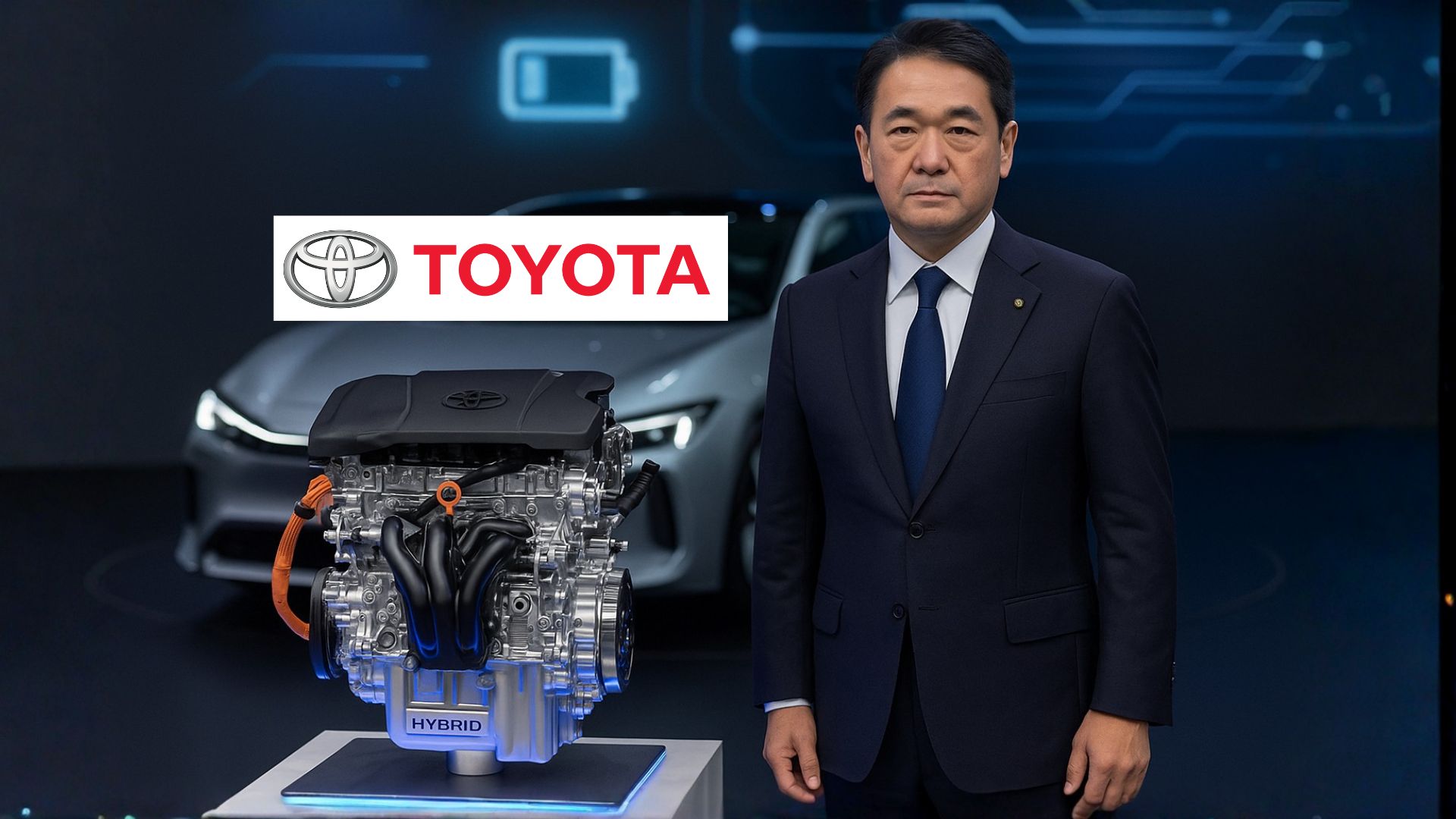
In The Wave Of Electrics At Japan Mobility Show, Toyota Defends Internal Combustion Engines And Unveils A New 1.5 Hybrid More Efficient, Reinforcing Its Multiple-Path Strategy To Reduce Emissions And Maintain Driving Pleasure.
Toyota took a direct message to the Japan Mobility Show amid the rise of electrics: the company will continue investing in internal combustion engines, integrated with electrification solutions and low-carbon fuels.
In Tokyo, technology director Hiroki Nakajima stated that, in his view, Toyota should be “the last” company to continue making engines, reiterating the multiple-path strategy to reduce emissions without relying solely on battery vehicles.
Right at the booth, the Corolla Concept caught attention for its short hood and lowered interior, a design many interpreted as dedicated to a pure electric.
-
Motorola launched the Signature with a gold seal from DxOMark, tying with the iPhone 17 Pro in camera performance, Snapdragon 8 Gen 5 that surpassed 3 million in benchmarks, and a zoom that impresses even at night.

-
Satellites reveal beneath the Sahara a giant river buried for thousands of kilometers: study shows that the largest hot desert on the planet was once traversed by a river system comparable to the largest on Earth.

-
Scientists have captured something never seen in space: newly born stars are creating gigantic rings of light a thousand times larger than the distance between the Earth and the Sun, and this changes everything we knew about stellar birth.

-
Geologists find traces of a continent that disappeared 155 million years ago after separating from Australia and reveal that it did not sink, but broke into fragments scattered across Southeast Asia.

The brand, however, claims that the project accommodates a compact gasoline engine with hybrid architecture, compatible with the proposal to reduce size, weight, and consumption while maintaining performance.
This is not about denying the energy transition.
The automaker insists that the goal is to decarbonize, taking into account regional differences in infrastructure and costs, as well as consumer preferences.
This reading aligns with the position of board chairman Akio Toyoda, who for years has advocated for technological diversity — hybrids, plug-in hybrids, fuel cells, biofuels, and e-fuels — as the most realistic path to reduce CO₂ at scale.
New 1.5 Hybrid Engine More Compact And Efficient
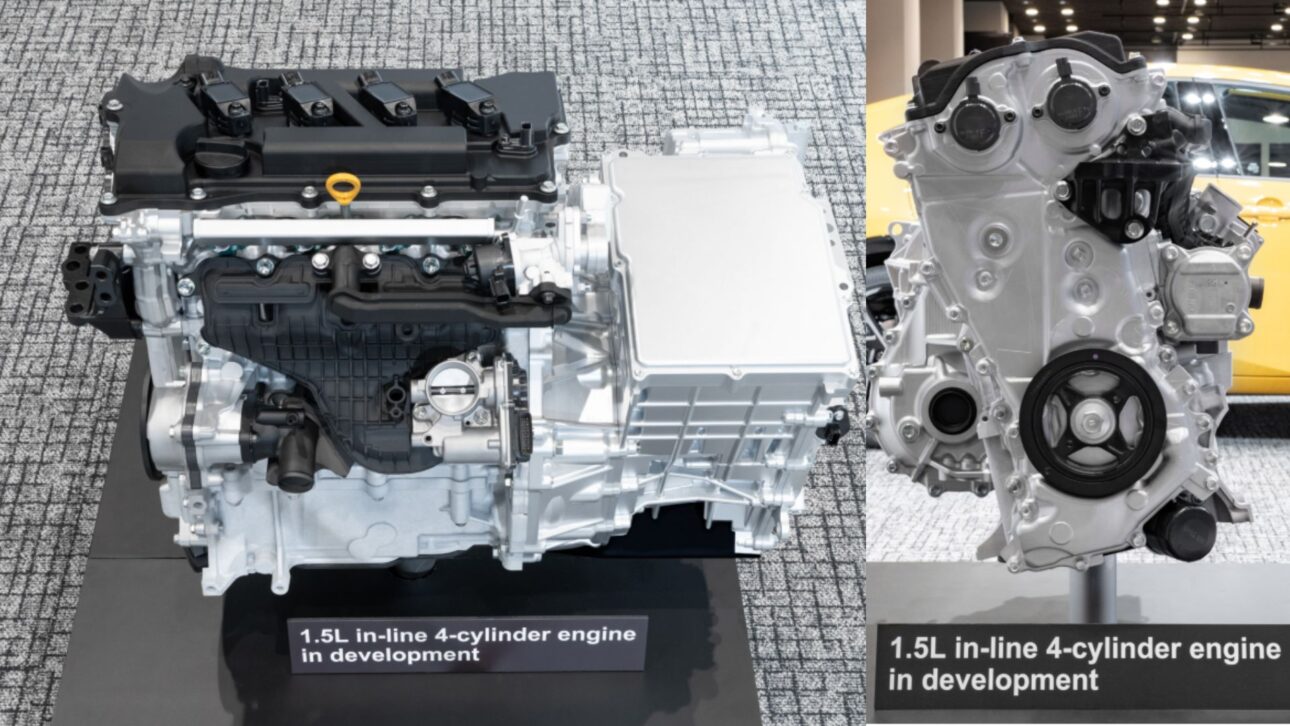
As proof of concept, the company detailed a 1.5-liter four-cylinder engine designed from the outset to operate in hybrid systems.
According to Toyota, the package brings packaging gains: approximately 10% reduction in volume and height compared to the current 1.5, facilitating lower hoods and more spacious cabins.
The engineering also pursues superior thermal efficiency, with estimated improvements between 10% and 20% depending on the application and test cycle.
In numbers, the goal is to deliver a system power above 100 kW (about 136 hp) when combined with the electric motor, maintaining linear responses at low revs and lower consumption in urban use.
The strategy does not prioritize only peak power: it aims for torque available early, smooth start calibration, and electronic management that favors operation in more efficient regimes.
Hybrids As Commercial Pillar In The Transition
On the other hand, Toyota does not hide that hybrids remain the commercial pillar of the transition, especially in markets where charging infrastructure grows unevenly.
The company maintains that smaller and more efficient internal combustion engines, when coupled with batteries and electric motors, can lower real emissions while making vehicles more accessible to the general public.
Nakajima also emphasized the importance of motorsports as a laboratory for the engines of the future.
On the tracks, the company tests synthetic fuels and hybrid configurations under severe conditions, an experience that, according to the brand, accelerates gains in reliability, cooling, and detonation control in carbon-neutral fuels.
Alternative Fuels And E-Fuels On The Horizon
The agenda includes the advancement of e-fuels and hydrogen as lower carbon footprint alternatives throughout the life cycle.
Although the supply of these fuels still depends on industrial scale and regulatory benchmarks, Toyota is studying optimized engines for clean combustion and flexible compatibility with renewable origin blends.
The idea is to extend the lifespan of engines in high energy-demand niches and also in performance vehicles, where the sensory appeal remains relevant for part of the audience.
Recycling And Energy Density As Advantages
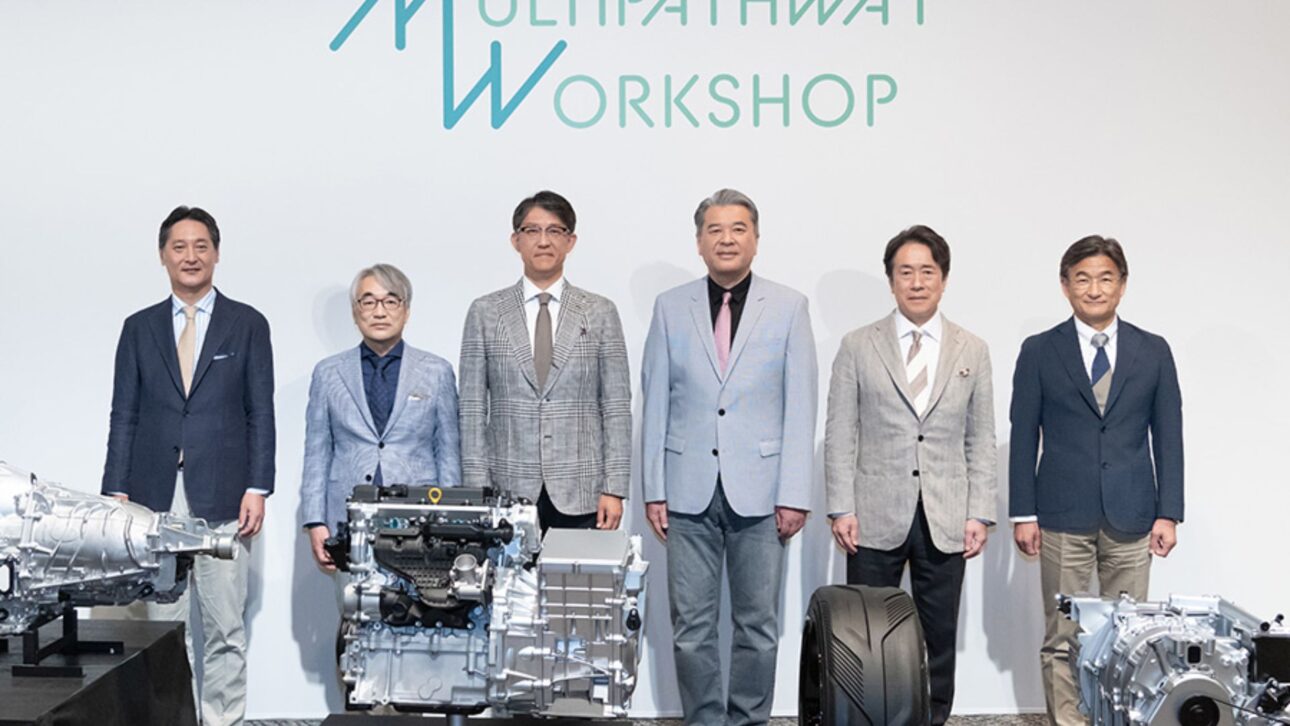
Besides driving pleasure, the automaker argues that there are material advantages in maintaining engines, such as the recyclability of aluminum and the high energy density of liquid fuels, factors that weigh in the logistics of vast markets or those with limited electrical grid.
The company emphasizes that these points do not replace electrics, but make up a complementary portfolio.
Optimized Design And Aerodynamics
With smaller and lower engines, projects like the Corolla Concept gain freedom for packaging solutions.
The shortened hood, for example, improves visibility and contributes to aerodynamics, while the lowering of components frees up space for occupants and active safety systems.
This approach, common in electrics, becomes viable also in hybrids with internal combustion engine.
The Impact On The Consumer
In the short term, the consumer can expect more efficient hybrids with controlled costs, particularly in compact and midsize segments.
In the medium term, the goal is for new families of engines to arrive with multi-fuel calibration and more advanced electronic integration, which may extend range on trips and reduce spending in heavy urban cycles.
In markets where total electrification faces price and infrastructure barriers, the bet is that hybrid options will reinforce share.
Long-Term Strategy And Next Steps
Nakajima’s statement in Tokyo reinforces an institutional positioning: Toyota intends to sustain engine development while improving them to work with electrification and lower carbon fuels.
The message also signals the continuation of joint projects with other Japanese automakers on new generations of engines and electronic controls, focusing on efficiency, compact package, and reduced emissions.
Meanwhile, the conviction remains that part of the customers does not identify with a pure electric — whether due to practicality or cultural preferences.
To cater to this contingent, the brand aims to continue offering hybrid alternatives that balance performance, consumption, and ownership costs.
Time will tell who will be the last to retire the engines, but from what was seen at the show, the automaker does not intend to abandon them anytime soon.






-

Uma pessoa reagiu a isso.