





 Portuguese
  English
  Spanish
  3 min of reading
  0 comments


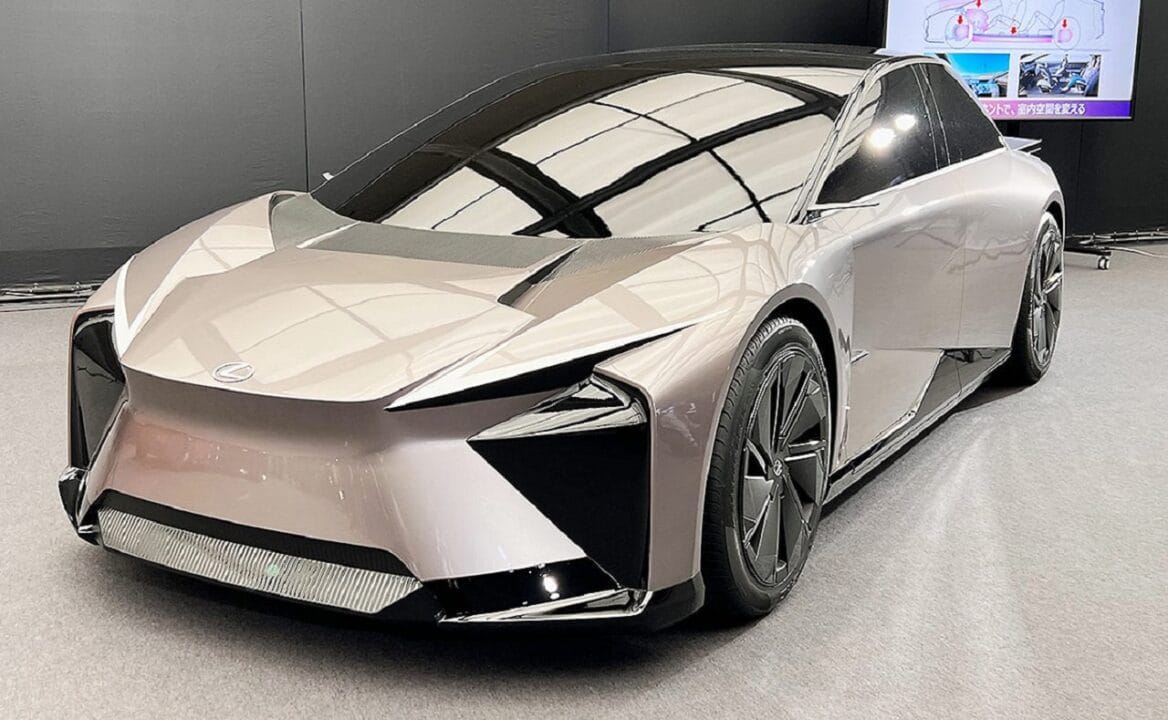
The Revolutionary Electric Car From Toyota, Lexus LF-ZC, Promises to Impress With a Range of Up to 1,000 Km and Is Expected to Hit the Market in 2026.
Last Wednesday, October 25, Toyota made an impactful revelation during the Japan Mobility Show, presenting the Toyota Lexus LF-ZC, an innovative electric car capable of achieving an impressive range of 1,000 km. Integrating the luxury division of battery electric vehicles (BEV) of the manufacturer, the model is expected to officially hit the market in 2026, promising to raise the standards of electric mobility.
Check Out the Main Details of the New Electric Car From Toyota


According to Reuters, the new Toyota Lexus is part of the Japanese automaker’s strategy for electric vehicles reliant on advanced battery technology. The BEV LF-ZC concept uses prismatic batteries with high performance that achieve twice the range of conventional electric cars, or around 1,000 km of range. It also boasts a spacious cockpit and utilizes Advanced Intelligence, which Toyota has dubbed Butler.
The system can identify preferences that drivers may not be aware of. According to Toyota brand director Simon Humphries at a press conference, the key to achieving these advances is minimizing and reducing components in all areas, including smaller and more efficient batteries, with more power and greater range.
-
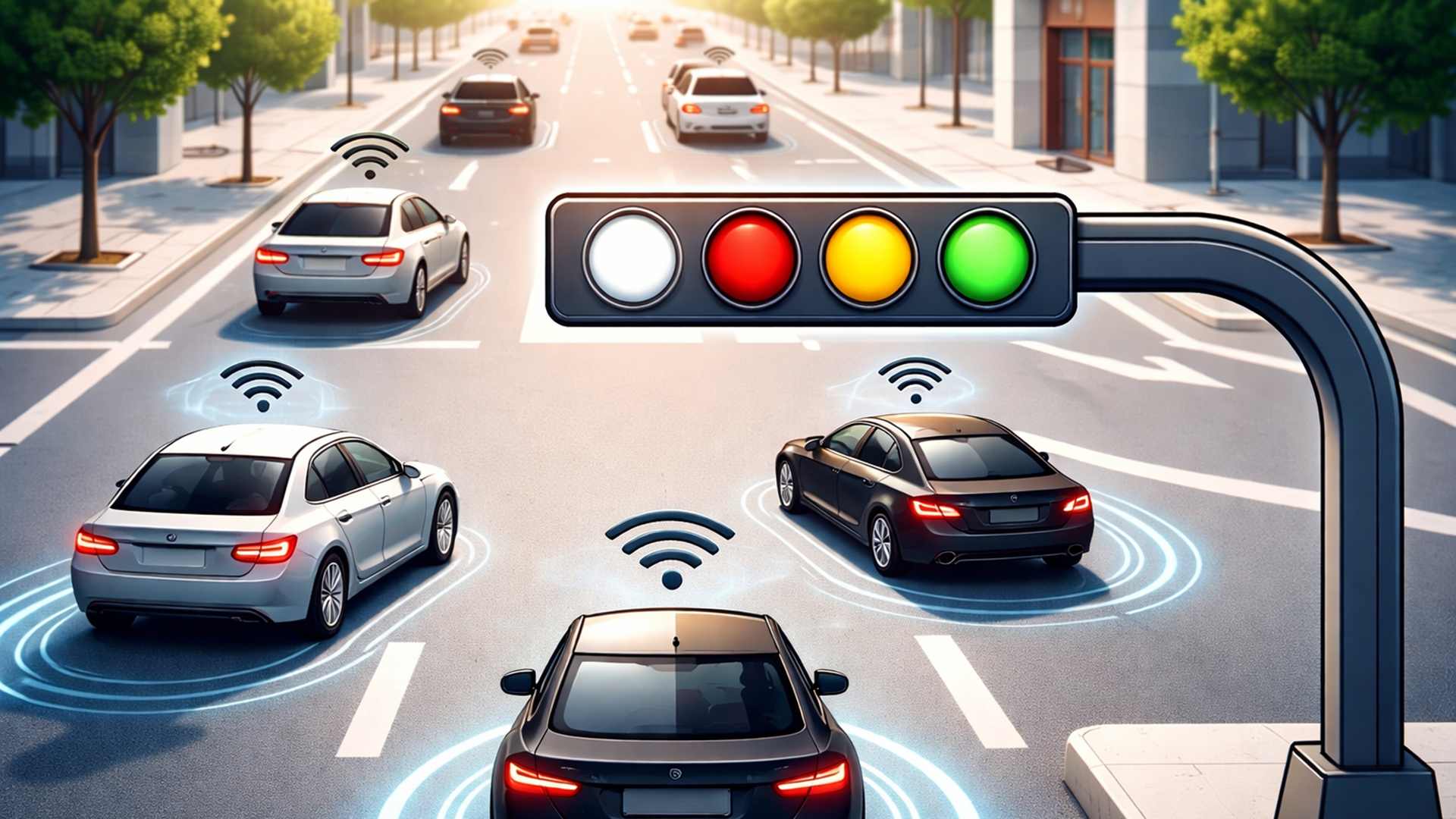
Engineers propose a fourth traffic light for intersections – the change promises to affect crossings, queues, and waiting times.
-
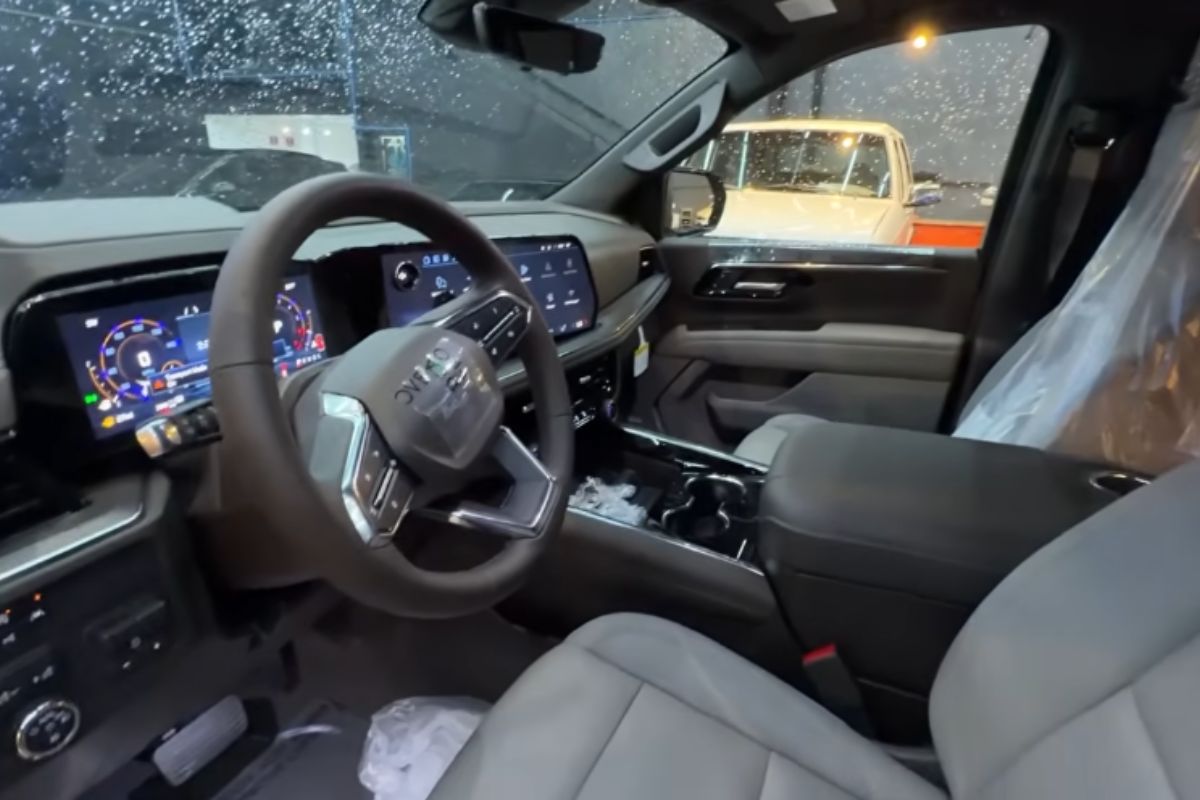
Chevrolet Suburban Z71 lands in Brazil with a V8 engine, off-road design, air suspension, seven seats, and colossal size, a rare version imported for around R$ 1.3 million with luxury and exclusivity.
-
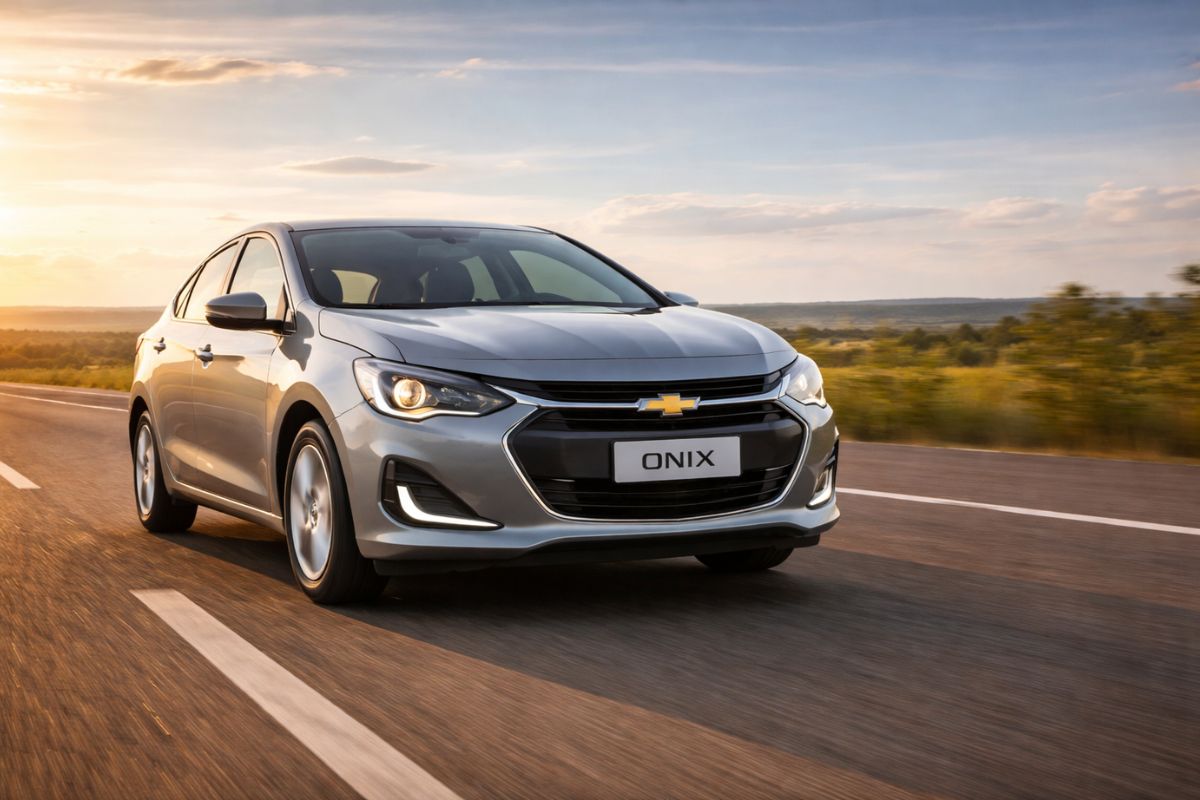
The Chevrolet Onix 1.0 turbo achieves 17.7 km per liter on the highway and ranks among the three most economical cars in Brazil in 2026, alongside two more expensive Toyota hybrids available at dealerships.
-
Little sister of the Hilux: Toyota launches Land Cruiser FJ with 4 radical versions, 2.7 engine with 166 hp and 4×4 traction with locking.
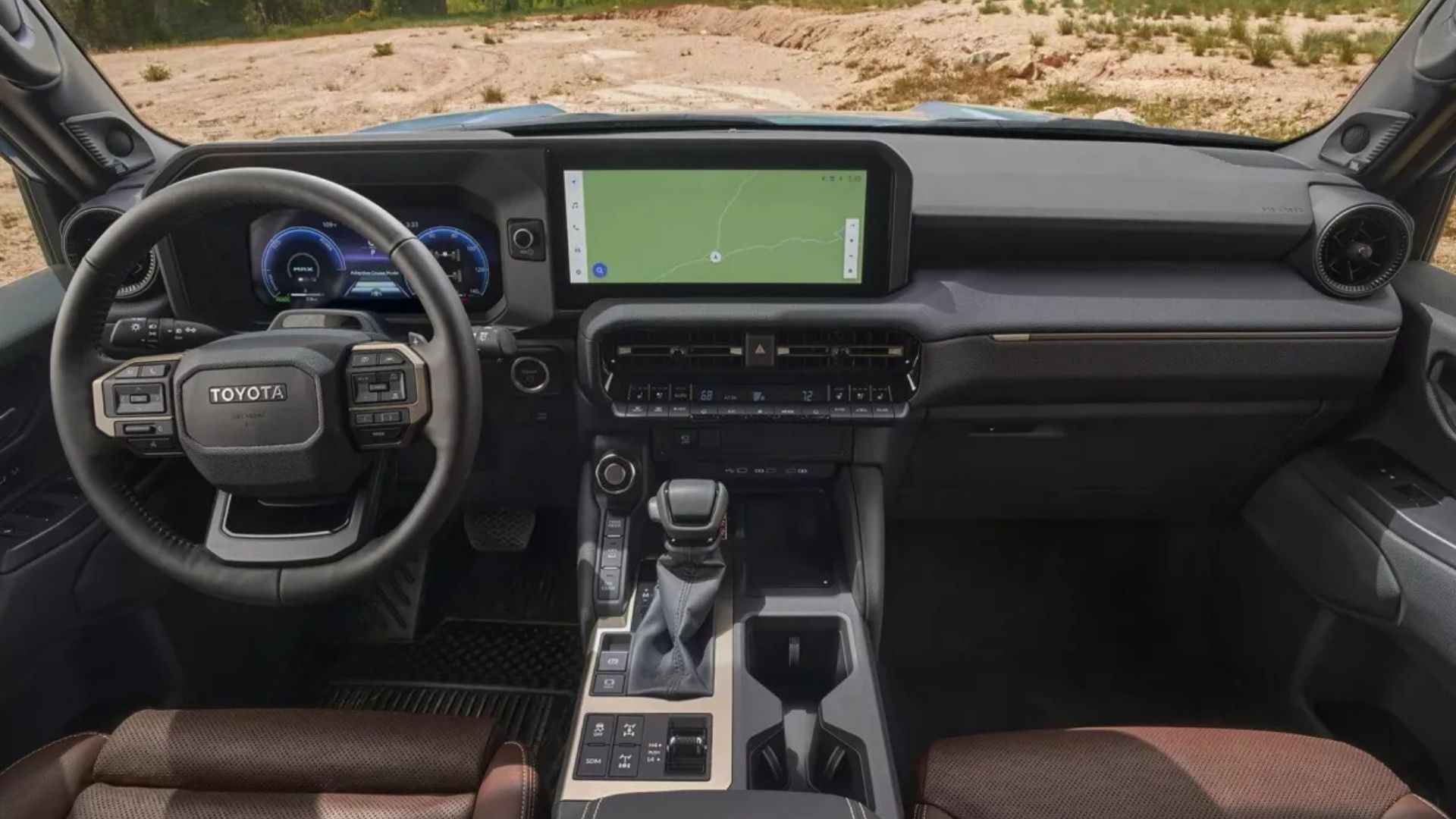

The brand claims that the new electric car from Toyota Lexus Future Zero Emission Catalyst (LF-ZC) presented this week is part of the next generation of the Lexus BEV lineup, with a launch scheduled for 2026.
As the name suggests, the model serves as a catalyst for new experiences in the electric sector, including enhanced driving dynamics, relaxed design, and new exclusive services, summarizing the Lexus brand’s promise to develop automobiles that enrich the lives of the most discerning customers.
Toyota Advances With Solid-State Batteries to Reduce Electric Car Prices
It is worth noting that Toyota, the world’s best-selling automaker, announced ambitious plans in June to optimize electric vehicle batteries. The Japanese company previewed, for example, the arrival of the next generation of lithium-ion batteries that offer longer range and faster charging.
The company also highlighted that it has made progress in overcoming previously identified issues with solid-state battery durability. Toyota’s focus is on selling vehicles powered by solid-state batteries by 2027 or 2028.
Solid-state batteries are seen as a game-changer for the industry due to their range and high performance. Among other plans, the Japanese automaker aims to sell only battery electric vehicles from the luxury brand Lexus globally by 2035.
In addition to the new electric car from Toyota Lexus LF-ZC, the automaker also announced during the event the Land Cruiser SE concept, the first fully electric car in the lineup, and the upcoming electric pickup EPU.
Toyota and Lexus Adopt Tesla Charging Standard
Toyota and its luxury brand Lexus have embraced the Tesla charging standard, referred to as the North American Charging Standard, or NACS. According to Tesla, which welcomed the market leader on X (Twitter), the new electric cars from Toyota will come with a new port starting in 2025. It will also provide adapters to customers.
The electric cars from Toyota and Lexus will have access to over 12,000 Tesla Supercharger stations. The expansion of Tesla chargers to other brands is part of an agreement with the U.S. government, which plans to install 500,000 electric car chargers on the nation’s roads by 2030.
Toyota was the only one among the major brands that had remained silent on the matter. It joins several automakers such as Ford, GM, Polestar, Rivian, Volvo, Honda, BMW, Nissan, Mercedes, Jaguar, Land Rover, Hyundai, and Kia.









Seja o primeiro a reagir!