Portuguese
  Spanish


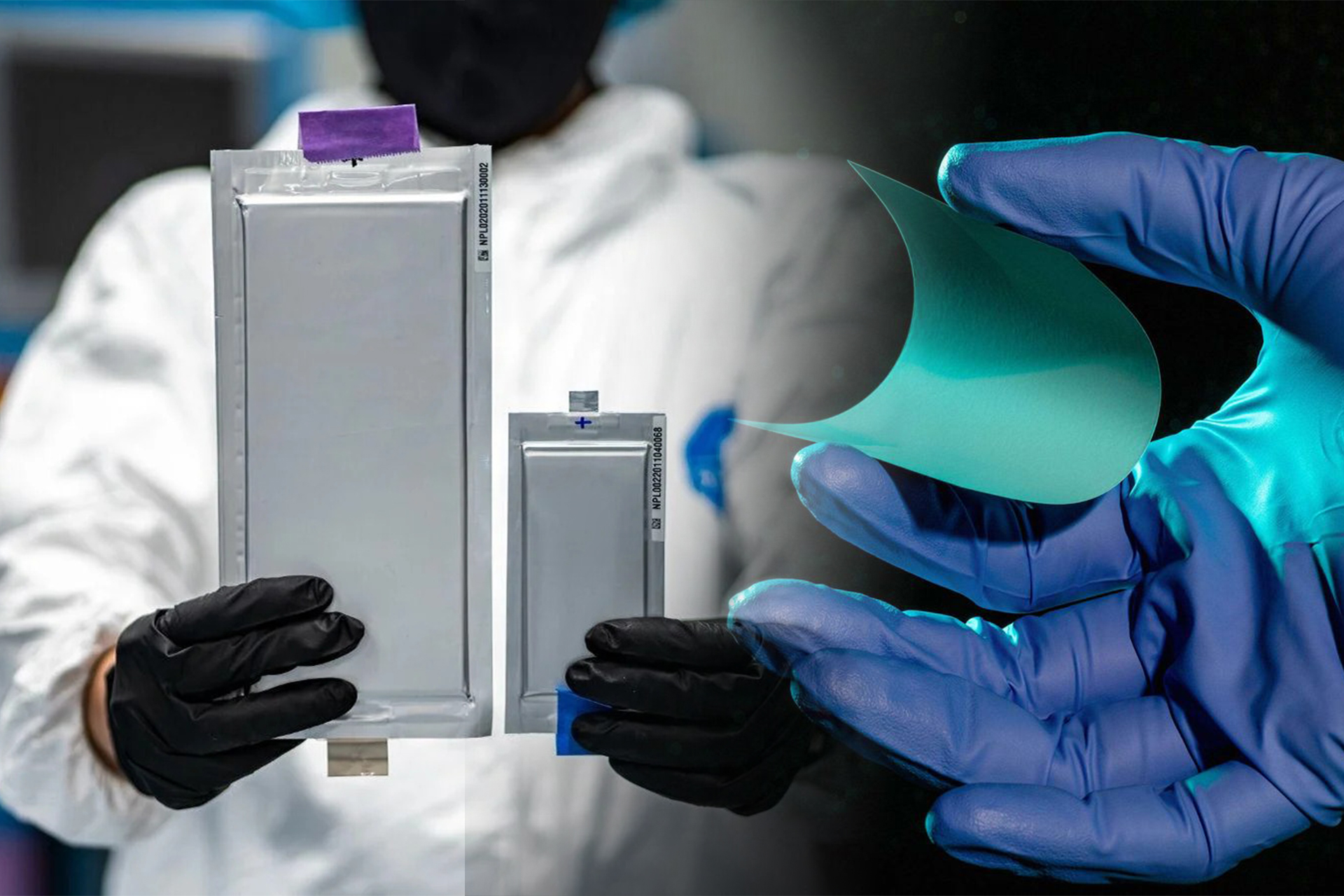


The race to develop solid-state batteries that could surpass current lithium-ion cells is becoming increasingly fierce. Various companies around the world are racing against time to develop a commercially viable solid-state battery.
There are lithium-ion batteries in your phone, your vehicle, your camera, and many other electronic devices. They became popular in the 1990s and have since established themselves as market leaders in energy storage. However, there is a significant issue with their safety. When damaged or subjected to high temperatures, lithium-ion batteries are prone to spontaneous combustion.
Solid-State Batteries Promise to Be Much Safer While Having Higher Power
The flammable liquid electrolyte is replaced by a more stable solid in solid-state batteries, resulting in greater safety. Additionally, they may have higher power, faster charging rates, and longer lifespans.
-
Tesla injected an additional $250 million into the German factory, doubled the battery cell target, and opened its own production line for startups.

-
No more TV stuck on the wall: Samsung The Freestyle+, the new projector with over 400 lumens projects on walls, floors, and ceilings, bringing cinema to any corner of the house.

-
A Japanese governor single-handedly stalled the construction of the world’s fastest train for nine years, and only now has he agreed to allow a tunnel excavated at a depth of 1,400 meters.
-
Almost 1 billion euros, two gigafactories, and a million-dollar public investment, Chinese company aims to turn Spanish city into Europe’s new battery hub.



Many companies are working hard now to take their first batteries out of the lab and into production, with the ultimate goal of demonstrating that solid-state batteries can be commercially profitable.
California Company Aims to Develop a Solid-State Battery That Can Be 3D Printed
A startup known as Sakuu, located in California, USA, is developing an even more ambitious project in the field, the 3D printing of these cutting-edge solid-state batteries. According to Sakuu, 3D printing allows packing more battery layers into the same area, resulting in an increase in stored charge capacity compared to those manufactured by conventional methods.
In principle, batteries can take on more specialized designs, which would change the way product designers use batteries in their work. However, the company has yet to successfully 3D print a fully functional battery using its prototype. Watch the video below to gain a better understanding of how this cutting-edge technology could revolutionize battery production.