





 Portuguese
  English
  Spanish
  4 min of reading
  4 comments





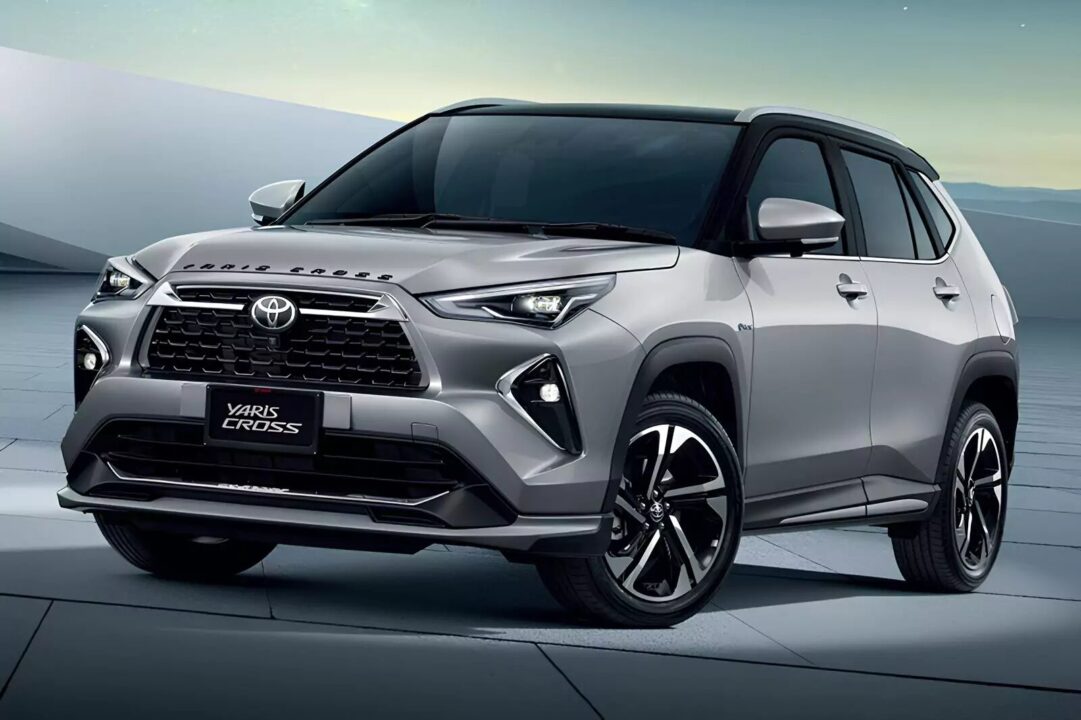
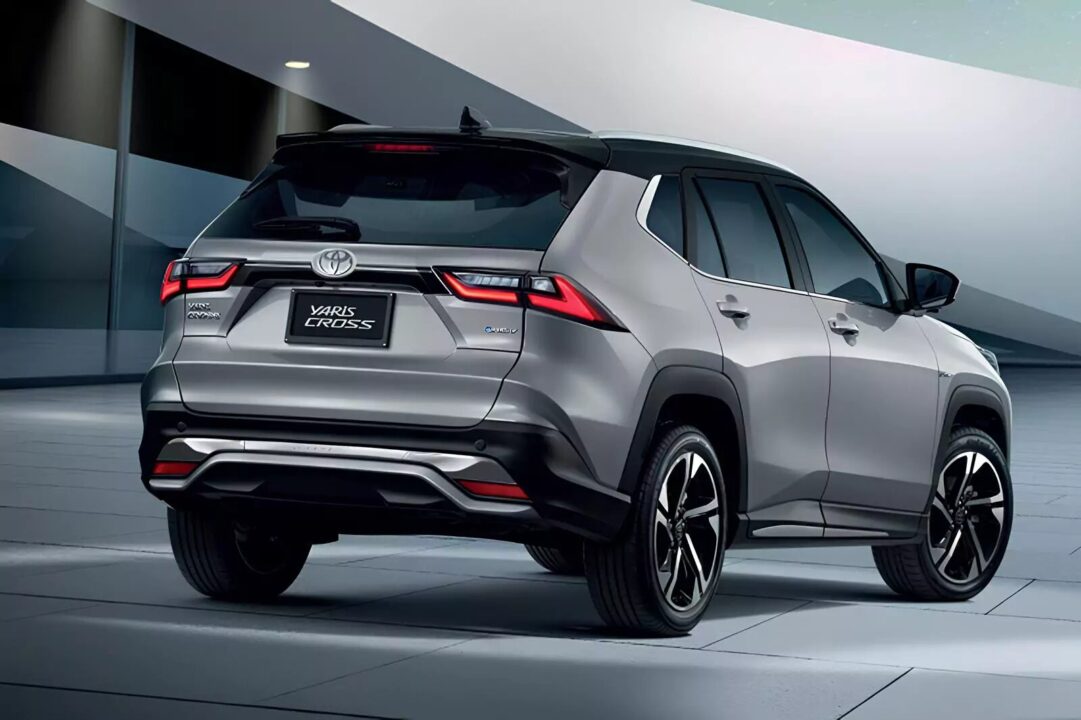
The Toyota Yaris Cross, with a launch expected in 2025 in Brazil, arrives with a flex engine and hybrid options, aiming to surpass heavyweight competitors like Honda HR-V and Volkswagen T-Cross.
The Brazilian automotive market is set to be shaken in 2025 with the launch of the Toyota Yaris Cross. What promises to be a true “war machine” for the Japanese manufacturer brings forth a model equipped to directly rival heavyweights like Honda HR-V and Volkswagen T-Cross.
Although the name has yet to be officially announced by Toyota, rumors about the Yaris Cross are already spreading strongly, and speculation is only increasing.
Curiosity grows as details about the combustion and hybrid versions arise, aiming to destroy the competition and bring a new experience to the compact SUV market in Brazil.
-
Engineers propose a fourth traffic light for intersections – the change promises to affect crossings, queues, and waiting times.

-
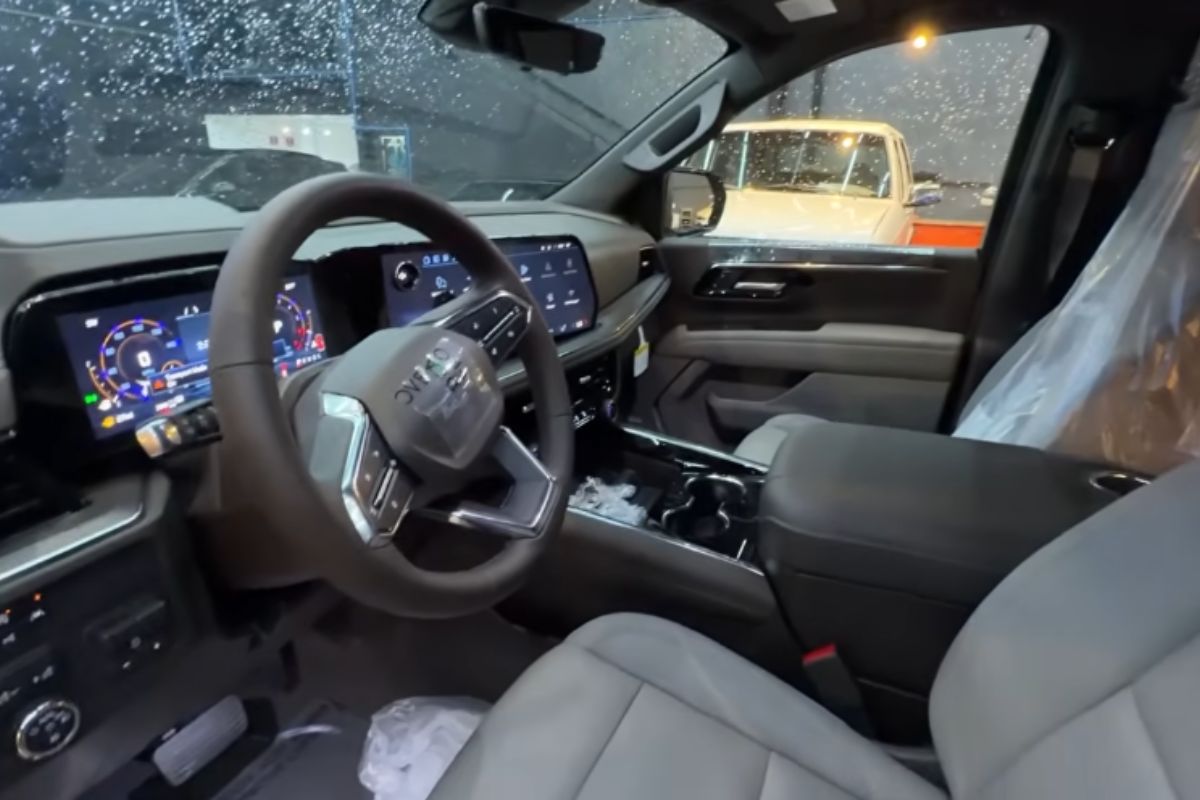
Chevrolet Suburban Z71 lands in Brazil with a V8 engine, off-road design, air suspension, seven seats, and colossal size, a rare version imported for around R$ 1.3 million with luxury and exclusivity.
-
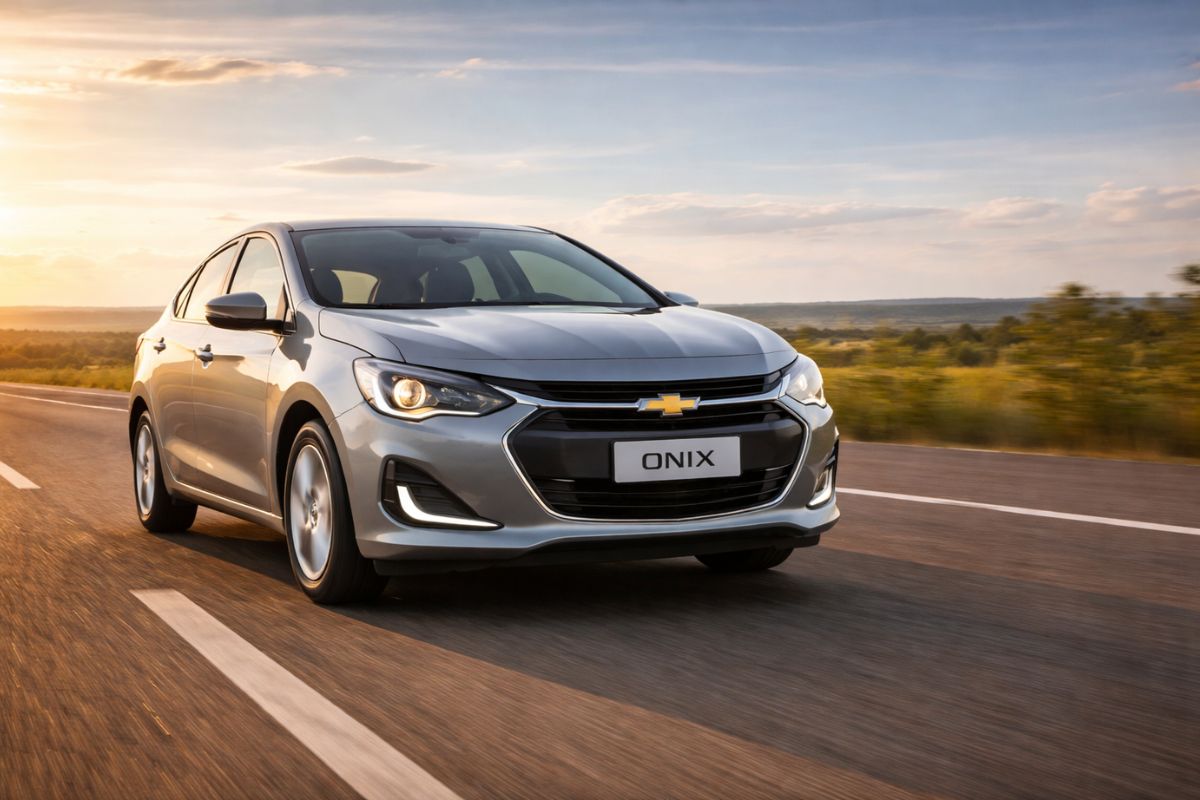
The Chevrolet Onix 1.0 turbo achieves 17.7 km per liter on the highway and ranks among the three most economical cars in Brazil in 2026, alongside two more expensive Toyota hybrids available at dealerships.
-
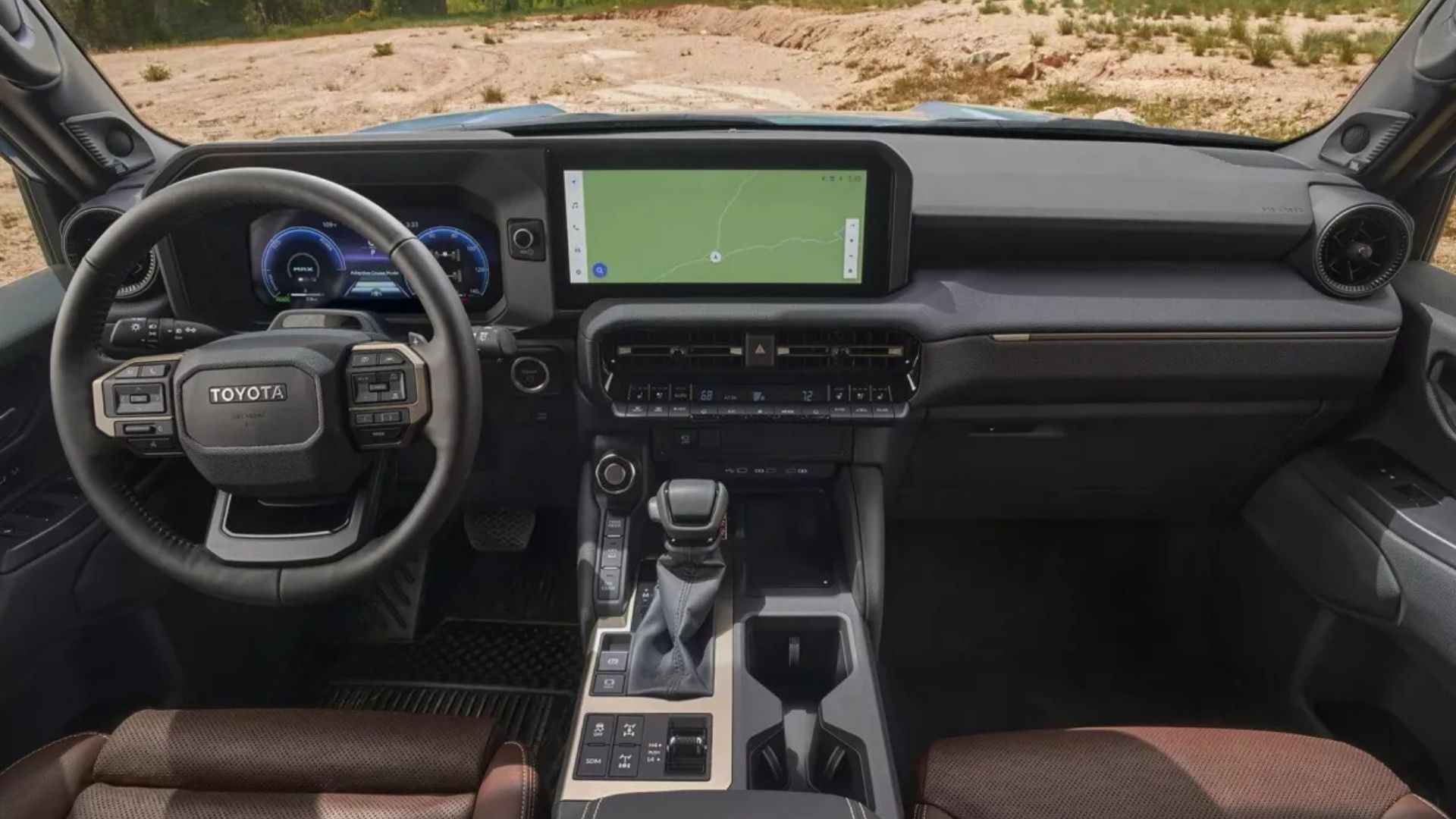
Little sister of the Hilux: Toyota launches Land Cruiser FJ with 4 radical versions, 2.7 engine with 166 hp and 4×4 traction with locking.

According to Toyota’s communication director in Brazil, Roberto Braun, in an interview with Rádio CBN Autoesporte, the manufacturer is heavily investing in hybrid technology, including the much-anticipated Yaris Cross.
He stated that “the next models from the brand will include flex hybrid technology, and Brazil will have the privilege of seeing this novelty up close.”
The Yaris Cross will have versions equipped with a 1.5 flex engine, offering 110 hp, in addition to hybrid options that combine efficiency and performance. However, the executive made it clear that, in other markets, the model will be launched with versions compatible only with gasoline.
The Future of Compact SUVs: Combustion and Electrification Together
Although the market is already familiar with the traditional 1.5 flex engine, which will be used in the more affordable versions of the Yaris Cross, the real novelty is the hybrid version.
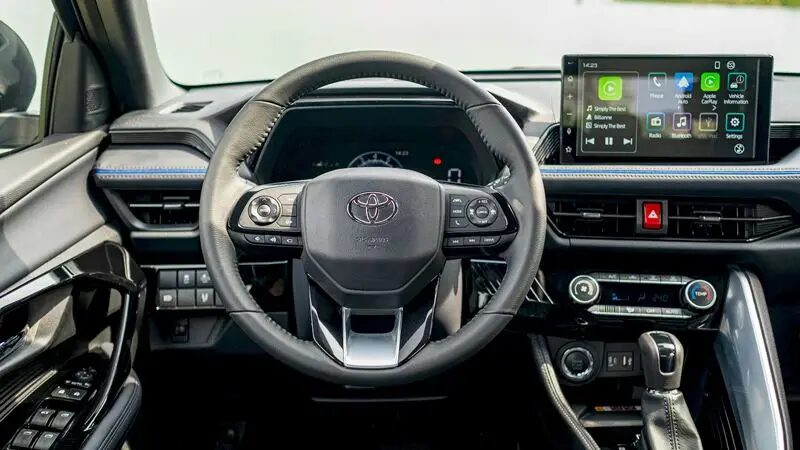
The hybrid technology will include a small electric motor and a battery without an external charging source, which promises to improve fuel consumption without compromising performance.
According to Braun, this combination will be the future of the Toyota models in Brazil. The use of ethanol in the aspirated engine could yield performance figures superior to the models available in other countries, where the car develops up to 106 hp and 14 kgfm of torque.
With this bet on hybrid and flex engines, the Yaris Cross is directly targeting models like the Honda HR-V and Volkswagen T-Cross, which currently dominate the compact SUV segment.
However, the challenge lies in the logistics involved in producing hybrid vehicles. Since 2019, the entire hybrid kit assembled in Indaiatuba, São Paulo, has components imported from Japan.
However, Toyota plans to start producing these engines locally from 2025, which could reduce costs and increase the competitiveness of the Yaris Cross.
The Role of Ethanol in Hybrid Electrification
One of the major highlights of the future Yaris Cross will be the use of ethanol as part of its hybrid setup. According to Braun, electrification in Brazil is not complete without the presence of ethanol.
This fuel, widely used in the country, will be essential for decarbonization in hybrid and plug-in models.
The director mentioned that, although there is currently no forecast for a flex plug-in hybrid to hit stores soon, this is a possibility that is being strongly studied by the manufacturer.
The Toyota RAV4, for example, is already a model that combines plug-in hybrid technology with ethanol, able to run up to 55 km using only electricity and marking impressive 35 km/l in urban routes.
It is expected that, with the local production of hybrid engines and batteries, these figures could also apply to models like the Yaris Cross, should the flex plug-in become a reality in Brazil.
Challenges and Innovations for the Brazilian Market
However, not everything is simple. Braun emphasized that total electrification still faces challenges, especially in a country like Brazil, where the charging infrastructure for electric cars is limited.
Currently, there are about 9,000 charging points in the country, with 35% concentrated in São Paulo.
Even so, Toyota sees the flex hybrid as a viable solution for the present and the future, combining electrification and renewable fuels to reduce emissions without compromising vehicle autonomy.
In the Brazilian market, the Yaris Cross will be closely followed by rivals like the Honda HR-V, which is also keeping an eye on hybrid technologies, and the Volkswagen T-Cross, which stands out for its versatility and combustion options. The battle between these giants promises to be intense.
Toyota Bets on Flex Hybrid Models for the Future
In addition, the executive revealed that Toyota is exploring options to expand the use of plug-in hybrids with ethanol to markets like India and Paraguay.
These new initiatives reinforce the manufacturer’s commitment to creating sustainable mobility solutions that go beyond Brazil’s borders.
The local production of batteries, set to begin in 2026, will be an important milestone. Toyota expects to nationalize the production of key components of hybrid vehicles, including engines and batteries, which could increase the competitiveness of models manufactured in Brazil and accelerate the adoption of more efficient cars in the country.
And you? What do you think about the arrival of the Toyota Yaris Cross in Brazil? Does it have what it takes to crush its competitors? Leave your opinion in the comments!








Espero anciosamente o lançamento do Yaris Cross. Tenho um YARIS sedã e adoro a marca.
O
Pois é, lá fora o carro chega com mais potência e com muita tecnologia embarcada. Aqui vem canibalizado. Pouca vergonha.
YARIS CRUZ CREDO, consegue ser mais defasado que o Etios. Até na Índia seria difícil de vender com esse design. O carro é um chute no sac*