





 Portuguese
  English
  Spanish
  4 min of reading
  4 comments





Toyota Yaris Cross 2026 Surprises With Innovative Energy Efficiency for Compact SUVs, But Faces New Delay in National Launch Due to Factory Issues. Discover the Details That Could Change the Brazilian Automotive Market.
The anticipated Toyota Yaris Cross 2026, which stands out for its energy efficiency and hybrid technology, has had its launch in Brazil postponed to October 2025.
Initially scheduled for March and later for July, the new timeline was established due to delays in the modernization of Toyota’s factory in Sorocaba (SP), where the model will be produced.

Impressive Energy Efficiency
The Yaris Cross arrives in the Brazilian market with the promise of being the most economical compact SUV in its category.
-
The Argentine government celebrates the lowest poverty rate in 7 years, but experts warn that the methodology has changed, real wages have fallen, unemployment has risen, and the number of people on the streets of Buenos Aires has increased by 57% since Milei took office.

-
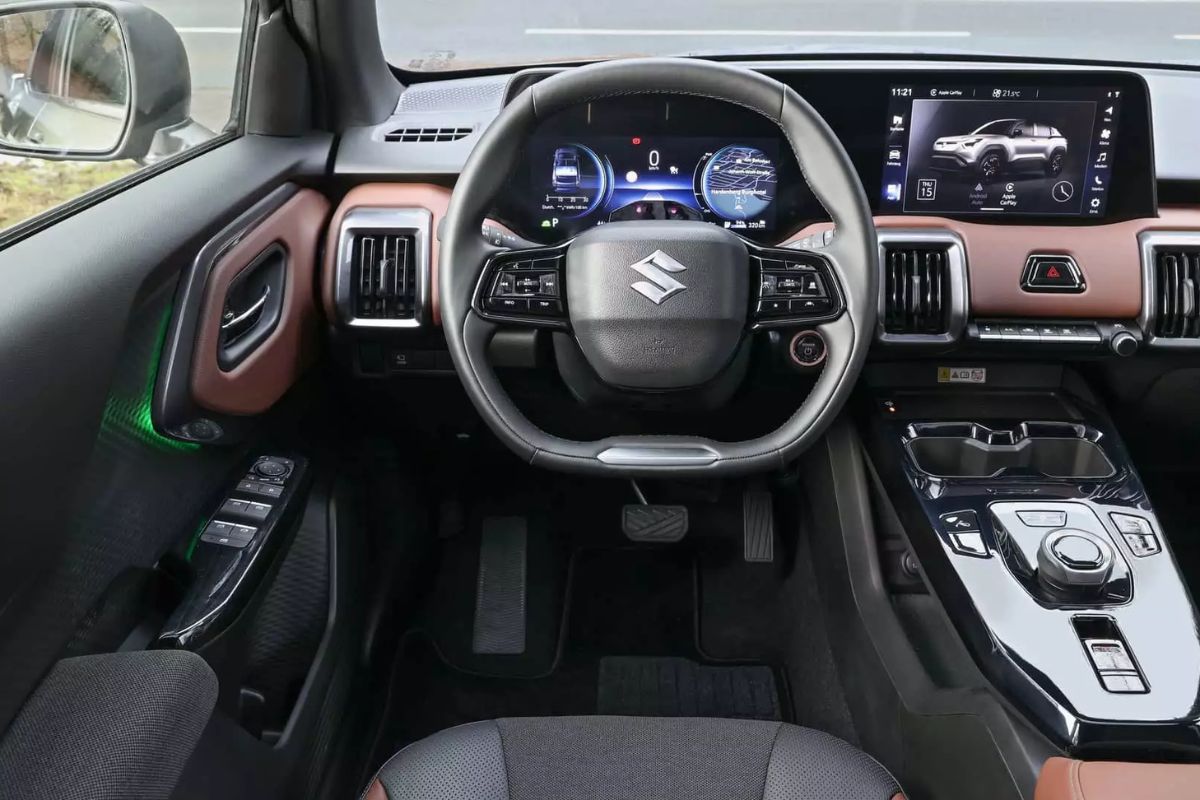
The 2026 electric Vitara arrives in Brazil and proves that Suzuki is not leaving: 4×4 traction, 184 hp, 61 kWh LFP battery, 293 km range, R$ 259,000, and a trunk capacity of 224 L.
-
7.8 magnitude earthquake in Indonesia frightens the population, triggers tsunami alert, and hits an island with over 200,000 inhabitants this Thursday.

-
Google will finally let you change that embarrassing Gmail address you created in your teenage years without losing any accounts, logins, or old emails: the feature is already available in the United States.


Equipped with a hybrid system that combines a 1.5 Atkinson cycle engine with an electric motor, the model achieves a combined power of approximately 115 hp.
Tests conducted in Chile indicate a fuel consumption of up to 32.3 km/l in the city and 24.4 km/l on the highway with gasoline.
In Brazil, due to the ethanol mix in gasoline, the expectation is that urban consumption will be around 25 km/l, still superior to direct competitors.

Engine and Performance
The mechanical setup of the Yaris Cross includes a 1.5-liter combustion engine, operating on the Atkinson cycle, with 91 hp of power and 12.3 kgfm of torque, paired with an electric motor of 80 hp and 14.4 kgfm.
The transmission is of the e-CVT type, similar to that used in Corolla and Corolla Cross hybrid models.
The lithium-ion batteries have a capacity of 0.7 kWh and are positioned under the rear seat, helping to better utilize interior space.
Design and Dimensions
Visually, the Yaris Cross features a robust and modern design, with lines inspired by the RAV4.
Its dimensions include 4.31 meters in length, 1.77 meters in width, 1.62 meters in height, and a wheelbase of 2.62 meters.
The trunk offers a capacity of 471 liters, standing out as one of the largest in its category.

Technology and Comfort
The interior of the Yaris Cross is equipped with a 10.1-inch floating multimedia center, compatible with Android Auto and Apple CarPlay wirelessly, as well as a partially digital instrument panel.
Other highlights include electronic parking brake with Auto Hold function, digital air conditioning, and in the more complete versions, a panoramic sunroof.
Enhanced Safety
In terms of safety, the Yaris Cross does not disappoint.
The model is expected to come equipped with six airbags, parking sensors, and features from the Toyota Safety Sense package, such as autonomous emergency braking, lane departure warning, and adaptive cruise control.
These systems aim to provide greater safety for both the driver and passengers.
Investments and National Production
Toyota announced investments of R$ 11 billion in Brazil by 2030, with R$ 1.63 billion allocated for the modernization of the Sorocaba and Porto Feliz factories for the production of the Yaris Cross.
Starting in 2026, the automaker will begin local battery production, reducing reliance on imported components and strengthening the national automotive industry.
About 40% of Yaris Cross production will be exported to countries such as Argentina, Chile, and Mexico.


Price and Versions
The Yaris Cross will be offered in versions with hybrid and combustion engines.
The entry-level versions will feature a 1.5 flex aspirated engine, with an Otto cycle, that yields 110 hp of power and 14.3 kgfm of torque, paired with a CVT transmission that simulates seven speeds.
The estimated starting price for the hybrid model is R$ 130,000, positioning it as a competitive option in the compact SUV segment.
Expectations and Market
With the introduction of the Yaris Cross, Toyota aims to meet the growing demand for more efficient and sustainable vehicles in Brazil.
The combination of fuel economy, advanced technology, and national production reinforces the automaker’s commitment to the Brazilian market and environmental sustainability.








Acredito que será um excelente carro, um dos melhores dentro da categoria svu
Não tenho dúvidas que será um sucesso. Eu tenho um yaris há a 6 anos. Estou muito satisfeito. Espero adquirir um novo. Abraços.