





 Portuguese
  English
  Spanish
  4 min of reading
  0 comments



New Minimum Wage Ranges from R$ 1,856.94 to R$ 2,134.88, Bringing Relief to Various Sectors
The recent update to the regional minimum wage in Paraná has provided extra relief for CLT workers in the state. With wage ranges varying from R$ 1,856.94 to R$ 2,134.88, this minimum wage increase promises to improve living conditions and stimulate the local economy, which has already been feeling the effects of inflation and rising living costs.
The government of Paraná announced that the minimum wage increase aims to keep pace with inflation and ensure a real gain for CLT workers. This measure is viewed positively, especially by professionals in the agricultural, forestry, and fishing sectors, who will now have a minimum salary of R$ 1,856.94. Meanwhile, administrative, domestic workers, salespeople, and mid-level technicians can celebrate salaries reaching R$ 2,134.88, depending on their wage brackets.
Impact on Workers’ Daily Lives
For CLT workers in Paraná, this minimum wage increase means more than just a simple adjustment. It represents an opportunity to increase purchasing power and manage monthly expenses better, which include food, housing, and healthcare. With the new salary, it is estimated that consumption in the regions most affected by inflation will increase, boosting local commerce and stimulating the development of small businesses.
-
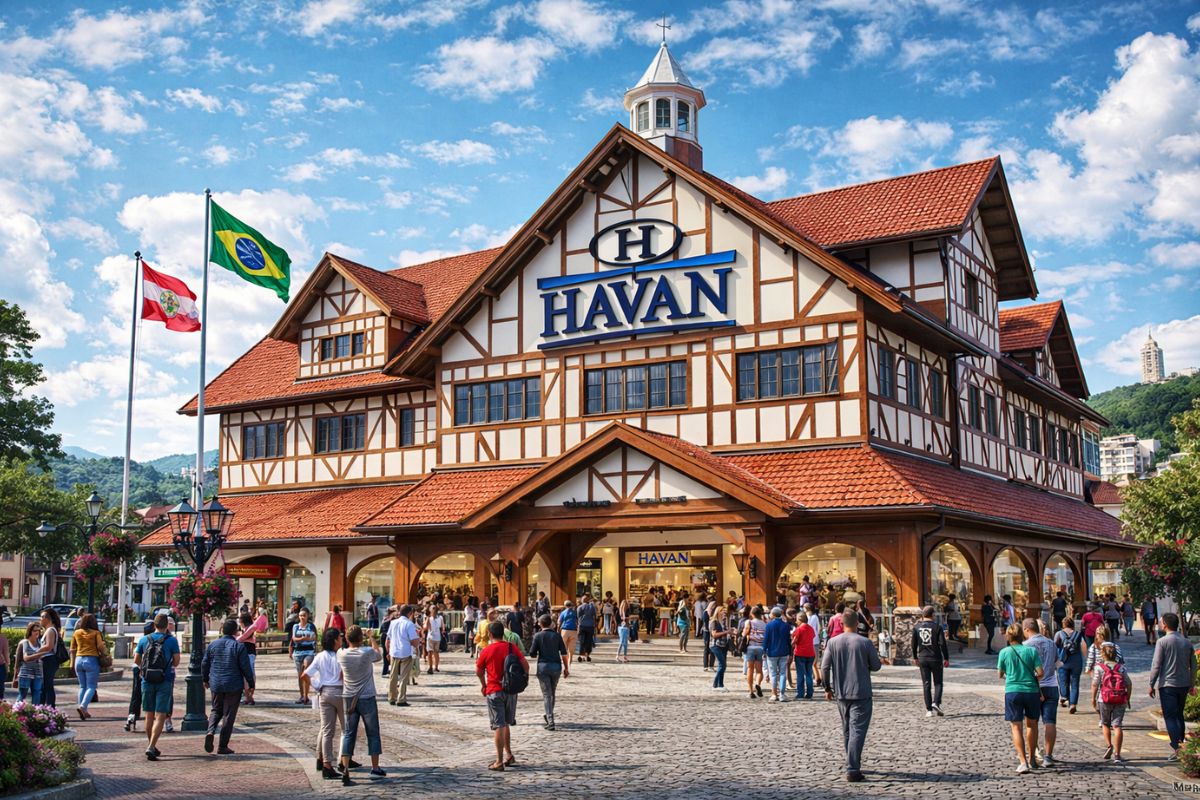
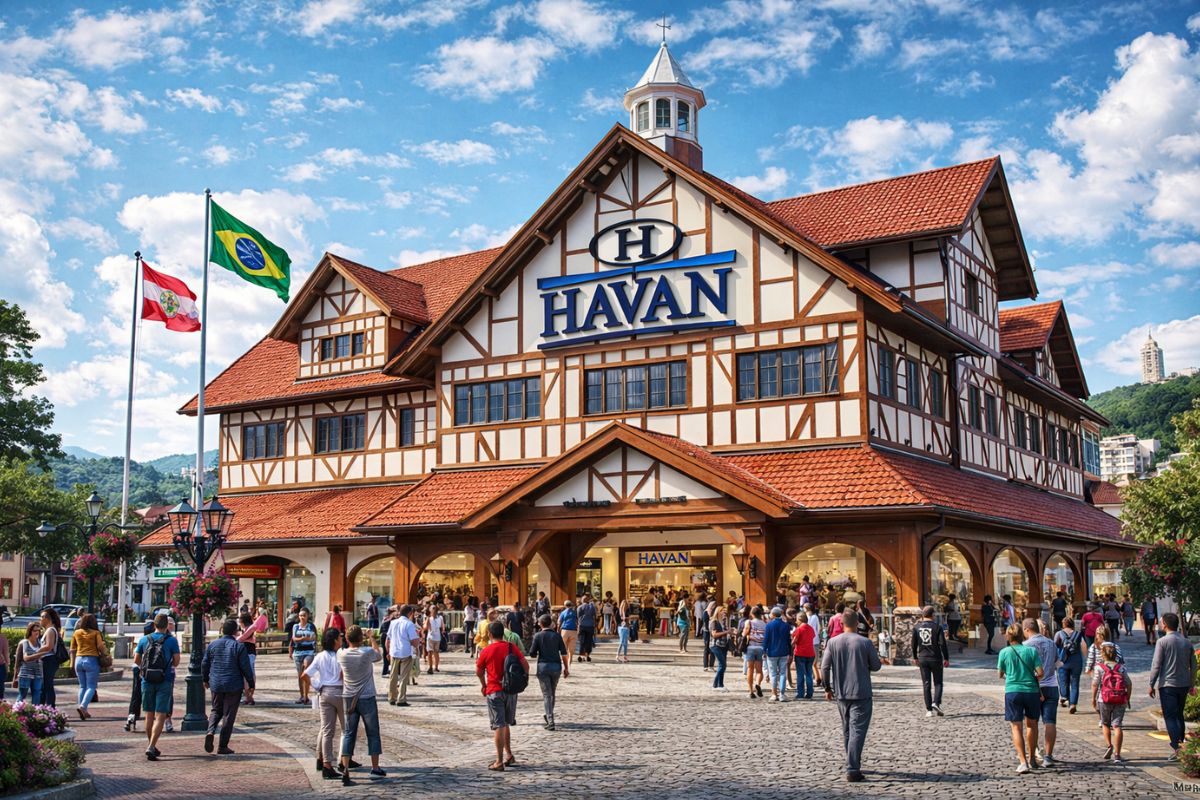
Havan will leave the shopping mall in Blumenau to inaugurate something that the chain has never done before: a megastore in half-timbered style in the Historic Center of the city, which is expected to be completed in May and change the landscape of local retail.
-
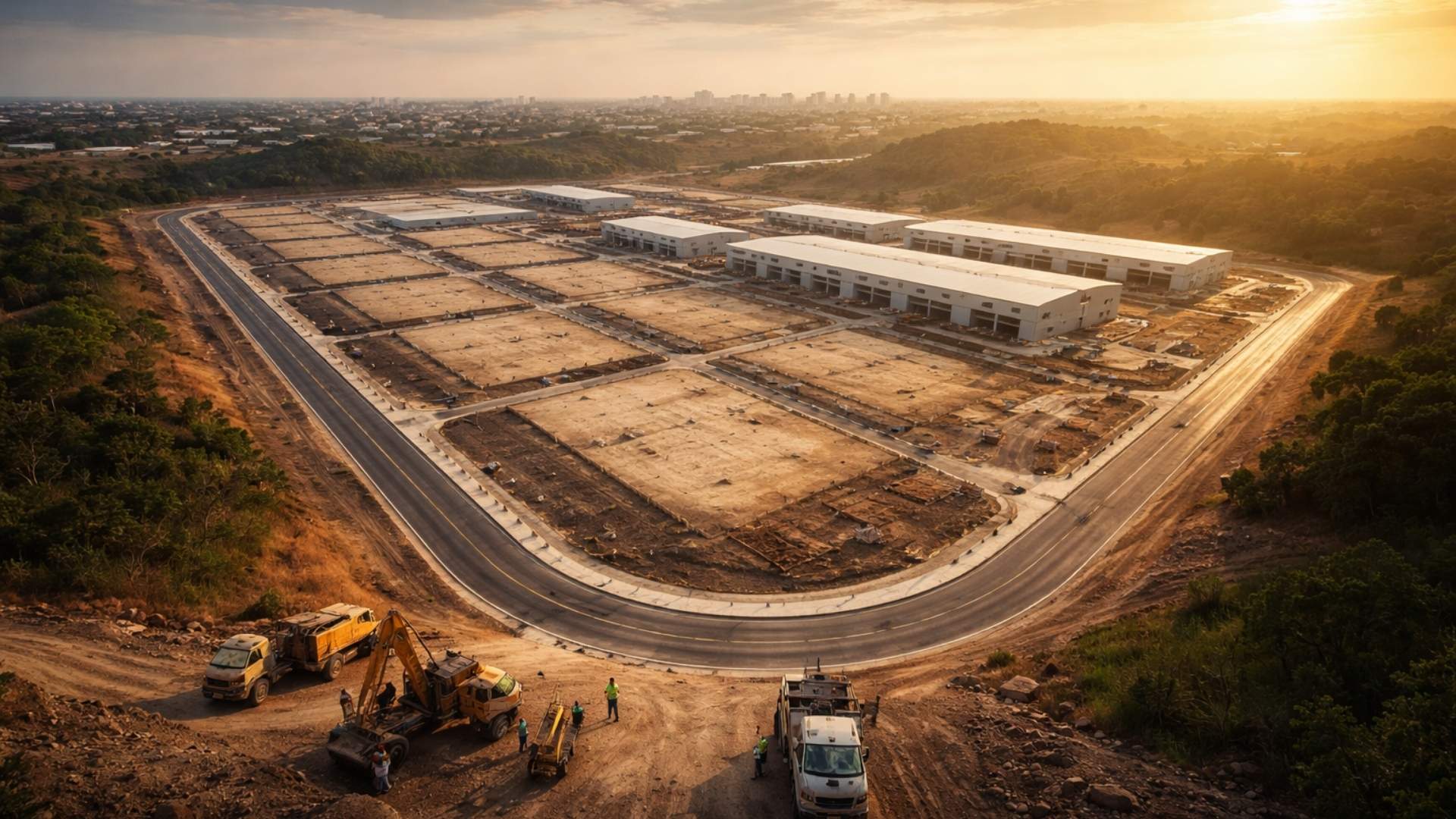
Brazilian city gains industrial hub for 85 companies that is equivalent to 55 football fields.
-
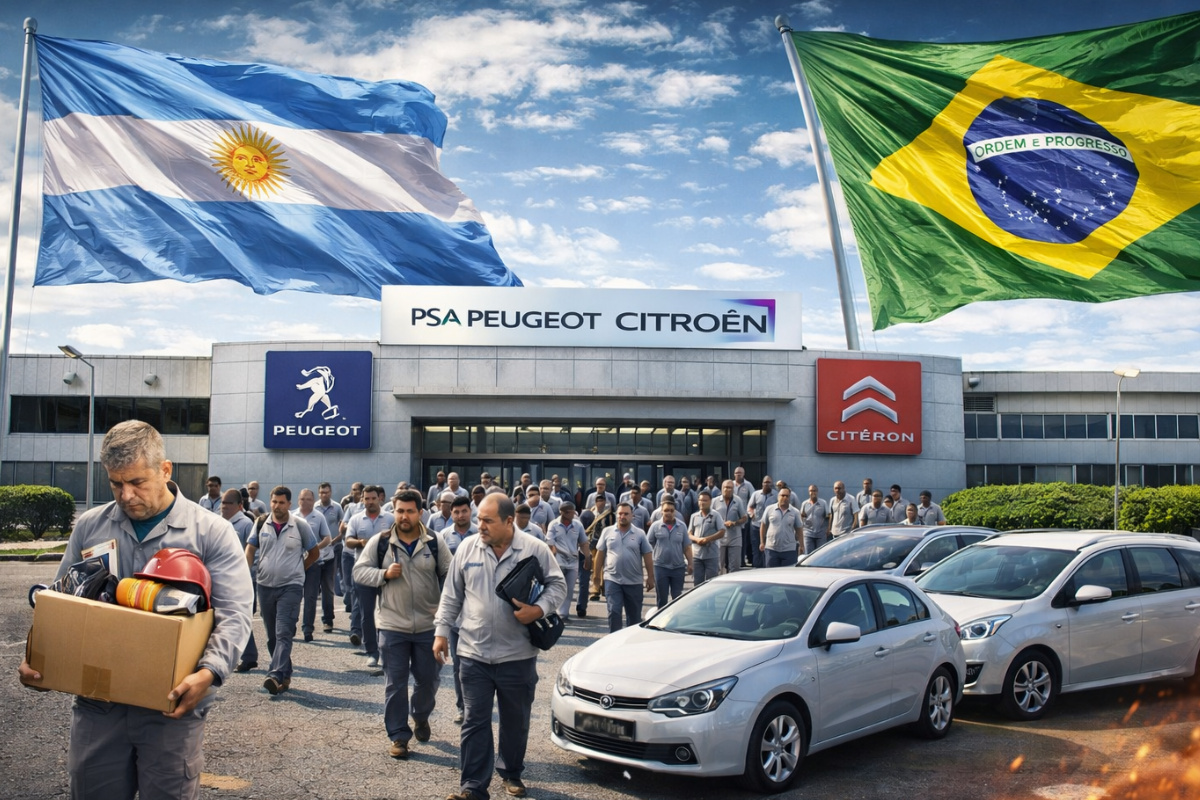
Peugeot and Citroën factory in Argentina cuts production by half and opens a layoff program for more than 2,000 employees after Brazil drastically harmed purchases of Argentine vehicles.
-
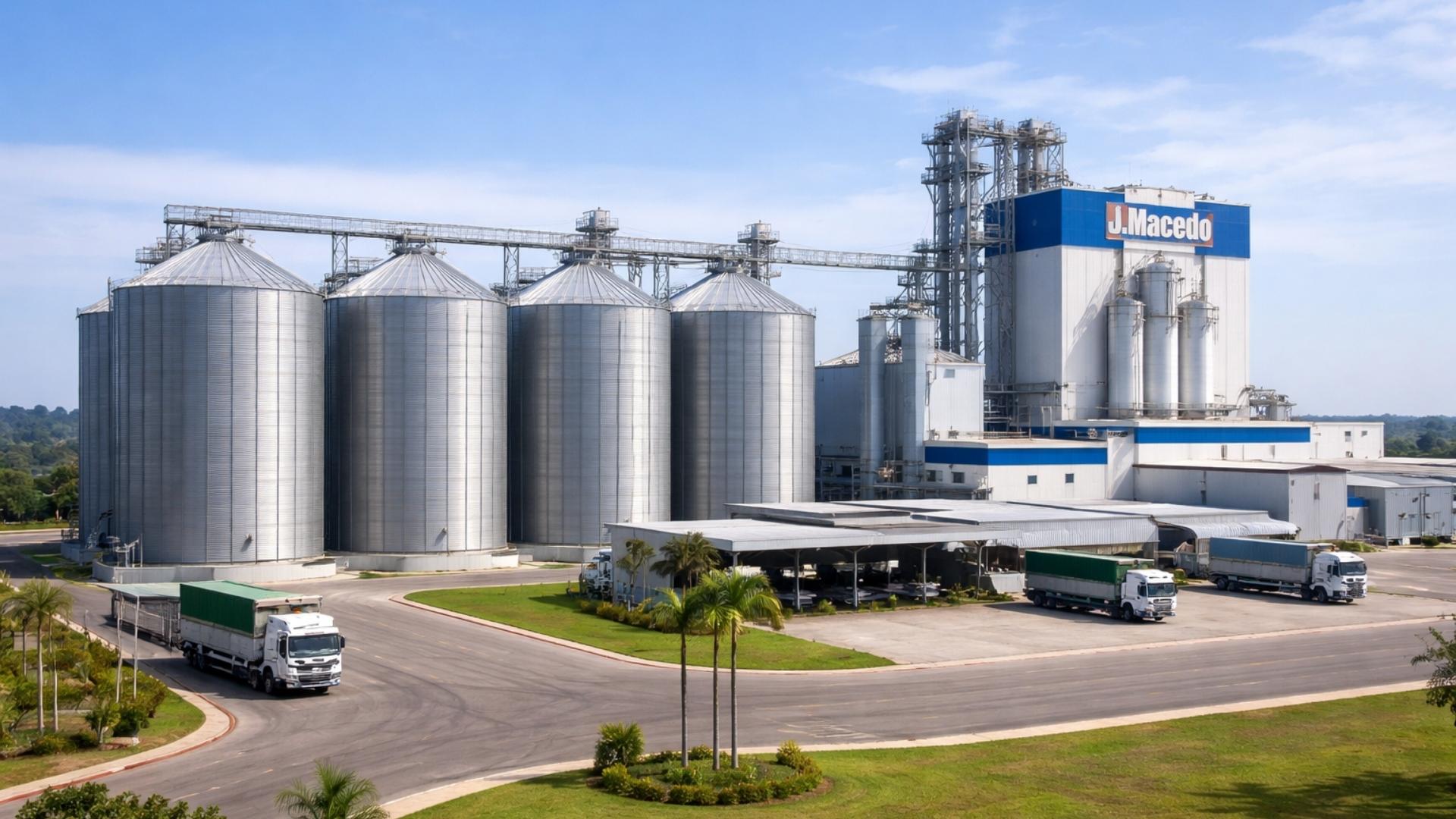
A Brazilian city gains a factory worth R$ 300 million with the capacity to process 200 thousand tons of wheat per year, a mill of 660 tons per day, silos for 42 thousand tons, and an industrial area of 276 thousand m².

Ronaldo Silva, a maintenance worker, commented on the change: “This increase was already expected, and it’s not just about the money, but about recognizing our efforts. With this adjustment, I will be able to balance my accounts better and even plan for the future.”
Differences Between Regional and National Minimum Wage
It is noteworthy that the national minimum wage, set at R$ 1,412.00, is still a reference for many Brazilians. However, Paraná is one of the states opting for an increase in the regional minimum wage, adjusting salaries to local needs and realities. This type of initiative is seen as a way to value labor and offer fairer conditions, especially in states with a higher cost of living.
CLT workers in Paraná now enjoy a salary that better adapts to their economic context, which not only helps in balancing family finances, but also attracts investors to the state, increasing the region’s competitiveness.
Projections for Minimum Wage Increases in the Coming Years
The expectation is that minimum wage increases will continue in the coming years, with the federal government already projecting a value of R$ 1,509 for 2025 at the national level. This adjustment is being discussed in Congress and takes into account the INPC and GDP growth. Although Paraná has a higher minimum wage, these changes in the national scenario could also impact future decisions regarding the regional wage.
Still, many CLT workers express the need for complementary policies that ensure wage adjustments are sufficient to keep up with the constant increase in prices of essential goods and services. The cost of living, especially in urban areas, continues to rise, making this type of minimum wage update necessary, but often insufficient to cover all expenses.
The Experts’ View
Economists point out that the increase in minimum wage in Paraná could have positive effects on the local economy, mainly by increasing internal consumption. With more money in their pockets, CLT workers are likely to spend more on goods and services, boosting sectors like commerce, food, and housing. This creates a growth cycle that can benefit the state as a whole.
On the other hand, there are concerns that rising wages may put pressure on smaller businesses, which will have to adapt to the new conditions. “It’s always a delicate balance. A significant increase might be hard to sustain for some businesses, but the overall benefit for workers outweighs it“, says economist Paulo Pereira.
Minimum Wage Increase in Paraná
The increase in minimum wage in Paraná brings welcome relief to CLT workers in the state, who can now count on salaries more aligned with the local economic reality. The measure also signals a commitment from the government to value labor and promote economic growth, which, if well managed, can positively transform the outlook for the coming years.
With the adjustments projected for 2025 and the expectation of further increases in the future, CLT workers remain vigilant, hoping that these measures can truly improve quality of life and bring financial stability. The challenge, however, remains to ensure that these increases closely follow the rising cost of living and the needs of working families.
TO LEARN MORE: Uber and 99: New Prohibitions Confirmed for 2024 Require Driver and Client Adjustments
What did you think of this news about the minimum wage increase in Paraná? If you are one of the CLT workers benefiting from it, how does this adjustment impact your daily life? Does this increase make a difference when it comes to paying bills, or does it still need improvement?








Seja o primeiro a reagir!