





 Portuguese
  English
  Spanish
  4 min of reading
  26 comments




Uber And 99 Drivers And Customers Must Adapt To The New Rules Of 2024
The platforms Uber and 99 warn partner drivers and customers about two new prohibitions that are effective starting in 2024. With changes that directly affect working conditions and the type of vehicles accepted, the apps reinforce the need for quick adaptation.
With the beginning of 2024, the main transportation platforms in Brazil, Uber and 99 are making important adjustments to their operations. This time, the updates involve prohibitions that impact both drivers and passengers. These changes aim to improve the quality of the service offered and ensure that the vehicles used meet the companies’ most up-to-date requirements. The highlight is the list of prohibited cars on Uber and the restrictions related to the year of manufacture of the vehicles on 99.
Prohibitions On Uber And 99: What Changes In 2024?
In recent years, Uber and 99 have dominated the landscape of transportation apps in Brazil. With each new update, significant changes arise that influence the lives of drivers and the experience of passengers. Now, the two companies have announced important prohibitions.
-
Engineers propose a fourth traffic light for intersections – the change promises to affect crossings, queues, and waiting times.

-
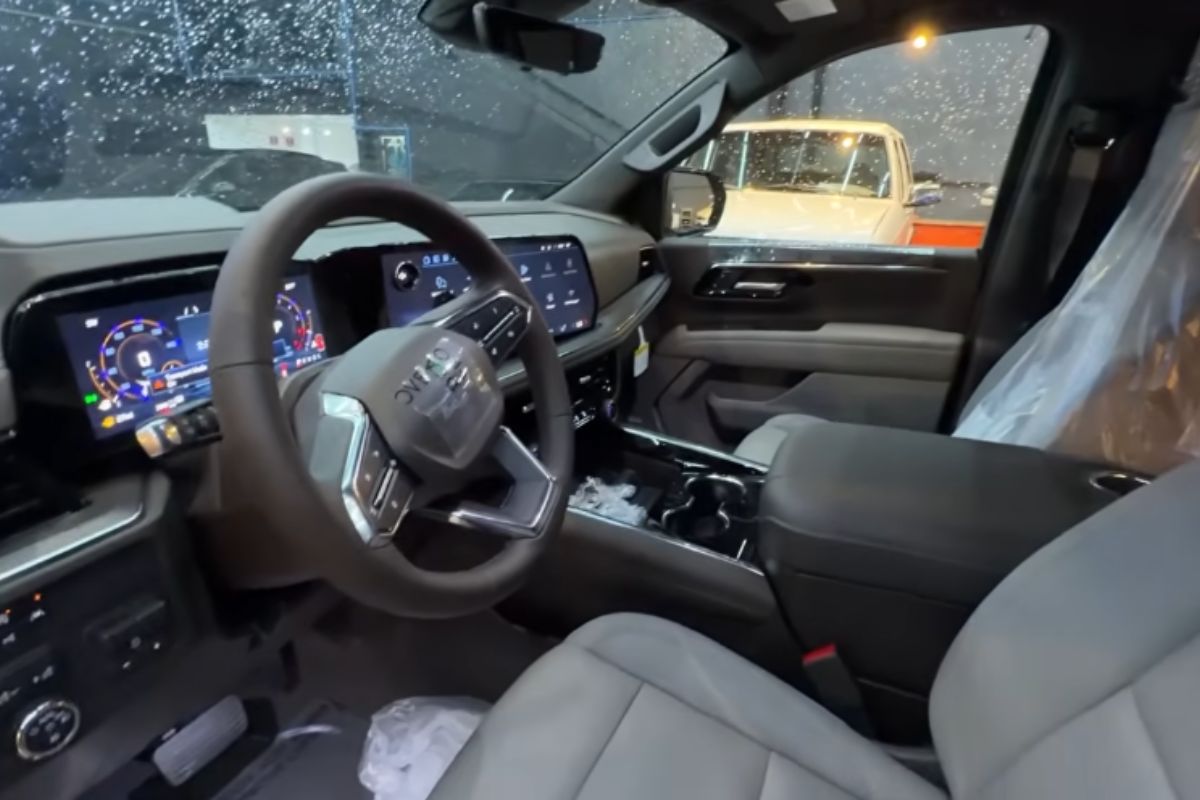
Chevrolet Suburban Z71 lands in Brazil with a V8 engine, off-road design, air suspension, seven seats, and colossal size, a rare version imported for around R$ 1.3 million with luxury and exclusivity.
-
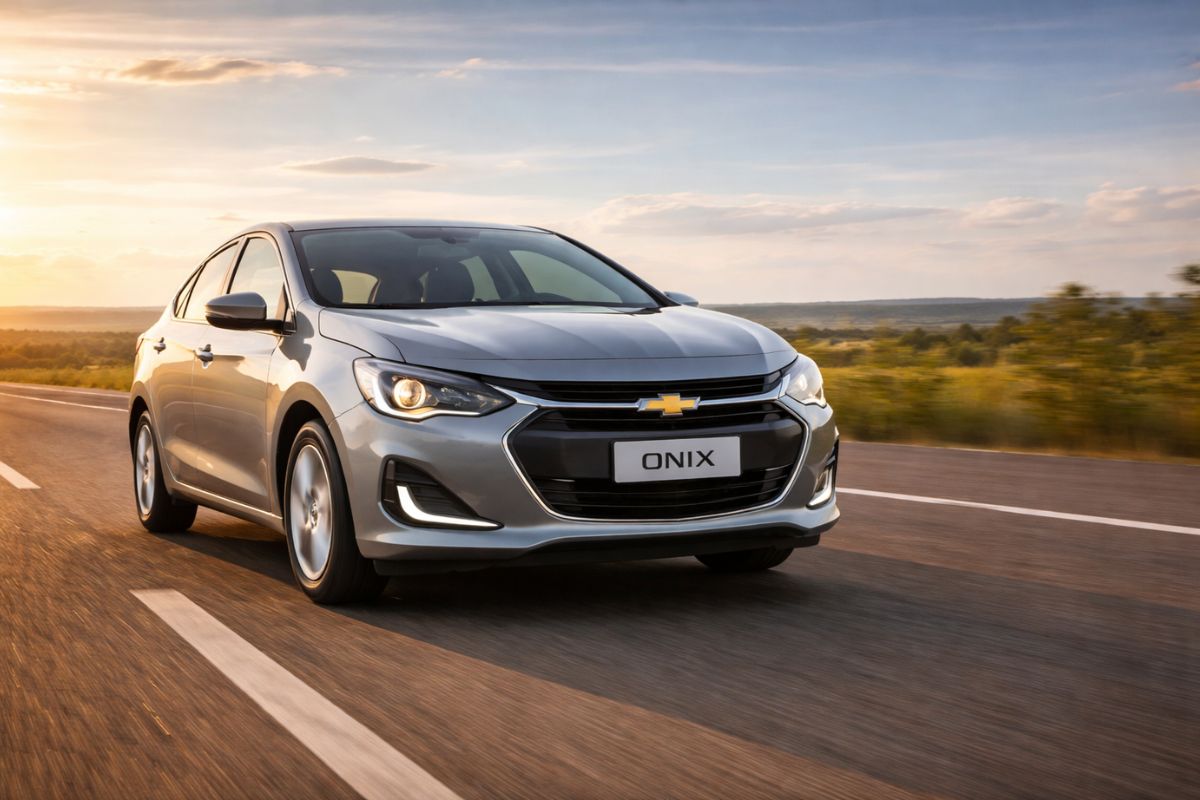
The Chevrolet Onix 1.0 turbo achieves 17.7 km per liter on the highway and ranks among the three most economical cars in Brazil in 2026, alongside two more expensive Toyota hybrids available at dealerships.
-
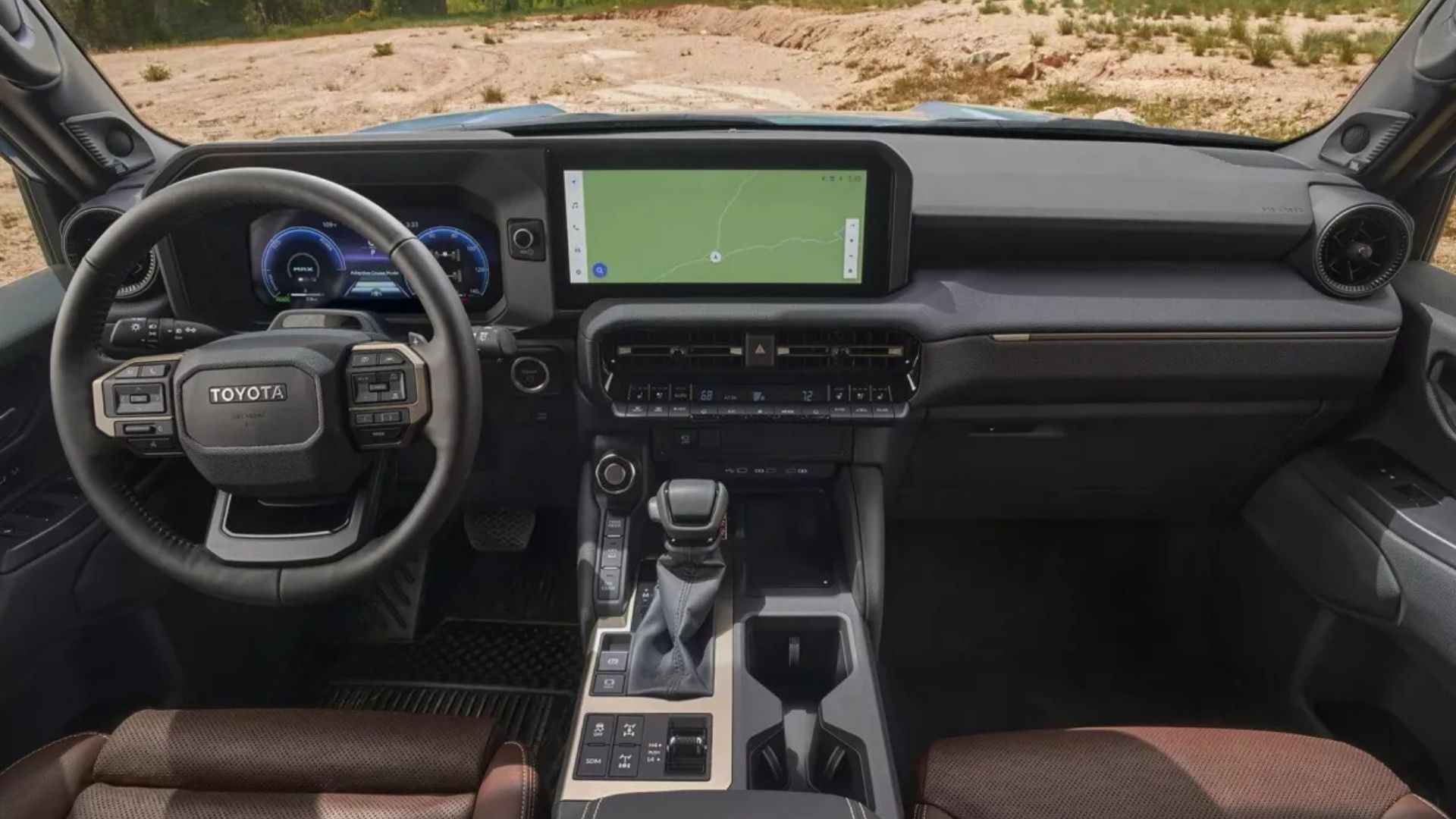
Little sister of the Hilux: Toyota launches Land Cruiser FJ with 4 radical versions, 2.7 engine with 166 hp and 4×4 traction with locking.

At Uber, the update is linked to the Comfort and Black categories. Since January 2024, several car models have been banned from these categories throughout Brazil. This means that drivers using these vehicles will need to change them to continue providing services in the premium tiers of the platform. Among the prohibited cars are popular models such as the Fiat Siena, Ford Focus, and Chevrolet Cobalt. See the complete list of non-accepted models:
- Caoa Chery Tiggo 7 Pro
- Caoa Chery Tiggo 8 Pro
- Chevrolet Blazer
- Chevrolet Cobalt
- Chevrolet Joy Plus (accepted only in RJ)
- Citroën C4 Pallas
- Citroën C5
- Fiat Bravo
- Fiat Doblo
- Fiat Grand Siena
- Fiat Idea
- Fiat Linea
- Fiat Siena
- Fiat Siena Attractive
- Ford Edge
- Ford Fiesta Sedan
- Ford Focus
- Ford Ka Sedan
- Ford Territory
- Geely EC7
- Honda CR-V
- Honda Fit
- JAC Motors J5
- JAC Motors J6
- JAC Motors iEV20
- Land Rover Freelander
- Lexus ES
- Lifan 530
- Porsche Cayman
- Volkswagen Voyage
To continue operating in the Comfort category of Uber, the vehicle must have air conditioning, four doors, and at least five seats. Another important requirement: drivers must maintain an average rating of at least 4.85 in cities like Curitiba and Brasília, and 4.80 in the rest of Brazil.
99 Does Not Have A Specific List Of Prohibited Models
On the other hand, 99 does not have a specific list of prohibited models, but adopts a strict rule related to the year of manufacture of the vehicle. The acceptance period for cars varies by city. For example, in Rio de Janeiro, only cars from 2013 onwards are accepted. In cities like Aracaju and Uberlândia, the limit is 2007.
These prohibitions from 99 are an attempt to ensure that vehicles in circulation are in good safety and comfort conditions. Working air conditioning and up-to-date documentation are some of the requirements for the car to be accepted.
Why These Changes?
Both Uber and 99 have undergone adaptations to comply with local legislation and improve the passenger experience. With increased competition and a demand for quality services, it is natural for the platforms to seek to raise their standards. Uber, for example, is increasingly focused on ensuring that cars in the higher categories offer superior comfort, while 99 seeks to balance the requirements with the specific needs of each region.
TO KNOW MORE: Central Bank Announcement: Replacement of Real And The Truth About PIX With Days Counted
History Of Uber In Brazil
Uber arrived in Brazil in 2014, first in Rio de Janeiro and São Paulo, and soon expanded to several other cities. With the World Cup approaching at the time, the company took the opportunity to gain popularity and consolidate its presence in the country. Today, Uber is one of the main options for urban transportation, and 99, founded in 2012, came to complement this market.
The prohibitions confirmed in 2024 by Uber and 99 are just part of the many changes that may arise in the app transportation sector. As new legislation and quality standards are imposed, both drivers and passengers need to be attentive and adapt to the new requirements.
With this list of prohibited cars in the Comfort and Black categories of Uber, what do you think of the new rules? Do you believe these prohibitions will significantly impact drivers and passengers?









Independente se o ano for 2001 e o carro tá em bom estado não vejo problema ele trabalhar na 99 na Uber
Eu acho assim todo mundo precisa de uma oportunidade o carro também em bom estado pode trabalhar na 99 ou na Uber não vejo problema na minha opinião
Preços da corrida esta uma ****, e ainda querem exixgir tnc rapa ..
Rodando p crl p fazer uma merreca razoável.. manutencoes caras, sem falar no preço do combustível ..
Daqui a pouco
Tá achando ruim vai trabalhar vendendo água na praia que cê ganha mais bonitão
E lá vem a enrustida de novo. Troca o disco querida, só sabe falar isto ?