





 Portuguese
  English
  Spanish
  4 min of reading
  0 comments


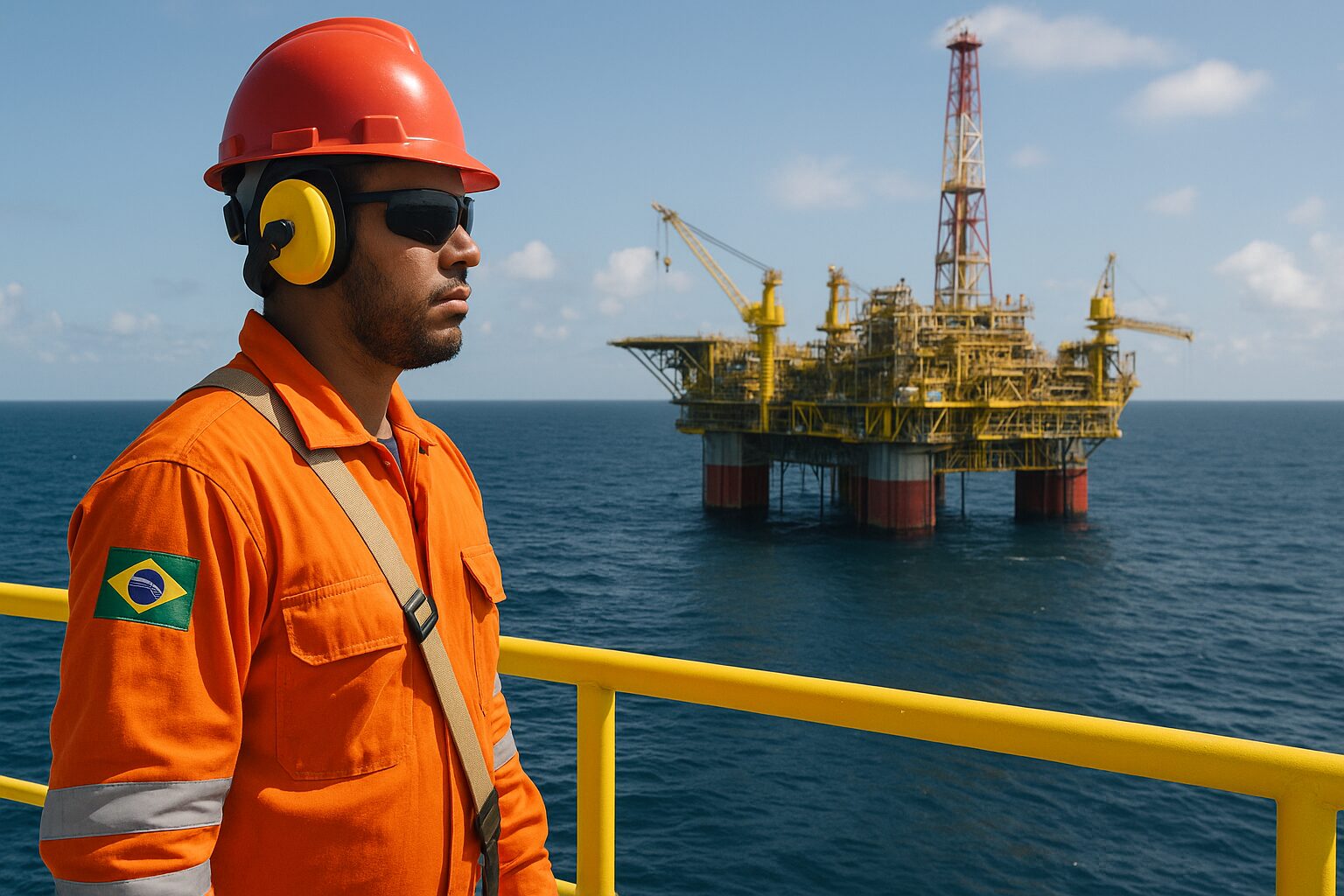
Life at Sea Goes Beyond a Good Salary: Offshore Professionals Reveal Challenges and Curiosities of the Routine When Working on Oil Platforms and Vessels.
In Brazil, thousands of professionals live a very different routine from most: they work on oil platforms and other offshore structures, often located miles from the coast. These workers arrive at their “job” by helicopter, face long shifts, but also enjoy two weeks off for every 14 days worked. Social media has been one of the main ways to showcase the behind-the-scenes of this routine, sparking the curiosity of those who dream of working in the sector or just want to understand better what life at sea is like.
What Does It Mean to Work Embarked?
Working embarked means operating at sea, away from the coast, usually on oil platforms, ships, or rigs. It is a common model in the offshore sector, offering work regimes like 14×14 — 14 days on and 14 days off — one of the major attractions for those seeking quality of life and free time.
Despite this, day-to-day life is not that simple. The routine tends to be demanding, with 12-hour shifts per day, including weekends and holidays. Professionals like Raisa Pedroso, an offshore nurse who shares her routine on social media, show how hard it is to give up family celebrations, but they also reveal that the effort is rewarding.
-
Spain surprises the world by erecting 62 artificial dunes, mixing sand with natural remains of posidonia, and causing the structure to lose only 1.4% of its volume in 1 year.

-
With 16 Bulava missiles, improvements in acoustic stealth, and a design focused on silent patrols, Russia’s nuclear submarine was born to ensure Moscow’s invisible retaliation and has become one of the pillars of its maritime strength.

-
‘Populous’ city in Rio among the worst in Brazil in national ranking and exposes silent development crisis.
-
Couple buys house in the South Zone of São Paulo, opens a hidden door in the garage, and finds a secret wine cellar with dozens of old wines forgotten since the 1970s.

Attractive Salaries and Benefits
In addition to the extended time off, another appealing factor is the salary. According to data from Seagems, a company specialized in underwater engineering, bonuses on the base salary can reach 140.5%, not counting compensatory days off and overtime.
This high compensation is justified by the challenging working conditions, isolation, and the level of qualification required to work in the sector.
Embedded Professions Go Beyond the Technical Sector
It’s a misconception to think that only engineers or oil technicians can work on board. The offshore sector offers positions for various areas, including:
- Nurses
- Cooks
- Safety technicians
- Civil firefighters
- Electricians
- Divers
- Cleaning professionals
- Videographers
- Language teachers
In other words, there are opportunities for many professional profiles, even for those seeking a first chance in the sector, provided they are qualified and have the required courses.
Comfort Aboard: What Is It Like to Live on an Offshore Platform?
The structure of platforms and vessels has been modernized over the years. Nowadays, many of these places are described as “floating hotels”. Workers have comfortable dormitories, high-quality meals prepared by chefs, and leisure spaces such as:
- Gyms
- TV and game rooms
- Outdoor areas with ocean views
Additionally, there are gatherings, barbecues, and even festive events on holidays, as a way to compensate for the time away from family.
Safety Is a Priority: Mandatory Training
To embark, it is not enough to want to. All professionals undergo mandatory safety training, including:
- Sea survival
- Firefighting
- First aid
- Operations with simulators
These courses are a legal requirement and are often validated by national and international certifications. The goal is to ensure that all workers are capable of facing risky situations and dealing with emergencies.
Connection with Family and Psychological Support
Despite the geographical isolation, the platforms offer internet and telephone connection, allowing professionals to maintain frequent contact with their families.
Furthermore, many offshore companies provide remote psychological support, specifically to help employees deal with the distance and the emotional challenges of working onboard.
Helicopter Transport: A Common Routine
One of the most curious moments of life onboard is the transport to the platform: instead of traffic, workers take a helicopter. That is how they reach their job, often departing from cities like Macaé (RJ) or Vitória (ES).
The nurse Raisa Pedroso shared videos on her TikTok showing what it’s like to fly to the platform. For many, it is one of the most thrilling parts of the journey.
Is It Worth It to Work Embarked?
Working embarked is a choice that combines challenges and rewards. The intense routine, the time away from family, and the isolated environment are compensated by extended time off, good salaries, and an increasingly humane structure.
The offshore sector remains vibrant, with multiple job opportunities for those seeking to qualify, especially in the fields of oil, gas, and energy. With the advancement of exploration in deep waters in Brazil, the trend is for continuous expansion of demand for professionals.
If you dream of entering this universe, the first step is to seek specialized courses and understand the required certifications. The sea is full of opportunities — you just have to be prepared to navigate.







-

Uma pessoa reagiu a isso.