





 Portuguese
  English
  Spanish
  3 min of reading
  0 comments


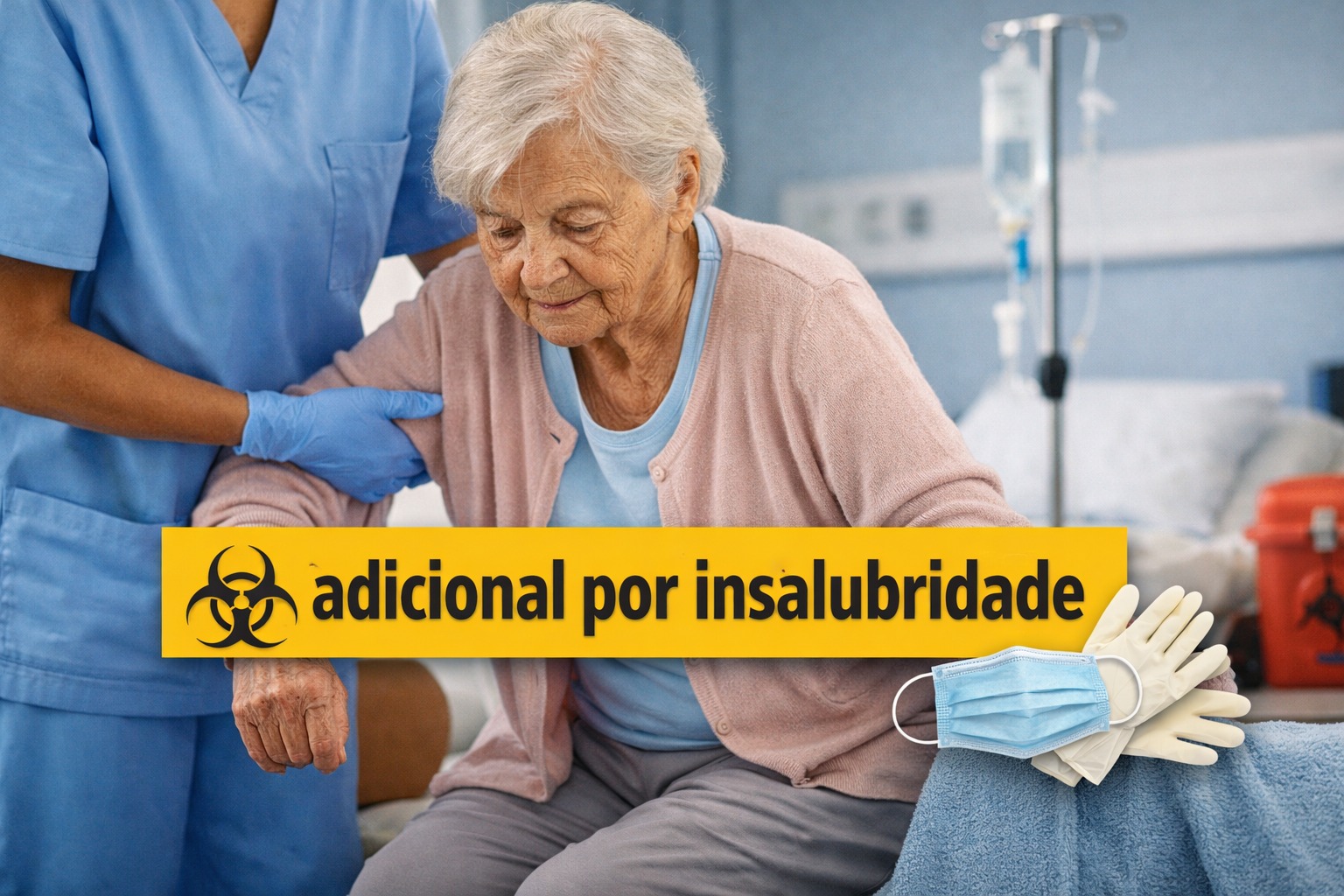
Recent Ruling of the 4th Chamber of the Superior Labor Court Redefines Legal Criteria, Challenges Expert Reports, and Consolidates Interpretation on Activities, Ministry of Labor Norms, and Limits of Hazardous Subsidy
The 4th Chamber of the Superior Labor Court ruled that a therapeutic clinic for the elderly does not have to pay a hazardous subsidy to a caregiver, overturning previous decisions and understanding that the activity is not listed in the official list of the Ministry of Labor, thus excluding the portion.
TST’s Decision and Scope of Understanding
The panel exempted the clinic from paying the additional amount after concluding that the caregiver’s role does not fall within the list of hazardous activities defined by the Ministry of Labor, which is an essential requirement for granting the right.
The caregiver stated in the labor claim that he was responsible for approximately 10 elderly individuals, performing daily tasks such as bathing, changing clothes, assisting with meals, guiding patients, and dressing wounds during the routine.
-
The noise law will no longer be in effect at 10 PM starting in June with a new rule valid during the 2026 World Cup.

-
The Chamber opens a debate on driver’s licenses at 16 years old as part of a reform that includes around 270 proposals to change the Brazilian Traffic Code and may redesign rules for licensing, enforcement, and circulation in the country.

-
The new Civil Code could revolutionize marriages in Brazil with “express divorce” and changes that could exclude spouses from inheritance.
-
Banco do Brasil sues famous influencer for million-dollar debt and intensifies debate on delinquency, risks of seizure, and direct impact on Gkay’s credibility.


According to the worker, these activities involved frequent contact with sick individuals and exposure to agents deemed hazardous, especially during cleaning and changing diapers, which motivated the request for the additional subsidy.
Understanding of Lower Instances and Expert Evaluation
In the defense presented, the clinic argued that it is a long-term care institution for the elderly, with a residential character, and not a healthcare facility, which is a central point of the judicial debate.
The judicial expertise confirmed the presence of sick elderly individuals requiring monitoring by a nurse and a nursing technician, concluding that the location could be classified as intended for human health care, according to NR-15.
The report also acknowledged exposure to biological agents, information documented in the Environmental Risk Prevention Program presented by the clinic, leading the first-degree court to grant an additional amount at a medium rate of 20%.
The Regional Labor Court of the 15th Region upheld the ruling, but the clinic appealed to the TST, which reformed the understanding by applying the Court’s Summary 448.
Legal Justification and Final Result
The rapporteur, Minister Maria Cristina Peduzzi, emphasized that the expert finding of hazardous conditions is not sufficient to guarantee the subsidy, as the explicit classification of the activity in the official list of the Ministry of Labor is required.
The minister reiterated that, for the TST, mere exposure to biological agents in the role of caregiver for the elderly does not authorize payment, as the activity is not included in the regulatory list. The decision was unanimous.
The ruling pertains to the case 0010235-24.2022.5.15.0095 and was published with information from the press office of the TST, consolidating the understanding on the subject in the superior court.










-

-

-

8 pessoas reagiram a isso.