





 Portuguese
  English
  Spanish
  4 min of reading
  0 comments


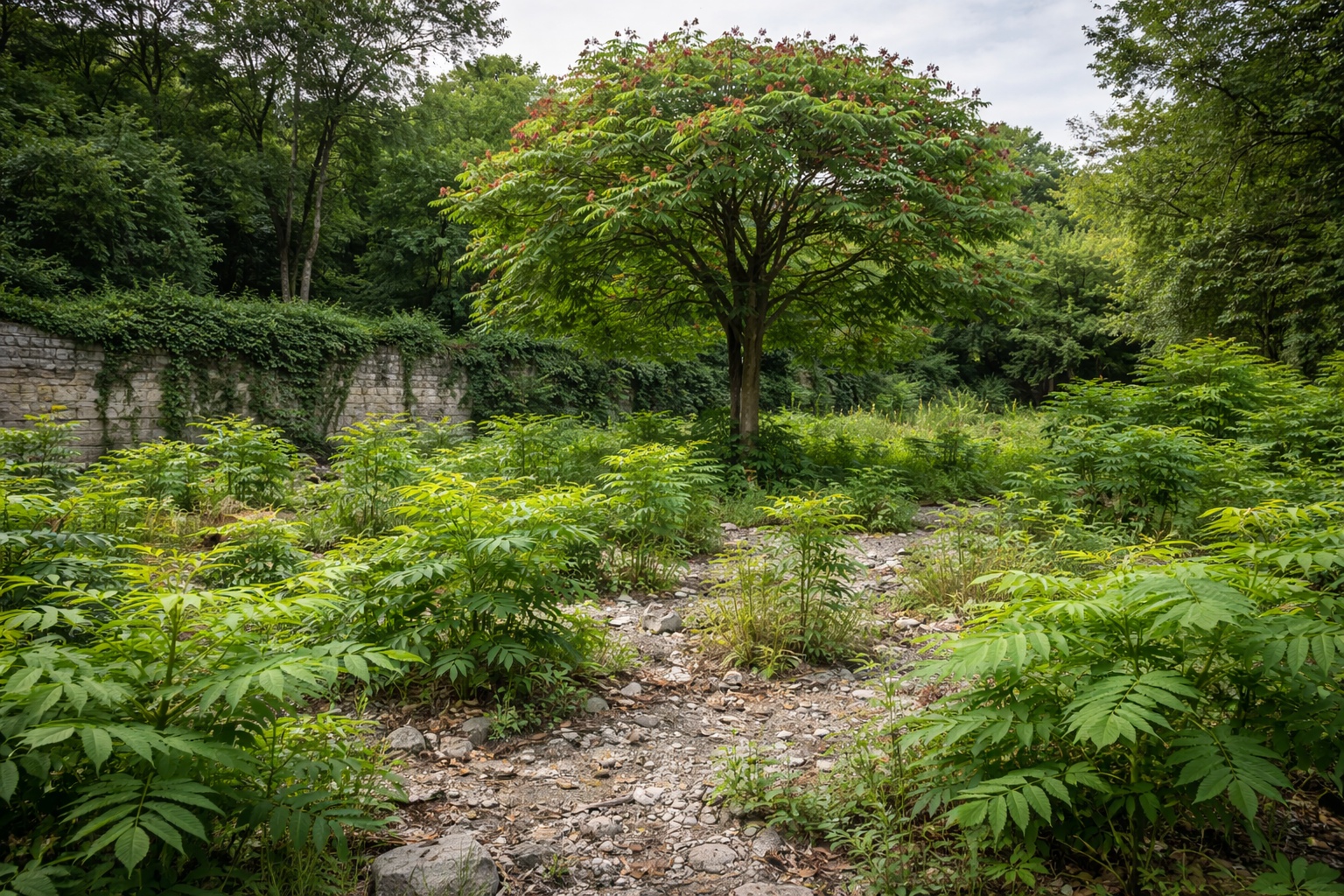
Ailanthus altissima – Tree of Heaven Grows Quickly, Alters Soils, and Invades Cities in Europe, Becoming One of the Most Difficult Invasive Species to Control.
Very few people outside the world of botany know about the tree of heaven. But for European environmental managers, urban planners, and biological invasion researchers, Ailanthus altissima has been a cause for concern for over two decades. Native to China, the species was brought to Europe in the 18th century, initially as an ornamental plant and for urban reforestation. It grew quickly, resisted pollution, tolerated poor soils, and extreme temperatures — exactly what the industrial cities of the time required. The problem is that over time, these same characteristics have turned the tree of heaven into a biological invader with significant urban and ecological impact.
Explosive Growth, Mass Reproduction, and Urban Resistance
The tree of heaven has three characteristics that explain its success in Europe:
Accelerated Growth
In ideal conditions, it can grow 1.5 to 2 meters per year, reaching over 20 meters in height in adulthood. This pace surpasses several native species of temperate forests.
-
The eggshell that almost everyone throws away is made up of about 95% calcium carbonate and can help enrich the soil when crushed, slowly releasing nutrients and being reused in home gardens and vegetable patches.

-
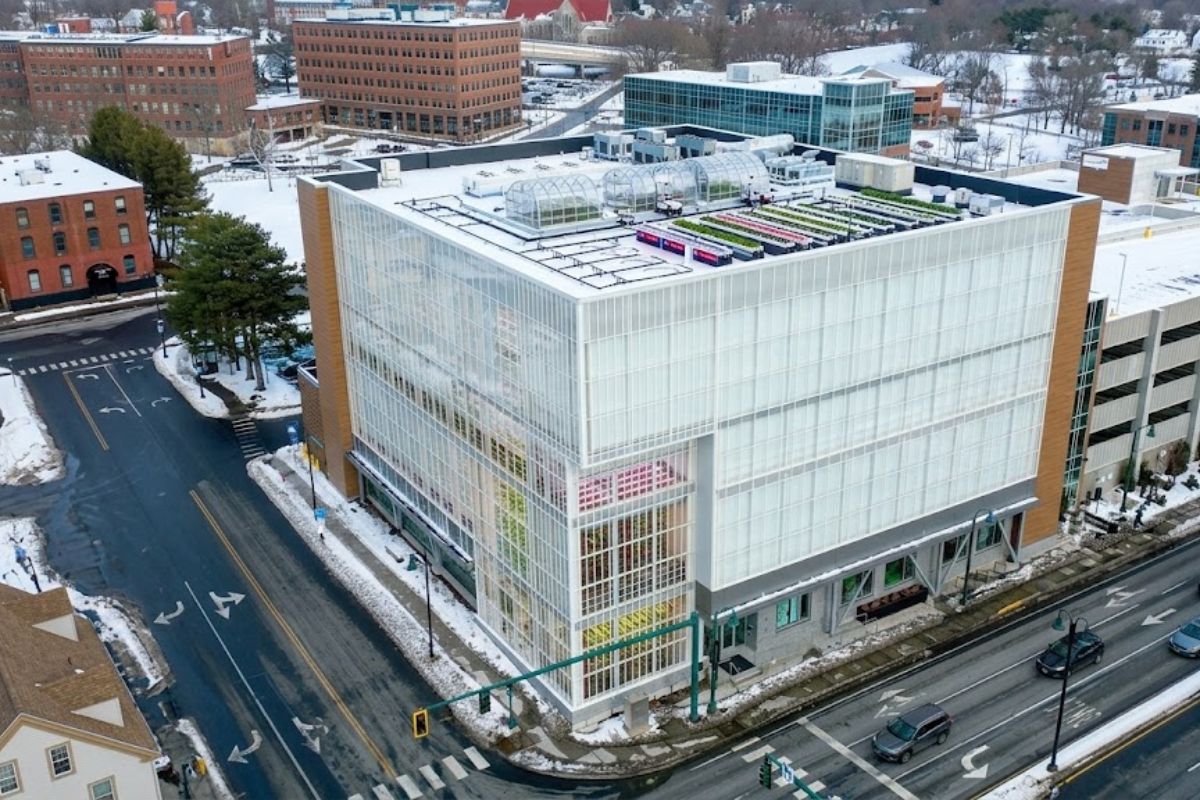
This farm in the United States does not use sunlight, does not use soil, and produces 500 times more food per square meter than traditional agriculture: the secret lies in 42,000 LEDs, hydroponics, and a system that recycles even the heat from the lamps.
-
The water that almost everyone throws away after cooking potatoes carries nutrients released during the preparation and can be reused to help in the development of plants when used correctly at the base of gardens and pots, at no additional cost and without changing the routine.

-
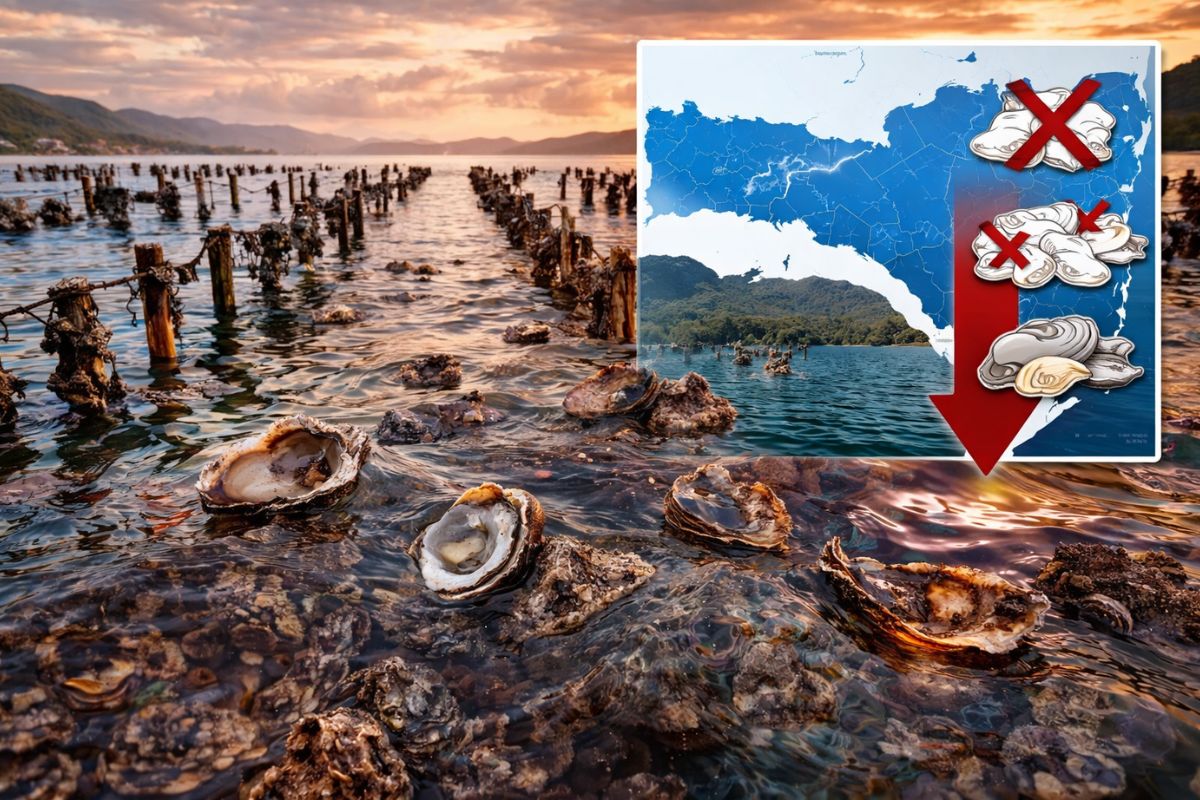
The sea water temperature rose from 28 to 34 degrees in Santa Catarina and killed up to 90% of the oysters: producers who planted over 1 million seeds lost practically everything and say that if it happens again, production is doomed to end.

Aggressive Reproduction
The Ailanthus produces a large number of winged seeds (samaras) that can be dispersed by the wind over long distances. Additionally, it forms vigorous shoots from the roots, making mechanical eradication difficult.
Resistance to Degraded Environments
It withstands compacted soils, pollution, extreme heat, de-icing salts used on roads, and low water availability, conditions that eliminate most native trees.
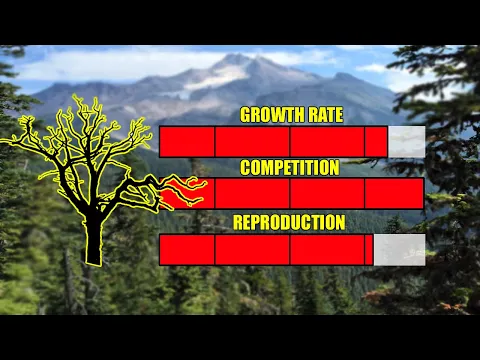

Therefore, today it occupies road edges, railway lines, walls, sidewalks, urban parks, abandoned buildings, and riverbanks, advancing in both urban and rural areas.
Allelopathy: How the Tree Harms Soil and Inhibits Competitors
One of Ailanthus’s most efficient weapons is allelopathy, a chemical phenomenon where plants release substances into the soil to hinder the growth of other species.
The compound ailanthone, found in the roots and leaves, inhibits the germination and growth of native plants, altering the competitive balance of vegetation. This explains why areas dominated by the tree of heaven tend to have poor and homogeneous flora.
This type of biogeochemical interference is documented in European journals and institutes specializing in biological invasions and explains part of its ecological success outside Asia.
Impact on Insects, Birds, and Ecological Chains
The tree of heaven can alter biological communities in different ways:
Insects:
There are records of toxic effects on some larvae and herbivores, reducing insect diversity in invaded areas.
Birds:
As a homogeneous forest does not offer a variety of seeds and insects, areas taken over by Ailanthus tend to attract fewer bird species, reducing ecological complexity.
Native Plants:
Typical species of European reforestation, such as oak, beech, service tree, and birch, lose territory due to chemical and structural competition.
The visible result is a process known as ecological replacement, where an exotic species occupies the niche of several natives at the same time.
From Garden to Continental Problem: The European Case
Today, the tree of heaven is considered invasive in several European countries, such as:
• Germany
• Italy
• Spain
• France
• Switzerland
• Austria
• Romania
• Hungary
In some of these countries, managers estimate thousands of hectares dominated by the species, especially near railways and industrial areas, where vegetation suffers frequent disturbances — an ideal environment for colonizing plants.
The situation has attracted so much attention that the European Union listed Ailanthus as a continental concern invasive exotic species, requiring management plans and restrictions on planting in public areas.
Why Is It So Difficult to Control the Tree of Heaven?
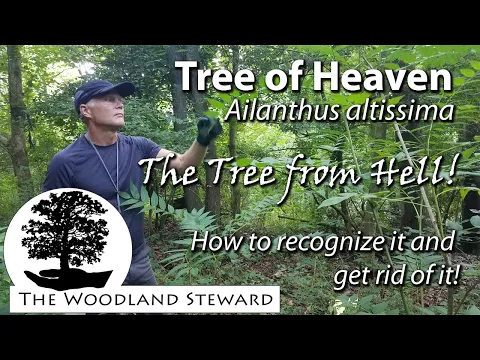
Eradicating the species is difficult for two reasons:
Underground Shoots
If cut without proper treatment, the root system sends dozens of new shoots, expanding the infestation.
Tolerance to Herbicides
It shows partial resistance to some common herbicides and requires specific application techniques, such as ring barking + systemic herbicide.
This regenerative capacity is comparable to that of very well-known invaders, such as kudzu in the USA and gorse in the Iberian Peninsula.
The Inevitable Question: Is It Just a Villain?
Interestingly, researchers remind us that the species has positive uses in its native environment (Asia), including:
• light wood
• nectar-producing for beekeeping
• traditional medicinal use
• urban resistance
The problem lies not in the species itself, but in its introduction outside of its ecosystem, where it does not face its natural predators, pests, and regulatory pathogens.
An Exemplary Case of the 21st Century
The tree of heaven has become a symbol of a larger debate: how the 21st century addresses biological invasions in cities.
While most invasive species are discussed in rural or forest contexts, Ailanthus shows that urbanization also creates ecosystems and that these ecosystems can, intentionally or unintentionally, select for extremely competitive organisms.
For specialists, the big challenge now is not just to eradicate the tree of heaven, but to redefine the relationship between cities, biodiversity, and exotic species, understanding that Europe’s environmental future will also be decided on asphalt, concrete, and railways.









-

-

-

-

-

27 pessoas reagiram a isso.