





 Português
  Inglês
  Espanhol
  5 min de leitura
  0 comentários


AI Drives Digital Transformation in Utilities, But Lack of Collaboration Prevents 80% from Completing the Journey. Organized Data and Data Analysis Are Crucial.
Utilities around the world are prioritizing AI as an essential tool to accelerate digital transformation. However, inadequate collaboration among different sectors remains a significant obstacle, preventing 80% of organizations from completing this transformative journey. Efficient data organization and information analysis are fundamental for effective adoption of artificial intelligence in companies.
For utilities to achieve success in implementing artificial intelligence, structured management of assets and continuous investment in emerging technologies are crucial. Strong coordination among departments can unlock the true potential of digital transformation. Moreover, utilizing intelligent algorithms can optimize processes, resulting in more efficient and accurate outcomes.
The Importance of AI in Digital Transformation
AI is at the forefront of digital transformation in the utilities sector, with the overwhelming majority, 82%, of executives recognizing its relevance as essential to their strategies. However, despite widespread understanding of the importance of emerging technologies, only a fraction (20%) of companies have completed their digital transformation journey. Respondents show a split regarding responsibility, with 22% citing the CFO and the same percentage pointing to the CTO.
-
Mercor paid $1.5 million per day for doctors, lawyers, and former Goldman Sachs bankers to teach artificial intelligence to do their jobs, and in 17 months, it went from zero to $500 million in annual revenue while its own contractors accelerated the replacement of their own work.

-
Oncorp wins auction and enables biodiesel and gas thermal plants in Brazil, with strategic projects in Suape and Xavantes Aruanã.

-
Casio Unveils Moflin, Robotic Pet With Artificial Intelligence Designed To Provide Emotional Comfort And Simulate A Permanent Affectionate Bond

-
Raízen Recovery: Shell Cosan May Reduce Control After R$ 65 Billion Debt


Research Highlights Challenges of Transformation
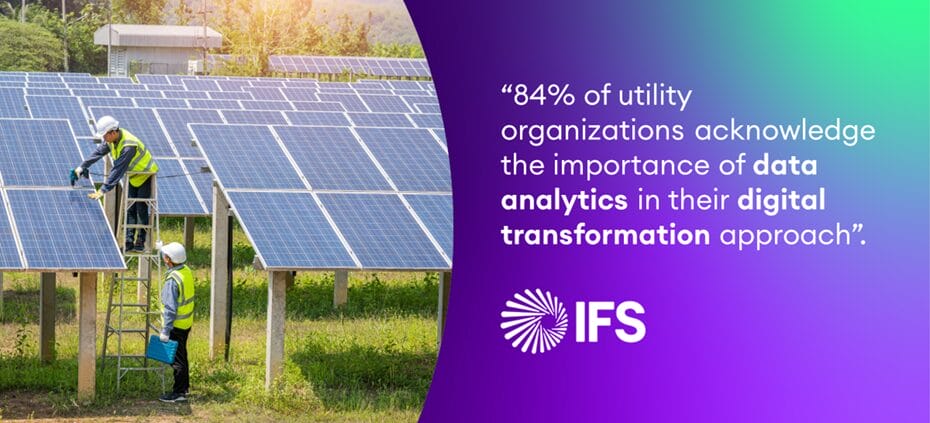
These data are supported by new research from IFS, an innovative leader in cloud technology and industrial AI software, which interviewed 863 senior executives (C-Levels) and vice presidents in utility companies worldwide (including the UK, USA, France, Nordic countries, Middle East, and Australia). Even with 84% of organizations recognizing data analysis as crucial for their digital transformation approaches, the research reveals the complexity of assets and challenges in fully executing these digital strategies.
Obstacles to Implementation
Among the main obstacles are the inability to accurately measure the value of investments (32%), lack of clarity regarding necessary resources and skills (25%), and lack of consensus on priorities among leadership (23%). Asset management has emerged as an essential aspect in service delivery and achieving results within digital transformation, with 36% of respondents emphasizing its importance in ensuring reliable and efficient services. This focus is accelerated by aging infrastructure and increasing asset complexity.
Asset Complexity and Renewable Energies
Several components of the grid have already exceeded their expected lifespan and operate under more severe conditions than originally anticipated, while the transition to renewable energies and distributed energy resources adds another layer of complexity. Other operational areas are also discussed in context, with resource optimization pointed out by 39%, 38% highlighting the need for a robust customer experience strategy, and 36% mentioning field service management.
Importance of a Holistic Approach
Carol Johnston, Vice President of Energy, Utilities and Resources at IFS, commented that the utilities sector is at a crucial moment, where AI-driven digital transformation and sustainability are not just trends, but essentially imperatives. ‘Our research proves the need for robust data management and AI capabilities to ensure that companies succeed in their transformation,’ highlighted Johnston.
Adoption of Digital Tools
However, utilities must also adopt a holistic approach, leveraging end-to-end digital tools and fostering strong partnerships to navigate this complex landscape. When it comes to executing digital transformation strategies, modular enterprise platforms are in high demand, with 38% of decision-makers seeking such solutions to support their journey, indicating the need for flexible technological infrastructures that allow quick adaptation to changes and more cohesive integration of various applications.
Sustainability as a Top Priority
Johnston added that combinable platforms allow companies to introduce new functionality as and when needed, providing a flexible approach to digital transformation and reducing complexity, enabling technological adoption at the company’s pace. This offers a streamlined solution that perfectly integrates multiple applications. The research also reaffirmed sustainability as a high priority for utility companies, with 46% of respondents currently in the phase of defining deadlines and goals to achieve sustainability targets. However, only 31% have reached the first milestones.
Strategies for Sustainable Goals
The main strategies to achieve these goals include improving asset efficiency (43%) and investing in energy-efficient assets (42%). Sustainability in the utilities sector involves more than just reducing carbon; it encompasses revenue models, workforce retention, and safe operations. The integration of sustainability across all operations ensures resilience and compliance. Johnston stated that she does not see sustainability as a trade-off, but as an opportunity to create value for customers and society.
Implications of Data Precision
Utility companies are increasingly understanding the importance of data accuracy and reliable reporting to measure progress toward key sustainability objectives and avoid greenwashing. Effective strategies include optimizing resource use, selecting sustainable suppliers, and engaging customers in programs such as energy sector audits and solar panel installations. It is crucial to connect four of the central themes of this research: AI, digital transformation, asset management, and sustainability.
Research Conclusion
‘Utility companies must recognize that these elements are interconnected. By leveraging AI and digital tools to optimize asset management, they can effectively meet sustainability objectives. This comprehensive approach ensures a strategic and balanced transformation journey,’ concluded Carol Johnston. The research conducted by Censuswide between April and May 2024 interviewed 863 C-Level executives and vice presidents from utility companies specialized in power generation, transmission, distribution, natural gas, and water/wastewater services, examining critical trends, challenges, and strategic priorities in digital transformation, sustainability, and customer experience.
About IFS and Its Recognitions
IFS develops and provides cloud-based enterprise software for companies worldwide that manufacture and distribute products, build and maintain assets, and manage service-focused operations. Within our unique platform, our industry-specific products are inherently connected to a single data model and leverage built-in digital innovation, enabling our customers to perform optimally when it matters most to their customers – at the Moment of Service™. Our industry expertise and commitment to adding value at every stage make us a recognized leader and the most recommended provider in the industry. Our team of over 6,000 employees embodies agility, reliability, and collaboration every day as we support our over 6,500 clients. More information about our enterprise software solutions is available at ifs.com.
Source: © gil@prioriza.ag










Seja o primeiro a reagir!