






 Portuguese
  Spanish
  4 min of reading
  0 comments


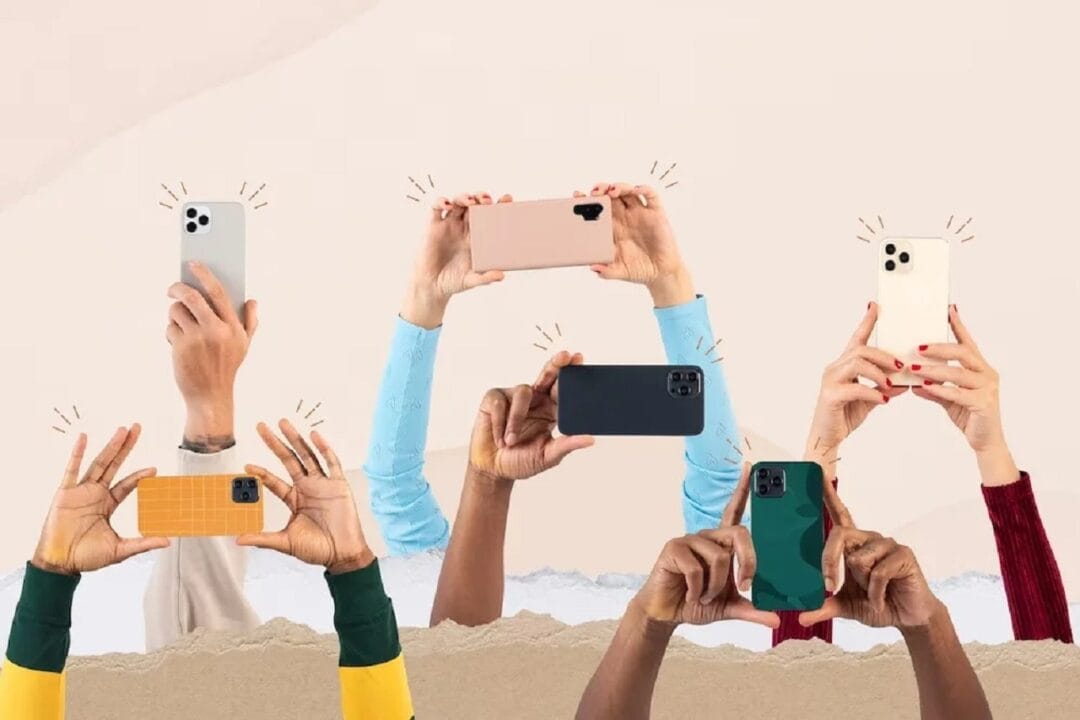
Emerging Technologies In The Market Threaten To Surpass The Smartphone In The Coming Years, Indicating That The Current Device May Be At Its Peak And About To Face A Decline.
In just over 15 years, smartphones have become ubiquitous, with 70% of the world’s population owning one. However, there are growing signs that the era of smartphones, as we know them, may be coming to an end. Innovations such as advanced earbuds, virtual reality glasses, and artificial intelligence assistants are paving the way for a new technological era. In this article, we explore how these emerging technologies may signal the beginning of the decline of smartphones.
What Were The First Mobile Phones Launched To The Market?


Mobile phones are revolutionary items in the history of humanity; these devices represent a significant milestone in how people around the world communicate in their daily lives. One of the first highly popular mobile phone models in the early 90s in the United States is the Motorola 888.
Years later, Motorola introduced the Razer V3, with a design entirely reminiscent of science fiction. The device had a thinner design than a pencil, with hours of battery life and unlimited standby time, featuring a compact and attractive body. The Razer V3 was designed to be a Fashion phone and the device stood out for being extremely thin and lightweight, weighing only 99 grams.
-
Helicopter Drops 180 Tons of Sand and Gravel on Swedish River to Revive Ecosystem Damaged by Decades of Exploitation

-
Brazilian Company Launches Retro Smartphone with 48 MP Camera, T9 Keyboard, and Privacy Features for Social Media-Free Use

-
Self-Taught Chinese Farmer Builds 5-Ton Submarine from Scrap, Launches It in Anhui River
-
Invisible Induction Technology Enables Wireless Power for Blenders, Coffee Makers, and Air Fryers, Reducing Countertop Cables


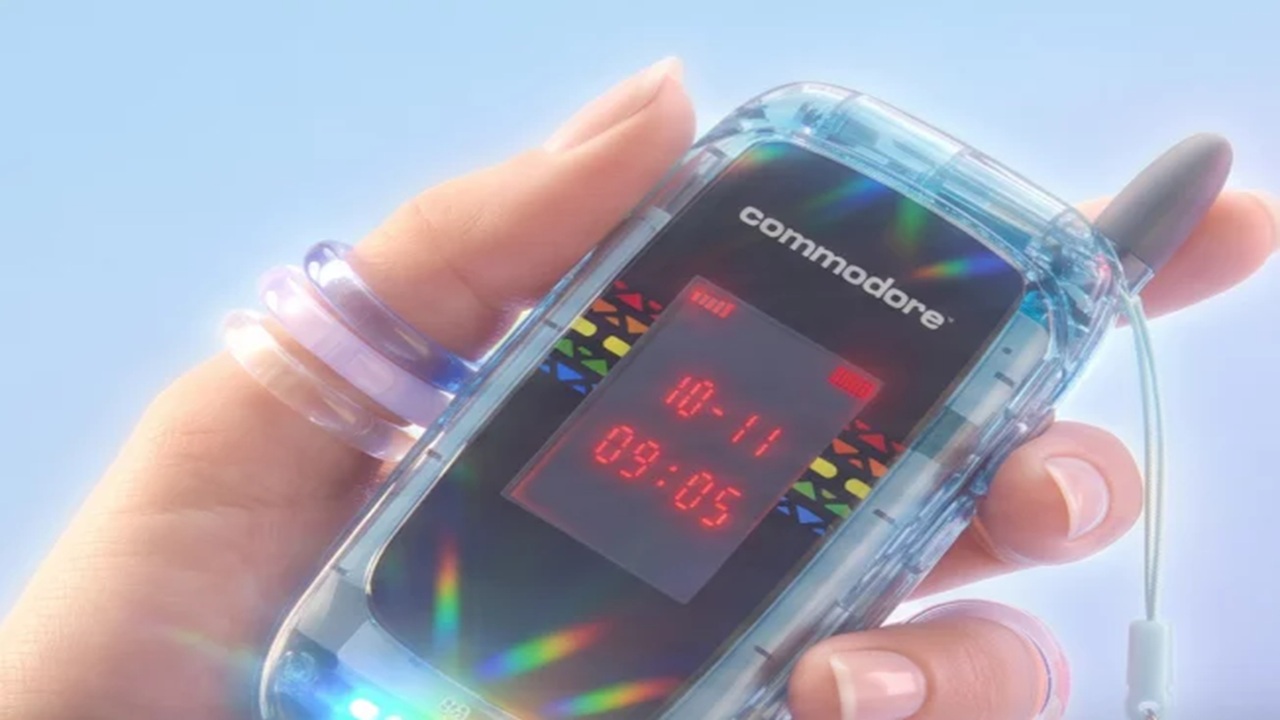


The flip phone was rich in features for its time, with a VGA camera and Bluetooth connectivity, in addition to email access protocols allowing internet connection, not to mention various games that, although simple compared to what we play on current smartphones, were still enough to pass the time in a bank line.
Since then, the advancement of this technology has occurred relatively quickly, with scientists developing their research leveraging existing resources of each era, always adding new ideas, and as bizarre as it may seem, the blueprint of the smartphone was a two-way radio that allowed basic communication between taxi drivers or emergency services.
Understand Why There Is A Need To Advance To New Technologies
Mobile devices have become incredibly advanced in a very short time, so the possibilities for advancement in the future are almost infinite. Like computers, over time, the mobile phone has become smaller, so the physical design of devices has always gone through a roller coaster of changes. In the 90s, several studies revealed users’ dissatisfaction with the size of the device.
The user interface was unacceptable, and even if the cellphone worked well, it was simply too small and difficult to handle. It was only in the last 10 years that mobile phones began to become larger and simpler, making way for a large screen with fewer buttons.
The fact that devices have become mobile media has brought the need for a broader, clearer, and high-definition screen for optimal web viewing on the device. The fact is we have reached the maximum peak of new technologies for the smartphone, and the new changes are merely incremental improvements of modern pocket phones.
Is The End Of Smartphones Near?
Currently, virtual reality is based on displays such as glasses and headsets, but the concept encompasses much more than visual effects that have existed for a long time.
In this type of virtual reality interface, which promises to bring an end to the smartphone, it is possible to look in all directions without needing to interact with a control, simply turning the face to the sides of the generated image, therefore it does not remain static in a single point; it follows the user’s movement, and nowadays there are development projects linked, even, to the sense of touch.
An example of new technologies is Level Ups, which allows individuals to feel the terrain they are stepping on, even changing the elevation of the location. In April 2017, Facebook held a conference called F8 in which its founder stated that virtual reality glasses would be the next big computing platform.
At this conference, the chief researcher of Oculus, a company owned by Facebook, which develops virtual reality headsets, reported that the glasses would be more than a fun icon; they would become the new essential gadget in people’s lives, bringing an end to the current smartphone.





Be the first to react!