





 Portuguese
  English
  Spanish
  4 min of reading
  0 comments


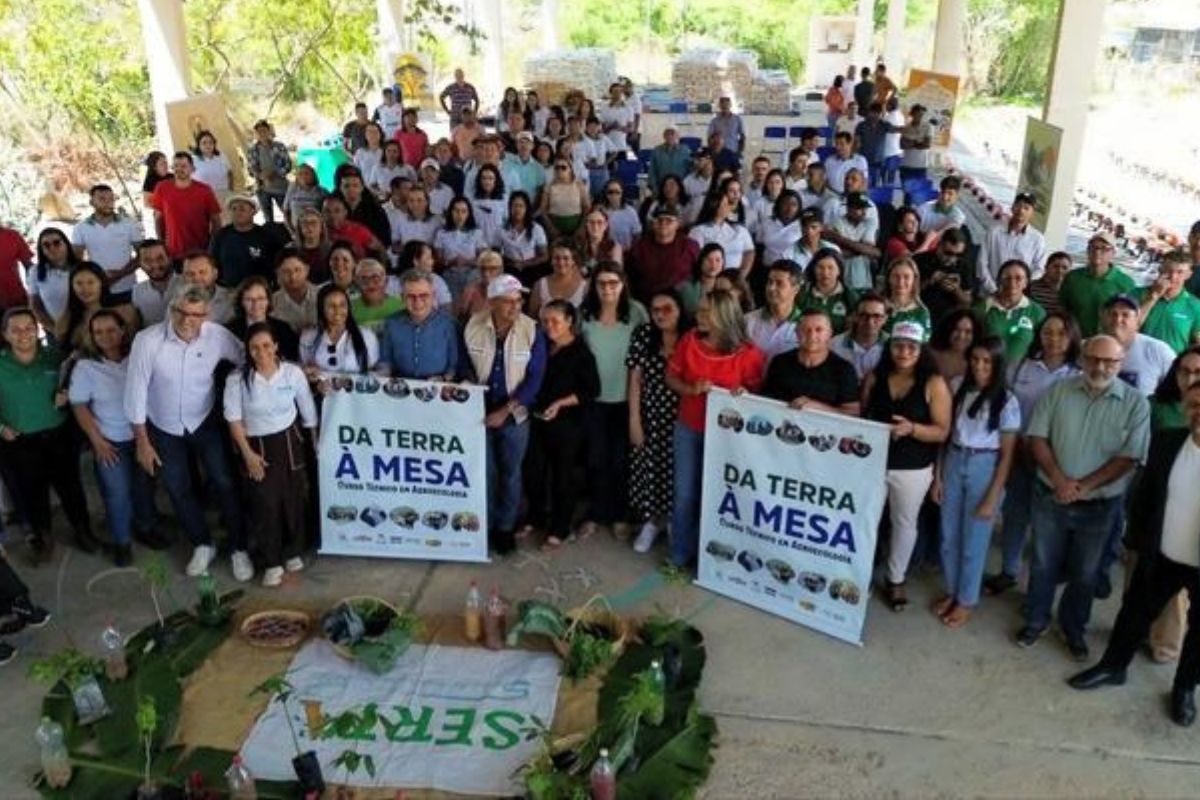
With Expressive Results, the From Earth to Table Program Expands Investments and Strengthens Agroecological Transition in Brazil, Integrating Cooperatives, Training, and Sustainable Production Across All Regions
The agroecological transition in Brazil gains momentum with the results of the first edition of the From Earth to Table program, an initiative of the Ministry of Agrarian Development and Family Agriculture (MDA) that has been transforming the landscape of sustainable food production in the country, according to a report published.
In just one year, the action coordinated by the Secretariat of Family Agriculture and Agroecology has consolidated concrete advances across all biomes, involving thousands of families, technicians, and organizations working for clean production and valuing family farming.
During the 1st Monitoring Seminar, held in Juazeiro (BA) during the 13th Brazilian Congress of Agroecology, representatives from the government and civil society organizations presented results that highlight the direct impact of public policy on productive structuring and the promotion of agroecological practices.
-
While Russia dominates the global wheat market, Brazil emerges as an unexpected competitor in the Cerrado, offering grain available in July and August when stocks in the Northern Hemisphere are at their lowest point of the year.

-
China returned almost 20 Brazilian ships with soybeans, but now everything could change: the country that buys 80% of the grain is considering relaxing regulations after impurities held up shipments of thousands of tons and caused million-dollar losses.

-
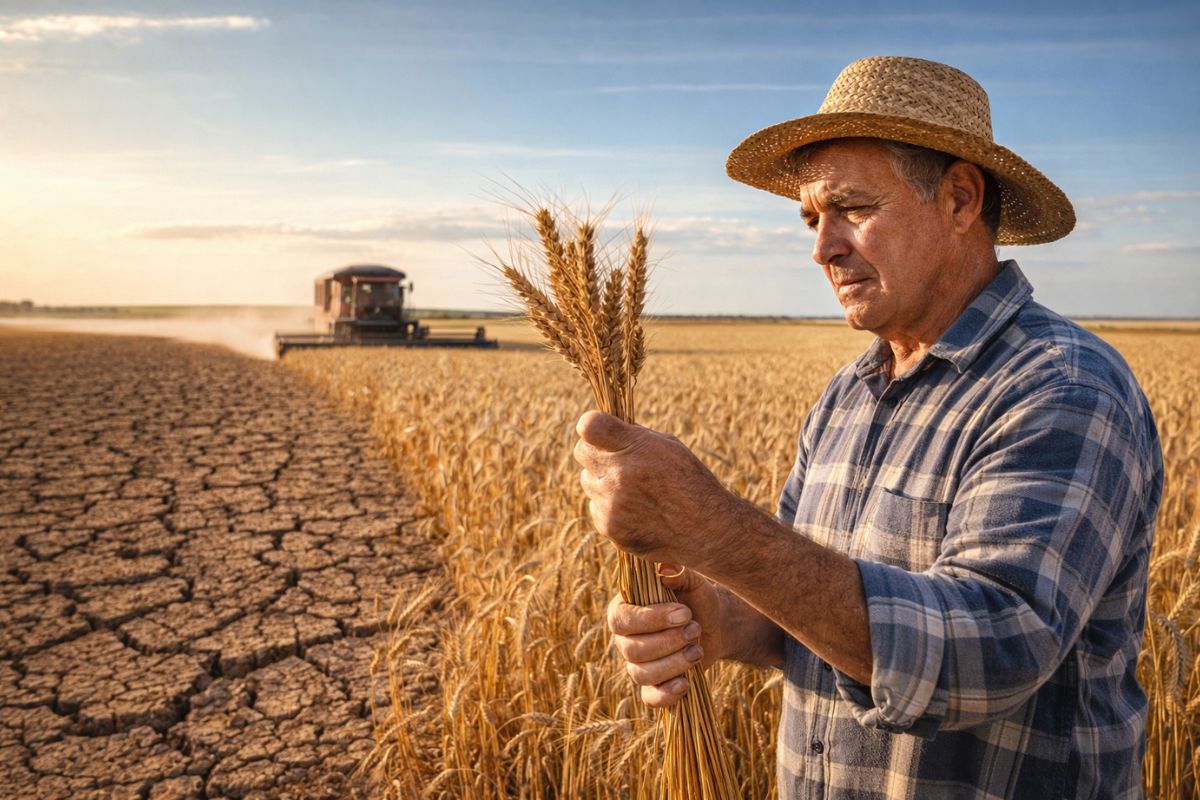
The drought of the cerrado was considered an enemy of wheat, but Brazilian scientists turned the lack of rain into a competitive advantage by creating a grain with quality that is already attracting the attention of international mills around the world.
-
THE OWNER of Brazil: a farmer who came from laundries, created an ’empire’ and today runs a company valued at R$ 42 billion after tripling its value in less than a year and receiving a billion-dollar investment from the USA.


The program combines training, technical assistance, and investments in equipment that reach rural communities directly, promoting social inclusion and sustainable territorial development.
Family Farming and Cooperativism in the Expansion of Agroecology
The strategy to strengthen family farming and agroecological cooperativism is one of the pillars of From Earth to Table.
Currently, ten civil society organizations are executing projects in over 15 states, reaching about 8 thousand farming families distributed across more than 100 Brazilian municipalities.
The data shows the social relevance of the program: 60% of participants are women and 30% are youth, who see agroecology as an economic and sustainable environmental alternative.
The secretary of Family Agriculture and Agroecology, Vanderley Ziger, emphasized that the resources are applied directly to the organizations, ensuring efficiency and transparency.
Each action generates concrete results, such as the delivery of hand tractors, silage machines, and irrigation systems, strengthening productive autonomy.
More than 1,600 technicians and agents of the agroecological transition in Brazil have been trained, expanding the territorial reach of rural technical assistance.
Among the practical examples, the OSC Chapada supports one thousand farming families, 58% led by women, and assists 300 reference units that receive productive inputs and social technologies such as biodigesters, solar systems, and agroecological backyards.
These results reinforce the role of agroecology as a driver of innovation and economic inclusion in the countryside.
Public Policies and Technological Innovation in Sustainable Agriculture
The strengthening of public policies for sustainable production and rural innovation is a differential that has ensured the expansion of the program.
The From Earth to Table program integrates traditional knowledge with modern technologies, encouraging ecological soil management practices and biodiversity conservation.
Among the entities benefited, the Arca Network for Agroecology and Food Security of the Cerrado (ARCA/GO) stands out, having structured family units in 14 agroecological territories, benefiting 1,566 families with equipment such as 102 hand tractors, 470 bio-input kits, and 200 solar pumps.
In the Northeast, the Alternative Technology Service (SERTA/PE) delivered more than 700 pieces of equipment to 1,843 farmers, focusing on rural youth.
The Vianei Center for Popular Education (SC) completed 156 registrations of family units, distributed agricultural machines and four thousand native tree seedlings, and trained 436 people in good agroecological practices.
These actions exemplify how the agroecological transition in Brazil is associated with technological innovation, environmental sustainability, and food security, articulating public policies that directly promote the autonomy of producer communities.
Financial Incentives and Territorial Expansion of Brazilian Agroecology
The expansion of financial support and sustainable productive inclusion represents the new stage of public policy.
Based on the results of the first edition, the MDA announced, in 2025, the launch of a new phase of From Earth to Table.
The number of participating entities increased from 10 to 45, with a total investment of R$ 160 million, an increase of over 300% compared to the previous phase.
The goal is to expand the territorial presence of agroecology and strengthen local food supply and security networks.
The Minas Gerais Association of Family Agricultural Schools (AMEFA), for example, distributed 80 thousand fruit seedlings and 325 irrigation kits to 14 organizations, benefiting 1,083 farmers.
The National Union of Family Agriculture Cooperatives and Solidarity Economy (Unicafes Nacional) implemented 23 bio-input production units, 20 grocery stores, and delivered 22 hand tractors, strengthening cooperativism and the economic sustainability of the families involved.
These deliveries highlight the social and environmental impact generated by the agroecological transition in Brazil, connecting direct promotion policies to innovation and the protagonism of rural communities.
The Acariquara Institute, operating in Amazonas and Roraima, also integrates this expansion, benefiting 40 organizations and 1,600 producers with training and distribution of agricultural tools adapted to the Amazonian reality.
With measurable results, the From Earth to Table program symbolizes a new model of public policy in the Brazilian countryside, decentralized, participatory, and environmentally responsible.
The MDA’s action reinforces the commitment to those who produce healthy food, generate local income, and contribute to the conservation of ecosystems.
With each new phase, the country takes another firm step towards the consolidation of the agroecological transition in Brazil, which unites technical knowledge, cultural diversity, and economic sustainability.








Seja o primeiro a reagir!