





 English
  Francês
  Alemão
  Italiano
  Japonês
  Norueguês
  Portuguese
  Spanish
  4 min of reading
  11 comments


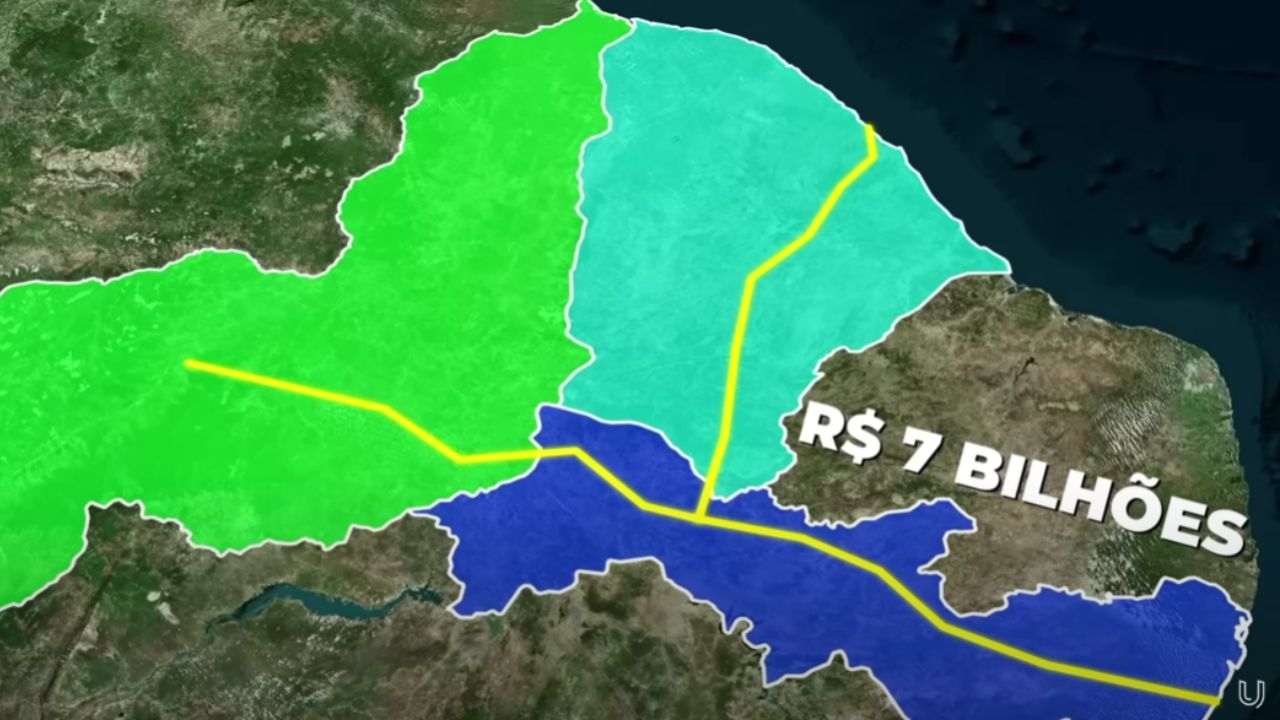


The Billion-Dollar Project That Is About to Transform Cargo Transportation in Brazil!
With 1,753 km in length, the largest railway under construction in Brazil promises to change the logistics of the Northeast once and for all. Connecting Pernambuco, Piauí, and Ceará to strategic ports, the project has already consumed R$ 8 billion and still needs another R$ 7 billion to be completed. But hold on! The good news is that part of it will start operating in 2025. And that’s not all: when fully completed, the railway could increase the northeastern GDP by R$ 7 billion per year and cut transportation costs by up to 30%. After so many delays and twists, it seems like it’s finally happening.
The Route of the Railway and Why It Is So Important
If there’s one thing Brazil needed, it was to improve railway transportation. And the Transnordestina is here for that. It was designed to connect Eliseu Martins in Piauí to the Port of Pecém in Ceará and the Port of Suape in Pernambuco. This connection will greatly facilitate the export of products such as grains and minerals.
The Main Sections of the Largest Railway Under Construction in Brazil

The original plan included three major sections:
-
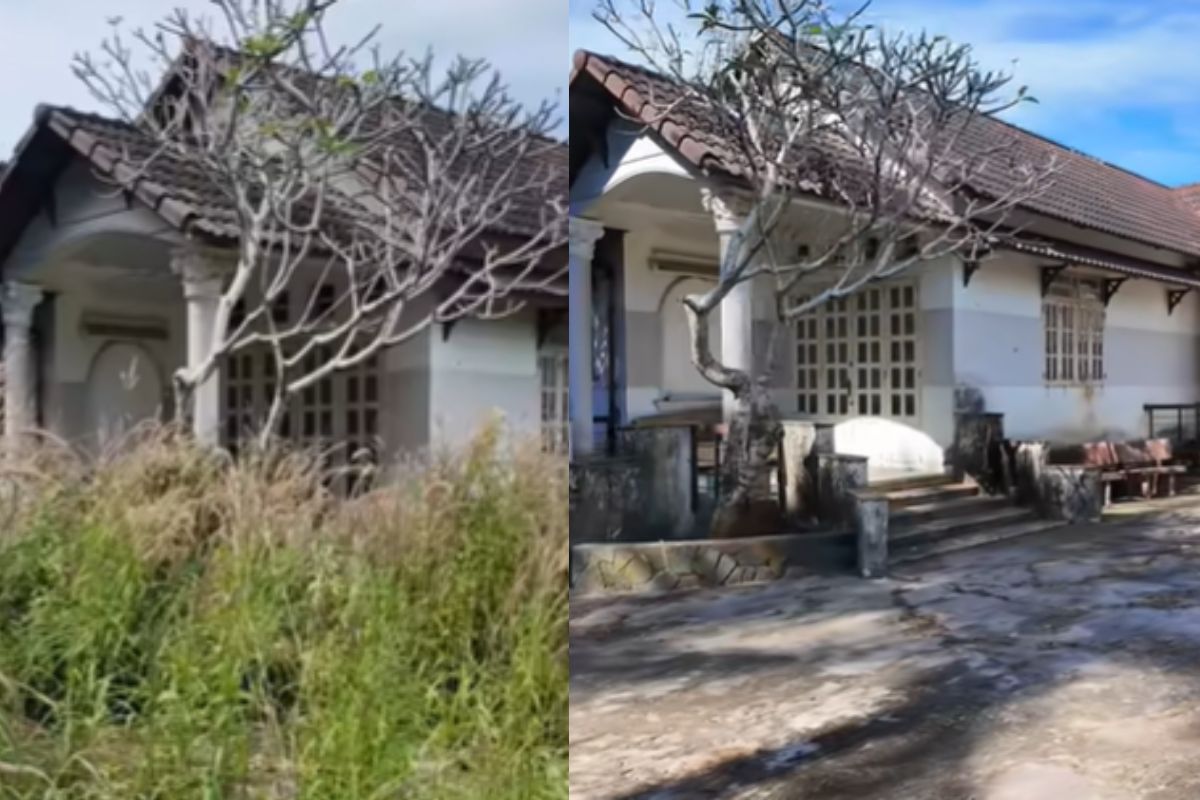
Abandoned house for 15 years disappears in the woods, shocks owner with unrecognizable scenery and is reborn in an intense transformation after almost 90 hours of work in just 10 days.
-
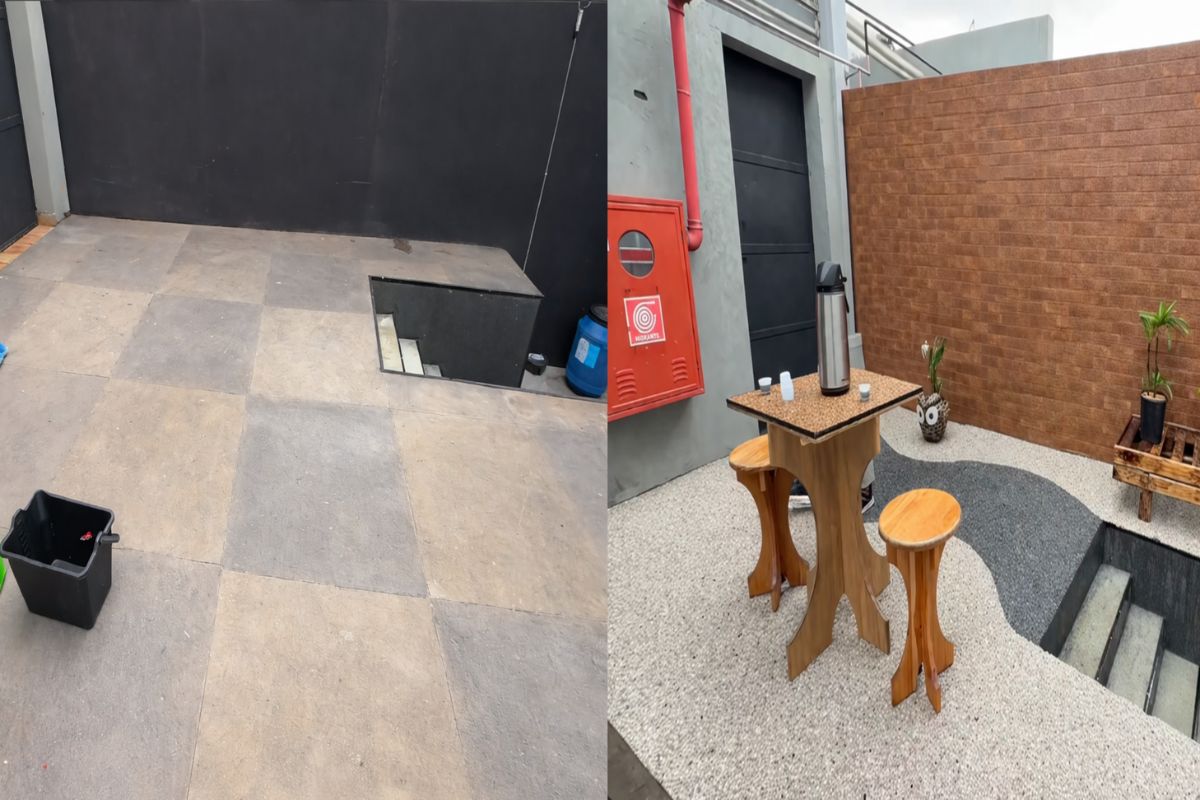
In just three hours, a natural stone floor transforms the entrance of the house with an organic effect, immediate drainage, and a sophisticated non-slip finish that doesn’t puddle water, dries quickly, and impresses with the final result.
-
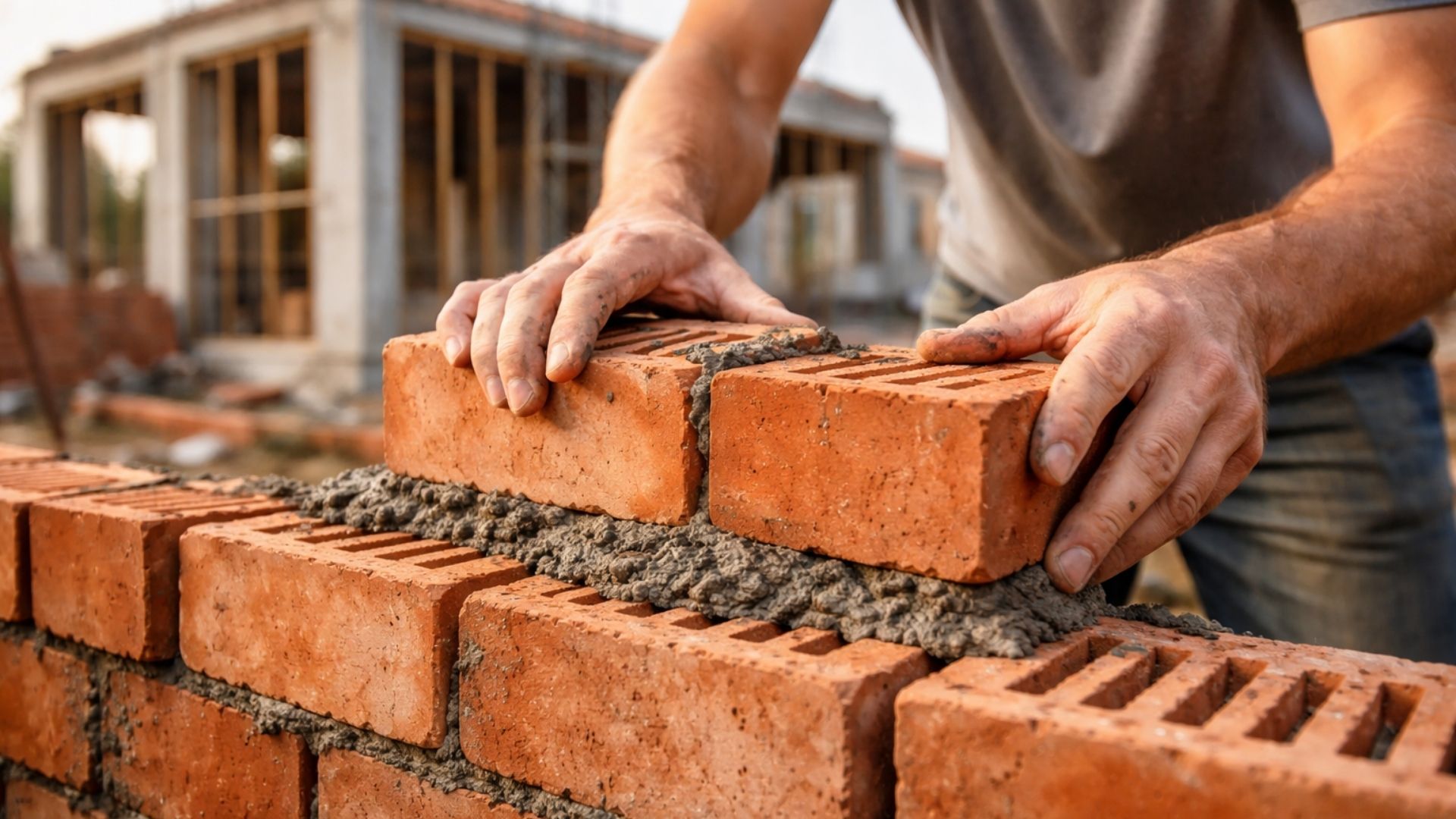
‘Interlocking brick’ made of earth arrives in the construction industry with cost reductions of up to 40% on the project.
-
Espírito Santo will receive the largest engineering project in its history with the duplication of BR 262, which will have 50 viaducts, 28 bridges, and 2-kilometer tunnels cutting through the most challenging mountainous region of the entire state.
- Pecém – Salgueiro (665 km)
- Salgueiro – Eliseu Martins (587 km)
- Salgueiro – Suape (544 km)
But, as always, there was a restructuring. In 2022, the company responsible for the project decided to focus on the Pecém – Eliseu Martins section, reducing the railway to 1,209 km. The Salgueiro – Suape section was handed over to the federal government and included in the New PAC, with a promise of resumption soon.
The Transnordestina will facilitate the transport of heavy cargo with a mixed gauge (wide and standard), which ensures greater capacity and compatibility with other railways. What does this mean? Lower costs, more efficiency, and a more competitive Brazil in the international market. And let’s be honest, it’s about time we relied less on highways.
A Bit of History: 18 Years of Work and Many Delays
This saga began back in 2006 when then-President Lula launched the construction of the railway. The initial budget was R$ 4.5 billion, and the promise was that it would be completed by 2010. Well, I don’t even need to say that didn’t happen, right?
- 2008: The budget rose to R$ 5.4 billion, and only 6% of the railway was completed.
- 2011: New delivery forecast for 2013, but the cost had jumped to R$ 7.5 billion.
- 2017: Construction halted due to lack of resources and management issues.
- 2019: Resumed with new investments.
Now, it finally seems that the project is moving forward. The current expectation is that the section between Eliseu Martins and Pecém will be operational by 2026.
What Is Being Done Now?
The railway is receiving investments from both public and private sectors, including funds from the Northeast Development Fund (FDNE) and the Banco do Nordeste.
The construction is utilizing the latest in railway infrastructure technology:
- Aluminothermic welding, ensuring more resistant and durable rails.
- Slopes of up to 1.5% and curves with a minimum radius of 400 meters to ensure greater efficiency.
- Reinforced concrete sleepers that increase the railway’s lifespan.
If you think all of this doesn’t affect you, think again:
- More direct and indirect jobs in the construction and operation of the railway.
- Reduction in logistical costs, which can lower product prices in the market.
- More exports and more money circulating in the economy.
The Future of Transnordestina
The big bet now is the integration of Transnordestina with the North-South Railway, which is one of the main railway corridors in the country. This connection will be made through a 400 km branch between Eliseu Martins (PI) and Porto Franco (MA). Once ready, cargo transport will be much more efficient and cheaper.
Today, we rely too much on roads, and this makes everything more expensive. If Transnordestina is successful, it could reduce the Northeast’s logistical costs by up to 30%. This means more competitive products in the international market and a significant relief for producers and exporters.









Acredito que, futuramente, a Ferrovia Transnordestina, será interligada com a Estrada de Ferro Carajás (EFC), que já se encontra interligada com a Ferrovia Norte-Sul.
Muito Fizeram para que essa Obra Não Saísse do Papel, Muitos Tentaram Atrapalhar e Fizeram este Atraso todo Acontecer, outros Tantos Complicaram e Desvirtuaram o seu Objetivo. Tudo isso só porque era para o Crescimento do Nordeste(inclusive gente da Região, uma vergonha).
Parabéns Lula! Só vc tem investido no Nordeste.