





 Portuguese
  English
  Spanish
  3 min of reading


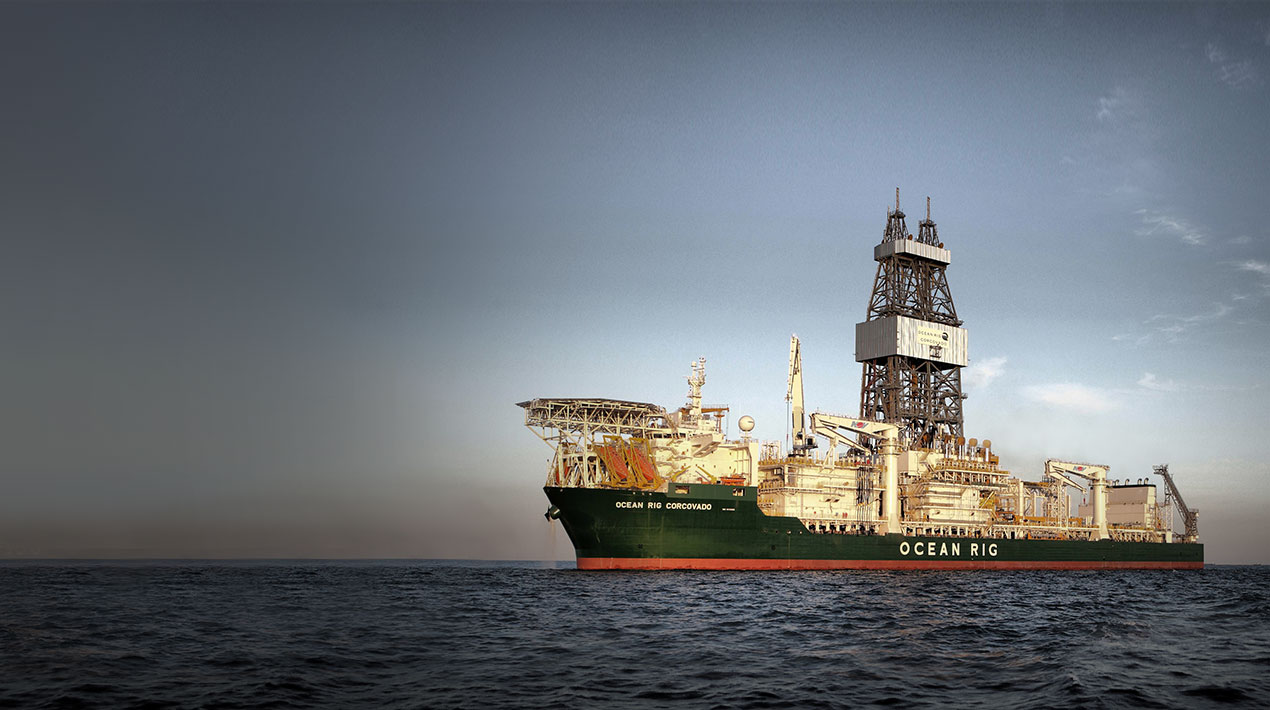
The Company’s New Contracts Ensure Expansion in Its Portfolio, With Over US$ 1.6 Billion Being Added in No Time. The Chartering of the Drilling Rigs Will Also Bring More Visibility to Transocean’s Offshore Operations.
The international offshore market is increasingly growing, thus seeking new support services for the exploration and production of fuels. Taking advantage of this moment, Transocean has a series of new contracts across the globe. These agreements involve the chartering of its drilling rigs for fuel production in new wells. The company adds over US$ 1.6 billion to its contract portfolio with the agreements recently acquired.
Transocean’s Total Order Book Reaches R$ 7.3 Billion After Closing New Offshore Drilling Rig Charter Contracts
The multinational well drilling company Transocean is now experiencing a great moment for its growth in the global market.
The company’s total order book reached R$ 7.3 billion in recent months, as a result of the addition of over R$ 1.6 billion in new contracts signed around the world.
-
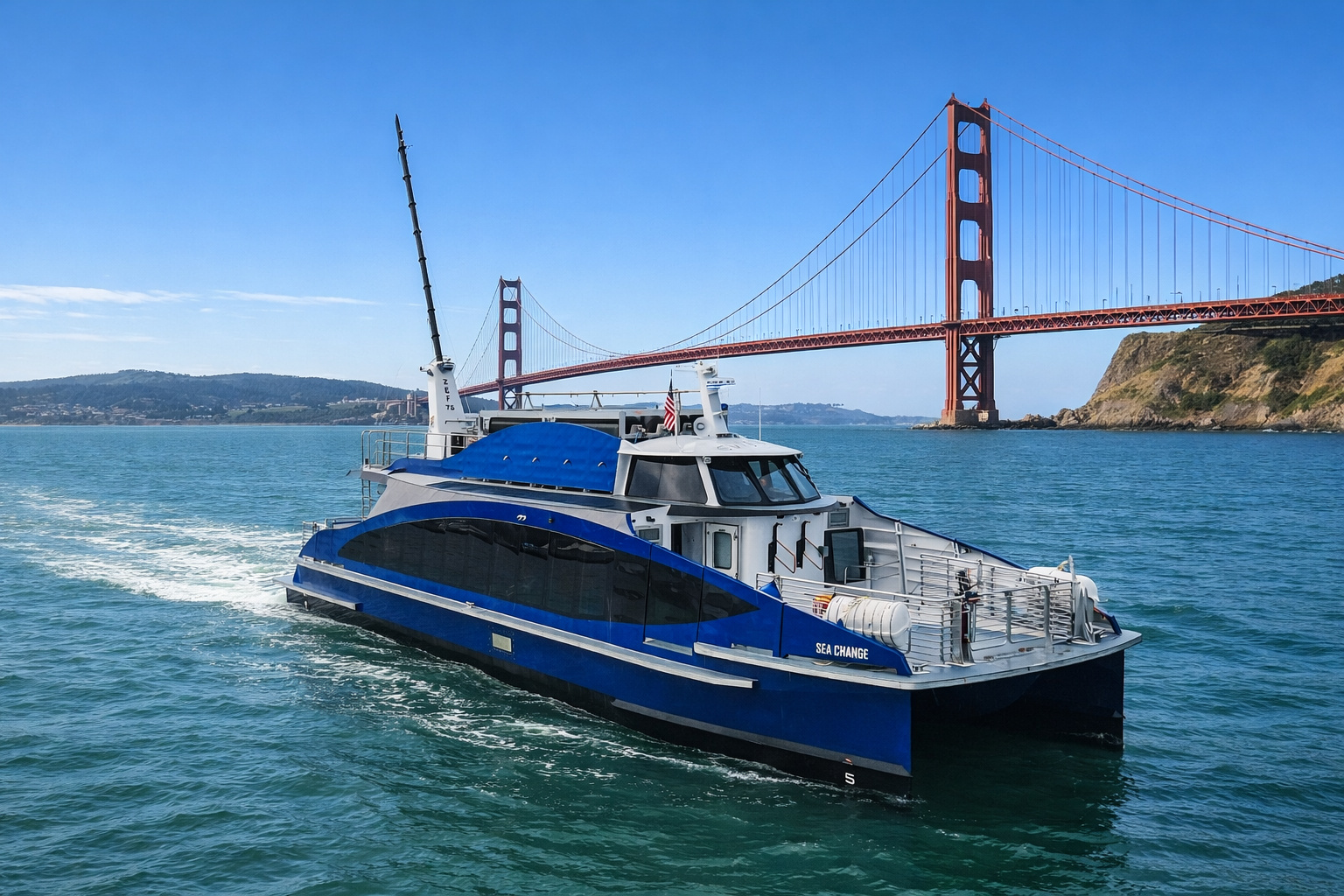
The first commercial hydrogen-powered ferry enters operation in the U.S., eliminates the use of diesel, uses fuel cells to generate clean energy on board, and transforms San Francisco Bay into a landmark of the new era of emission-free navigation.
-
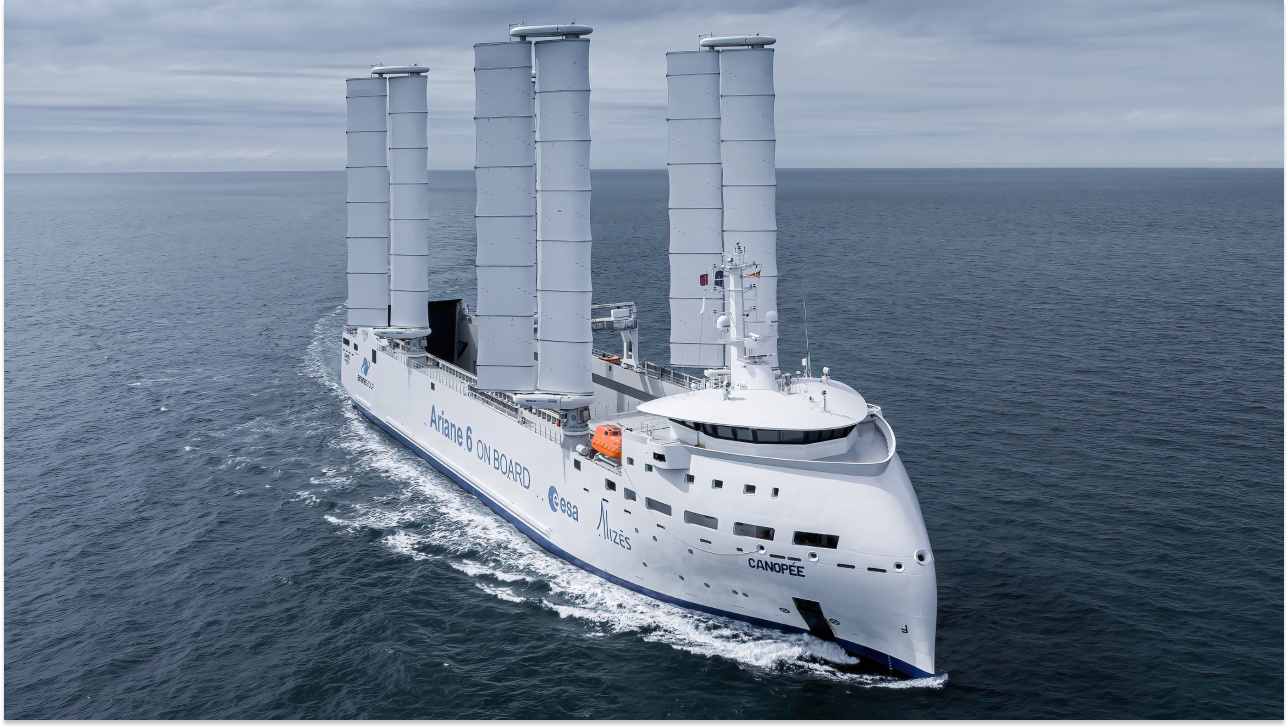
With a length of 121 meters and four rigid sails of 36 meters that automatically rotate to capture the wind, Canopée is the world’s first hybrid industrial cargo ship powered by wind, used to transport rockets and reduce fuel consumption by up to 30% on transoceanic routes.
-
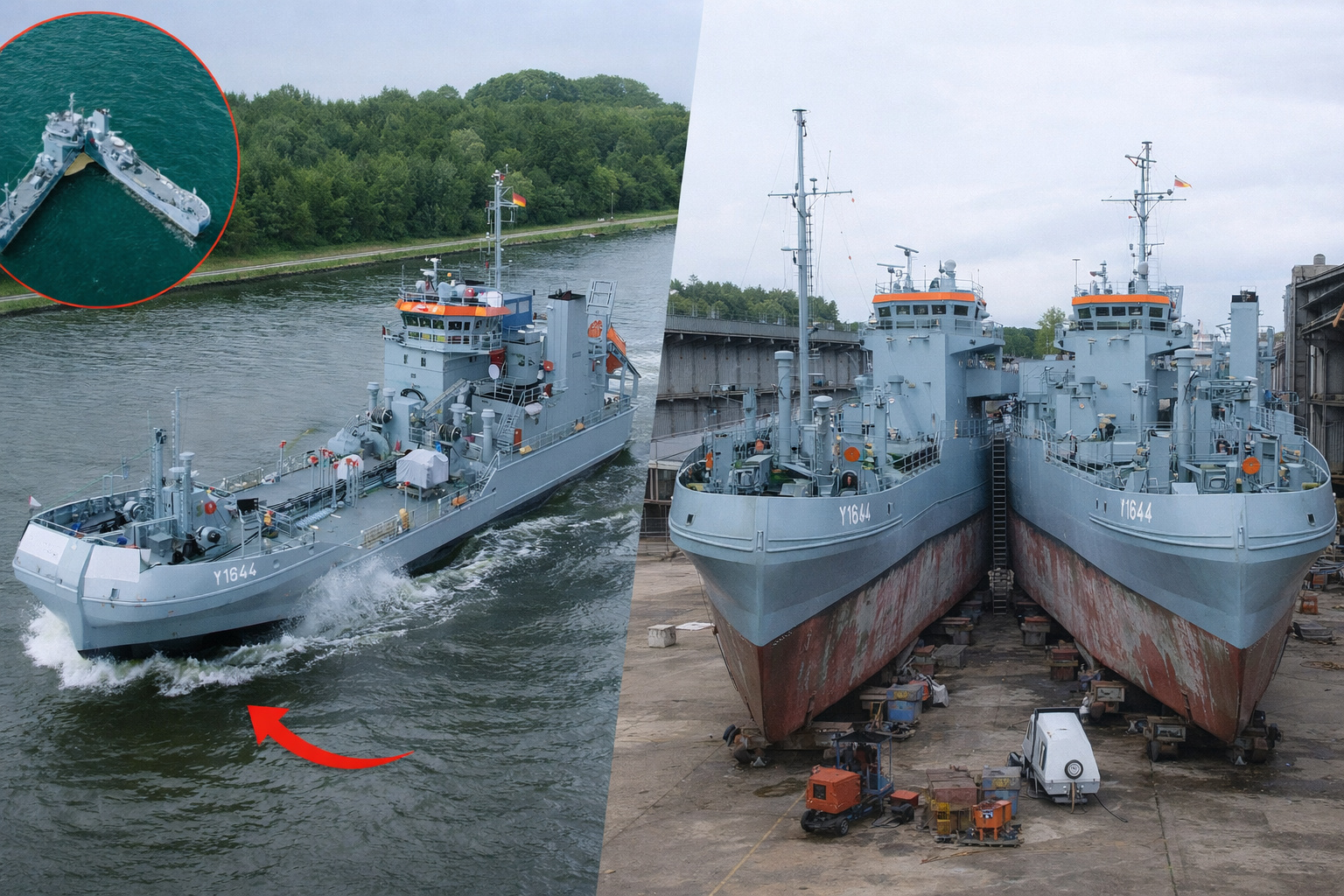
The German ship Bottsand splits its hull in two halves in the middle of the ocean to swallow spilled oil on the surface, separating the oil from the water inside a 790 cubic meter tank and then closing again. It is the only ship in the world factory-designed to split in half as part of normal operations, and the crew of six people who operate everything is civilian.
-
With almost 70 meters in width at the stern and a shape resembling a “giant slice of cheese,” the Ramform Titan tows up to 24 seismic cables to sweep the ocean floor in 3D and reveal oil reserves hidden beneath kilometers of sediment.
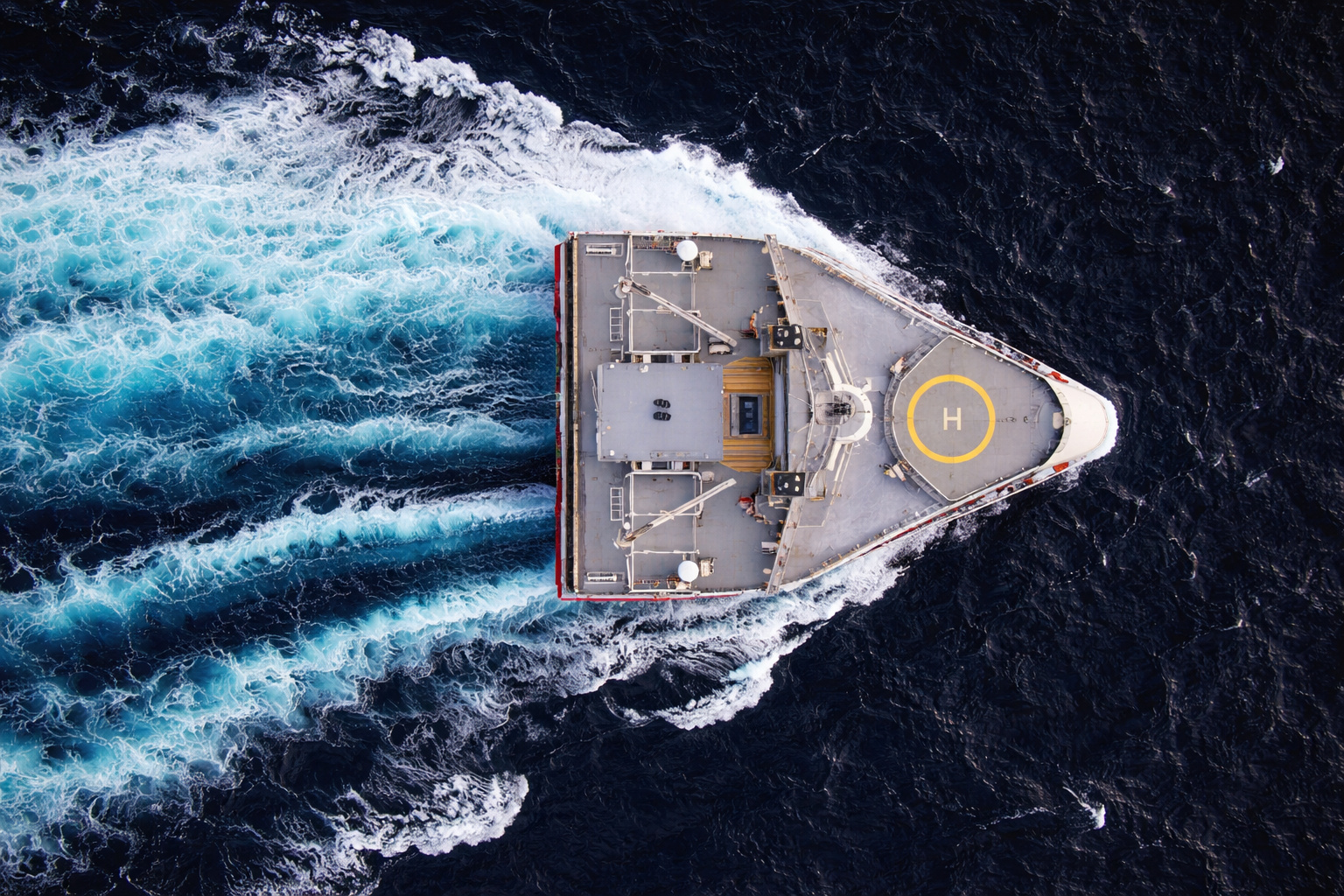

The agreements involve the chartering of drilling rigs in the following regions: U.S. Gulf of Mexico, Brazil, Suriname, Norway, India, and the United Kingdom.
The Petrobrás 10000 rig was one of those that had a new agreement signed. The company contracted with the oil company, with an initial daily rate of US$ 399 thousand, reaching US$ 462 thousand per day in the last ten months, to continue the rig’s operations.
The Deepwater Conqueror, one of Transocean’s main offshore drilling rigs, was contracted in the U.S. Gulf of Mexico at a daily rate of over US$ 440 thousand.
The vessel is being chartered by Chevron, but the contracts will end in February next year. However, it has not yet been disclosed which company will use the rig for the next two years.
The Deepwater Asgard rig secured a contract for a well for Murphy Oil Corporation in the U.S. Gulf of Mexico at a rate of US$ 395 thousand per day. The contract period begins in November 2022 and ends in January 2023.
The daily rate of US$ 440 thousand further ensures profitability for the company’s contract portfolio in the coming years.
Check Out the Other Offshore Drilling Rigs That Were Chartered Along With the Company in the New Contracts
Among the other offshore drilling rigs from Transocean, the Development Driller III received a contract for a well in Suriname for US$ 345 thousand per day.
The deal was signed with the oil company TotalEnergies and will last only a few months, starting in January 2023 and ending around March of the same year.
The Transocean Norge was contracted by Wintershall DEA and OMV for a campaign of 17 wells in Norway with daily rates ranging from US$ 347 thousand to US$ 430 thousand.
Other contracts include one with the offshore company Reliance Industries, which exercised its option for a well for the Dhirubhai Deepwater KG1 at US$ 330 thousand per day.
Finally, the last drilling rig charter contract was made with the Transocean Spitsbergen, contracted by Equinor.
The daily rate will be US$ 316,000 and the company will charter the vessel until March 2025.







Seja o primeiro a reagir!