





 Portuguese
  English
  Spanish
  4 min of reading


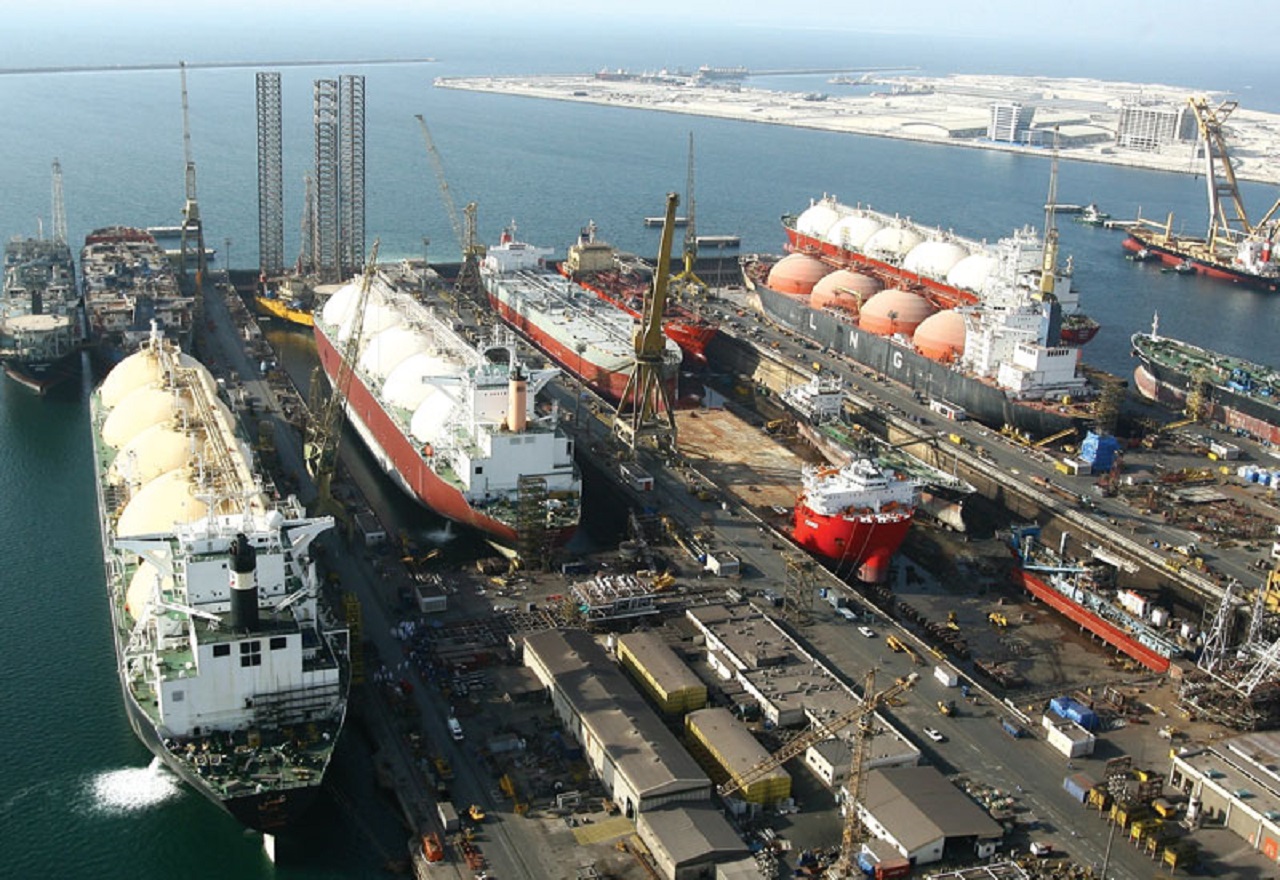
Bacci Is Convinced That Brazilian Shipyards Already Have the Competence to Resume Shipbuilding, Although Investments in Upgrading and Training the Workforce Are Necessary.
The new president of Transpetro, Sérgio Bacci, recently discussed in Brasília with the Federal Court of Accounts (TCU) and the Office of the Comptroller General (CGU) the possibility of shipyards involved in Operation Car Wash returning to the bids of Petrobras’ subsidiary. Bacci believes that the changes in the country over the past few years have contributed to building solid governance to avoid future problems in contracts.
Among the shipyards in question are EAS, Enseada, Sinergy, Ecovix, QGI, Vard Promar, Mauá, Jurong, and Keppel. The CGU has shown willingness to find solutions that allow these shipyards to return to shipbuilding. Bacci Believes That National Shipyards Already Have the Capacity to Resume Construction, although investments in modernization and workforce training are necessary.
Green Fleet and Financing from the Merchant Marine Fund
Transpetro aims to build a “green fleet” of ships with carbon emission reduction technologies. The idea is for new projects to be financed by the Merchant Marine Fund (FMM), with BNDES participating in the discussions of the working group. The proposal follows the guidelines presented by BNDES in a hearing before the Chamber of Deputies, which addressed the use of environmental criteria to finance vessels for oil and gas.
-
Historic bankruptcy of Centauro shocks the market, and the century-old company puts more than 500,000 products, machines, and complete infrastructure up for online auction.

-
New shoe factory in Ceará is expected to create 400 jobs and strengthen the local economy.
-
No one imagined it, but a mixture of sawdust with a mineral that fights fires surprises scientists with a result that changes the course of fire-resistant construction.

-
From empty land to a high-end house, wooden construction uses a lightweight system, metal structure for the foundation, ventilated ceramic cladding, and special windows to create an efficient and comfortable living space throughout the year.

Bacci rules out the possibility of resuming the former Transpetro Fleet Modernization and Expansion Program (Promef), but emphasizes the importance of continuity in shipbuilding projects. The expectation is that shipbuilding will be included in the priority infrastructure works program announced by the government.
Local Content and Diversification of Clients
The president of Transpetro confirmed that increasing the obligations for national contracting will be on the government’s agenda. This matter is to be discussed within the National Energy Policy Council (CNPE), with the possible adoption of different minimum indices for each type of ship and a gradual increase in national contracting requirements over the years.
Transpetro is responsible for transporting oil and derivatives and has 26 of its own ships in operation, with an average age of eight years. Although Petrobras remains the main client, Bacci sees the fleet’s expansion as an opportunity to make vessels available to third parties. “We have several operators in Brazil that need ships,” he stated.
Furthermore, Bacci stressed the importance of building relief vessels under the national flag to avoid geopolitical problems in unloading oil. With the prospect of privatization ruled out, Transpetro plans to launch new competitions for hiring employees this year. The intention is also to increase diversity within the company and raise the number of women in management positions.
New Investments and Workforce Training
The president of Transpetro acknowledges that new investments will be needed to modernize industrial plants and train the naval workforce. “I am confident that we will have projects in several states,” he said. These investments are crucial to ensure the competitiveness of national shipyards and the resumption of shipbuilding in the country.
Workforce training involves not only technical training but also awareness of the importance of sustainability and commitment to the environment. With the creation of the green fleet, Transpetro hopes to become a reference in the oil and gas sector, contributing to the reduction of carbon emissions and the advancement of sustainable practices.
Challenges and Future Perspectives
Although national shipyards face significant challenges in resuming shipbuilding, Transpetro, along with the TCU, CGU, and the federal government, seeks viable solutions to overcome adversities and allow these shipyards to return to bidding. The resumption of shipbuilding in Brazil is essential to boost the economy and generate qualified jobs in the country.
The ongoing discussions with the TCU, CGU, and CNPE regarding national contracting, financing, and local content demonstrate the commitment of the authorities and Transpetro to revitalize the Brazilian shipbuilding industry. The creation of a green fleet and the investment in sustainability, alongside the modernization of shipyards and workforce training, are measures that can ensure a promising future for the sector in the country.
With the resumption of shipbuilding and client diversification, Transpetro hopes to strengthen its market position and contribute to the sustainable growth of the Brazilian shipbuilding industry. By facing challenges and seeking innovative solutions, the company demonstrates its commitment to the development of the sector and the preservation of the environment, ensuring a greener and more sustainable future for Brazil.








Seja o primeiro a reagir!