





 Portuguese
  English
  Spanish
  4 min of reading
  3 comments


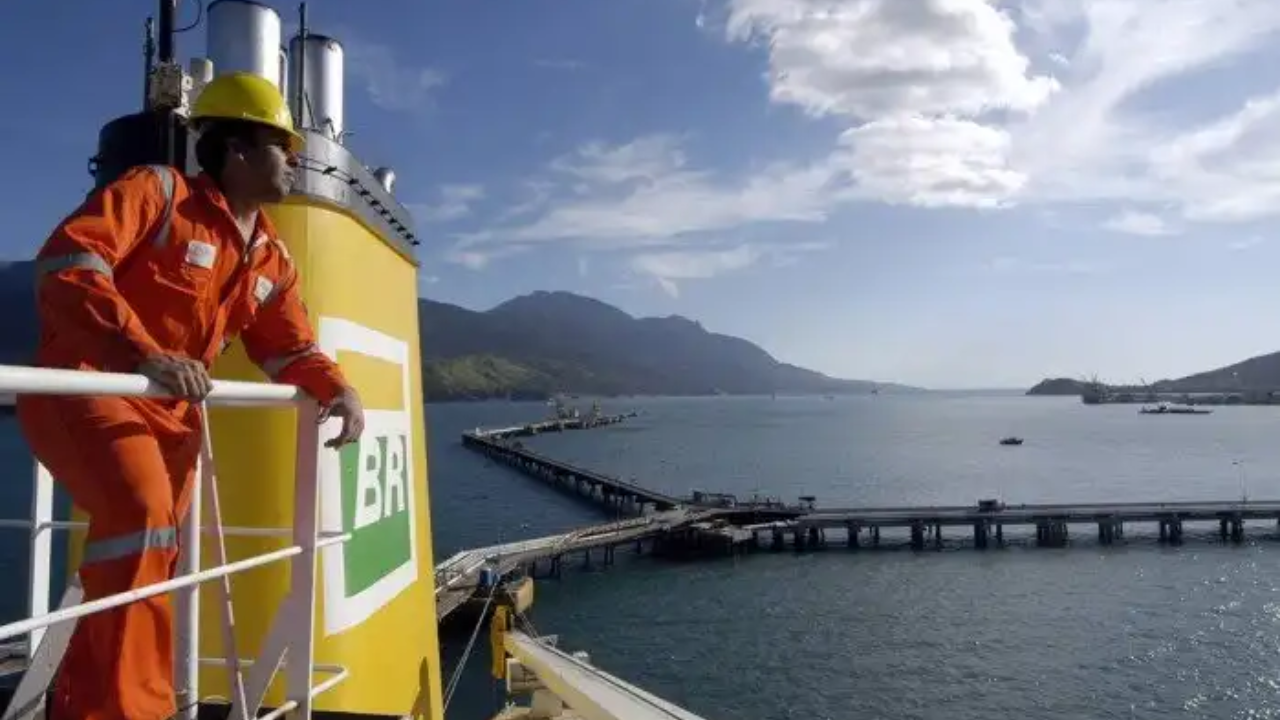


Decision Creates Frustration Among Brazilian Shipyards That Expected Local Construction of Vessels, Promising Modernization and Efficiency
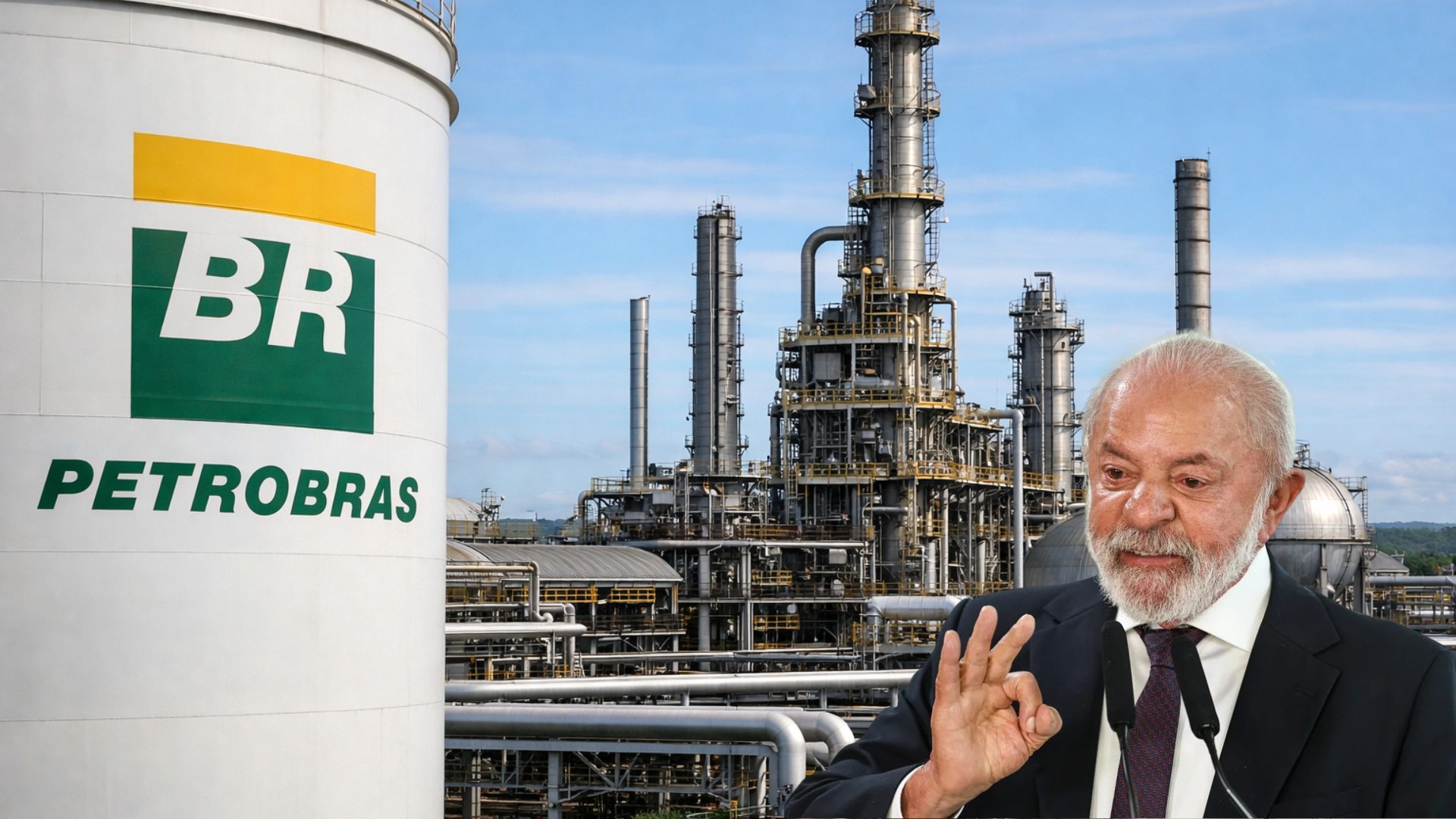
Transpetro, a subsidiary of Petrobras, announced the contracting of nine vessels with dynamic positioning of the Suezmax DP2 class, which will have a significant impact on the shipbuilding industry in South Korea. This decision, however, generated frustration among Brazilian shipyards, which expected the construction of these vessels on national soil, especially after promises made by President Lula to revive the sector.
Details of the Vessel Contracting
The new vessels, which will double the relief capacity of the Petrobras System platforms from 700,000 tons deadweight (DWT) to 1.35 million DWT by 2028, were acquired through an international market inquiry conducted by TIBV, Transpetro’s Dutch subsidiary.
The competition featured 22 competitors, with the Tsakos group as the winner.
-
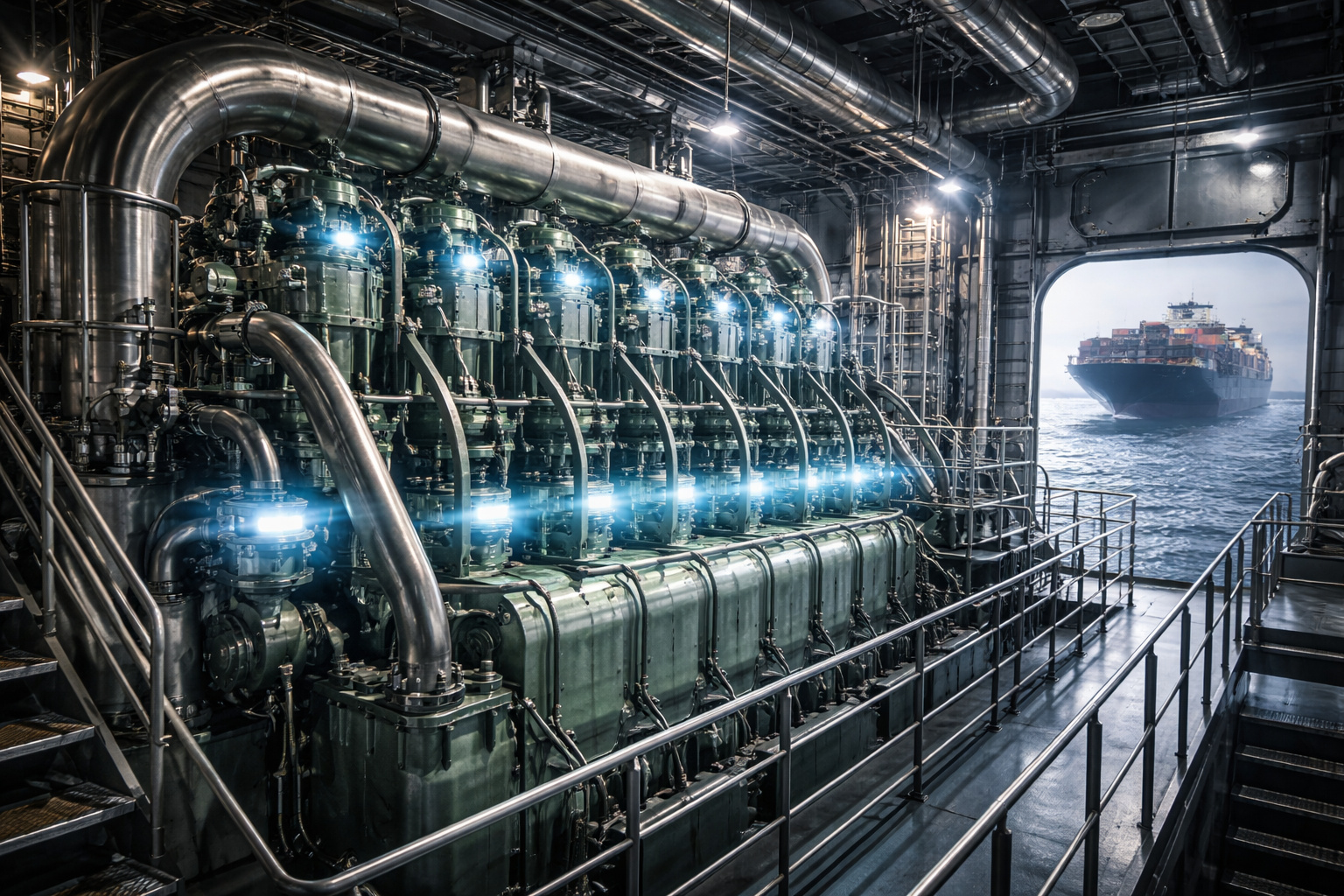
Europe is trying to create an ammonia-powered marine engine without auxiliary fuel, which could unlock the race for giant emission-free ships. The technology aims to eliminate one of the biggest obstacles to clean maritime propulsion.
-
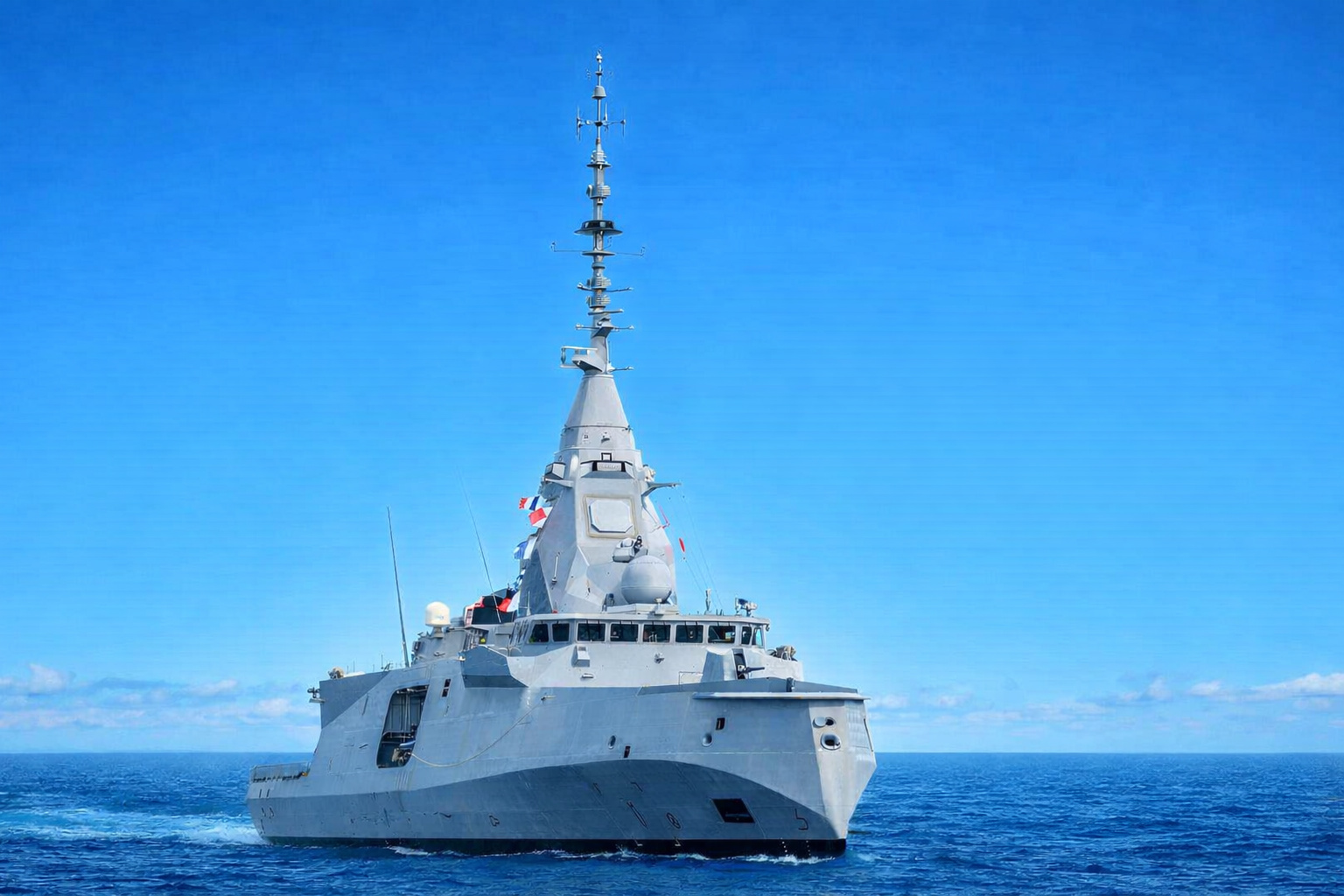
A 4,500-ton frigate with just over 100 crew members, state-of-the-art radar, and cruise missiles is being touted as the new standard of naval warfare in the 21st century.
-
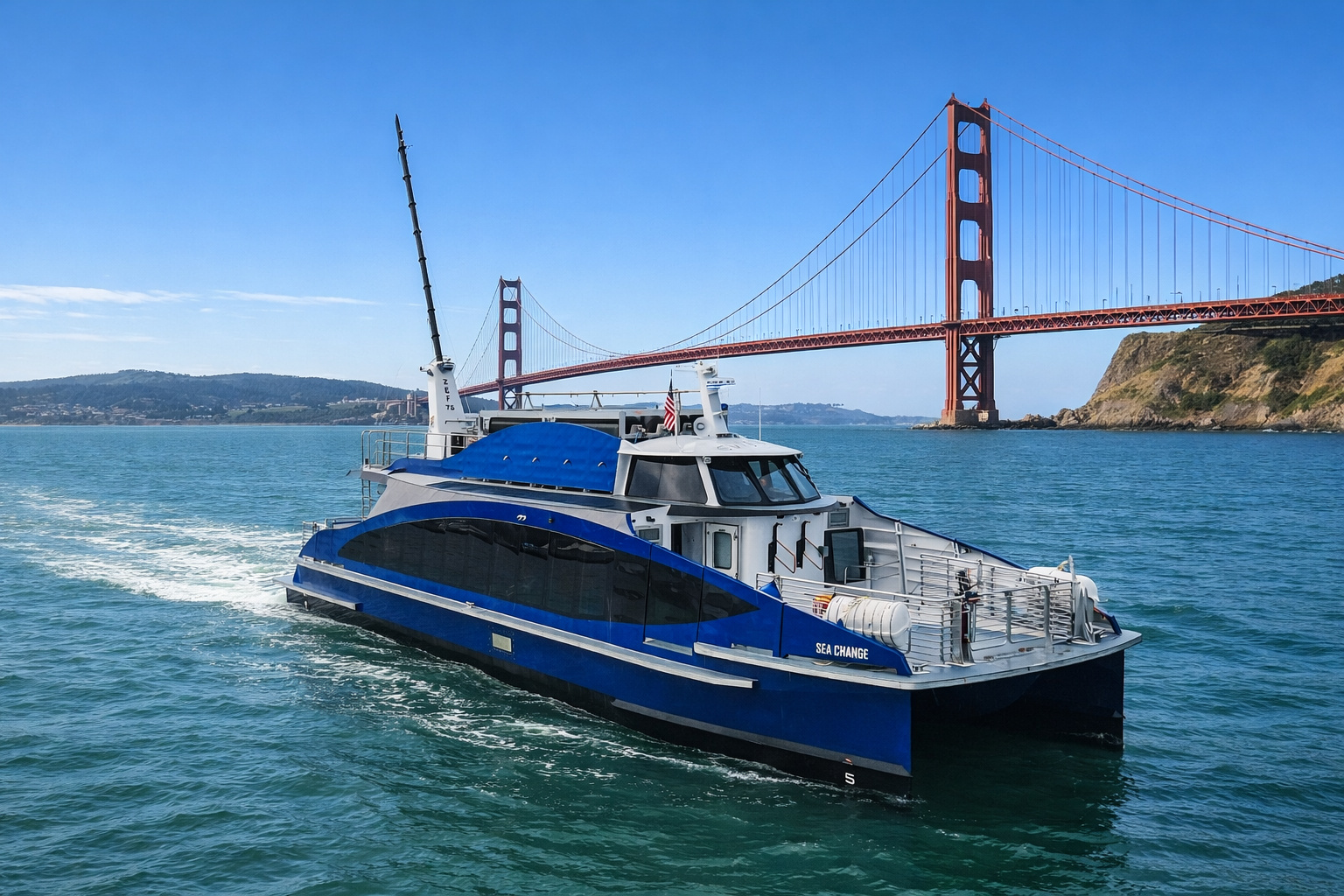
The first commercial hydrogen-powered ferry enters operation in the U.S., eliminates the use of diesel, uses fuel cells to generate clean energy on board, and transforms San Francisco Bay into a landmark of the new era of emission-free navigation.
-
Lula reveals a masterstroke by Petrobras to undo a deal made by Bolsonaro, which involves the return of an important refinery that currently produces less than half of what was expected and makes Brazil dependent on international diesel.

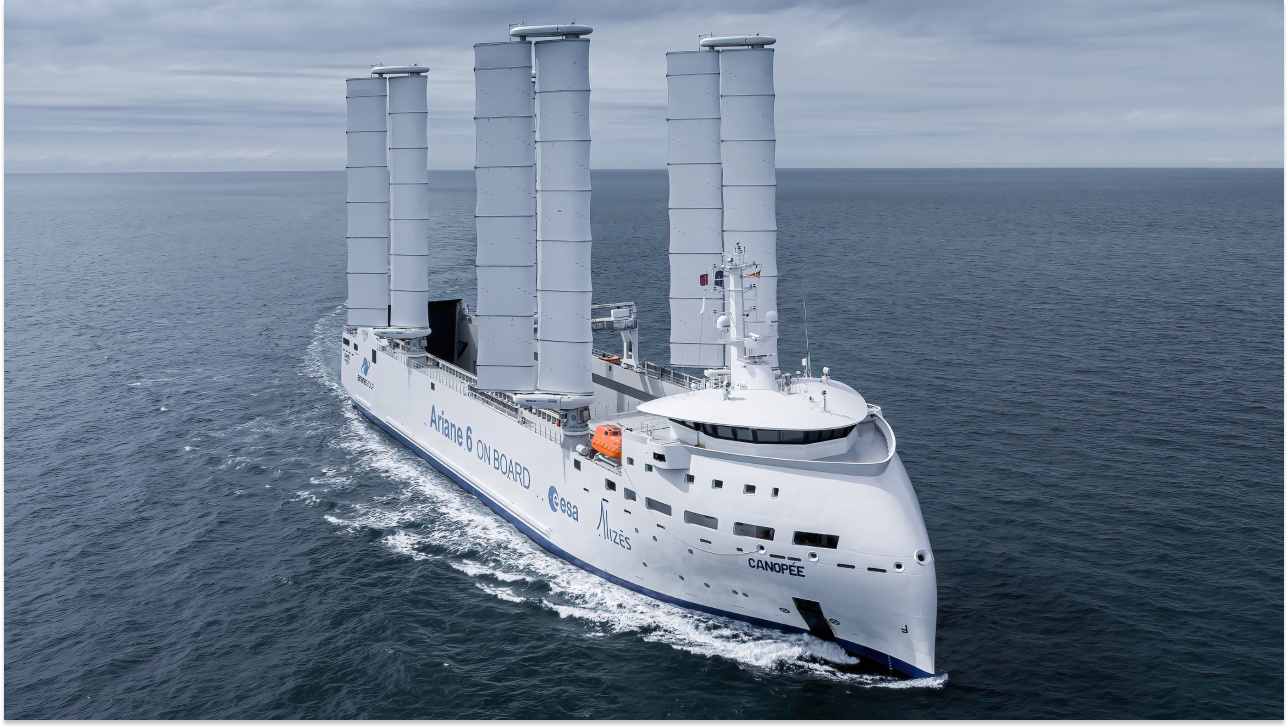
Each vessel will have 150,000 tons deadweight and will be built at the Samsung shipyard in South Korea.
The contract value is estimated at US$ 2 billion for the nine vessels, with a bareboat charter scheme that extends for 15 years.
Innovations and Benefits of the New Vessels
The Suezmax vessels of the DP2 class are part of a new generation of vessels that feature greater energy efficiency and lower greenhouse gas emissions.
According to Transpetro, the new vessels will include low NOx emission engines (Tier III), a bow loading system (BLS), preparation for alternative fuels such as methanol and ethanol, as well as connection to shore power at electrified terminals.
These technological advances may reduce pollutant gas emissions by up to 30%, aligning with the International Maritime Organization (IMO) guidelines and reinforcing Transpetro’s commitment to the decarbonization of its operations.
Frustration in the Brazilian Shipbuilding Industry
Transpetro’s choice to opt for shipyards in South Korea left Brazilian shipyards disappointed. Transpetro’s president, Sergio Bacci, a former director of Sinaval, who is knowledgeable about the sector’s difficulties, did not make the contracting announcement.
Instead, it was the Director of Maritime Transport, Jones Soares, who shared the news.
The lack of opportunities for Brazilian shipyards in projects of this magnitude raises questions about the development of the shipbuilding industry domestically and the modernization capability of local shipyards.
Historically, the Brazilian shipbuilding industry was once a robust sector, with active shipyards and a skilled workforce.
However, the economic crisis and the challenges faced in recent years have resulted in reduced investments and loss of competitiveness compared to shipyards in other countries, such as South Korea and China.
Transpetro’s decision to build the new vessels abroad may be seen as a reflection of the urgent need to revitalize the Brazilian shipbuilding industry.
Other Investments by Transpetro
Despite contracting the vessels in South Korea, Transpetro has demonstrated a commitment to expanding its logistics capacity.
In February 2023, the company signed a contract for the acquisition of four Handy class vessels, to be built in Brazil by the Rio Grande (RS) and Mac Laren (RJ) shipyards.
This initiative, along with the recent international public tender launched for the acquisition of eight LNG carriers with capacities ranging from 7,000 to 14,000 cubic meters, demonstrates an attempt to balance the need for modernization with support for the local industry.
Additionally, Transpetro announced plans to increase its cabotage logistics capacity by 25% by 2030.
This ambitious goal reflects the intention to expand the transportation capacity of products and supplies, contributing to the growth of the oil and gas sector in Brazil.
The Future of the Brazilian Shipbuilding Industry with Transpetro
Transpetro’s decision to build nine vessels in South Korea raises questions about the future of the Brazilian shipbuilding industry.
For Brazil to compete on a global level, it is essential that there is investment in the modernization and training of local shipyards.
While the Brazilian Navy reaps benefits from international partnerships, such as the acquisition of submarines and frigates from France and Germany, Transpetro could also explore opportunities for learning and development with the national shipbuilding industry.
A possible path to revitalize the local shipbuilding industry would be the implementation of policies to encourage shipbuilding in Brazil, including subsidies, financing, and public-private partnerships.
These measures could help recover the competitiveness of Brazilian shipyards and create an environment conducive to innovation and modernization in the sector.
Challenges and Opportunities for the Shipbuilding Industry
The contracting of nine Suezmax vessels by Transpetro represents an important step for the modernization of its fleet, but at the same time highlights the need for revitalization of the Brazilian shipbuilding industry.
The choice to build these vessels in South Korea generates frustration and underscores the importance of dialogue between Transpetro, the government, and national shipyards to promote growth and innovation in the sector.
The future of the shipbuilding industry in Brazil depends on strategies that encourage local construction and workforce training, ensuring sustainable and competitive development.
The dilemma faced by Transpetro reflects a broader challenge that the Brazilian industry needs to confront: how to balance modernization and operational efficiency with strengthening the national industrial base.
Only through strategic planning and effective collaboration among all stakeholders will it be possible to ensure a prosperous and sustainable future for Brazil’s shipbuilding industry.
SOURCE: PETRONOTÍCIAS








Talvez essa decisão da TRANSPETRO precise do AVAL do PRESIDENTE LULA,
se for dessa forma SEM ESTÍMULO ao nosso SETOR NAVAL,
NÃO terá o AVAL do PRESIDENTE LULA
Boa tarde, são essas noticias que deixar o brasileiro desapontado. Atualmente, os estaleiros no Brasil, estão ociosos. Aqui na bahia, precisamente, na cidade de maragogipe, o estaleiro está entregue as moscas. Um grande dɛ desempregados vive a expectativa de reabertura dessa estaleiro. Um absurdo essa decisão. Se fosse outro governo, já estariam reclamando em todo o brasil. Faz o L
Esse Lula é um fanfarrão. Ninguem mais acredita em uma palavra que esse descondenado diz.