





 English
  Francês
  Alemão
  Italiano
  Japonês
  Norueguês
  Portuguese
  Spanish
  3 min of reading
  0 comments



A High-Speed Journey That Promises to Change the Way to Connect Rio de Janeiro and São Paulo.
A milestone in Brazilian urban mobility is about to be reached: the high-speed train project linking Rio de Janeiro to São Paulo is expected to be completed this year. The initiative, led by TAV Brasil, is a symbol of innovation and sustainability in public transport, aiming to start operations by 2032.
In a country that has dreamed for decades of implementing a high-speed train system, the Rio-SP Bullet Train project emerges as a glimpse into the future. Managed by a private company with authorization from the Federal Government, the project not only highlights public-private partnership but also emphasizes the independence of the venture from the state budget.
Green Financing for the Rio-SP Bullet Train


With an eye on the future, TAV Brasil seeks to raise funds through the green market. The goal is to enable the project in the carbon market, attracting investments from funds focused on sustainable initiatives. A strategy that reflects the growing global concern for the environment and sustainability.
-
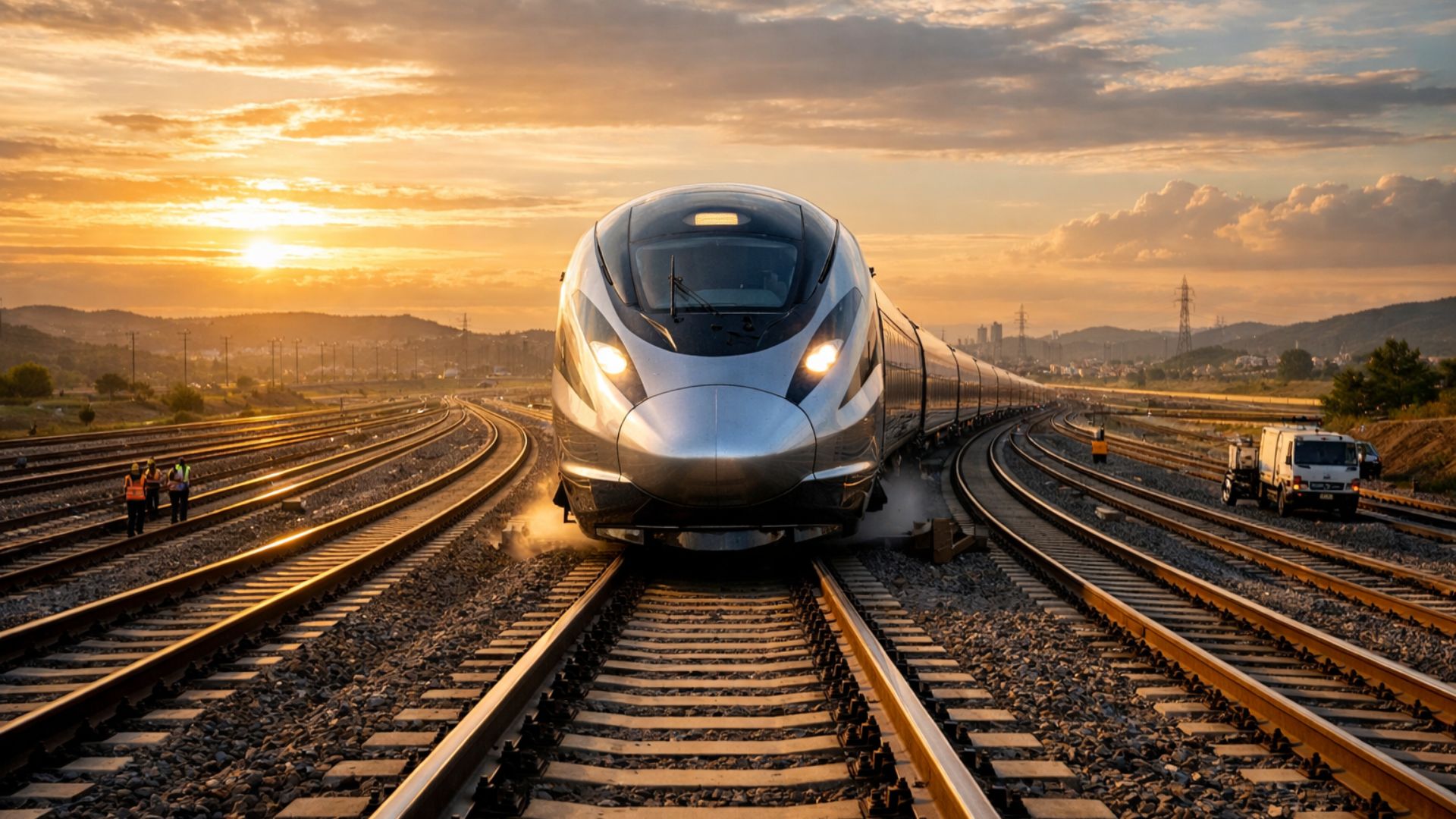
São Paulo surprises the world with a colossal railway network project that promises over 1,000 km of tracks, R$ 194 billion in investments, and 40 projects connecting the capital to the interior with fast and sustainable trains.
-
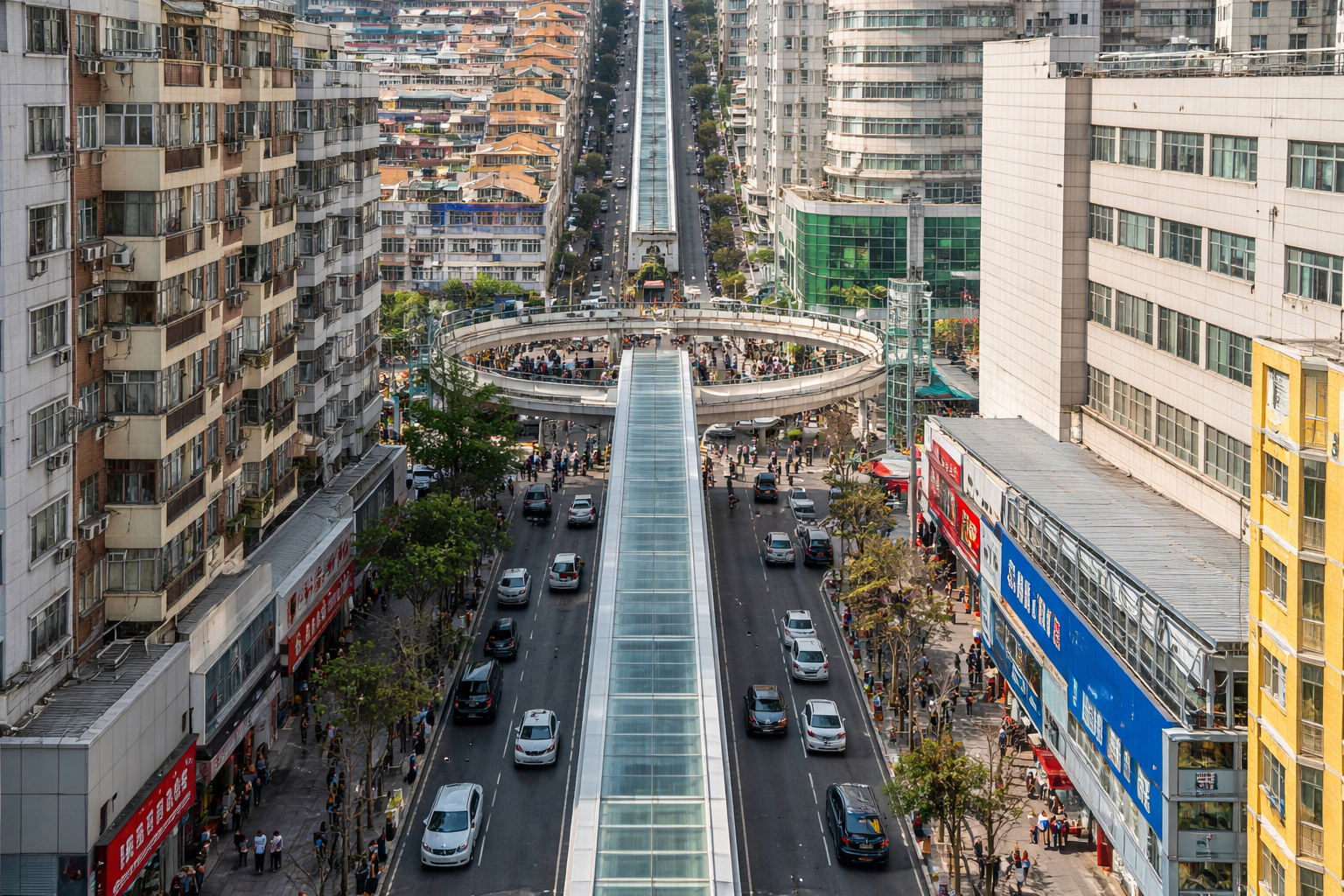
The world’s largest escalator, measuring 905 meters in China, reduces urban travel time from 1 hour to about 20 minutes and transforms mobility in mountainous regions with an engineering solution adapted to the terrain.
-
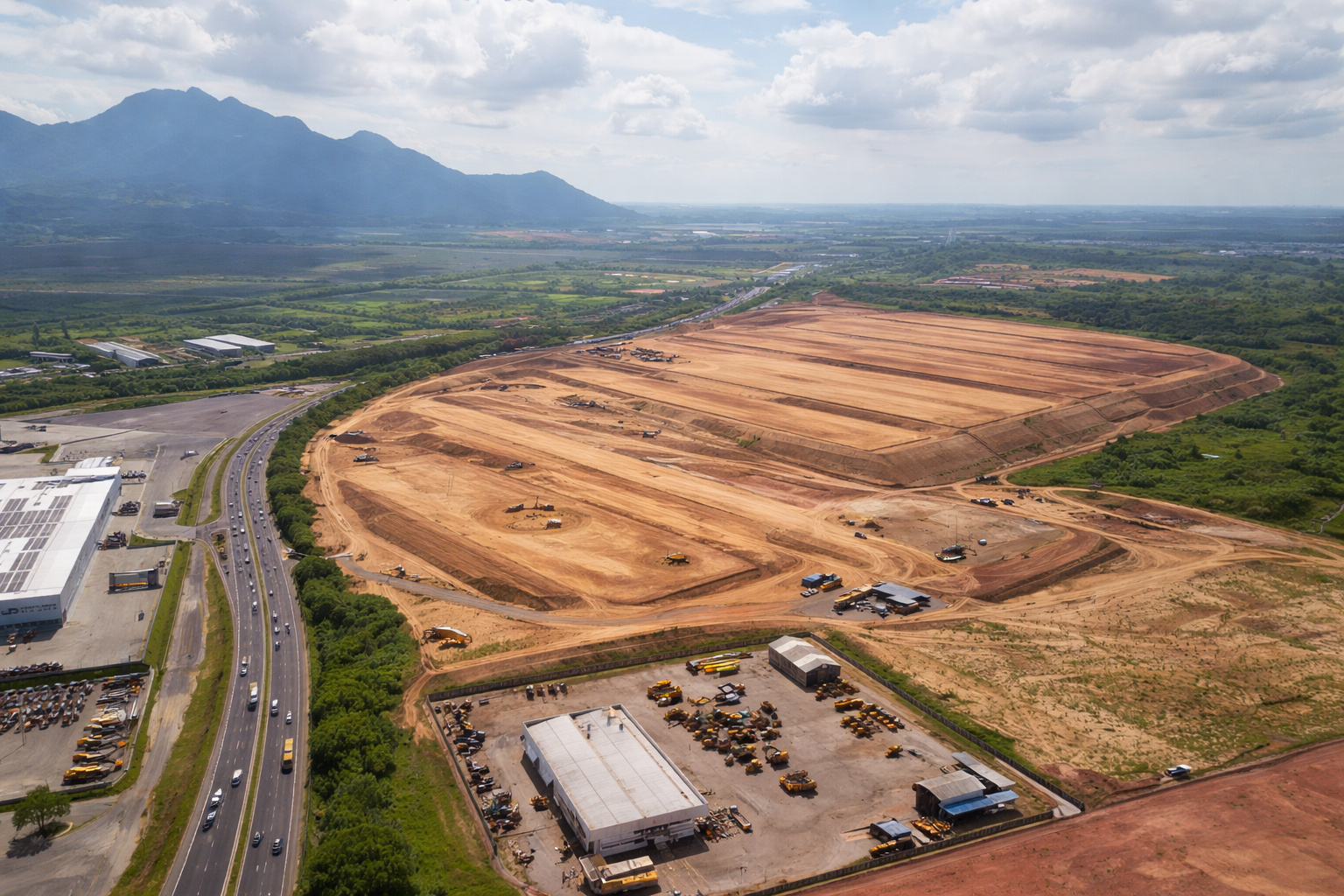
A R$ 300 million logistics giant is taking shape in Serra with over 100,000 m² and raises a question: how can this transform e-commerce and distribution in the state?
-
Could Uber Rides Lose Minimum Fare? Understand What’s Happening!


Structure and Logistics
The high-speed train is expected to have four strategic stations: two in the capitals Rio de Janeiro and São Paulo, one in São José dos Campos (SP), and another in Volta Redonda (RJ). With an estimated budget of 50 billion reais, the project aims to offer a fast and efficient alternative to the saturated air bridge between the two cities.
The implementation of a high-speed system is viewed with optimism by many, given the potential solution it represents for the urban mobility challenges between Brazil’s two largest cities. Although there is skepticism due to previous unfulfilled promises, the expectation is that the bullet train will bring significant benefits, alleviating the saturation in existing transport modes and promoting a more sustainable and efficient connection.
As Brazil prepares to take a giant leap in its transport infrastructure, the bullet train between Rio de Janeiro and São Paulo symbolizes more than just a simple connection between two points; it represents a journey toward a more integrated, sustainable, and dynamic future. With the promise of revolutionizing urban mobility, all eyes are on the development and realization of this bold project.
About the Rio-SP Bullet Train
The saga of the RJ-SP bullet train is marked by a series of expectations and twists. The idea, while ambitious, faced various obstacles that hindered its materialization. Since its conception, the proposal to connect Rio de Janeiro and São Paulo via a high-speed train has been met with great enthusiasm from the public and urban mobility experts mobility urban. However, the path to realizing this project has been anything but straightforward.
In past decades, the possibility of traveling between the two metropolises on a high-speed train seemed within reach. Various governments outlined plans and promised progress, but the initiatives never advanced beyond the planning phase. The biggest obstacle has always been the realization of a viable business model that would attract private investments without overburdening public finances.
In 2013, the scenario finally seemed to change. The federal government, in an effort to revitalize the project, launched a tender for the construction and operation of the bullet train, with a promise of delivery by 2020. The initiative represented a new era for transport in Brazil, with the potential to transform the connection between Rio de Janeiro and São Paulo into a fast, comfortable, and efficient journey.









Seja o primeiro a reagir!