





 Portuguese
  English
  Spanish
  2 min of reading
  0 comments


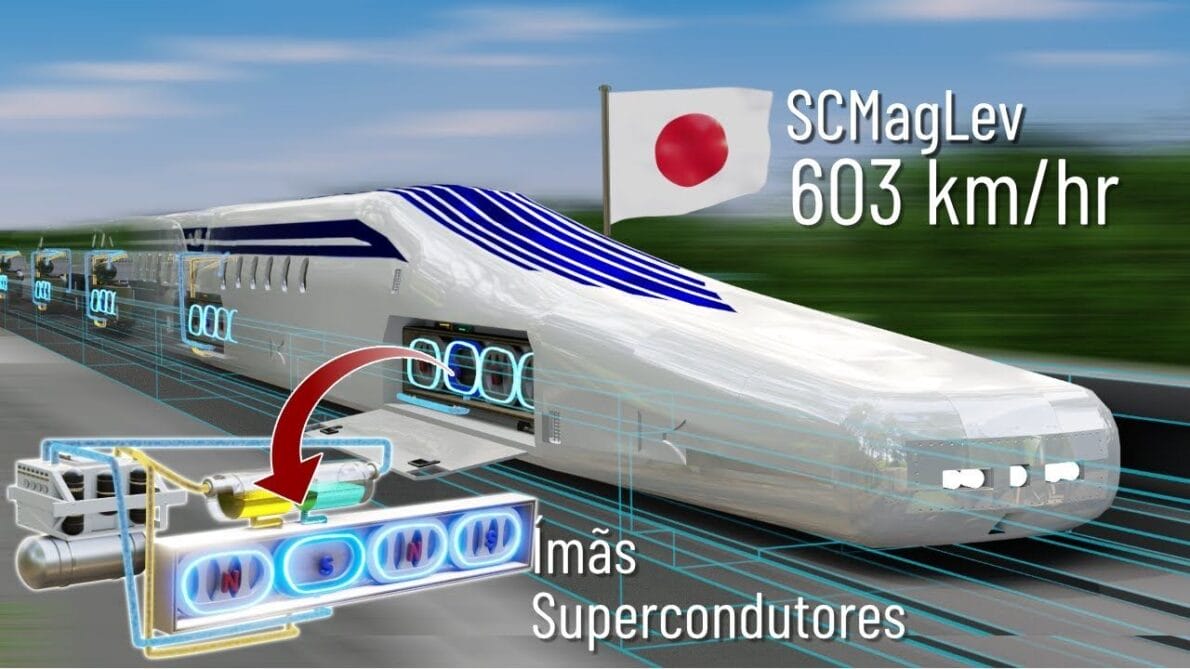
The Amazing Magnetic Levitation Technology That Allows The Japanese Maglev Train To Reach 600 Km/H.
Buried deep within the Japanese mountains, there is a 43-kilometer stretch that is part of the world’s first Maglev train intercity line, connecting Tokyo and Osaka. With the power of superconducting magnets, these trains float above the tracks without any physical contact, meaning less wear and the ability to operate in any weather conditions.
How Does The Maglev Train Work?
The secret lies in magnetic levitation. There are two main methods: pulling the train up using attractive forces or pushing it using repulsive forces. Japan opted for the latter, creating a passively stable system — ideal for an earthquake-prone region.
Superconducting magnets onboard the train interact with coils installed on the tracks. As the train moves, these coils experience a variable magnetic field, generating a force that levitates the train 10 centimeters above the tracks. However, this levitation only occurs when the train reaches speeds above 100 km/h; until then, it uses wheels that retract when magnetic levitation comes into action.
-
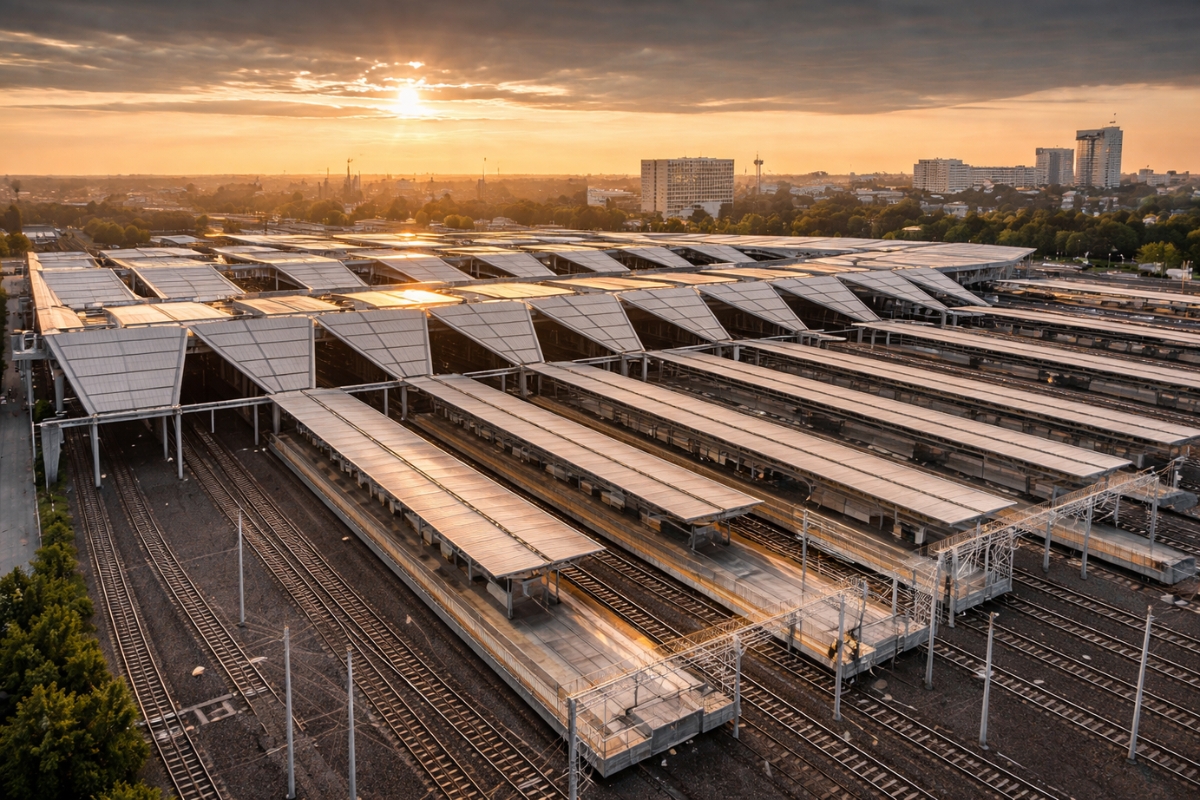
In A European City, The Country’s Largest Railway Junction Was Modernized Without Closing Its Doors, Kept Trains Running During Years Of Construction, Now Serves Up To 60,000 Passengers Per Day, And Installed Solar Panels That Generate About 30% Of Its Energy
-
Famous Brazilian Railway May Become a Parking Lot

-
The Country of “Punctual As a Train” Admits It Has Lost Control: High-Speed Trains Delay, Stop, Disappear from the Map and Turn 6-Hour Trips into 10, While Deutsche Bahn Promises Restructuring in 2026 But Faces 19th Century Infrastructure, Staff Shortages and Sections Closed for Months

-
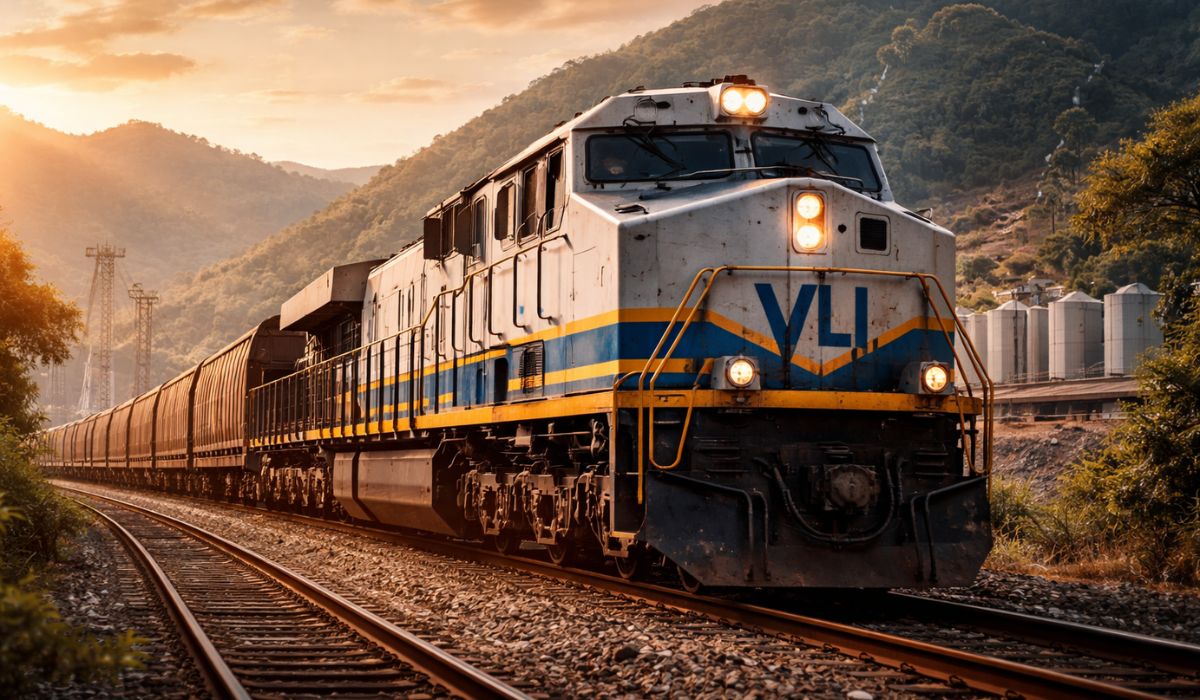
With an Investment of R$ 700 Million in One of the Country’s Main Rail Networks, VLI Reinforces Infrastructure, Receives 8 New Locomotives, and Expands the Corridor Connecting 7 States, Boosting Jobs and the Transportation of Grains, Ore, and Oil Products to the Port of Santos

And How Does It Accelerate Without Touching The Tracks?
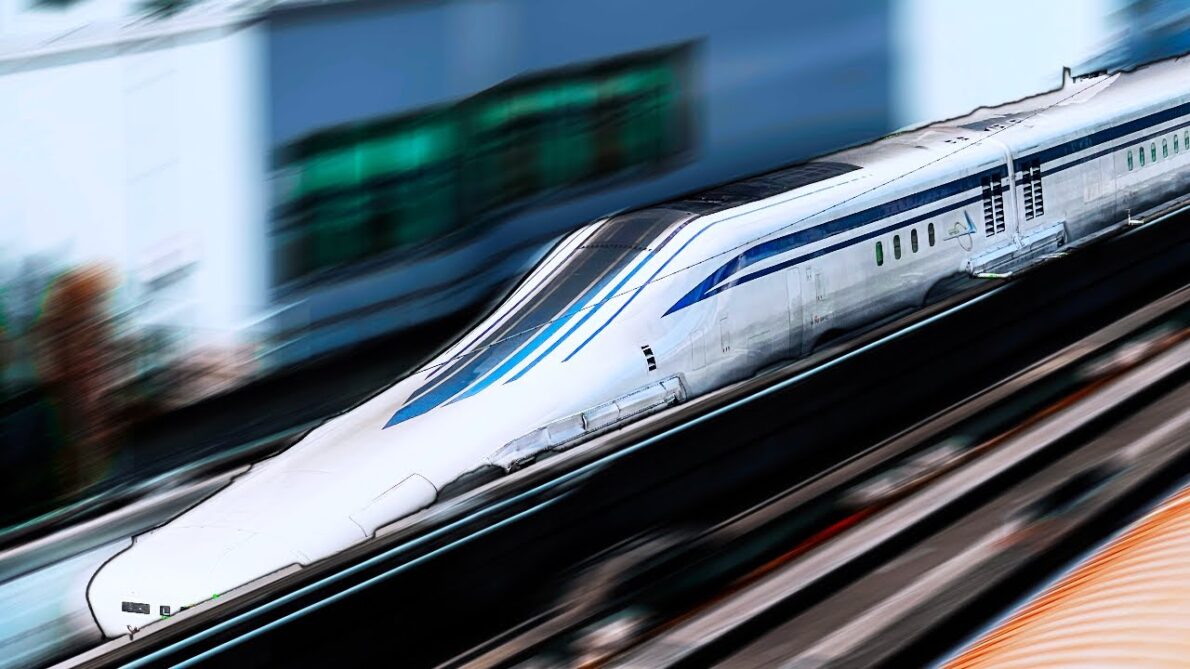
Instead of conventional motors, the Maglev train uses linear motors. Coils on the tracks are energized in sequence, creating magnetic fields that attract and repel the train’s magnets, propelling it forward. To brake, the process is reversed, and the system can even recover energy during deceleration.
Challenges And Achievements
One of the major challenges was containing the magnetic fields so they wouldn’t affect passengers. Engineers developed special shields that reduce the magnetic field inside the cabin to safe levels, similar to the Earth’s natural magnetic field.
Additionally, the construction is a monumental undertaking. About 86% of the route between Tokyo and Nagoya will be in tunnels, which increases costs and complexity. But the benefits are enormous: reduced travel time, lower environmental impact compared to airplanes, and significant technological advancement.
The Future Of Transportation?
Despite economic challenges, Japan is determined to lead this revolution in railway transportation. The Maglev train is not just an engineering feat, but a vision of what the future may offer us.
Will this incredible technology of the Maglev train spread across the world and change the way we travel? Share your thoughts in the comments!










-

-

-

4 pessoas reagiram a isso.