





 Portuguese
  English
  Spanish
 4 min of reading
  21 comments


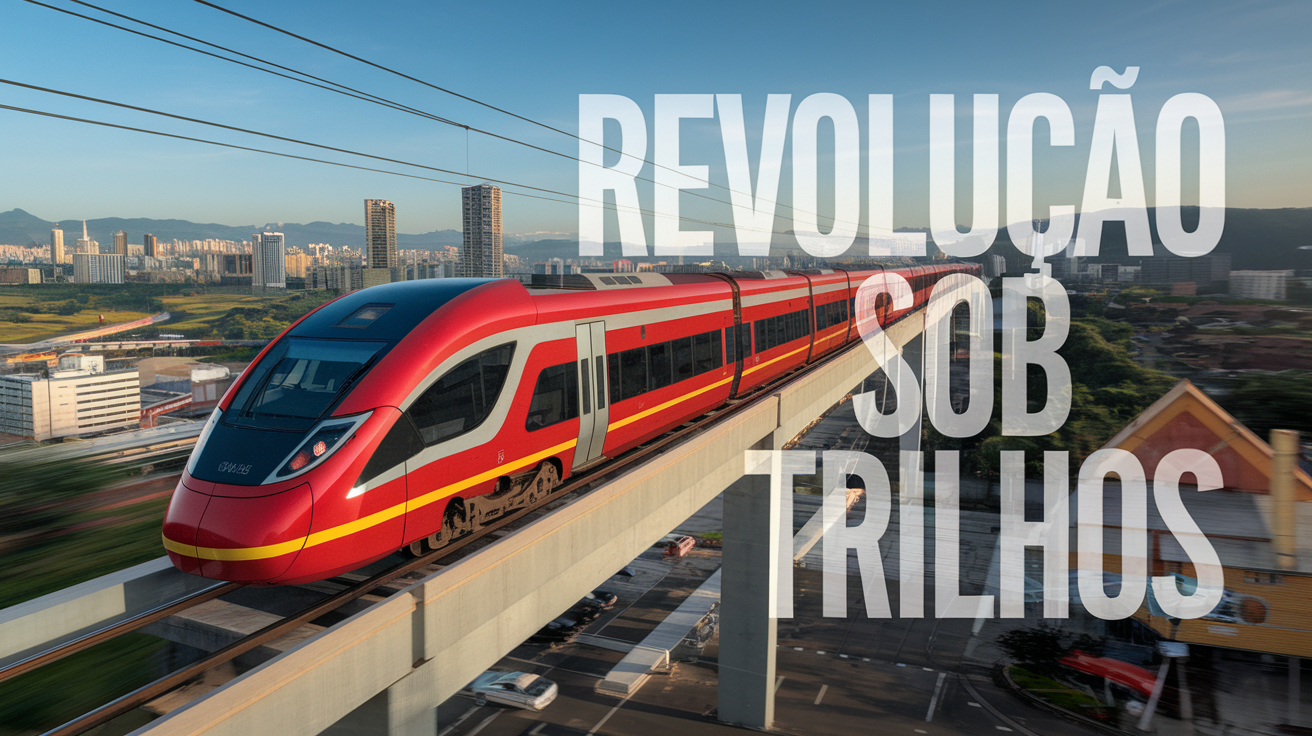


Get Ready! The Red-Foot Train, Connecting 13 Municipalities in Paraná, Promises to Radically Transform Transportation and Generate Thousands of Jobs! Discover Everything About This Project That Could Change the Lives of Those Living in the Northern Region.
Paraná is about to experience a milestone in its transportation infrastructure. A grand project that promises to transform mobility and boost the regional economy has finally received the green light.
The red-foot train, a project that promises to interconnect 13 municipalities in the Northern Region of the state, is in the execution phase following a revealing study conducted by the Fundação Instituto de Pesquisas Econômicas (Fipe).
With the capacity to transport up to 36,000 passengers per day, this ambitious project outlines a path of 151 kilometers in length, along a route parallel to the railway currently operated by Rumo.
-
Latin America is stagnant, and Brazil is part of the problem, says the World Bank in a report that highlights Argentina as the main positive exception in the region thanks to fiscal adjustment and Milei’s reforms.

-
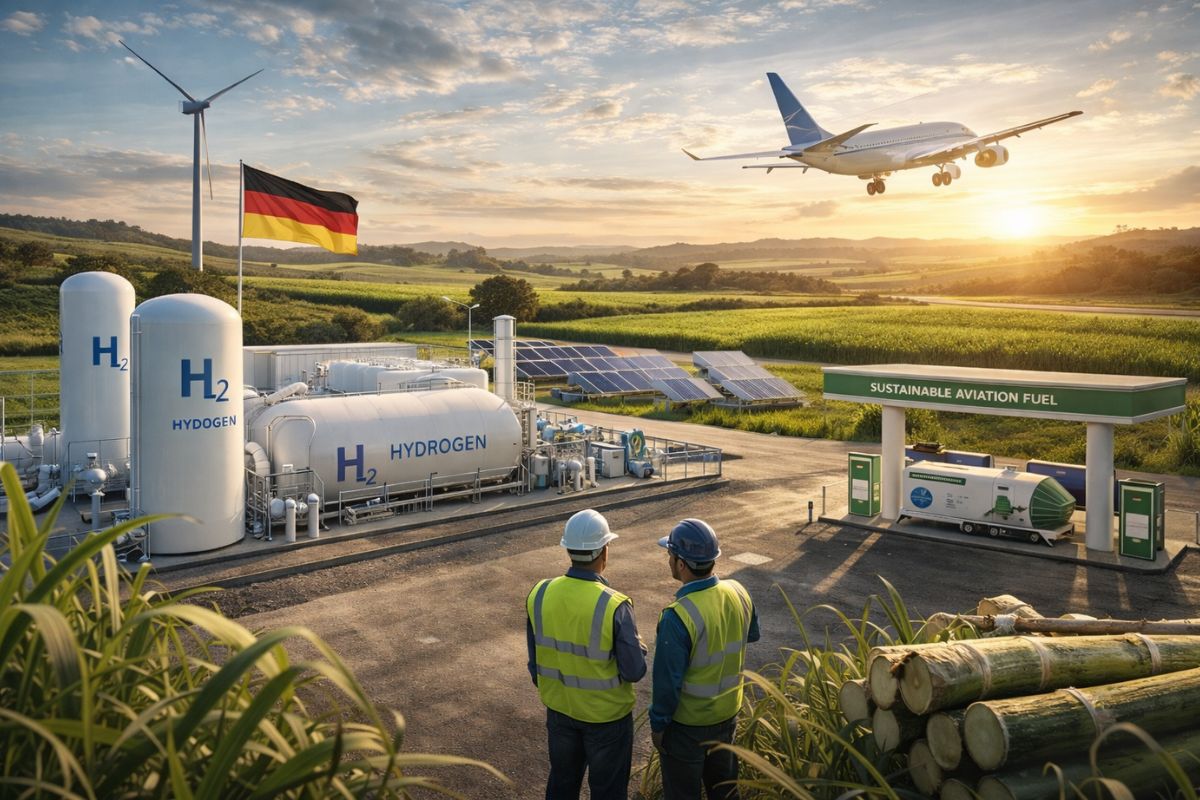
Germany is investing in the interior of São Paulo to test the production of green hydrogen and aviation fuel made from sugarcane in a partnership with Cocal and Siemens that could change the Brazilian energy sector.
-
France takes 129 tons of gold from New York, profits $15.1 billion, and raises alarms in Europe fearing to leave reserves under U.S. control.

-
35 medical entities criticize the MP that automatically renews driver’s licenses without fitness exams: they say that diseases do not show up in fines; Congress analyzes RNPC after 38,253 deaths and a cost of R$ 400 million directly to SUS.

But what exactly is at stake with this project? What are the real benefits it will bring to the residents of Paraná and, most importantly, to the citizens living in the connected cities?
The red-foot train is not just an infrastructure project: it represents a paradigm shift in the region’s rail transportation, aiming to resolve mobility issues and contribute to the economic growth of the state.
Mobility and Development for the Northern Region of Paraná
According to the TNOnline portal, the initial forecast is that the train will meet significant demand, transporting 36,000 passengers daily on its route.
According to experts, this means a direct impact on improving the quality of life for the local population, as many rely on public transportation to travel between municipalities in the region.
The project encompasses cities of great importance, such as Paiçandu and Ibiporã, and will provide an efficient solution to the growing traffic, reducing the burden on highways and promoting interconnection between various localities.
In a meeting with the Secretaria de Transportes Ferroviários, linked to the Ministry of Transport, various political and administrative stakeholders gathered to discuss the project’s details.
Among the participants was federal deputy Luísa Canziani (PSD-PR), who stated that the project has the potential to transform not only public transportation but also the local economy.
She highlighted that the red-foot train is a strategic project aimed at increasing the speed of passenger and cargo transport, contributing to lowering operational costs and promoting the region’s competitiveness.
Technology and Agility: The Future of Rail Transportation
The proposal for the red-foot train goes beyond the simple construction of a new railway line.
The project includes the construction of two parallel tracks to the existing line, significantly increasing the transport capacity.
With a speed of up to 160 km/h, the train will have an average speed of 115 km/h, considering the stops.
This means that the journey between municipalities will be faster and more efficient, directly impacting people’s routines and the movement of goods.
Additionally, the project plans to connect the airports of Londrina and Maringá, creating a multimodal system that will enable quick connections between rail and air transportation.
This integration is seen as an innovation that will benefit not only passengers but also the regional economy by facilitating the flow of products and services.
The Impact on the Job Market and Job Creation
One of the most positive aspects of the red-foot train is its capacity to generate jobs and boost the local economy.
It is estimated that around 30,000 jobs will be created in the first years of the train’s operation, both during construction and in the operation and maintenance phase.
The commercial exploitation of the right-of-way will also contribute to economic growth, bringing new business opportunities to the municipalities involved.
Regional Mobilization and the Expectation of Growth
The excitement surrounding the project is palpable.
Danaê Fernandes, Secretary of Public Security and Transportation of Cambé, stated that regional leadership is deeply engaged in the project, which promises to be one of the largest infrastructure milestones in the state’s history.
The initiative has mobilized various sectors of society, from municipal and state governments to the population, who see the red-foot train as a way to create a more connected, efficient, and prosperous region.
Challenges and Uncertainties Ahead for the Red-Foot Train
Of course, not everything is perfect. Like any large infrastructure project, the red-foot train will face significant challenges.
Executing a project of this magnitude requires substantial financial resources and complex logistics.
Additionally, the adaptation of the involved cities to the new transportation and infrastructure demands will require careful planning and collaboration among various levels of government.
However, local leaders and experts have high confidence, and many believe that the benefits will outweigh the challenges.
The Transformation to Come with the Red-Foot Train
The red-foot train represents a profound change for Paraná, not only in terms of mobility but also in how people live, work, and connect with each other.
If the plans are fulfilled, the project will not only facilitate the lives of Parana residents but also elevate the state to a new level in terms of transportation infrastructure modernization.
The future of transportation in Paraná is about to change radically. But what will be the real impact of this project on the region’s residents?









España vende locomotoras e comboios a precos de pichincha. Trens Talgo, com até 200 km de velocidade. Tbem oferece toda infraestructura necessaria
Por favor, ñ deixem esse projeto morrer no papel
Aquí, o governo anuncia uma ferrovia de 100 Km y en 3 anos está en funcionamento
España, Francia ou China. Vamo nos
160 km por hora de que maneira se todos os municípios já estão conectados, não há mais zona rural entre eles
caso esta obra saia das cabeças e seja, de fato implantada abrirá uma porta para um novo modelo de mobilidade no país.
espero que dê certo.