





 Portuguese
  English
  Spanish
  4 min of reading
  2 comments


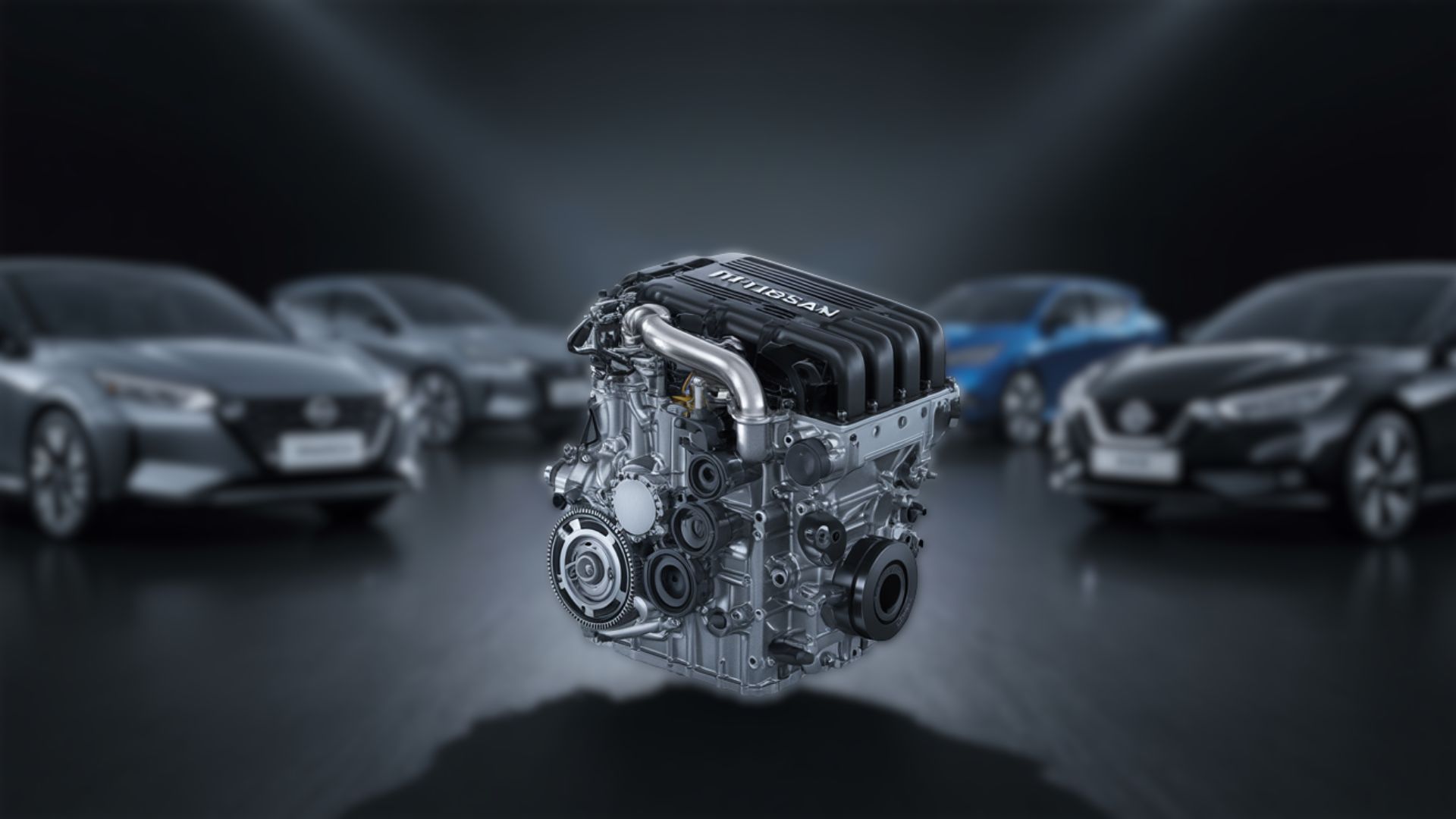


Nissan March, Versa, and Kicks Shared the Same 1.6 Engine and CVT for Years, But Calibration Adjustments and Each Model’s Purpose Resulted in Distinct Behaviors and Market Values That Today Follow Very Different Paths.
The Nissan Used a Common Mechanical Set for Three Models Sold in Brazil: March, Versa, and Kicks.
All of them Received the 1.6 16V HR16DE Paired With the X-Tronic CVT, a Combination Known for Its Low Maintenance Cost and Efficient Operation.
Even Starting With the Same “Heart,” Each Project Delivered Distinct Responses Because Weight, Aerodynamics, and, Above All, Calibration and Transmission Logic Varied According to Use Proposal.
-
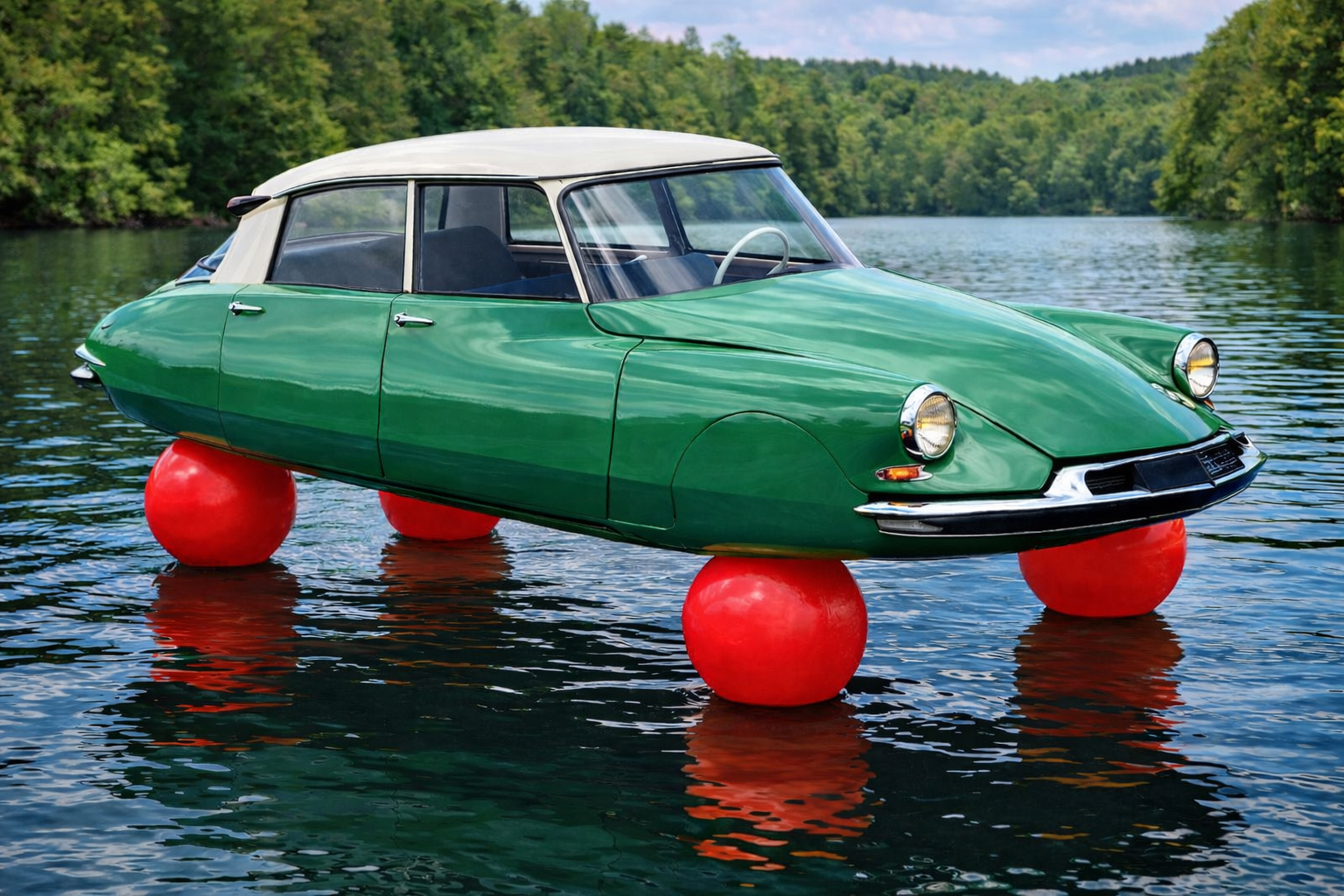
A French brand placed a car on four huge red balloons to prove that its suspension made the vehicle “float,” and the surreal scene became one of the most iconic and unusual images in automotive history.
-
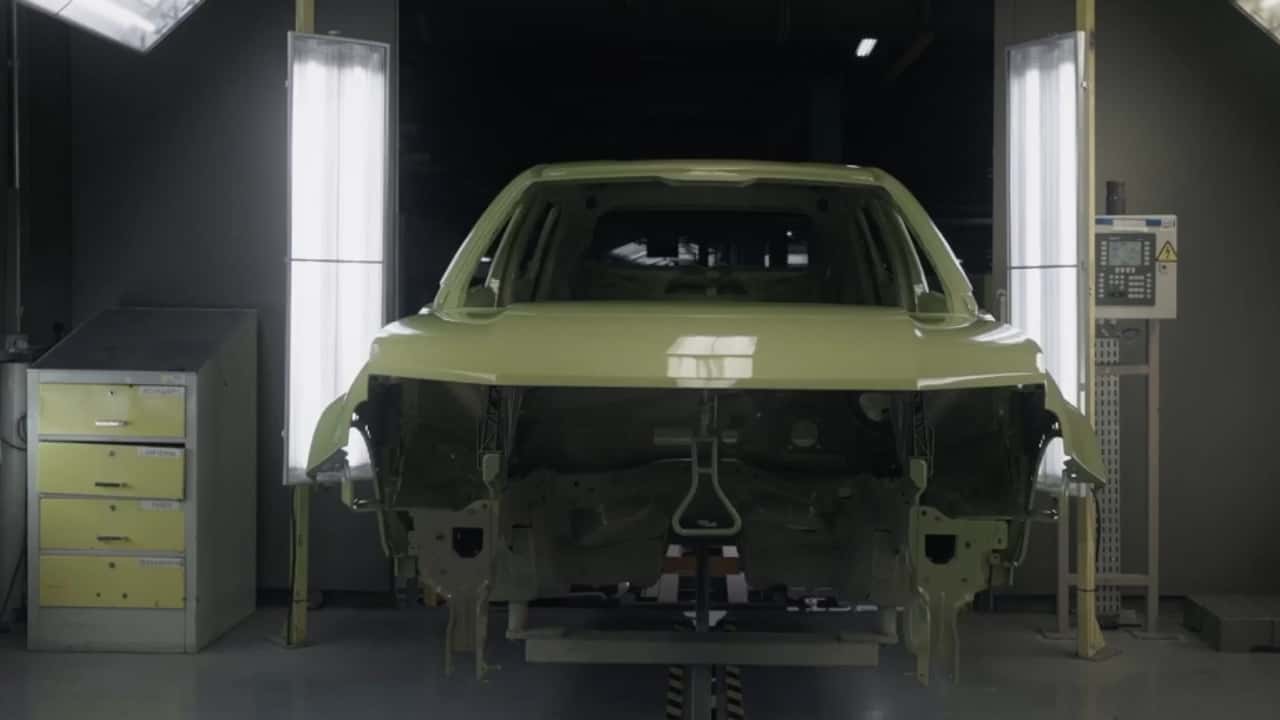
Jeep Avenger begins production in Brazil, debuting as the brand’s new entry-level SUV and inaugurating an unprecedented phase by becoming the first national Jeep manufactured outside of Goiana, as part of a R$ 3 billion plan.
-
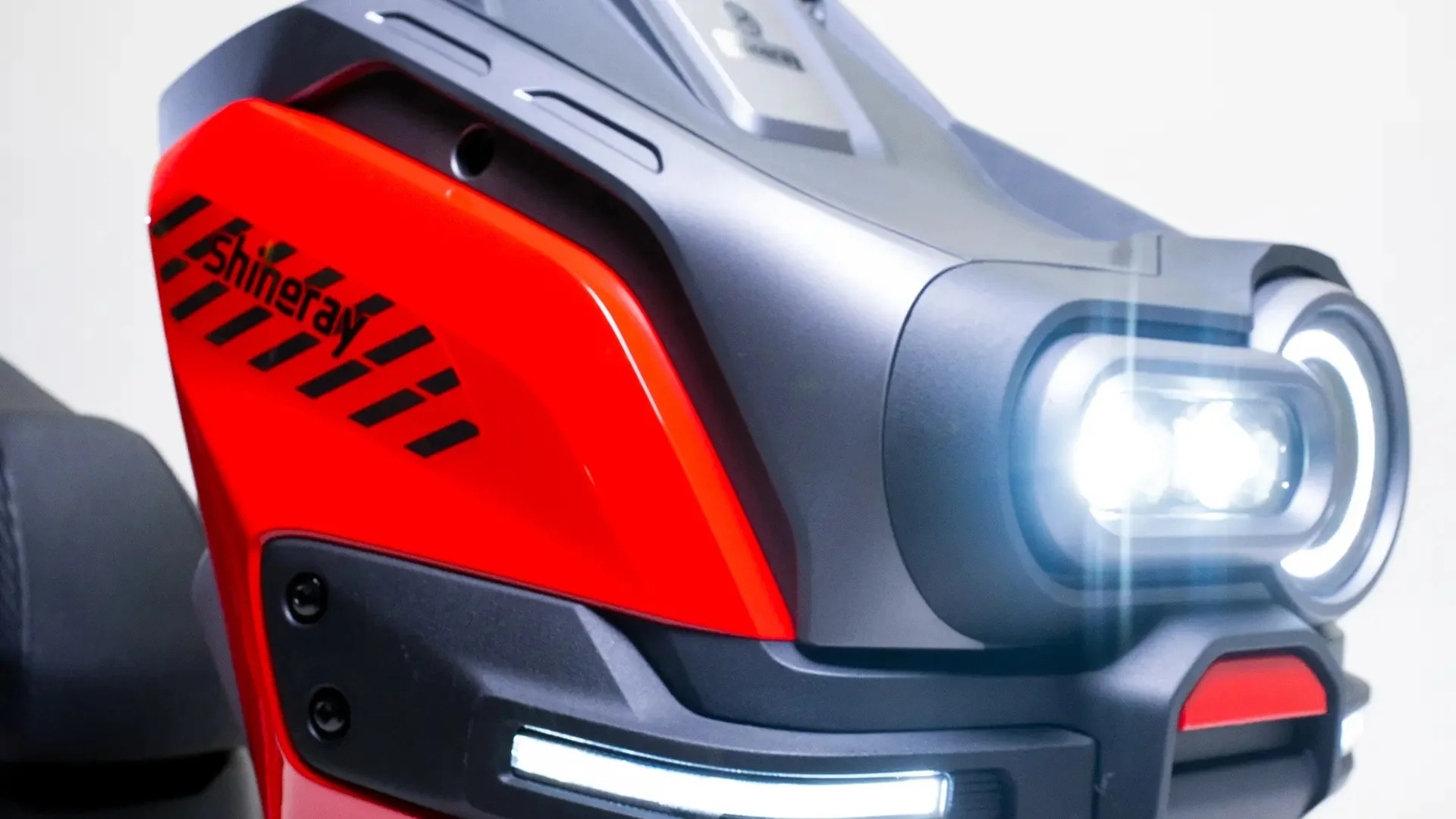
Costing R$ 12,490, the new Shineray Urban Lite 150 “cheap one” arrives in Brazil with a CVT transmission, digital dashboard, and LED lights, making it more affordable than the Biz and targeting those who want to abandon the bus.
-
Ducati brings to Brazil the Superleggera V4 Centenario: 228 hp that become 247 with a track kit, carbon fiber and carbon-ceramic brakes, estimated price between R$ 1.5 and 2 million, deliveries only in 2027.

Since June 2025, however, the New Generation of Kicks Changed Course and Retired the 1.6 and the CVT, Altering the Balance of This Trio — a Point We Detail Below.
What’s Common Under the Hood
March, Versa, and Kicks Were Supported for Years by the Same Four-Cylinder HR16DE.
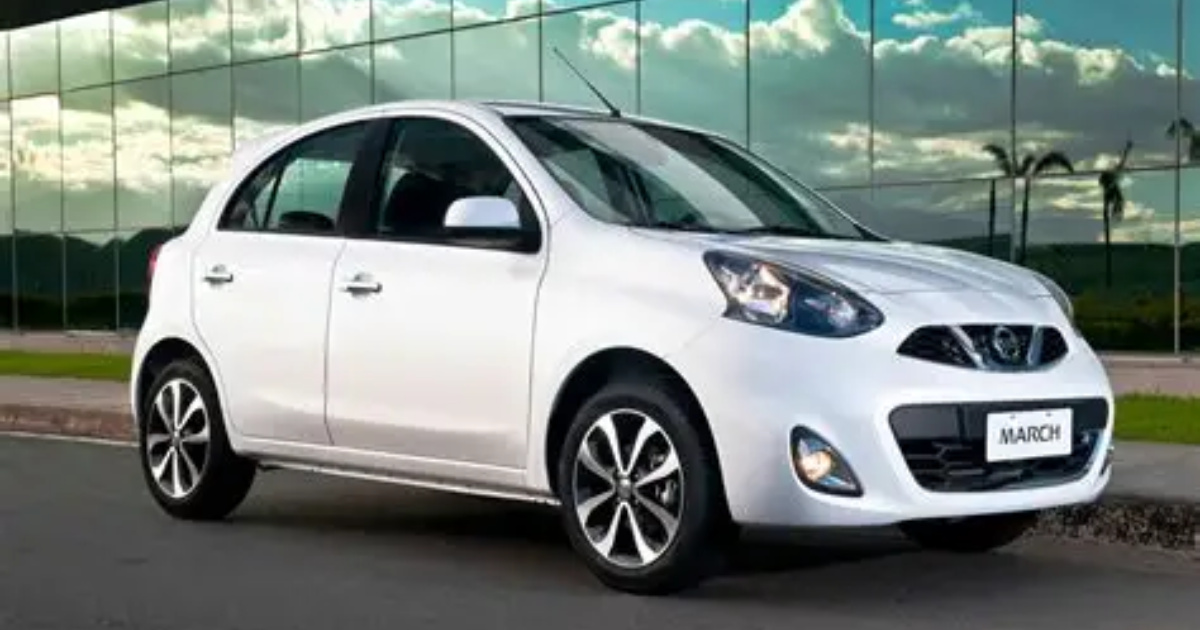
In the March, It Delivered 111 hp and 15.1 kgfm, Numbers Sufficient for a Light Hatchback Focused on the City.
The Technical Documentation and Benchmark Tests Confirm These Values.
In the Sedan Versa, Nissan Worked on the Set to Prioritize Family and Highway Use.
The 1.6 Delivers 113 hp (Ethanol) and 110 hp (Gasoline), With Up to 15.3 kgfm of Torque, Always Paired With the X-Tronic CVT.
In Practice, the Transmission Operates With Logic That Simulates Six Gears, a Feature Designed to Make Accelerations More “Natural” to the Driver’s Ear.
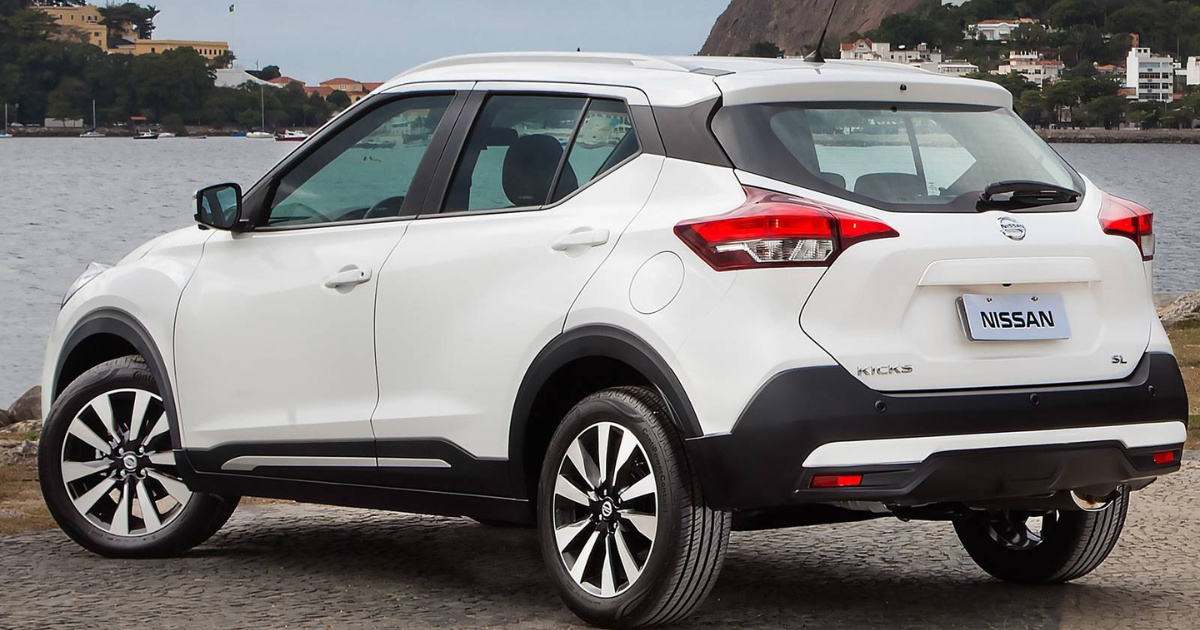
Meanwhile, the First-Generation Kicks (Up to the 2024 Model Year in Brazil) Used the Same 1.6, With 110/113 hp and 15.2/15.3 kgfm (Gasoline/Ethanol).
Nissan Calibrated the CVT to Simulate Seven Gears in the Latest Versions to Smooth Out Noise and Keep RPMs Lower at Cruise Speed.
Why Performance Changes With the Same Base
Even Though the Engine Design is Identical, Throttle Mapping, Ignition Timing, Injection Management, and the Transmission Programming Itself Produce Sets With Different Responses.
In the March, the Weight/Power Ratio Favors Quick Starts and City Acceleration, Reinforcing the Feeling of Agility.
In the Versa, the CVT Logic That “Pretends” to Shift in Six Steps Reduces the Effect of Constant RPM and Prioritizes Linear Driving, Suitable for Carrying Passengers and Cargo on Trips.
Meanwhile, in the 1.6 Kicks, the Simulation of Seven Stages Smooths Noise and Keeps RPMs Controlled, a Useful Procedure in a Taller and Heavier SUV.
The Official Numbers Above Reflect Each Product’s Strategy.
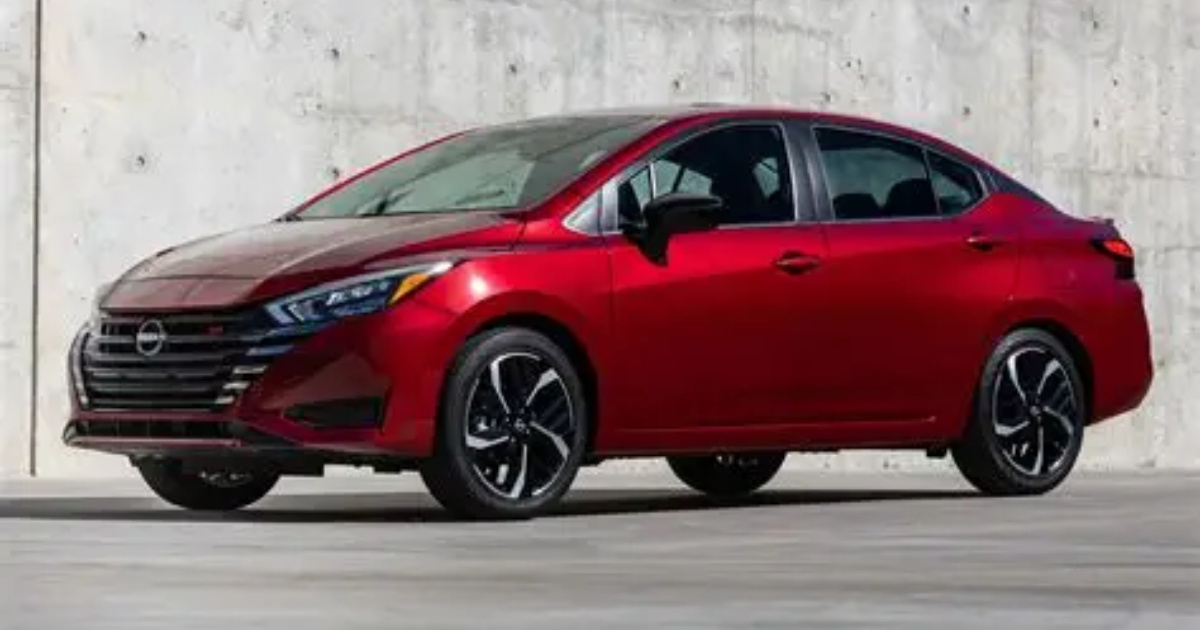
What Changed in the Kicks Starting in 2025
The Second Generation of the Kicks, Launched in Brazil in June 2025, Abandoned the 1.6 Naturally Aspirated Engine and the CVT.
The SUV Now Uses a 1.0 Turbo Engine With Up to 125 hp and 220 Nm (22.4 kgfm), Paired With an Oil-Cooled DCT Transmission.
In Other Words, the “Mechanical Link” With March and Versa Has Been Broken in the New Kicks Line.
The Model That Still Preserves the 1.6 + CVT Set is the Kicks Play (the Previous Generation That is Still for Sale), Along With the Versa Itself.
Current Prices: New and Used
In the Current Retail Market, the 0 km Versa Starts at R$ 117,990 (Sense 1.6 CVT) and Goes Up to R$ 145,390 (Exclusive 1.6 CVT), According to the Brand’s Official Page.
The New Kicks 1.0 Turbo Starts at R$ 164,990 (Sense 220T) and Goes Up to R$ 199,000 (Platinum 220T).
For Those Looking for the Old Set, the Kicks Play Retains the 1.6 With CVT and Starts at R$ 117,990, With Intermediate Versions Above R$ 130,000.
Among Used Vehicles, the Fipe Table Indicates That the 2017 Kicks Usually Ranges From R$ 72,000 to R$ 84,000, Depending on the Version.
The 2017 Versa Appears Between R$ 42,000 and R$ 56,000.
In the Case of the March, There are Two Important Figures: 2017 Units Range Between R$ 42,000 and R$ 59,000, While 2020 Examples — the Last Year of Production — Are Around R$ 58,000 to R$ 68,000, Depending on the Versions.
These Values Provide a More Realistic Picture of the Current Market.
March Discontinued, but Still Relevant in the Market
The March Stopped Being Manufactured in Brazil in September 2020, After Almost a Decade of Sales Here.
Even Though It’s Out of Production, the Availability of Parts Shared With the 1.6 Versions of the Versa and Kicks — Along With the Simplicity of Maintenance History — Maintains Good Demand for the 1.6 Versions, Especially Those With CVT X-Tronic.
In Summary: Same Base, Distinct Deliveries
With the Same HR16DE and CVT X-Tronic, Nissan Adjusted Maps and Logic of “Gears” to Align Each Car to Its Mission.
The March Explored Lightness to Appear Smarter in Urban Use. The Versa Prioritized Comfort and Linearity With Simulated Six Steps.
The 1.6 Kicks, in Turn, Adopted Seven Stages to Provide Smoothness to a Tall SUV.
Since 2025, However, the New Generation Kicks Takes a Different Path, With Turbo and DCT, While the Versa Remains the Direct Heir of the Old Set.
Given This New Scenario, When Comparing Versions and Years, Which Mechanical Combination Makes the Most Sense for Your Use and Budget Today?









Câmbio banhado a óleo é problema, o antigo CVT era muito confiável, deu mole Nissan.
Não deveriam ter abandonado o CVT no novo kiks, o câmbio de dubla embreagem é Ruin,está dando problema direto em carros com baixíssima quilometragem,foi um erro trocar a confiabilidade pelo desempenho,este câmbio novo vai matar um belo carro assim como foi com dualogic na Fiat e chiptronic na Ford para não sitar outros mais!!!