





 Portuguese
  English
  Spanish
  4 min of reading
  5 comments



Discover The Three Car Brands That Are Part Of The Toyota Group And That Many Are Unaware Of
Founded in 1937, Toyota Motor Company rapidly grew throughout the 20th century, expanding its operations beyond the automotive industry and becoming an example of innovation and adaptation. While extremely recognized for its reliable vehicles, Toyota has also ventured into lesser-known areas, such as marine technology through Toyota Marine and robotics with Toyota Robotics.
However, its greatest strength remains the manufacturing of automobiles. Almost 100 years after the launch of the Toyoda Model AA, the company maintains its position as a global leader in the automotive sector.
In addition to its own-brand models, Toyota also owns or partners with several other brands, each with fascinating stories and unique trajectories. Let’s explore these brands, learn how they connected with Toyota, and the impact this has had on the automotive industry.
-
A brand new car starts at around R$ 75,000 in Brazil, but what stands out the most is seeing streets filled with SUVs and expensive sedans in a country where millions remain in debt.

-
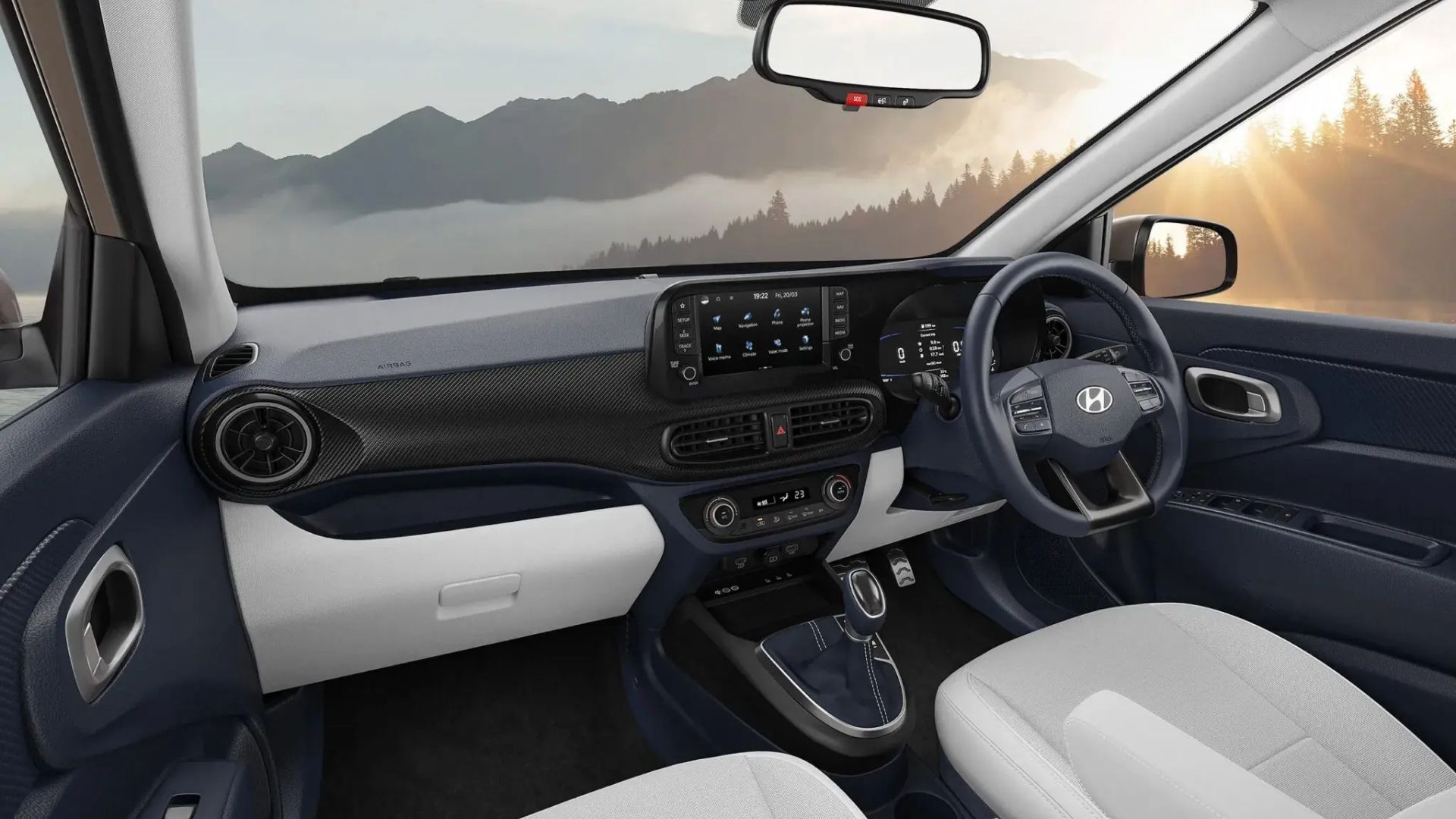
For R$ 32,000, a brand new Hyundai car is a rival to the Kwid with a 1.2 engine producing 82 hp, 6 airbags as standard, multimedia with wireless Android Auto, up to 391 liters in the trunk, and a refreshed look for 2026 in India.
-
He bought a new car in 1983, locked it in the barn in 1988, and no one opened the door for 38 years until the family discovered what was stored inside and realized it looked like something out of a movie.

-
A 250cc motorcycle that can reach 560 km with a 14-liter tank, features disc brakes on both wheels and is among the most well-known in Brazil.
Daihatsu
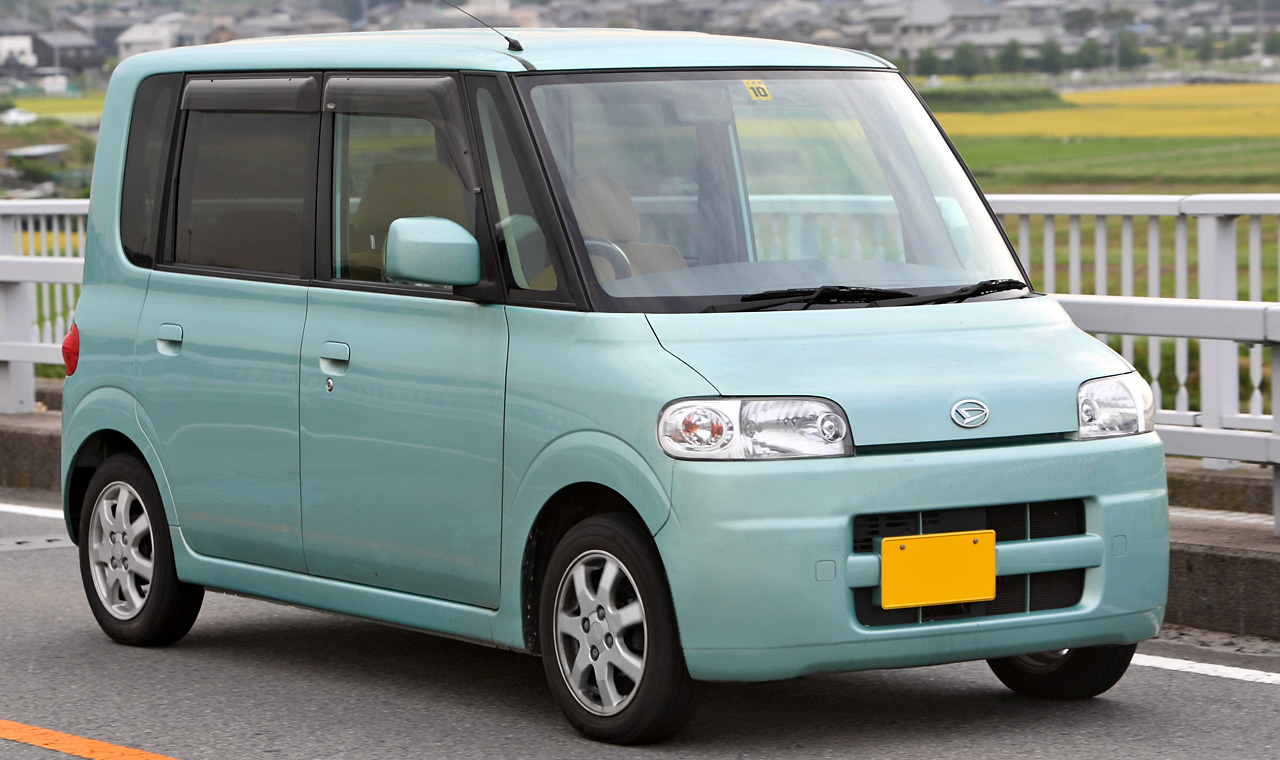
Daihatsu, one of the oldest automakers in Japan, started in 1951 as Hatsudoki Seizo Co., Ltd. While it gained fame with its kei cars — small and economical vehicles that are a hit in Japan and other Asian markets — the company also produced SUVs and vans over the years. Today, Daihatsu primarily operates in Japan, Indonesia, and Malaysia, solidifying its position as a regional leader.
The relationship between Daihatsu and Toyota began in 1967, with a collaboration that led Toyota to acquire stakes in the company. In 1998, Daihatsu became part of the group when the automotive giant acquired 51.2% of its shares.
In 2016, the acquisition was completed, taking full control of the brand. This partnership strengthened both companies, combining Daihatsu’s expertise in compact vehicles with Toyota’s global resources.
Hino Motors
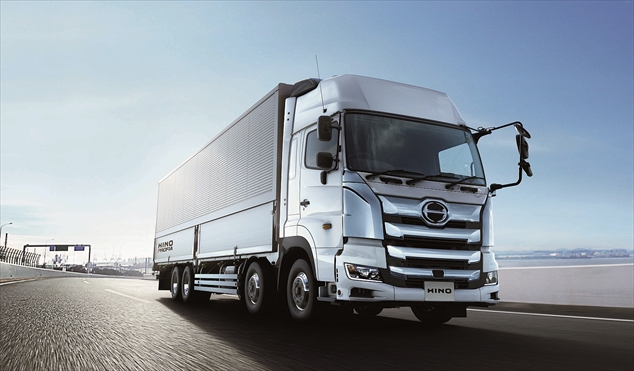
Since its founding in 1942, Hino Motors has excelled in manufacturing commercial trucks, diesel engines, and buses. While it produced some notable passenger vehicles, such as the Hino Renault 4CV and Hino Contessa, its specialization has always been in mass transportation.
The partnership with Toyota began in the 1960s, with Toyota acquiring a majority stake in Hino in 2001, transforming it into a partnership.
Recently, in 2023, Hino entered into a merger agreement with Daimler Truck Holding AG and Mitsubishi Fuso, marking a new era of technological and environmental collaboration. While this merger means that Hino will cease to be part of Toyota, the partnership between the companies will continue to shape the future of commercial transportation.
Lexus
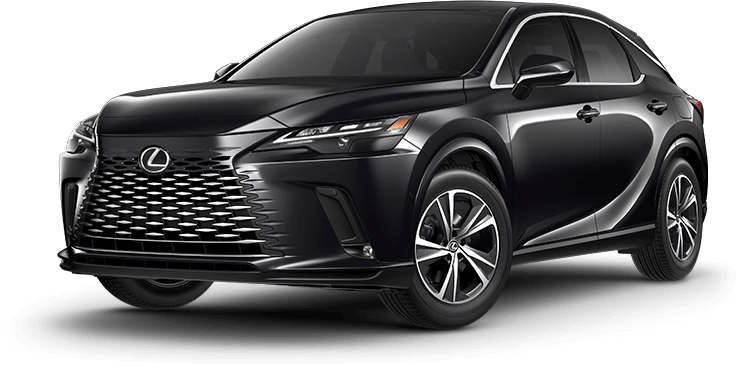
Unlike other brands, Lexus was created by Toyota itself to compete in the luxury car market. In 1983, then-president of Toyota, Eiji Toyoda, initiated an ambitious project to develop a premium vehicle. The result was the Lexus LS, launched in 1989, which redefined the luxury segment with its quality, comfort, and performance.
Today, Lexus is a global brand, present in over 90 countries and recognized for its innovation and excellence. Models like the Lexus RX and Lexus NX continue to be favorites among consumers, while the brand also explores cutting-edge technologies, such as hybrid and electric vehicles.
Partner Brands: Subaru, Mazda, Suzuki, And Isuzu
In addition to its subsidiaries, Toyota maintains strategic stakes in other manufacturers. These partnerships allow for technology exchange, collaboration in research and development, and expansion into specific markets. Some of the brands in which Toyota has a stake include:
- Subaru: Toyota holds a 20% stake in Subaru since 2019, collaborating on hybrid and electric technologies. Despite this, Subaru remains independent.
- Mazda: With a 5.1% stake, Toyota works with Mazda on initiatives such as the development of efficient engines.
- Suzuki and Isuzu: The stakes of 4.94% and 4.6%, respectively, reflect Toyota’s interest in collaborating in areas such as light commercial vehicles and emerging markets.
These partnerships show that Toyota is constantly seeking new growth and innovation opportunities, even without taking full control over these brands.
The Legacy Of Toyota: Innovation And Trust
Throughout its history, Toyota has built a trust of excellence and reliability. Its strategic approach, which combines acquisitions with partnerships, allows the company to adapt to market changes and explore new technologies. More than just an automobile manufacturer, Toyota is a driving force that shapes the future of mobility.
Whether you drive a compact Daihatsu, a Hino truck, or a sophisticated Lexus, one thing is certain: the Toyota brand is present, ensuring quality, innovation, and an unwavering commitment to its customers.
As the company moves forward, we can expect even more innovations and partnerships that will continue to redefine the automotive sector.








A JAC também tem mecânica Toyota
A CROWN TAMBEM É DA TOYOTA.
Toyota poderia lançar um carro como o Terios 1999 da Daihatsu. Carro maravilhoso. Acabei de vender o meu, pela dificuldade de peças, mas o tamanho é estrutura dele me agradou muito.
Eles nem falaram da daihatsu que é do grupo Toyota,
Foi a primeira empresa que citaram no artigo,você leu??