





 Portuguese
  English
  Spanish
  5 min of reading
  3 comments


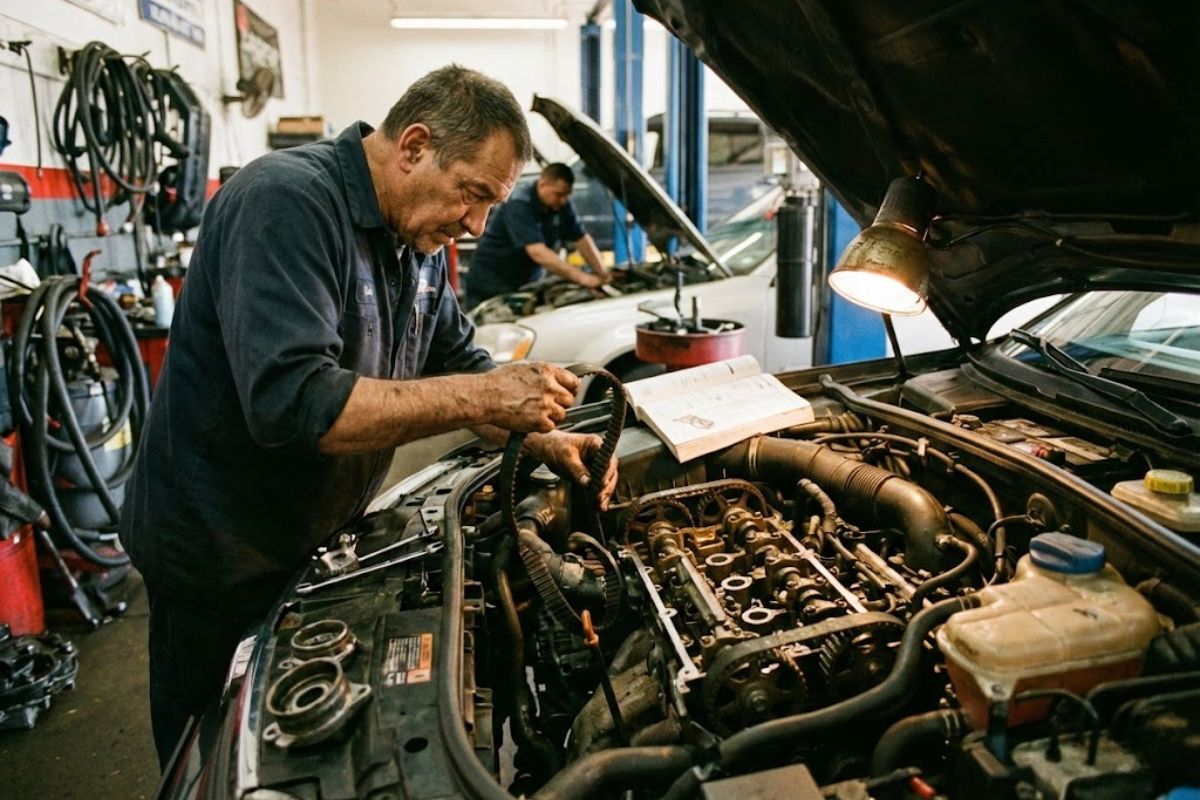


Experts Explain That The Timing Belt Replacement in Severe Use Should Be Anticipated, Respecting Mileage and Time, to Avoid Engine Overhaul and a 30 Percent Loss in Vehicle Value
In December 2025, the discussion about when to replace the timing belt gained momentum among mechanics and manufacturers, with warnings that anticipating the timing belt replacement in severe use situations is crucial to avoid serious failures and future engine overhaul.
In practice, drivers who rely solely on the 40,000 or 100,000 kilometers and ignore the time of use put their engines at real risk, with a concrete chance of a 30 percent loss in the value of the car if the timing belt breaks in motion.
Why The Timing Belt Does Not Have A Fixed Mileage

The replacement of the timing belt is one of the most critical maintenance tasks for any vehicle and, at the same time, one of the most surrounded by doubts.
-
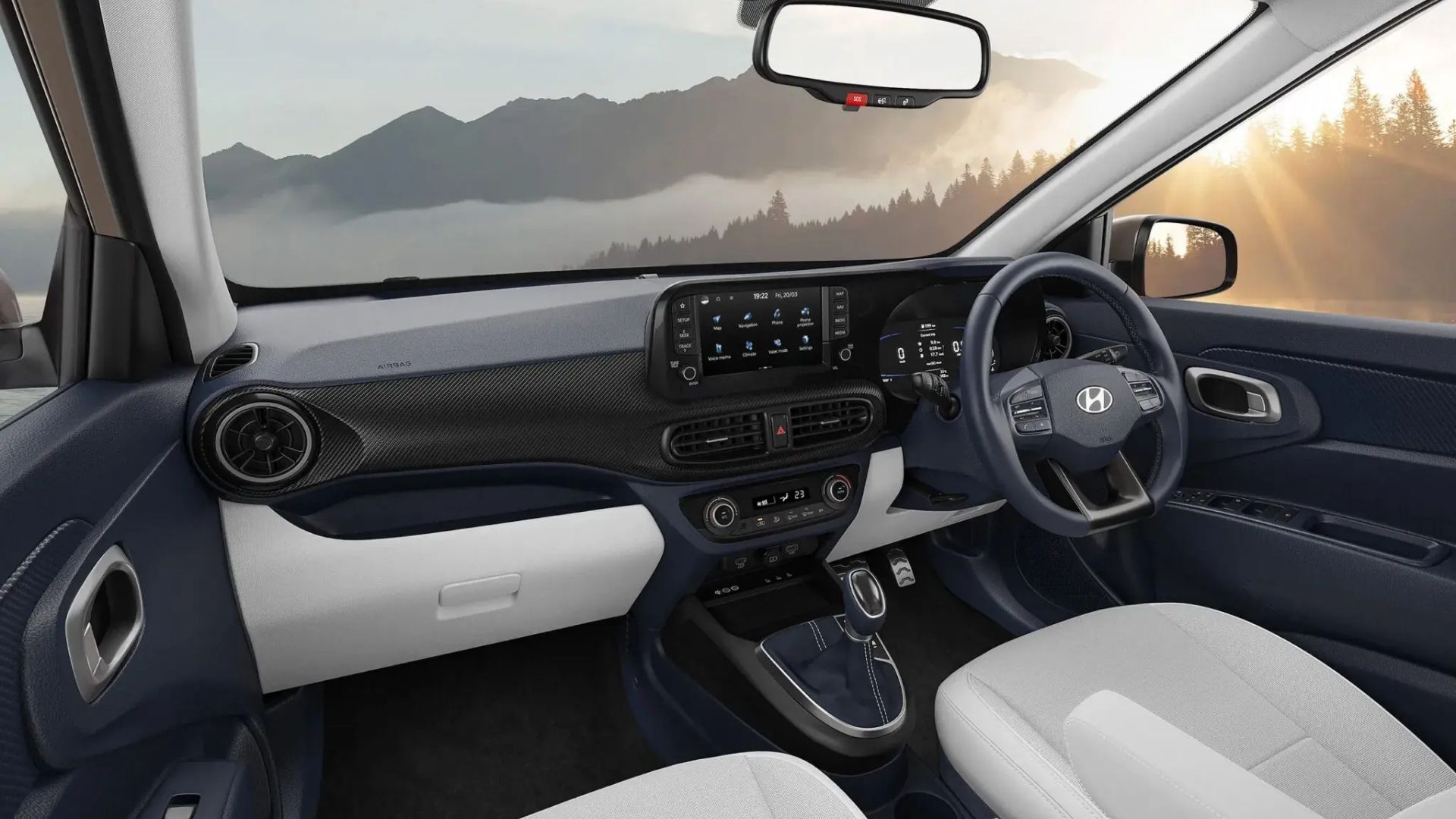
For R$ 32,000, a brand new Hyundai car is a rival to the Kwid with a 1.2 engine producing 82 hp, 6 airbags as standard, multimedia with wireless Android Auto, up to 391 liters in the trunk, and a refreshed look for 2026 in India.
-
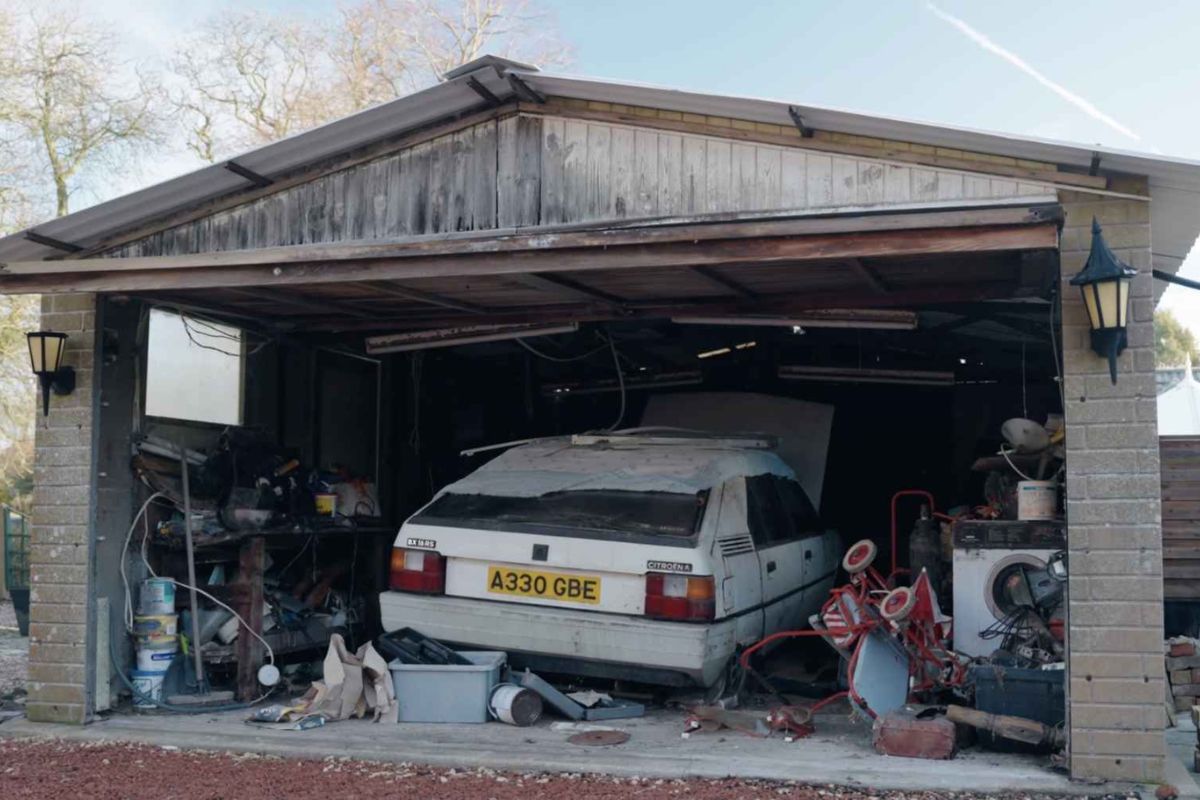
He bought a new car in 1983, locked it in the barn in 1988, and no one opened the door for 38 years until the family discovered what was stored inside and realized it looked like something out of a movie.
-
A 250cc motorcycle that can reach 560 km with a 14-liter tank, features disc brakes on both wheels and is among the most well-known in Brazil.

-
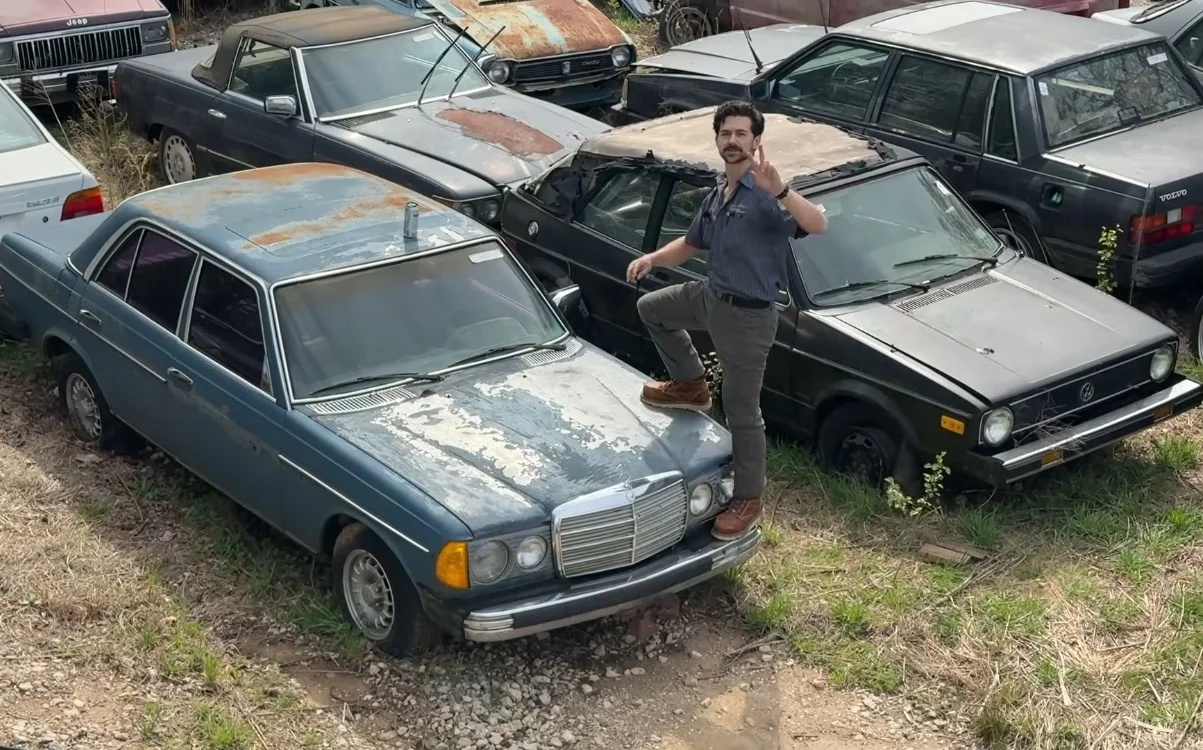
Man finds over 200 rare cars abandoned on a lot and tries to do the impossible in 8 hours with a surprise at the end.

Although some manuals adopt extended intervals of up to 100,000 kilometers, the safety recommendation from most experts revolves around 50,000 to 60,000 kilometers.
This preventive interval exists because the wear of the rubber is not visible externally in most cases.
The belt may appear to be in good condition, but the internal polymers may already be weakened.
When this occurs, the breakage tends to be sudden, without clear warning, exactly at the moment when the engine is running and under load.
Driving up to the maximum limit set by the manufacturer, ignoring the context of use, is a risky gamble.
In tropical countries, intense heat and dust accelerate the degradation of the timing belt, making early replacement a form of saving, not extra expense.
The cost of a new belt and labor is low when compared to the impact of a catastrophic failure in the distribution system.
Time of Use Matters Just As Much As Mileage
One of the most neglected points by owners is the time factor.
Many drivers believe that if the car travels little, the timing belt lasts indefinitely.
In practice, the rubber dries out and loses elasticity over the years, even if the odometer shows few kilometers.
The technical recommendation is for replacement every four or five years, even if the vehicle has only around 20,000 kilometers driven.
The combination of natural aging, temperature variations, and long periods of inactivity causes microcracks and loss of flexibility in the teeth of the belt, which increases the chance of breakage precisely at the first start after the car has been stationary for a long time.
A garage car that is driven little faces a similar risk to that of a daily-use vehicle if the maintenance schedule is ignored.
Oxidation, drying out, and loss of synchronization between crankshaft and camshaft can occur without visible warnings, and the driver only discovers the problem when there has been contact between pistons and valves.
Severe Use Shortens The Lifespan Of The Timing Belt
The concept of severe use still generates confusion.
Many drivers associate this classification only with off-road trips or sports driving, but manuals and mechanics include intense urban traffic in the same category.
Staying stopped in traffic jams, with the engine running, counts as operating hours that do not show up in mileage, but wears down the timing belt just the same.
Very short trips that do not allow the engine to reach its ideal temperature also fall within this severe use scenario.
Under these conditions, the maintenance plan usually halves the recommended replacement mileage compared to ideal conditions.
In practice, this means anticipating the replacement of the timing belt in vehicles that operate in heavy traffic, even if the odometer has not yet reached the reference value.
For those who use the car daily on urban routes, with many starts, stops, and long periods idling, adhering to the severe use plan is just as important as following oil and filter changes.
Ignoring this particularity is to trust that the engine will operate at the limit for years without failures, which contradicts the accumulated experience of workshops and manufacturers.
Warning Signs In The Distribution System
Before complete failure, the distribution system may emit subtle signs.
High-pitched noises or squeaks from the front of the engine deserve attention, especially if they occur after starting or at certain RPM ranges.
Although not every noise is directly related to the timing belt, any abnormal sound should prompt inspection.
Other important indications are difficulty starting, sudden loss of power, and excessive vibration at idle.
These symptoms may indicate that the synchronization between the crankshaft and camshaft is compromised, either due to belt wear or problems with associated components.
In some cases, unexplained overheating, linked to failures in the water pump driven by the belt, also comes into the radar of risk signals.
Even when there are no noticeable noises or failures, consulting the owner’s manual and checking the maintenance history is a basic measure.
If the expected deadline is nearing, expired, or simply unknown, the guidance is clear: schedule an immediate inspection of the timing belt and other elements of the distribution system.
What It Costs To Ignore Timing Belt Maintenance
The most severe scenario occurs when the timing belt breaks with the engine running.
In this case, pistons and valves collide, causing structural damage to the cylinder head and, in extreme situations, to other parts of the moving assembly.
The result is a bill that can exceed 30% of the vehicle’s value, adding up parts, labor, and potential need for complete engine overhaul.
Aside from the direct cost, there is an indirect effect.
A car that has undergone engine overhaul tends to depreciate in the market, especially when the service was not documented with proper receipts and warranties.
In many situations, the owner finds themselves forced to invest heavily to return the vehicle to an acceptable condition for use, knowing that they will hardly recover that value in a future sale.
In light of this scenario, anticipating the timing belt replacement within safety deadlines, respecting both mileage and time, is a risk management decision, not just maintenance.
Consulting a trusted mechanic, following the manual, and considering the vehicle’s actual usage history are steps that can preserve the engine and the owner’s budget.
In your maintenance routine, have you ever anticipated the timing belt replacement due to time and usage conditions, or do you still rely solely on the mileage indicated in the manual?










A minha é com 5 mil,mais eu troco com 4.200 km
A Correa dentada, sempre foi motivo de preocupação na manutenção dos veículos. Porém a CORREA DENTADA BANHADA A ÓLEO, foge a regra pois com toda as garantias do fabricante das correias terem vida longa, o valor mão de obra é caríssima, foge a readide dos brasileiros. Quem, um simples trabalhador brasileiro, vai se arriscar a comprar um carro, já rodado, que tenha o sistema de correia dentada banhada a óleo ???
A primeira correia dura até 40.000 km, a partir daí a troca deve ocorrer após 25.000 km.