





 Portuguese
  English
  Spanish
  4 min of reading
  0 comments


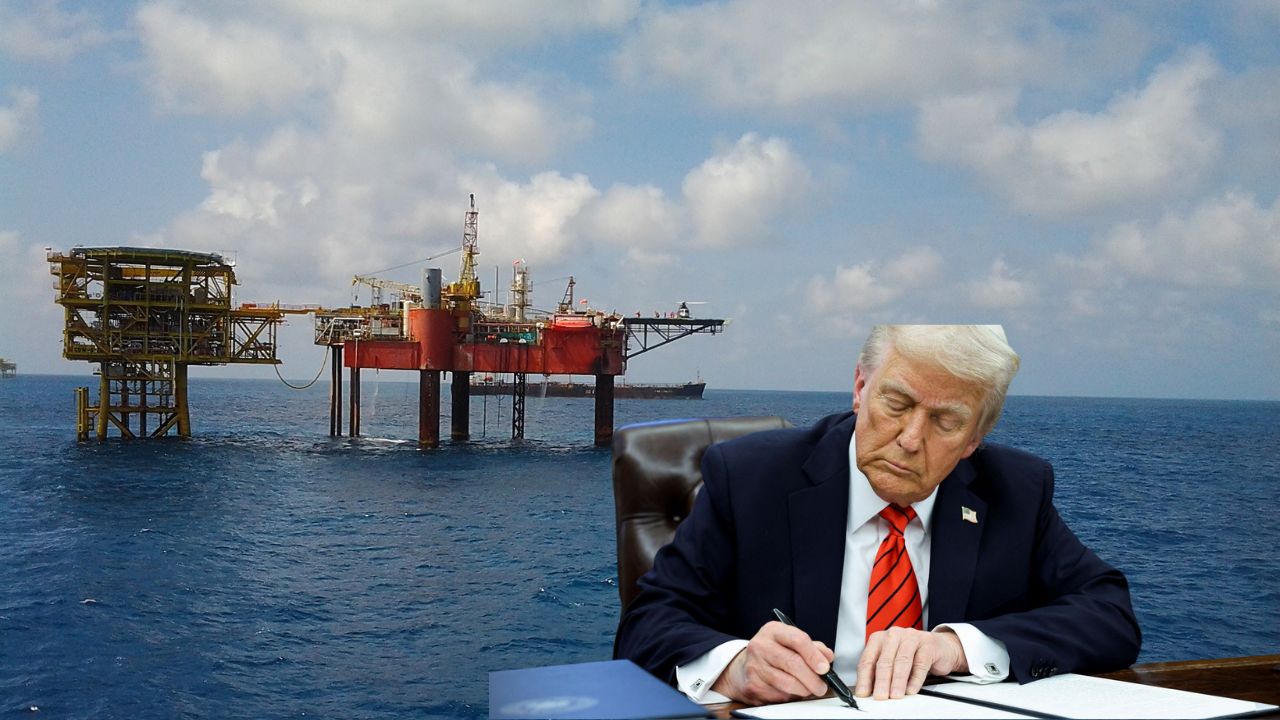
The Measure Signed On Monday (24) Takes Effect On April 2 And Targets Governments That Maintain Trade Relations With Venezuela In The Oil And Gas Sector. Signals Of Flexibility In Other Sectors Were Also Made.
The President of the United States, Donald Trump, has once again caused a stir in international politics. On Monday (24), he signed a decree that imposes a 25% tariff on any country that buys oil and gas from Venezuela. The new directive takes effect on April 2 and, according to the Republican, is part of a strategy to economically pressure Nicolás Maduro’s regime and the countries that are still doing business with the neighboring country.
The decision comes with controversial statements. Trump accused the Venezuelan government of sending “tens of thousands of criminals” to the United States, including members of the dangerous gang “Tren de Aragua.” According to the president, Venezuela has been “hostile to the U.S. and the freedoms” defended by the country, and the economic response must be proportional.
Maximum Pressure On Oil And Gas Trade
The imposition of the new tariff on oil and gas represents another chapter in the troubled relationship between the United States and Venezuela. According to Trump, the measure aims to financially weaken the partners of the Chavista regime and, at the same time, promote a restructuring of U.S. trade relations with the rest of the world.
-
Brazilian city bets on the business environment to generate jobs and attract investments in the energy sector — secretary reveals strategy at Macaé Energy 2026.

-
50 viaducts, 4 tunnels, 28 bridges, and 40 kilometers of bike paths: BR-262 in Espírito Santo will receive 8.6 billion reais for the largest engineering project in the state’s history, inspired by the Immigrant Highway in São Paulo.

-
Brazil produces too much clean energy and doesn’t know what to do with it: over 20% of solar and wind capacity was wasted in 2025 while investors flee and 509 renewable generation projects were abandoned in the last year.

-
Piauí will produce a new fuel that replaces diesel without needing to change anything in the truck’s engine and reduces pollutant gas emissions by half: truck drivers from all over the Northeast are already celebrating the news that will arrive later this decade.


The strategy also includes reciprocal tariffs for other nations with which the United States has significant trade deficits. The “Liberation Day,” as Trump has been calling the upcoming April 2, will be marked by a series of announcements of new tariffs on automobiles, wood, and other strategic sectors. The idea is to align U.S. taxes with those of countries that impose higher tariffs or non-tariff barriers against U.S. products.
Who Will Be Affected By The New Tariffs On Oil And Gas?
According to government sources, the main focus of the measure is on countries that continue to buy oil and gas from Venezuela even after the embargoes imposed by Washington. Among the most mentioned are China, India, Russia, and Iran, which maintain energy cooperation agreements with Caracas.
Although the decree is broad, the American government has already signaled that it may flexibilize the application of tariffs for certain sectors. In an interview on Monday, Trump stated that he may grant discounts for “many countries”, as long as there are clear trade reciprocities.
Moreover, there are rumors that tariffs on automobiles and pharmaceutical products — which were also scheduled for April — may be delayed due to pressure from automakers and the industrial sector.
Economic Diplomacy As A Weapon
Since the beginning of his term, Trump has used tariffs and sanctions as key tools of foreign policy. In the case of oil and gas, the offensive directly targets the heart of the Venezuelan economy, which relies heavily on the export of these products to survive.
In parallel, the United States has sought to reduce its dependence on foreign oil, increasing domestic production and promoting the use of alternative energy sources. For Trump, measures like this strengthen American economic sovereignty and reduce the influence of regimes considered hostile.
However, critics warn of the side effects of the tariffs. Some experts believe that international oil prices may rise with the restriction of Venezuelan supply, harming emerging economies and, eventually, consumers in the U.S. itself.
The Global Scenario And Trump’s “Dirty 15”
Sources linked to the U.S. Treasury stated that the focus of the reciprocal tariffs will be on a group of 10 to 15 countries with the largest trade surpluses with the U.S. These countries are being nicknamed by government members as the “Dirty 15.”
Among the countries of special interest are Brazil, China, Japan, Mexico, the European Union, Saudi Arabia, Turkey, South Korea, and the United Kingdom. According to the U.S. Trade Representative’s Office, these nations account for 88% of global goods trade with Americans.
This movement puts the market on alert, especially exporters of products such as steel, wood, vehicles, chips, and now, oil and gas. It is still unclear if all sectors will face tariffs starting on April 2, or if there will be new staggered announcements.
Possible Economic And Geopolitical Impacts
The consequences of this tariff offensive may extend beyond the oil and gas market. By targeting Venezuela’s trading partners, Trump also affects the dynamics of global strategic alliances, especially with China and Russia, which have already been straining their relations with the U.S.
In economic terms, experts believe that the price of oil per barrel may experience a temporary increase, depending on the market reaction and the Organization of the Petroleum Exporting Countries (OPEC). There is also the risk of trade retaliations from affected countries, potentially escalating international disputes.
Domestically, Trump relies on nationalist rhetoric and the promise to rebalance the American trade balance as an argument to justify harsher measures. The strategy, however, may have mixed effects, especially in sectors of the economy that depend on imported inputs. With the signing of the decree, countries that maintain relations with Caracas will have to rethink their strategies or pay a high price to maintain these agreements.
The measure, though controversial, follows the logic of “America First,” which has guided U.S. economic policy in recent years. The expectation now is to see how other countries will react and whether Trump will maintain a hard line or back down, as he has done on previous occasions.
Source: G1








Seja o primeiro a reagir!